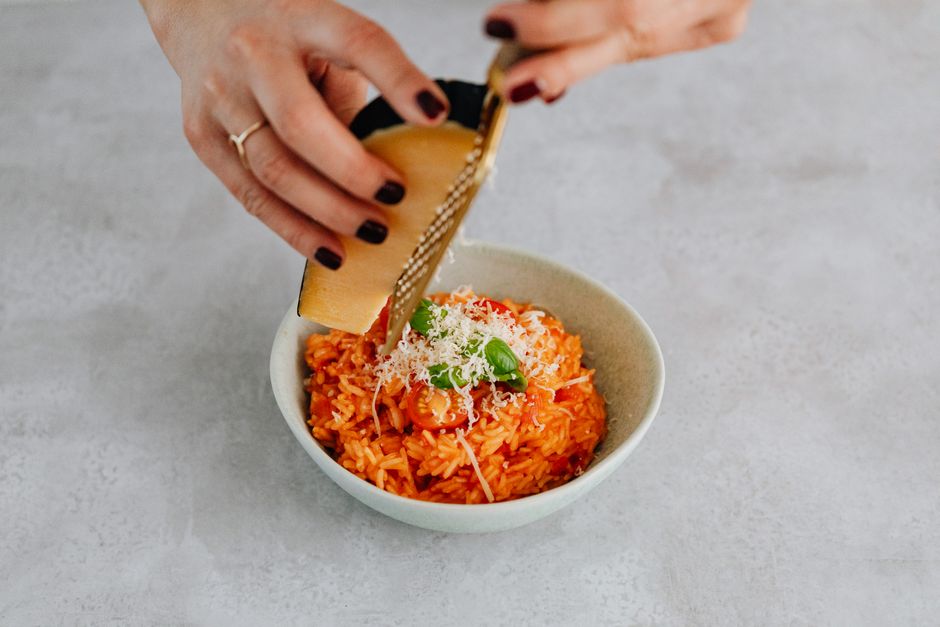
Perfect Risotto Every Time
Risotto is a dish that evokes a sense of comfort and indulgence, often associated with the warmth of home-cooked meals shared around a table. Its creamy texture and rich flavors can elevate any dinner, making it a quintessential Italian favorite. Yet, many home cooks approach making risotto with a mix of anxiety and curiosity, fearing the potential for a clumpy or mushy end product. However, with the right techniques and a little practice, you can master the art of risotto and serve up a bowl that would make any Italian nonna proud.
The beauty of risotto lies in its versatility; the foundation is simply arborio rice, stock, and a bit of patience, allowing you to incorporate a variety of flavors as you coax the starches from the rice. For many, one of the greatest joys in cooking risotto is the transformative process it undergoes—starting with simple ingredients and ending with a dish that tells a story of time and technique. Whether you’re celebrating a special occasion or simply treating yourself to a comforting meal, perfecting risotto will not only impress your guests but also build your confidence in the kitchen.
In this guide, you’ll discover step-by-step methods to create mouthwatering risotto every time. We’ll cover essential techniques, tips for selecting the right ingredients, and variations that will suit any palate. By the end of this post, you’ll feel equipped to tackle risotto with the same skill and ease as an experienced chef, transforming a dish that can seem intimidating into a beloved staple in your home cooking repertoire.
Understanding Risotto: The Basics
What is Risotto?
Risotto is a traditional Italian dish made primarily from a short-grain rice called arborio. This unique rice is prized for its high starch content, which is released during cooking, giving the dish its signature creamy texture without the addition of cream. Although originating from the northern regions of Italy, particularly Lombardy and Piedmont, risotto has gained global popularity, inspiring countless variations that incorporate local flavors and ingredients.
The cooking technique behind risotto involves gradually adding warm broth to the rice while stirring continuously. This method allows the rice to absorb the liquid, releasing its starches in the process. The result is a dish that is both rich and creamy, served al dente with a beautiful sheen. A well-executed risotto will display a balance of flavors, a luxurious consistency, and an inviting aroma that beckons to be savored.
The Essential Ingredients
Making risotto requires a few key ingredients, each playing a critical role in achieving the perfect outcome. Here’s a breakdown of the essentials:
Equipment You'll Need
Before you embark on your risotto journey, ensure you have the following equipment on hand:
With these ingredients and tools, you’re well on your way to making risotto that’s both delicious and impressive.
Selecting Your Rice
Types of Rice for Risotto
While arborio rice is the most commonly used type for risotto, you also have a few alternative varieties that can yield excellent results. Understanding the differences will allow you to choose the right one for your dish:
Understanding Rice Quality
Not all rice is created equal; choose high-quality brands to ensure the best possible texture and flavor. Look for rice that is fresh and free from any moisture. Even the best techniques won’t save a risotto made with poor-quality rice. When shopping, a good rule of thumb is to seek out rice varieties labeled specifically for risotto.
Storing Rice Properly
Once you've selected your rice, proper storage is key to maintaining its quality. Store your arborio or alternative risotto rice in an airtight container in a cool, dry place. Avoid exposing it to light or moisture, as this can diminish its flavor and texture. If you’ve bought in bulk, consider using mylar bags or vacuum-sealed containers to prolong its shelf life.
Mastering the Cooking Technique
The Fundamental Steps
The heart of risotto lies in its cooking technique. Here’s a step-by-step guide to ensure that each pot of risotto turns out perfectly:
Achieving Perfect Creaminess
The secret to a creamy risotto is all in the stirring. While many may feel tempted to leave the risotto unattended for short moments, resist that urge! Stirring releases the starches from the rice, creating the creamy texture you’re after. Aim for consistency, but avoid overworking the rice, as that can lead to mushiness.
Also, the temperature of the broth is crucial. Cool broth can shock the rice and slow down the cooking process. Always ensure your broth is kept warm—not boiling—during the cooking process.
Flavor Variations and Additions
Classic Risotto Flavors
Once you’ve mastered a basic risotto, the possibilities are endless. Here are some classic flavor profiles to start with:
Seasonal Variations
Taking advantage of seasonal ingredients can elevate your risotto to new heights. Consider incorporating:
Tips for Customization
Feel free to get creative! Here are a few tips for customizing your risotto:
Serving and Storing Risotto
Plating Your Risotto
Presentation can enhance the overall dining experience. Here are some tips for serving your risotto:
Leftover Risotto: Creative Uses
Should you find yourself with leftover risotto, fear not! Leftover risotto can be transformed in delightful ways:
Storing Leftovers
If you've got more risotto than you can consume in one sitting, store it properly:
Common Mistakes to Avoid
Overcooked Risotto
One of the most common mistakes is overcooking the rice, leading to a mushy texture. Keep a close eye on the cooking time and the texture of the rice; taste frequently as you approach the end of cooking time. Remember, it should be just al dente, offering a slight firmness in the center.
Adding Broth Too Quickly
Many novice cooks make the error of pouring in broth without waiting for the rice to absorb the previous addition. The gradual approach helps control the cooking process, allowing for optimal starch release. Keep your stir game strong!
Using Cold Broth
Using cold broth can result in uneven cooking and affect the risotto’s final texture. Always maintain a warm broth next to your stove for smooth and easy incorporation into the rice.
Conclusion
With practice and understanding of the key techniques outlined in this guide, you have all the tools to create perfect risotto every time. From selecting the right rice to mastering the delicate stirring technique, each element plays a part in this harmonious dish. Risotto is more than a recipe; it's a culinary experience that invites creativity and celebration of flavors.
As you explore variations and experiment with seasonal ingredients, remember that cooking is fundamentally about enjoyment and expression. Allow your personal tastes to guide you as you become more comfortable with this classic dish. Share your risotto creations with friends and family, and marvel at how the simple act of cooking can bring people together.
So, channel your inner chef, whip up a pot of creamy risotto, and take a moment to relish the fruits of your labor. After all, cooking is a journey of trial and triumph — and there's no better dish to appreciate it with than a perfectly executed risotto.

Get the Next Recipe
Weekly recipes, techniques, and gear picks — straight to your inbox.
