Perfecting Pan Sauces: The Five-Minute Technique That Transforms Any Protein
In the world of culinary delights, the art of making the perfect pan sauce is often overlooked. Many home cooks shy away from this versatile technique, believing that sauces belong in a realm of their own, best left to seasoned chefs. However, the reality is that mastering pan sauces can elevate the simplest dish into an extraordinary meal. With just a few minutes and a handful of ingredients, you can transform leftover juices and flavors from sautéed or roasted proteins into a vibrant, complex sauce. By learning to employ this straightforward method, you'll find yourself not only impressing your dinner guests but also discovering how easily you can bring restaurant-worthy flavors into your home kitchen.
At its core, a pan sauce is a quick sauce made from the drippings left in the pan after cooking a protein, often enhanced with additional aromatics, liquids, and seasonings. This means that every time you sear chicken, pork, or steak, you are unintentionally creating the foundation for a delectable sauce. Understanding how to turn those fond (the browned bits stuck to the bottom of the pan) into a delicious accompaniment is a game-changing skill that requires minimal effort. Beyond just enriching the flavor of your dish, pan sauces also add a layer of elegance and craftsmanship that showcases your culinary prowess.
Whether you’re new to cooking or a seasoned home chef, this guide will walk you through the essentials of perfecting pan sauces, introduce you to various techniques, and help you navigate the nuances of flavors and textures. By incorporating these methods into your cooking routine, you’ll expand your repertoire beyond mere proteins and discover the magic of sauces that can be adapted to suit any occasion or palate.
Understanding the Basics of Pan Sauces
Before embarking on the journey to elevate your sauce-making skills, it’s important to familiarize yourself with the foundational elements of pan sauces. At its simplest, a pan sauce consists of:
The Role of Fond
Fond is the first element to focus on, as it’s where the magic begins. These flavorful bits develop as proteins cook and caramelize, making them an invaluable source of taste. Properly developing fond requires:
Creating fond should be done with intention. As proteins release their moisture, refrain from overcrowding your pan; overcrowding leads to steaming rather than searing, which diminishes your fond.
Liquid Choices
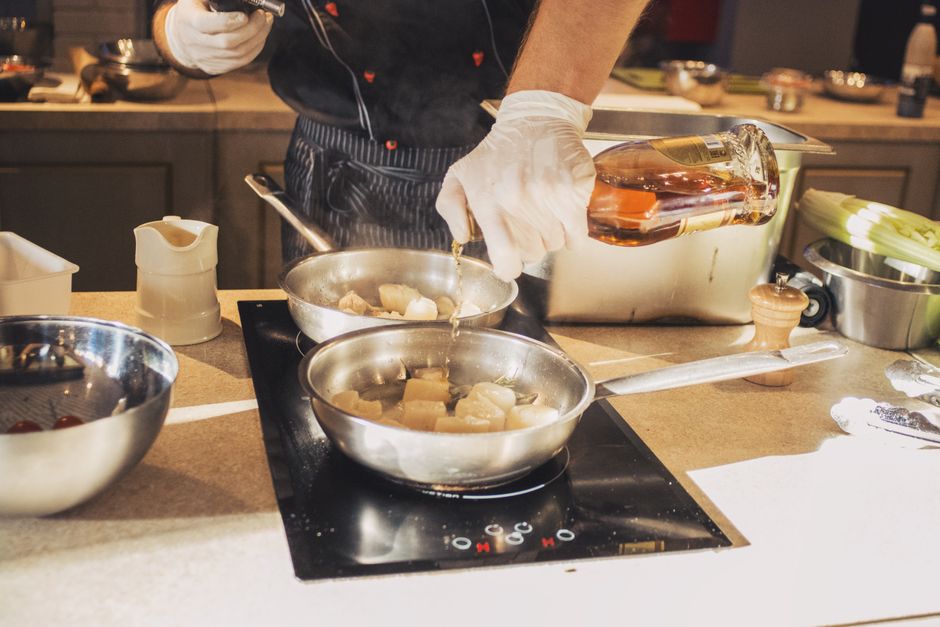
After cooking, use a liquid of your choice to deglaze the pan. The liquid not only lifts the fond but also helps reduce it to a concentrated flavor burst. Common choices include:
Always add your liquid gradually to avoid steaming the meat and to allow for proper deglazing.
Aromatics for Depth and Complexity
Adding aromatics to your pan sauce is where you can get creative! Sautéing shallots, garlic, or herbs adds layers of flavor, transforming your basic sauce into a signature dish.
Aim to balance these aromatics to achieve your desired taste, as too much can overpower the sauce and clash with your main protein.
Finishing Touches for Richness
To create the perfect finish, adding a touch of fat can enhance mouthfeel and flavor. Common finishing agents include:
These finishing touches create a sauce that clings beautifully to your protein, further marrying the elements on the plate.
Step-by-Step: The Five-Minute Pan Sauce Technique
Now let’s put theory into practice. Here’s a straightforward five-step approach to making a pan sauce, ensuring that you capture all the flavors of the had previously mentioned components.
1. Sear Your Protein
Begin by seasoning your protein generously with salt and pepper. Heat your skillet over medium-high heat, and add a bit of oil to the pan. Place the protein in the pan when the oil shimmers.
Cooking Times to Consider:
Cook until the protein is deeply browned and cooked to your desired level. Use a meat thermometer: 165°F for chicken, 145°F for pork, and 130°F for medium-rare steak.
2. Let it Rest
Once cooked, transfer your protein to a plate and allow it to rest for at least 5 minutes before slicing. This resting period allows juices to redistribute, resulting in a juicier final product.
3. Deglaze the Pan
With the pan still hot, add your chosen liquid—about ½ cup should do. Use a wooden spoon to scrape up the fond, incorporating it into the liquid. This process should only take about 2-3 minutes.
4. Add Aromatics and Reduce
Next, toss in your chosen aromatics. If you’re using shallots or garlic, let them cook for about 1-2 minutes until fragrant. At this stage, you’re also reducing the liquid to concentrate the flavors. Aim for a reduction of about half.
5. Finish with Butter or Cream
Once your pan sauce has reduced to a desirable consistency (it should coat the back of a spoon), remove it from the heat. Incorporate your finishing fat—add about 2 tablespoons of butter or a splash of cream—and whisk until fully emulsified.
Taste and adjust seasoning with salt and pepper. If desired, add fresh herbs, and then pour your delicious sauce over the rested protein before serving.
Pairing Proteins with Ideal Sauces
Now that you’ve mastered the basics of a pan sauce, let’s explore how to pair various proteins with their ideal sauce companions.
Chicken: The Versatile Star
Chicken, being a blank canvas, can play host to a variety of sauces. Here are a few ideas:
This protein can handle many flavor profiles, so get creative!
Pork: Bold and Sweet
Pork pairs beautifully with sweet and tangy sauces. Consider these options:
Beef: Rich and Robust
For beef, deepen the flavors with bolder ingredients:
Fish: Light and Bright
Fish sauces should remain light to complement the delicate flavors:
Vegetarian: Rich and Flavorful
Even vegetarian or plant-based dishes can benefit from a pan sauce:
Common Mistakes to Avoid
While making pan sauces can be easy, a few common pitfalls can hinder your results. Here are some mistakes to steer clear of:
Overcrowding the Pan
Searing multiple proteins at once might result in steaming instead of browning, preventing the formation of fond.
Tip: Cook in batches, allowing ample space around each piece.
Ignoring the Resting Time
Cutting into the protein immediately after cooking can lead to dry meals.
Tip: Always allow proteins to rest for a minimum of 5-10 minutes for best results.
Adding Liquid Too Quickly
Pouring in all the liquid at once can inhibit the proper deglazing of the pan, diluting the flavors.
Tip: Gradually add liquid to give the fond time to lift.
Skipping the Tasting Step
Failing to taste and adjust seasoning at the end can lead to a bland sauce or an overly salty one.
Tip: Before serving, always sample the sauce and adjust with salt, pepper, or additional herbs.
Advanced Techniques for Enhanced Flavor
Once you're comfortable with basic pan sauces, consider incorporating these advanced techniques to elevate your cooking game even further.
Incorporating Aromatic Infusions
Infusing oils with fresh herbs, garlic, or spices before you sear your protein can add an extra layer of flavor to both your dish and your sauce.
Emulsifying for Creaminess
For sauces that require a creamy texture without using heavy cream, consider emulsifying techniques. By rapidly whisking together oil and broth or another liquid, you create a thicker sauce that is light yet rich.
“Emulsification is the key to a luxurious texture in sauces, allowing for the rich flavors to coat your proteins beautifully.”
Layering Flavors with Stocks
Whenever possible, try making your own stock. Homemade stock simmered with bones and vegetables creates a rich base full of flavor, which makes all the difference in deglazing and enhancing your pan sauces.
Experimenting with Global Flavors
Don’t be afraid to explore global cuisines when creating your pan sauces. This experimentation can not only diversify your meals but also excite your palate.
Asian Flair
Use soy sauce, citrus, and sesame oil in your pan sauce to develop an Asian-inspired profile. After sautéing your protein, deglaze with rice vinegar and add a blend of garlic, ginger, and soy sauce. Finish with green onions and sesame seeds.
Mediterranean Twist
Incorporate olives, capers, and tomatoes for a Mediterranean flair. This can work beautifully with chicken or fish, creating standout flavors.
Latin Spice
Use citrus juices and fresh chilies to add fiery flavors to your sauces, perfect for grilled meats. A combination of lime juice, cilantro, and jalapeños gives a fresh kick that enhances any protein.
Conclusion
Perfecting pan sauces is not just a technique; it's a gateway into the world of flavors and culinary creativity. By understanding the science behind it and experimenting with components, you can easily elevate your home-cooked meals, impress your guests, and cultivate a deeper appreciation for the flavors on your plate.
Whether you're cooking a weeknight dinner or a special occasion meal, the skill of making a pan sauce will undoubtedly transform your approach to cooking. Embrace the five-minute technique and let your skills flourish as you create vibrant, exciting dishes that highlight the beauty of simple ingredients. Believe in the power of fond, embrace the adaptability of liquids, and breathe life into your culinary repertoire with every savory spoonful. Cooking is a journey—now's the time to take it to the next level!

Get the Next Recipe
Weekly recipes, techniques, and gear picks — straight to your inbox.
