Perfecting Pumpkin Bread: 7 Tips for Moist, Flavorful Loaves Every Time
Baking

Perfecting Pumpkin Bread: 7 Tips for Moist, Flavorful Loaves Every Time

C
By The Chef
|June 19, 2026|11 Min Read

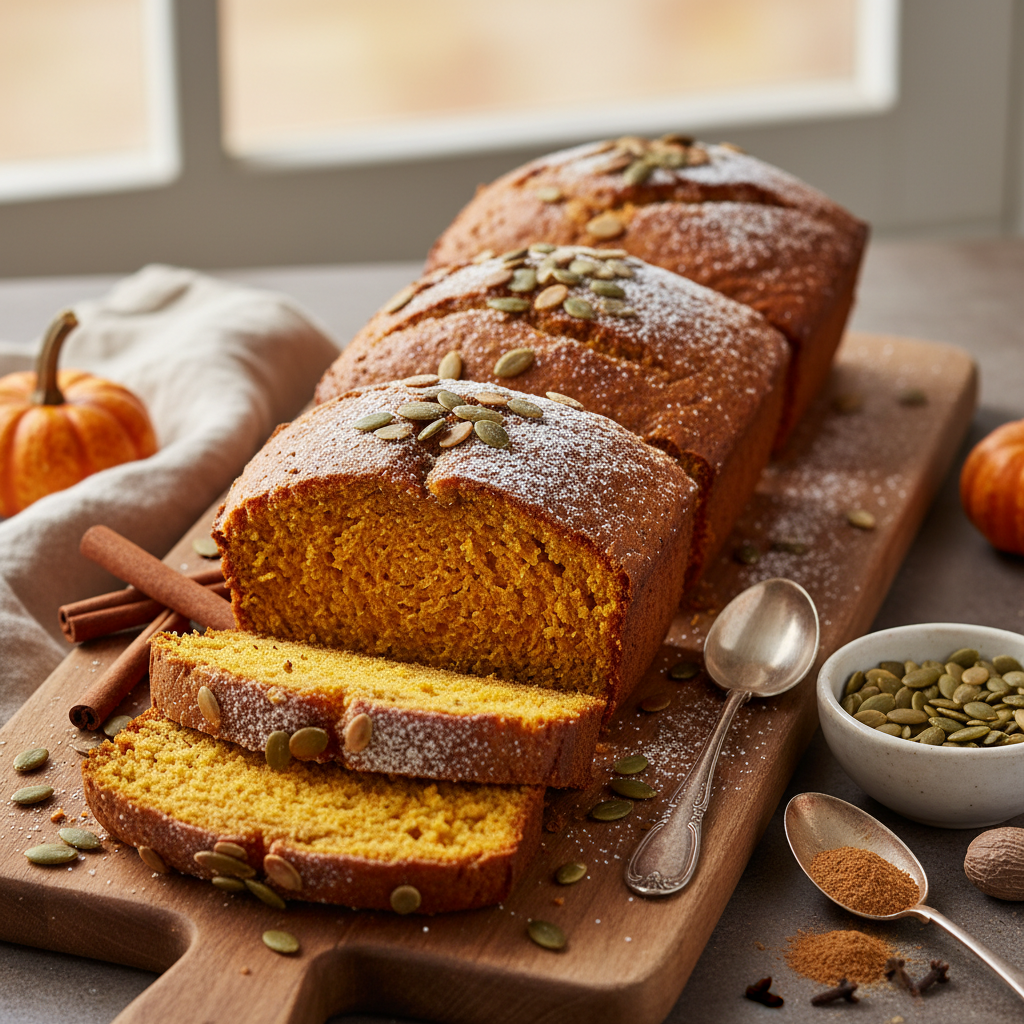
Pumpkin bread is a beloved staple of the autumn season, capturing the essence of cozy gatherings and the warmth of home baking. The rich, earthy flavor of pumpkin combined with a medley of spices creates an enchanting culinary delight that can transform any ordinary day into something special. Yet, perfecting the art of baking pumpkin bread can be a challenge for even the most experienced home bakers. The key to crafting moist, flavorful loaves lies in understanding ingredients, techniques, and a few essential tips that can elevate your baking game to a professional level.

When you bake pumpkin bread, you're not just following a recipe; you're engaging with the ingredients to develop a depth of flavor that reflects the season. The marriage of spice and pumpkin is the foundation of this scrumptious bread. Each bite should deliver a harmonious blend of sweetness, warmth, and moistness that lingers on the palate long after the last crumb has been enjoyed. Achieving this perfect balance doesn't have to be a frustrating endeavor—armed with knowledge and a few tried-and-true techniques, you can achieve a loaf of pumpkin bread that is the envy of your friends and family.

In this post, we will explore the essential techniques and tips you need to achieve the ultimate in pumpkin bread perfection. Whether you’re a novice looking to hone your baking skills or an experienced baker aiming to refine your technique, these insights will guide you toward creating a loaf that is undeniably delicious. From selecting the best ingredients to mastering the baking process, consider this your comprehensive guide to crafting moist, flavorful, and utterly delightful pumpkin bread.

Understanding Your Ingredients

To create the perfect pumpkin bread, one must start with a clear understanding of each ingredient's role. The foundation of any great baked good lies in the quality of its ingredients. Here’s a breakdown of the main components of pumpkin bread and how they contribute to the final product.

The Star of the Show: Pumpkin

First and foremost, the star ingredient is pumpkin itself. Whether you opt for canned pumpkin puree or fresh pumpkin, this ingredient imparts moisture and flavor crucial to the bread's success.

●Canned Pumpkin: This is often the go-to choice for convenience and consistent taste. Make sure to look for 100% pure pumpkin with no added spices or sugars. Canned pumpkin can easily be measured, mixed, and baked.
●Fresh Pumpkin: If you choose to use fresh pumpkin, select small sugar pumpkins or pie pumpkins, as they have a sweet, rich flavor. Bake, roast, or steam your pumpkin first, then puree it until smooth. Just remember that you’ll need to remove excess moisture, which can be done by straining the puree through a cheesecloth.

Flour Types and Ratios

Flour acts as the backbone of your pumpkin bread. The type of flour used can subtly change the texture and flavor profile.

●All-Purpose Flour: This is the most common choice due to its balanced protein content. It yields sturdy, yet soft bread.
●Whole Wheat Flour: For a healthier version, consider using whole wheat flour. It adds nuttiness and fiber but can result in a denser loaf. A mixture of half all-purpose and half whole wheat can strike a perfect balance.

Sweeteners: Refined vs. Natural

When it comes to sweetening your pumpkin bread, the choice of sweeteners can significantly affect the flavor and moisture content.

●Granulated Sugar: Provides a classic sweetness, but consider cutting down on the amount to allow the pumpkin flavor to shine through.
●Brown Sugar: Offers deeper caramel notes due to its molasses content. This can enhance the flavors of your bread and help maintain moisture.
●Natural Sweeteners: Maple syrup, honey, or coconut sugar can also be used. These alternatives add distinctive flavor profiles but can also affect the liquid ratio, so be cautious when substituting.

Eggs: Binding and Leavening

Eggs are crucial for binding and provide leavening to the bread. They add richness and moisture, but the quantity is important to ensure the correct consistency.

●Large Eggs: Most recipes call for large eggs. These produce the best results as they provide the right amount of liquid and stability.
●Egg Substitutes: For those avoiding eggs, consider using a flaxseed meal (1 tablespoon of ground flaxseed mixed with 2.5 tablespoons of water as a substitute for one egg) or unsweetened applesauce (1/4 cup for one egg).

Spices and Flavor Enhancements

The flavor of pumpkin bread typically revolves around warm spices. Cinnamon, nutmeg, ginger, and cloves are traditional favorites, but feel free to experiment.

●Cinnamon: Provides warmth and a comforting aroma.
●Nutmeg: Just a hint can elevate the baking profile and add a unique kick.
●Cloves and Ginger: These spices bring vibrancy and depth.

You can also think about other flavor enhancers like vanilla extract, citrus zest (from oranges or lemons), or even chocolate chips for a modern twist.

Mastering the Technique

Once you have a grip on your ingredients, it's time to delve into the techniques that will guarantee your pumpkin bread turns out perfectly every time.

Mixing the Batter Correctly

The method of mixing the batter can greatly impact the final texture of your loaf. Overmixing can lead to dense bread, while undermixing may lead to uneven consistency.

1.Wet Ingredients First: Start by mixing your wet ingredients (pumpkin puree, eggs, oil, and any liquid sweeteners) until smooth. This is where you infuse flavors from spices and vanilla.
2.Combine Dry Ingredients Separately: In a separate bowl, whisk together your dry ingredients (flour, sugar, baking soda, salt, spices). This ensures even distribution of leavening agents and spices.
3.Combine Gently: When bringing the wet and dry ingredients together, use a spatula or wooden spoon and mix just until combined. Small lumps are fine; they will bake out.

The Perfect Baking Dish

Choosing the right baking dish can also affect cooking time and moisture retention.

●Metal vs. Glass: Metal pans heat up quickly and can yield a nicely browned crust. Glass allows for better moisture retention but can also lead to a slightly longer baking time (add up to 10 minutes).
●Size Considerations: A 9x5-inch loaf pan is standard, but if you want taller loaves, consider using an 8x4-inch pan. If using a smaller pan, be vigilant about baking time.

Temperature Control

The ideal baking temperature for pumpkin bread is typically set between 350°F (175°C) and 375°F (190°C).

●Preheating the Oven: Always preheat your oven to ensure an even bake. This helps the bread rise correctly from the start.
●Rotate Halfway: For an even bake, remember to rotate your pan halfway through the baking process. This is especially important in ovens that have hot spots.

Using Tools Wisely

To ensure success in your baking project, consider using the following tools:

●Kitchen Scale: For precise ingredient measurements.
●Spatula and Mixing Bowls: A reliable spatula helps to incorporate ingredients without over-mixing.
●Toothpick Test: Towards the end of the baking time, check if the bread is done by inserting a toothpick into the center. If it comes out clean or with a few moist crumbs, your bread is ready.

Perfecting the Moisture Factor

Achieving moist pumpkin bread can be an art form in itself. Here are the essential steps to ensure your bread remains perfectly moist without becoming soggy.

Balancing Eggs and Liquid

When it comes to achieving moisture without making your pumpkin bread too wet, balancing the quantity of eggs and other liquid ingredients is essential.

●Eggs: Make sure you’re using the right number of eggs. As mentioned, usually two large eggs do the trick.
●Add Liquid Wisely: If your pumpkin puree tends to be watery, reduce the amount of oil or liquid sweeteners you use. Alternatively, if you’re using drier homemade pumpkin puree, consider increasing your oil or adding an extra egg.

Texture Choices

●Oil vs. Butter: While butter offers a rich flavor, using oil generally results in a moister bread. A blend of both can provide the best of both worlds.
●Sour Cream or Yogurt: Adding a source of acidity like sour cream or Greek yogurt can dramatically increase moisture. Substitute about 1/2 cup of these ingredients for an equal amount of flour or oil.

Storage Techniques

Even after your bread is perfectly baked, how you store it matters significantly.

●Cooling: Let your bread cool in the pan for about 10 minutes before transferring it to a wire rack. This helps to avoid steam building up and creating a soggy crust.
●Wrapping: To maintain moisture in the long run, wrap your loaves tightly in plastic wrap or aluminum foil once cooled. For longer storage or freezing, consider slicing the bread and wrapping individual slices.

Creative Variations on Classic Pumpkin Bread

Once you've mastered the classic pumpkin bread recipe, it can be exciting to venture into creative territory. Here are some variations that you can experiment with, enriching your pumpkin bread adventures.

Nutty Additions

Incorporating nuts not only adds flavor but also a delightful crunch. Consider:

●Walnuts: A classic addition that adds protein and healthy fats.
●Pecans: Sweet and buttery, pecans enhance the overall flavor profile.
●Pumpkin Seeds: Known as pepitas, pumpkin seeds add a nutritional punch and delightful texture.

Fruity Flavors

Adding fruits can elevate your loaf even further.

●Dried Cranberries or Raisins: These add a chewy sweetness that contrasts nicely with the spices.
●Fresh Apple or Pear: Adding finely diced fruit can introduce moisture and add an interesting taste dimension to your pumpkin bread.

Chocolate Love

If you want to take a sweeter route, chocolate chips could become your new favorite addition.

1.Semi-sweet Chips: These provide a nice contrast against the earthy pumpkin flavor.
2.Dark Chocolate: For a more sophisticated taste, try dark chocolate chips.
3.White Chocolate: Sweet and creamy, white chocolate pairs beautifully with pumpkin.

Tips and Tricks from Professional Bakers

While personal experience is invaluable when it comes to refining your baking skills, pro tips can provide those extra special touches that make all the difference.

Use a Thermometer

The professionals will tell you one of the best investments you can make is a digital instant-read thermometer.

●Temperature Check: The ideal internal temperature for pumpkin bread is approximately 200°F (93°C) when fully baked. This ensures that your bread is cooked through without being overdone.

No Crowding in the Oven

When baking multiple loaves at once, make sure not to crowd your oven.

●Baking Multiple Pans: If spaces overlap or are too close together, you risk uneven baking. If using multiple pans, consider rotating positions during baking.

Don’t Rush the Cooling

Allowing your bread to cool properly ensures you maintain the best flavor and moisture.

●Cooling Time: After cooling in the pan for ten minutes, allow the bread to cool completely on a wire rack before slicing. If you slice too early, it may become gummy.

Conclusion

Pumpkin bread is more than just a recipe; it’s an opportunity to create something deeply satisfying and richly flavored—echoing the sentiments of the season. With the tips and techniques shared here, from selecting ingredients to perfecting baking methods, your understanding of how to perfectly craft a moist, flavorful loaf should leave you well-equipped on your baking journey.

Baking pumpkin bread can be an incredibly rewarding experience, whether you're baking for yourself, family, or friends. Embrace the warmth of the pumpkin and spices, and enjoy the rich, aromatic experience of transforming simple ingredients into something extraordinary. Remember, every loaf is a step toward mastering this art form. Don’t be afraid to experiment and find what works best for you, because in the kitchen, there’s always space for personal touch and creativity. So preheat your oven, gather your ingredients, and let the magic of pumpkin bread inspire you to bake soon!

With practice and knowledge, you not only create delicious bread, but you also build memories to share—after all, it’s in sharing our creations that we truly savor the joy of cooking.

Total words: 2,046
🧰 Gear for this recipe
Tools our chefs reach for when cooking this
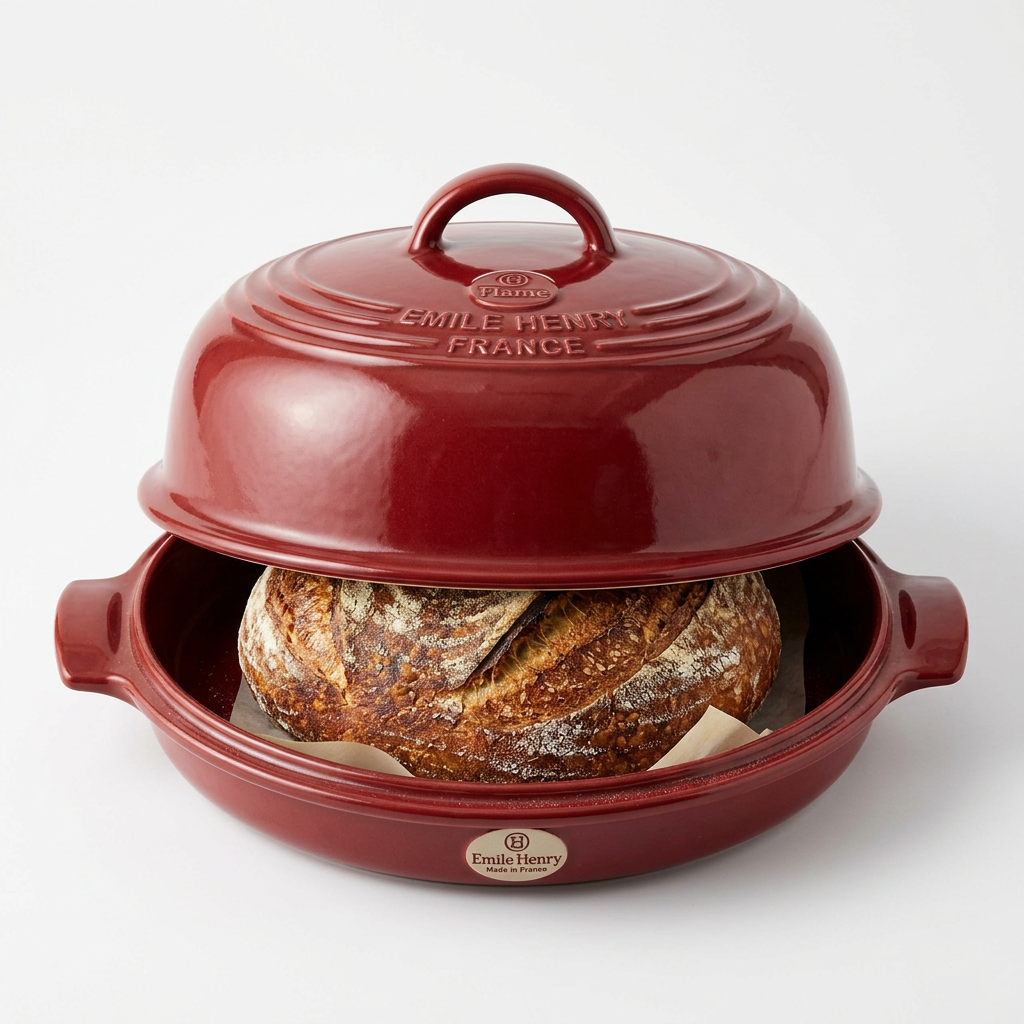
Emile Henry Bread Cloche
Baking
Emile Henry Bread Cloche
★★★★★4.6
$80-$110
View on Amazon
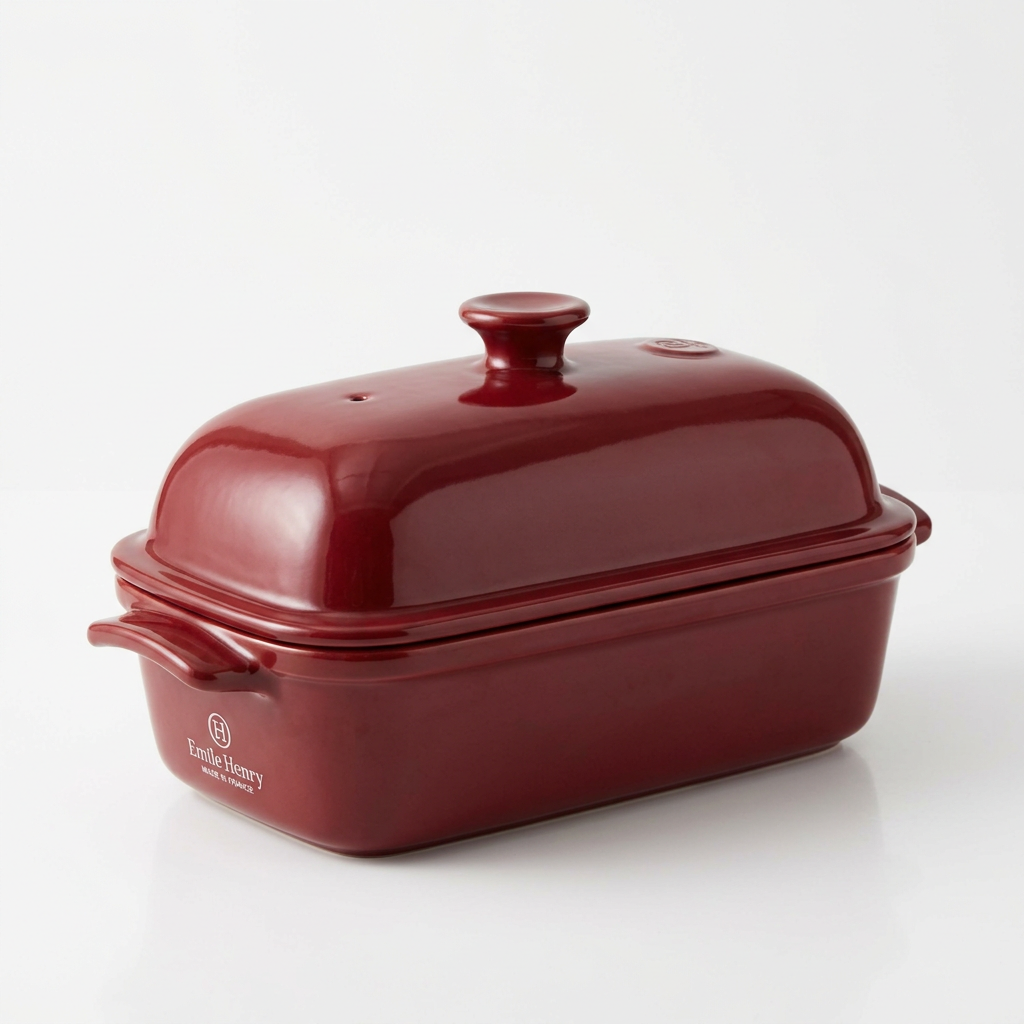
Emile Henry Bread Loaf Baker
Baking
Emile Henry Bread Loaf Baker
★★★★★4.6
$70-$100
View on Amazon
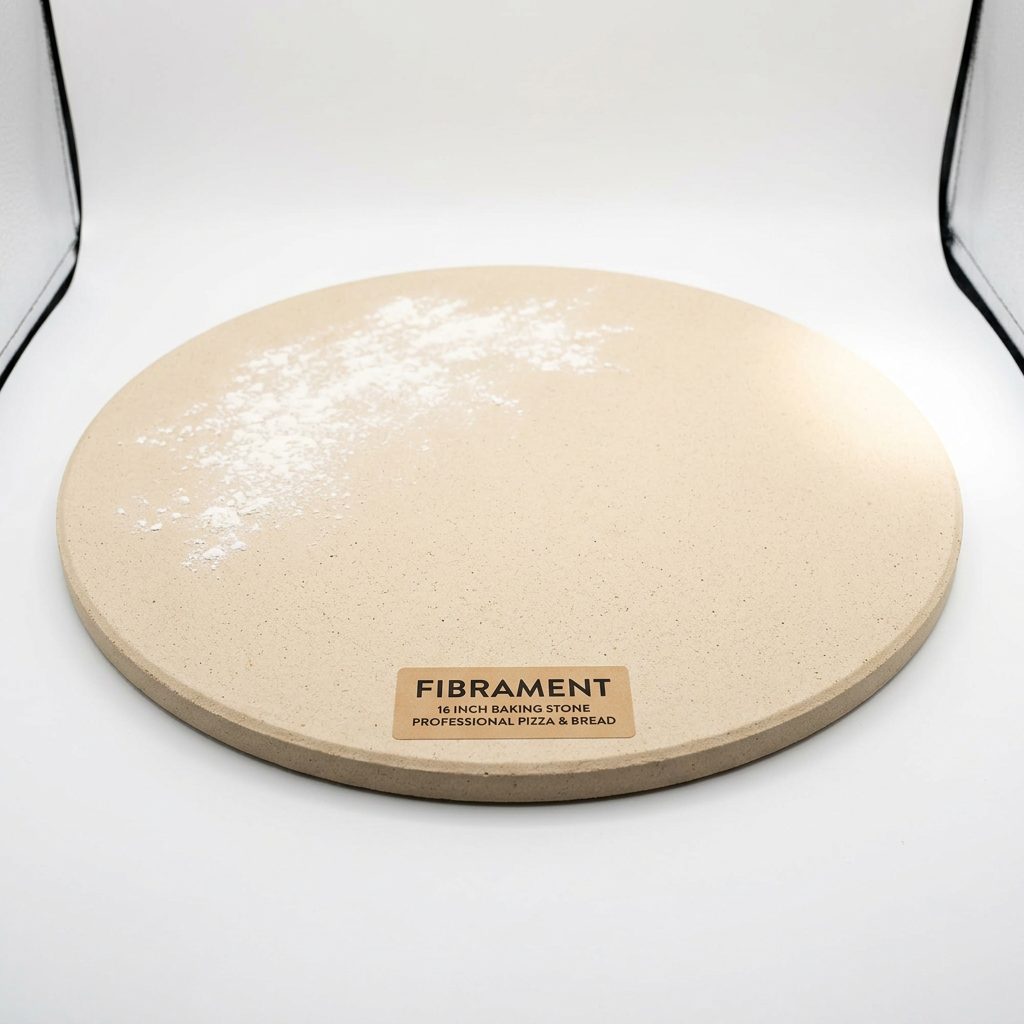
Baking Stone Fibrament 16 inch
Baking
Baking Stone Fibrament 16 inch
★★★★★4.7
$60-$80
View on Amazon
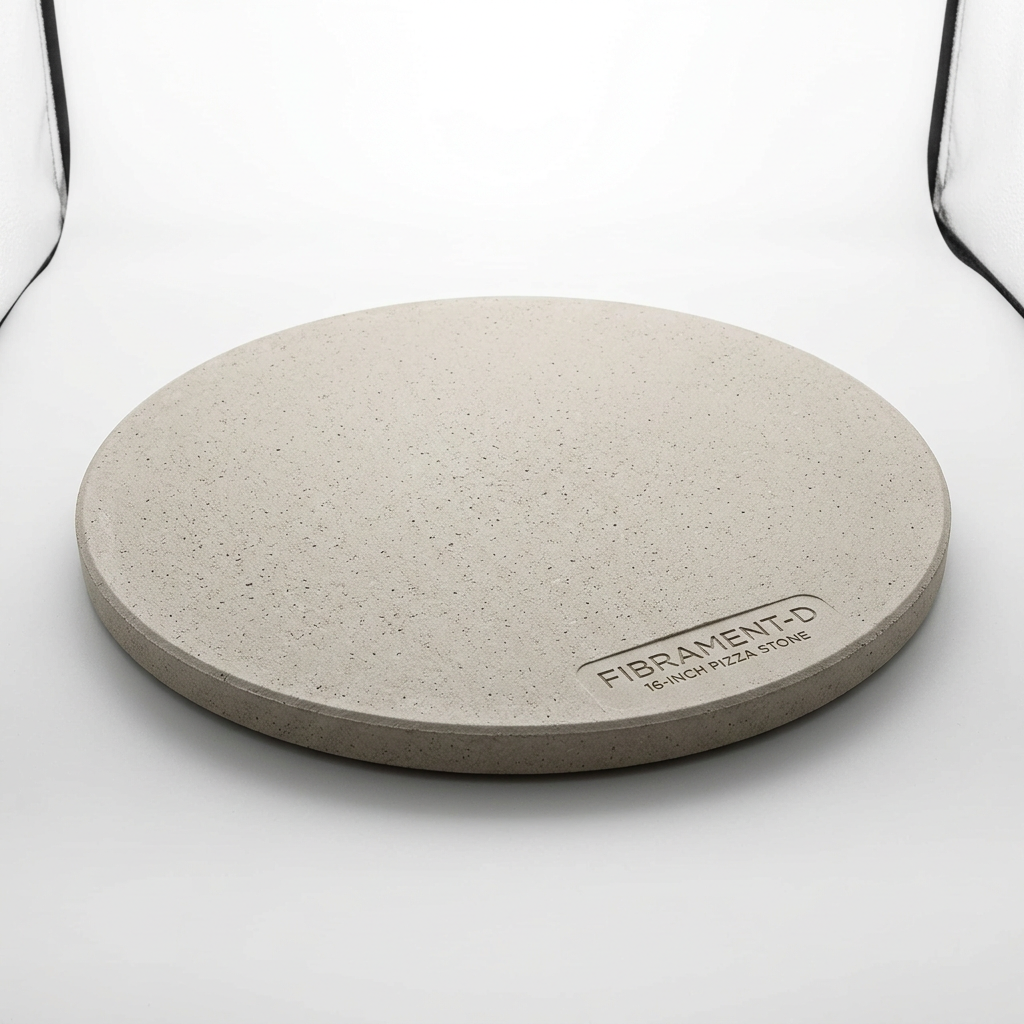
Fibrament-D Baking Stone 16-inch
Baking
Fibrament-D Baking Stone 16-inch
★★★★★4.7
$60-$80
View on Amazon

As an Amazon Associate we earn from qualifying purchases.

🍳

Get the Next Recipe

Weekly recipes, techniques, and gear picks — straight to your inbox.

No spam, ever. Unsubscribe anytime.

YesChef - Learn from the world's best chefs
© 2026 Blame The Chef
🍳

Never Miss a Recipe

Weekly recipes, kitchen tips, and gadget picks — straight to your inbox.

No spam, ever. Unsubscribe anytime.