
Perfecting the Art of Sous Vide Cooking: Temperature Control Unlocked
Sous vide cooking has been a game-changer in the culinary world, captivating chefs and home cooks alike with its promise of perfectly cooked food every time. The magic lies in its ability to maintain precise temperature control, ensuring that your ingredients are cooked evenly without the risk of overcooking. For those who are new to sous vide, the concept can seem daunting at first, but with a little bit of guidance and a few essential tools, you can master this technique in no time. Whether you’re delicate with proteins, such as fish or chicken, or bold with vegetables and even desserts, sous vide offers a whole new realm of possibilities in the kitchen.
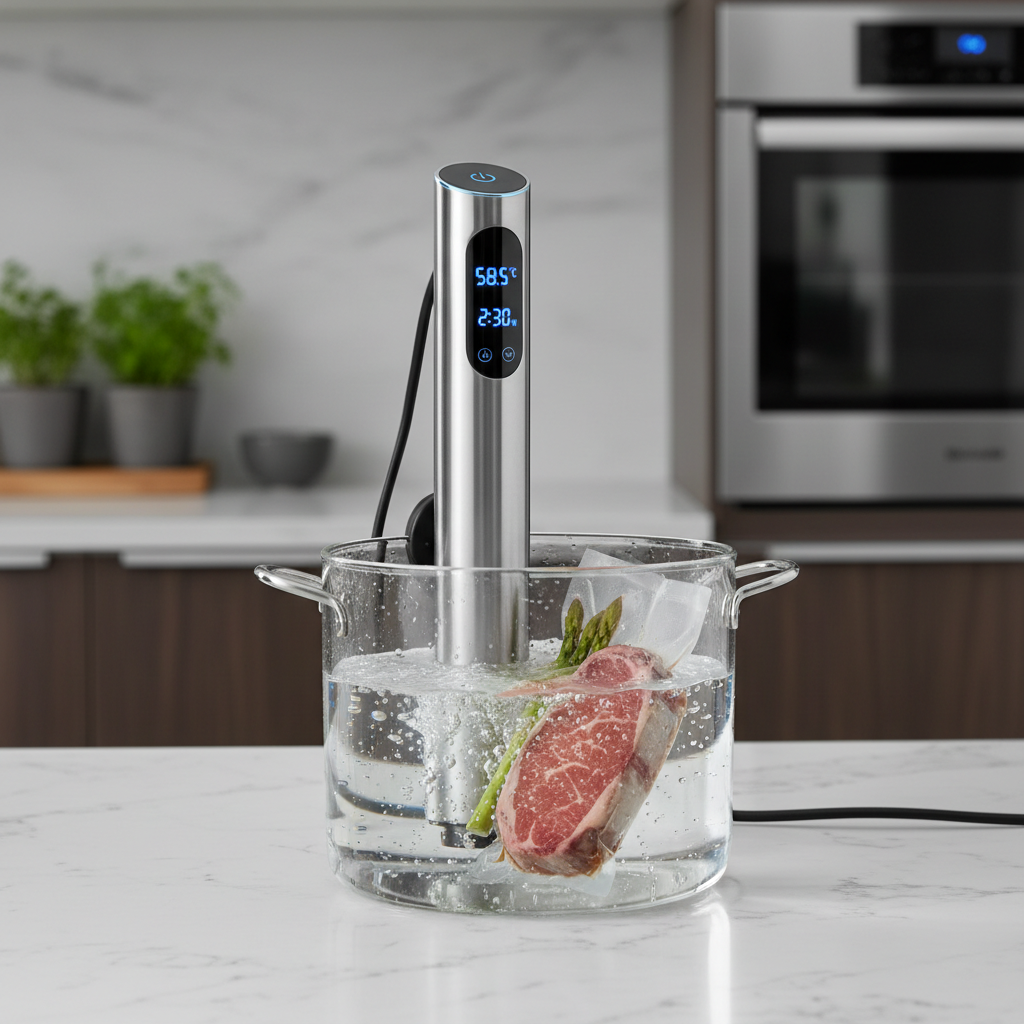
The fundamental principle behind sous vide is simple yet revolutionary: cooking food in a vacuum-sealed bag submerged in a precisely heated water bath. By keeping the temperature steady throughout the cooking process, you can achieve results that are simply unattainable with traditional cooking methods. This technique allows for flavors to deepen and meld together without the interference of excess air or high heat. Items cook thoroughly and uniformly, maintaining their moisture and preventing loss of texture and nutrients—attributes often compromised in higher temperature cooking. With sous vide, it's as if Mother Nature herself cooked your meal, offering a balance of ease and sophistication.
As we delve into the world of sous vide, you'll find that temperature control is the key component to its success. From determining the ideal cooking range for your preferred doneness to knowing how long to cook various ingredients, mastering these elements will elevate your culinary skills. Join me as we explore not just the hows, but also the whys of sous vide cooking, arming you with all the knowledge you need to elevate your home cooking to a new level.
Understanding Sous Vide Cooking
Sous vide, which translates to “under vacuum,” requires a different mindset than traditional cooking. To excel in this technique, it’s essential to understand the underlying principles of heat transfer and temperature equilibrium. When you cook using sous vide, you are immersing your ingredients in water that is heated to a specific temperature—this means that rather than gradually increasing the heat, you maintain a constant temperature throughout the cooking process. The result? Foods retain their unique qualities while cooking evenly from edge to edge.
The Science Behind Temperature Control
When you cook food, you are essentially altering its chemistry; the heat causes proteins in meat to denature, fats to render, and starches to gelatinize. With sous vide, the goal is to achieve the desired doneness precisely and consistently. Key to this is understanding the Maillard reaction, which occurs at temperatures above 285°F (140°C), contributing to the appealing browning and flavor development in meats. However, since sous vide often cooks at lower temperatures, separate searing processes are usually necessary after sous vide to achieve that coveted crust.
- Rare: 120°F (49°C) – 130°F (54°C)
- Medium Rare: 130°F (54°C) – 140°F (60°C)
- Medium: 140°F (60°C) – 150°F (66°C)
- Medium Well: 150°F (66°C) – 160°F (71°C)
- Well Done: 160°F (71°C) and above
Mastering temperature control allows you to unlock perfect textures and flavors, providing confidence going beyond standard recipes and customizing your meals to your taste.
Equipment Needed for Sous Vide Cooking
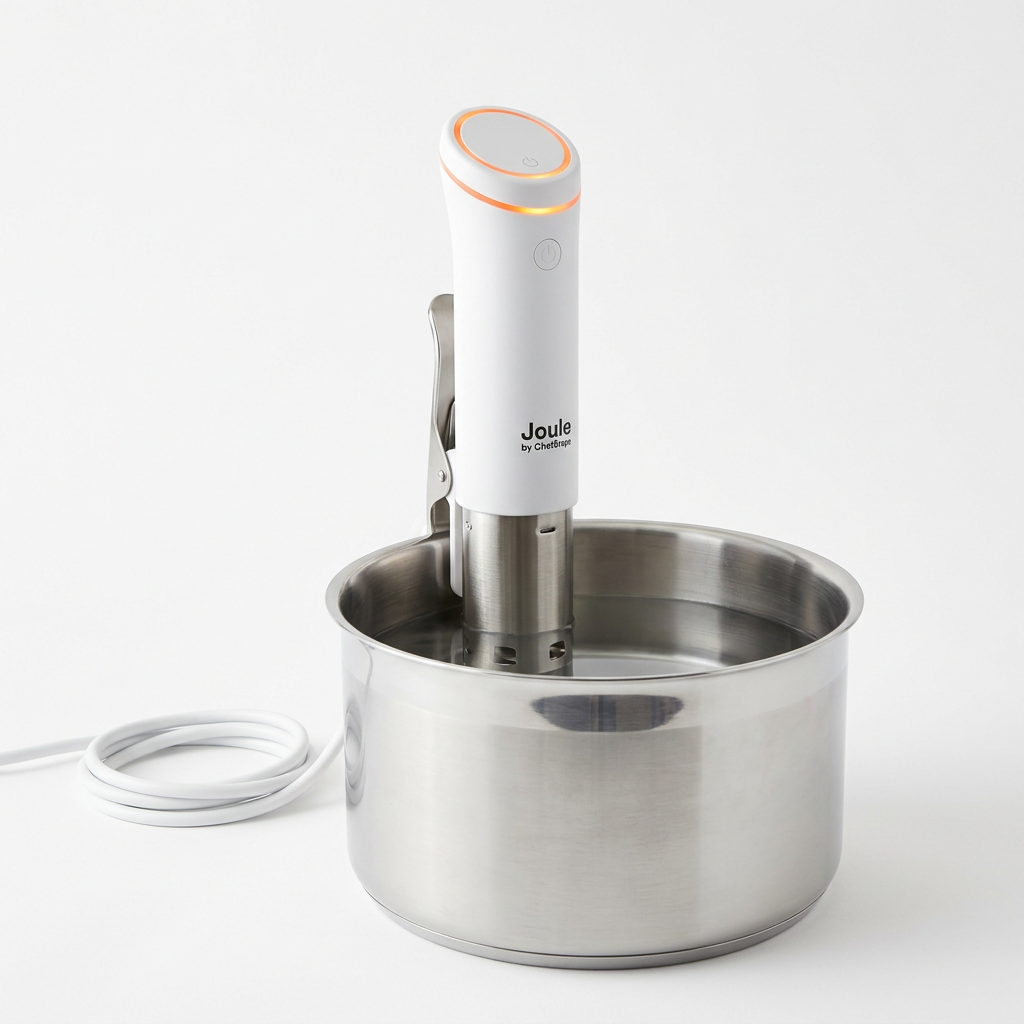
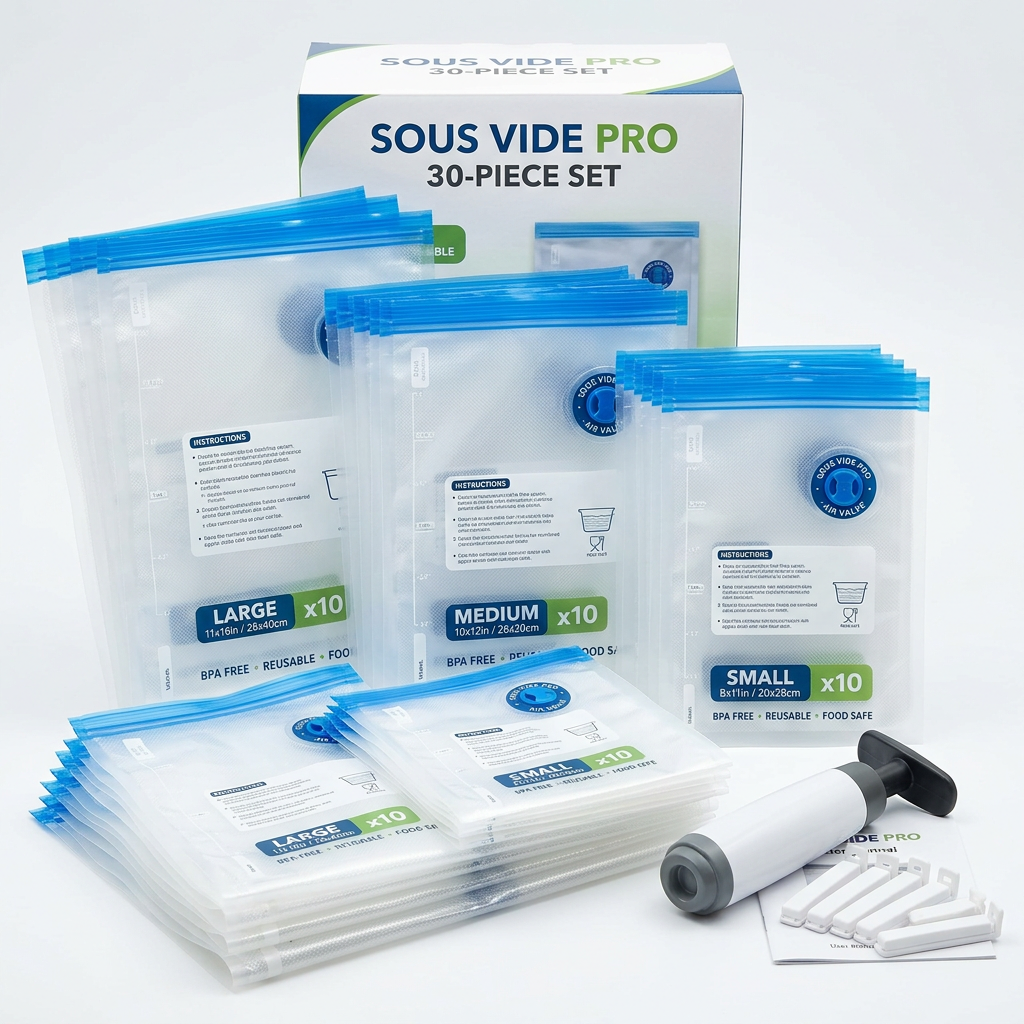
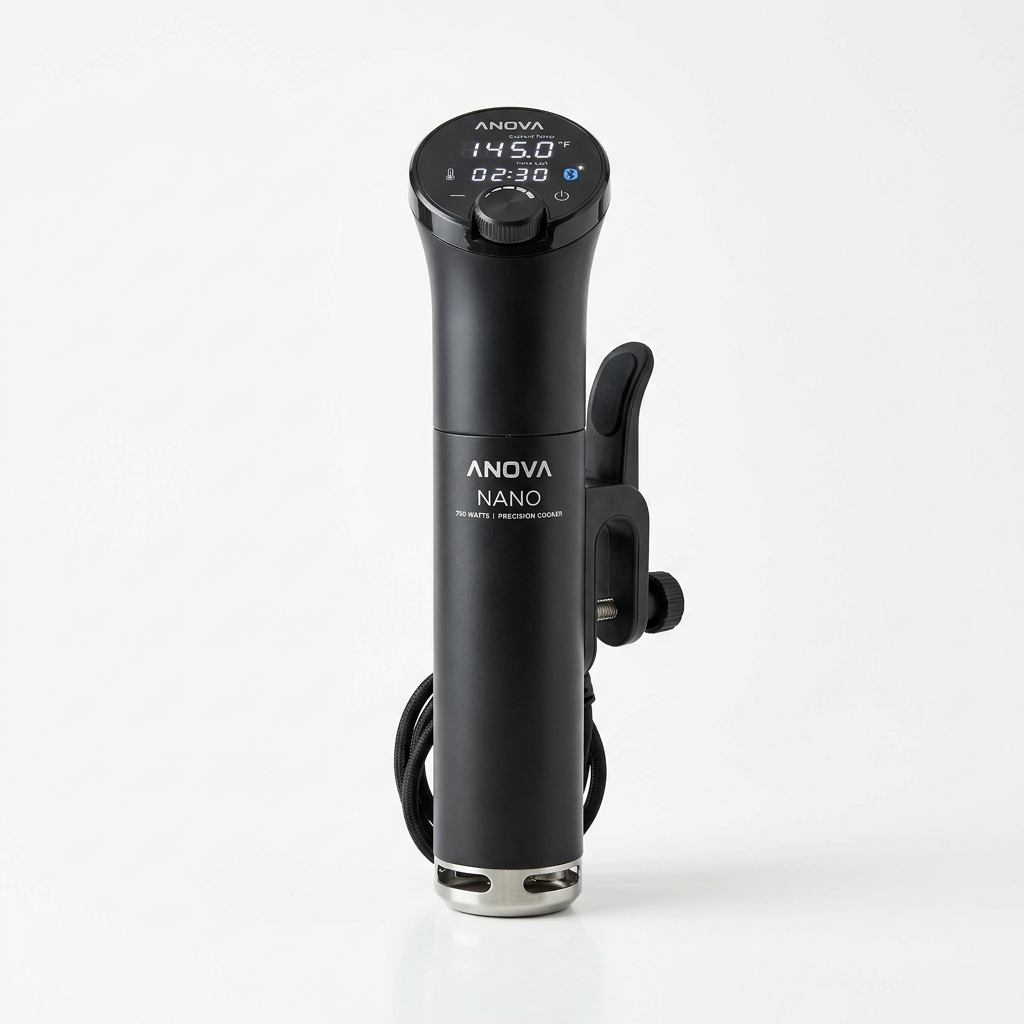
To embark on your sous vide journey, a few essential pieces of equipment will help make your cooking experience smoother and more efficient. Here’s a list of what you’ll need to get started:
With this equipment in place, you're well on your way to exploring the wonders of sous vide cooking.
Preparing Your Ingredients
The magic of sous vide begins with proper ingredient selection and preparation. While sous vide can yield excellent results with most foods, some ingredients shine brightly when handled correctly. Understanding the nuances of how to prepare your proteins, vegetables, and even desserts will unlock an array of culinary possibilities.
Selecting Proteins
When choosing proteins, look for quality cuts that can benefit from slow cooking. Here are a few of our favorites:
Preparing Vegetables
Sous vide vegetables retain vibrant colors and nutrients that can be lost through other cooking methods. Some popular vegetables to try sous vide include:
For all vegetables, consider seasoning with herbs, salt, or vinegar before sealing them in bags, allowing those flavors to deeply penetrate as they cook.
Seasoning Your Ingredients
One of the key advantages of sous vide cooking is the flavorful infusion of seasonings. When ingredients are vacuum-sealed, the flavors intensify, thanks to the concerted pressure and moisture retention. Here’s how to season:
Be mindful of the amount you use, as flavors can concentrate during the sous vide process.
Setting Up the Sous Vide Bath
Once your ingredients are prepped and seasoned, it’s time to set up your sous vide bath. Proper setup is crucial for consistent results.
Filling the Container
Start with a pot or sous vide container filled with water. The amount of water you need often depends on the size of the food being cooked, but aim to ensure that there’s enough water to completely submerge your vacuum-sealed bags.
Adjusting Temperature and Timing
Using your immersion circulator, set your desired cooking temperature. Refer back to the temperature chart mentioned earlier to ensure you hit the right zone for your chosen ingredients. Once set, monitor the water temperature until it reaches your specified degree. This usually takes a few minutes, depending on the volume of water.
Submerging and Cooking
Once the water bath is ready and your bags are sealed, it’s time to submerge them. Gently place your bags into the water, ensuring that they do not float to the surface. If they do, use a heavy object or a sous vide weight to keep them submerged. Close the lid of the container (if applicable) and let the cooking process begin.
- For tender cuts like chicken breast and fish, 1 to 2 hours is often sufficient.
- For tougher cuts such as brisket or chuck, consider cooking for 24 hours or more for ultimate tenderness.
You can also experiment with longer cook times for more complex flavors. One of the beautiful aspects of sous vide cuisine is that it offers a forgiving window—you can often leave items cooking slightly longer without worry.
Finishing Dishes with Searing
After removing your ingredients from the sous vide bath, they might look a bit underwhelming. While sous vide provides perfect cooking results on the inside, a quick sear can added browning and enhance flavor through the Maillard reaction.
The Searing Process
Follow these steps to obtain a delicious crust on your sous vide meat or vegetables:
For an additional layer of flavor, consider adding herbs, garlic, or butter to the pan while searing, allowing them to infuse into your dish.
Alternative Finishing Techniques
If you’re eager to explore other finishing methods, consider:
Creative Sous Vide Recipes
Now that you understand the basics, let’s dive into some inspirational sous vide recipes that showcase the versatility of this technique.
Sous Vide Ribeye Steak
Ribeye steak is one of the most favored cuts for sous vide cooking due to its marbling. Here’s how to prepare it:
Ingredients:
Instructions:
Sous Vide Carrots with Ginger
These tender, flavorful carrots are a perfect side dish to complement any meal.
Ingredients:
Instructions:
Troubleshooting Common Sous Vide Mistakes
Even experienced cooks encounter hiccups in sous vide cooking. Addressing common mistakes can help prevent undesired outcomes. Here are some potential issues to watch for:
Issues with Moisture Loss
Sometimes, you may find that your food comes out a bit drier than expected. This can often occur due to:
Floating Bags
Floating bags are problematic, as they won’t cook evenly. To remedy this:
Uneven Cooking
While sous vide is generally forgiving, there are times when uneven cooking occurs. Common causes include:
Final Thoughts
Sous vide cooking is undoubtedly a transformative technique that gives home cooks the power to achieve restaurant-quality dishes with ease. By mastering temperature control and understanding the science behind this cooking method, you’ll unlock a world of flavor, tenderness, and creativity. Remember that the journey into sous vide is paved with experimentation—there’s always room for personal touches and adjustments based on your preferences.
As you refine your skills, don’t hesitate to explore beyond proteins and vegetables; dive into making sous vide desserts like panna cotta or infused oils as well. The key is patience, exploration, and the willingness to learn. So prepare your immersion circulator and ready your kitchen—wonderful creations await.
"Sous vide is not just a cooking method; it’s a pathway to the artistry of flavor—embrace it, and unlock your culinary potential."
With your newfound knowledge, cooking sous vide will not only enhance your skills but also inspire confidence in the kitchen. Enjoy the process, and let your food do the talking as you become the chef you’ve always aspired to be.
Word Count: 2,174
Get the Next Recipe
Weekly recipes, techniques, and gear picks — straight to your inbox.
