Persian Saffron: The World's Most Precious Spice and How to Cook With It
To step into the world of Persian saffron is to step into a lineage of culinary history that stretches back over three millennia. Often referred to as "red gold," this singular ingredient is the dried stigma of the Crocus sativus flower, a delicate botanical marvel that requires immense labor to harvest. Unlike most spices that can be mass-produced, saffron is a testament to patience, as each individual flower must be hand-picked in the cool hours of the early morning before the sun can degrade its volatile aromatic compounds. For the home cook, understanding saffron is less about following a rigid recipe and more about respecting the fragile, potent essence that a mere pinch can impart to a dish.
The allure of saffron lies not just in its vibrant color, but in its complex, hay-like, honeyed fragrance that elevates everything from savory stews to delicate pastries. Because it is the most expensive spice in the world by weight, many novice cooks are intimidated by the prospect of using it in their home kitchens. However, when treated with the correct technique—specifically the process of blooming—it becomes a high-yield ingredient that can transform a simple bowl of rice into a regal centerpiece. Whether you are sourcing your threads from a local boutique spice merchant or an international grocer, learning the nuances of handling this spice will fundamentally shift your culinary perspective.
In this deep dive, we will explore the geography, the science, and the art of cooking with Persian saffron. We will look beyond the simple addition of threads to a pot and investigate how to extract the maximum potency through precise liquid infusions and temperature control. You will learn why the quality of your base ingredients, specifically your choice of stock or water, matters as much as the saffron itself. Prepare to move past the apprehension of its price tag and begin to view saffron as an essential, transformative tool in your pantry that rewards the curious and the careful cook with unparalleled depth of flavor.
The Origins and Botany of Red Gold
The cultivation of the Crocus sativus is a practice that relies on geography as much as it does on tradition. The high plateaus of Iran provide the perfect arid climate and soil composition, which is why Persian saffron remains the gold standard for chefs globally. The flowers bloom for a fleeting window of just a few weeks in autumn, necessitating a frantic, precision-based harvest. Because the stigmas are so delicate, the work must be done by hand, often by skilled artisans who ensure that the thread remains intact, as broken threads lose their potency far more quickly.
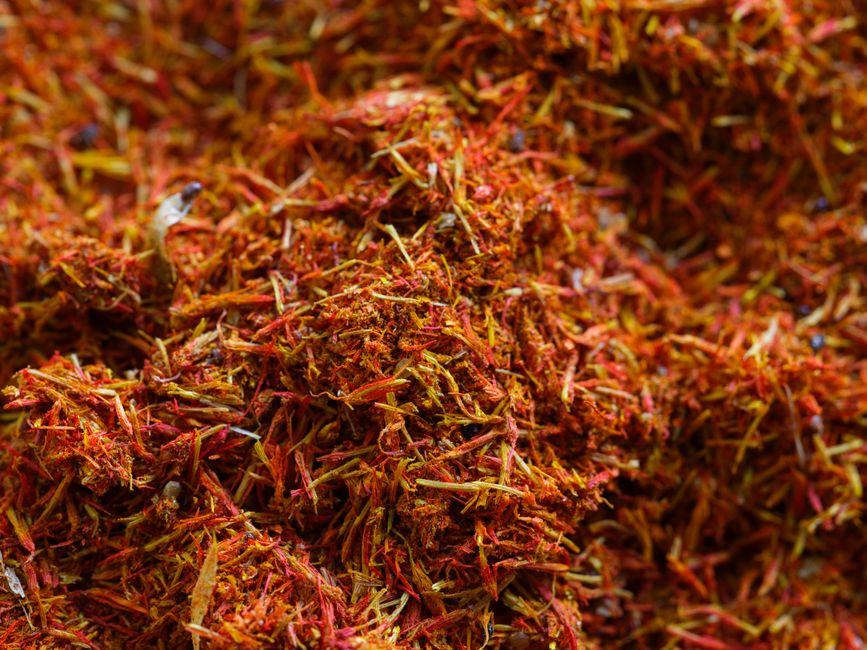
When you purchase saffron, you are buying a product of extreme scarcity. It takes roughly 75,000 blossoms to produce just one pound of dried saffron threads. This labor-intensive process is why the spice is sold in such small quantities, and why you should be wary of any "bargain" pricing, which often indicates adulteration with dyed corn silk or safflower. When shopping, look for deep, dark crimson threads with a slight orange tip; the presence of yellow or white styles (the interior part of the flower) indicates a lower-quality product that has been included simply to add weight.
The Anatomy of the Stigma
To understand the spice, one must recognize the three distinct parts of the saffron thread: the stigma, the style, and the petal. The stigma is the part that holds the crocin (the pigment) and safranal (the aroma). It is essential that you store your threads in an airtight, light-proof container kept in a cool, dark place. Light is the enemy of saffron, as it causes the compounds to break down rapidly. If kept properly, a high-quality jar of Persian saffron can retain its aromatic integrity for up to two years, though it will naturally lose some intensity over time.
"True Persian saffron is not just an ingredient; it is a fragrant narrative of the landscape from which it is plucked. When you bloom it, you aren't just releasing color; you are releasing a thousand years of agricultural devotion."
The Science of Blooming Saffron
The most common mistake home cooks make is tossing dry threads directly into a simmering dish, hoping for the best. Saffron requires a medium to release its oils and pigments. This process, known as blooming, is the secret to getting the most value out of your purchase. By hydrating the threads in a warm liquid, you ensure that the flavor and color are evenly distributed throughout your dish, preventing the "hot spots" of intense bitterness that can occur if a whole thread is bitten into.
Techniques for Extraction
To properly bloom your saffron, start by crushing the threads gently with a mortar and pestle until they are reduced to a fine powder. This increases the surface area significantly. Next, add a small amount of warm (not boiling) water, milk, or broth. The ideal temperature is between 140°F and 160°F. If the liquid is too hot, you risk destroying the delicate essential oils; if it is too cold, the extraction will take far too long. Let this mixture steep for at least 15 to 20 minutes. You will know it is ready when the liquid has transformed into a brilliant, deep amber-orange.
Saffron in Rice: The Persian Classic
In Persian cuisine, the pinnacle of saffron usage is Chelow, a steamed saffron-infused rice that features a golden, crispy crust known as tahdig. The process of making a perfect tahdig requires patience and a gentle hand. The rice must be parboiled until al dente, then layered with the saffron infusion. The bottom of the pot is usually lined with a starch—either thin slices of potato, yogurt-marinated rice, or flatbread—to create that coveted, crunchy texture.
When working with rice, the saffron infusion should be added to the rice after it has been parboiled and drained. Many chefs prefer to mix a portion of the parboiled rice with the saffron-water infusion separately to create a vibrant yellow "jewel-toned" rice that is then folded back into the white rice before steaming. This visual contrast is a hallmark of high-end Persian cooking and demonstrates a level of detail that elevates the presentation significantly.
Mastering the Tahdig
The secret to a perfect tahdig is heat control. Once the rice is layered, wrap your pot lid in a clean kitchen towel to absorb excess steam, which prevents the rice from becoming soggy. Cook on medium-low for about 45 to 60 minutes. The moisture in the rice will steam the top layers, while the bottom will undergo the Maillard reaction, turning golden and crispy. If you rush this step with high heat, you will end up with burnt, bitter rice rather than the nutty, aromatic crust that saffron is meant to complement.
"The golden crust of a perfectly executed tahdig is the culinary equivalent of an Olympic gold medal. It requires the confidence to leave the pot alone and the intuition to know exactly when the aroma of toasted rice signals perfection."
Balancing Flavors: Saffron and Aromatics
Saffron has a unique flavor profile that sits somewhere between floral honey and metallic hay. Because of this, it pairs exceptionally well with ingredients that have their own strong aromatic profiles. In Persian cooking, you will often find it paired with rosewater, cardamom, and dried limes. These ingredients work to round out the sharp, medicinal edge that raw saffron can sometimes exhibit, creating a more complex, harmonic flavor profile.
Pairing with Proteins and Vegetables
When using saffron with protein, such as chicken or lamb, it is best to use it as a finishing touch. Because the flavor of saffron is so volatile, prolonged high-heat cooking can mute its complexity. If you are making a stew, add your bloomed saffron infusion in the final 10 minutes of cooking. This keeps the floral notes bright and preserves the vibrant yellow color. Vegetables like cauliflower and carrots also benefit significantly from a saffron-infused butter glaze. The sweetness of the vegetables acts as a perfect backdrop for the savory, honeyed notes of the spice.
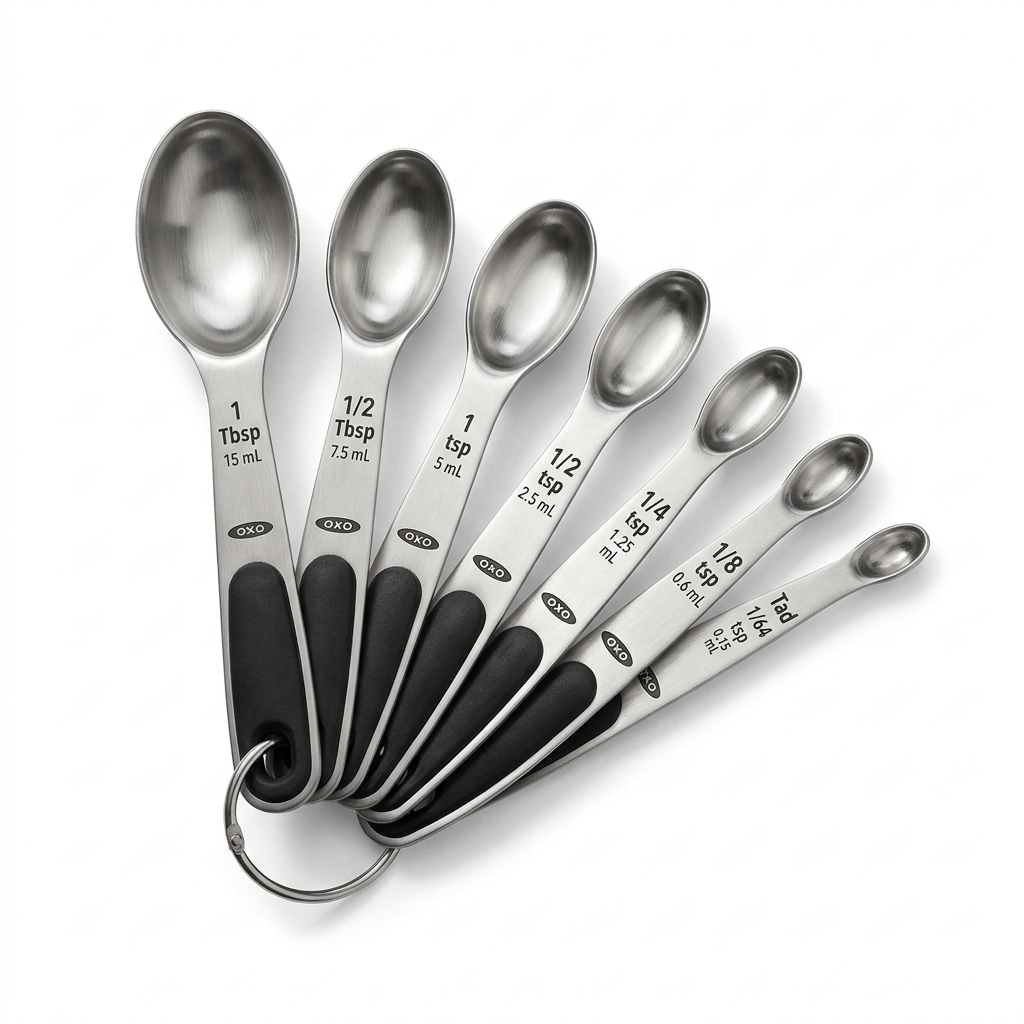
Butter Glaze Ratio:* For every 2 tablespoons of melted unsalted butter, use 1/4 teaspoon of ground saffron, bloomed in 1 teaspoon of warm water.
Citrus Pairing:* Saffron loves acid. A splash of lemon juice or a sprinkle of dried lime powder can "wake up" the flavor of the saffron, making it seem more vibrant on the palate.
Beyond Savory: Saffron in Baking and Desserts
Saffron’s ability to bridge the gap between sweet and savory makes it an incredibly versatile tool for pastry chefs. In Scandinavian tradition, saffron buns (Lussekatter) are a staple, but the use of saffron in Persian sweets—such as saffron-infused ice cream (bastani) with pistachios—takes the ingredient to a completely different level of decadence. When baking with saffron, it is often best to infuse it into the liquid components of your recipe, such as cream, milk, or melted butter, to ensure the color is evenly distributed throughout the crumb.
Tips for Sweet Applications
When creating a saffron-infused simple syrup for drizzling over cakes or poaching fruits, use a higher ratio of sugar to water. The sugar acts as a preservative for the saffron’s flavor, allowing it to linger on the tongue for longer. For poaching pears or apricots, add the saffron threads directly to the poaching liquid early on; the long, slow heat extraction will result in a beautifully stained, deeply flavored fruit that looks as good as it tastes.
Troubleshooting Common Saffron Issues
Even with the best intentions, things can go wrong in the kitchen. One of the most common issues is a dish that tastes bitter instead of aromatic. This is almost always a result of using too much saffron or failing to bloom it properly. If you find your dish has an overpowering medicinal taste, try adding a touch of honey or a splash of lemon juice to balance the profile. The acidity will mask the metallic notes, while the sweetness will play up the honeyed, floral characteristics of the threads.
Avoiding Counterfeit Products
As a chef, you must be a detective. If you buy saffron and notice that it bleeds red immediately in water, it is likely dyed. Real saffron threads should slowly release a golden-yellow hue, and the threads themselves will remain red for quite a while. If the threads disintegrate immediately upon touching water, they are likely not genuine. Always trust your senses; the aroma of high-quality saffron should be unmistakable—earthy, slightly sweet, and impossible to ignore.
Texture:* Threads should be stiff and brittle when dry.
Color:* The water should turn a clear, sunny yellow. A muddy or brownish tinge indicates low-quality or old product.
Quantity:* A little goes a very long way. 1/8 to 1/4 teaspoon of high-quality saffron is usually enough for a dish serving four to six people.
Conclusion
Mastering the use of Persian saffron is a journey that rewards the patient and the precise. By viewing this precious spice not as a luxury item to be hoarded, but as a culinary tool to be understood and respected, you open up a world of depth in your cooking. From the foundational act of blooming to the delicate balance of aromatics and heat, the techniques we have discussed are designed to help you extract the maximum benefit from every single thread.
As you begin to experiment with saffron in your own kitchen, remember to start small and focus on the quality of your infusion. Whether you are creating a traditional, crispy-crusted rice or a modern dessert, the goal is always to enhance the base ingredients, not overwhelm them. Saffron is an invitation to slow down, to appreciate the tactile process of grinding and steeping, and to eventually enjoy the rich, golden reward that follows. May your kitchen always be filled with the fragrant, warm promise of a dish well-made, and may you never fear the spice rack again. By taking these lessons to heart, you are not just a home cook; you are becoming a curator of flavor, one precious thread at a time. Go forth and season with purpose, knowing that you hold one of the greatest culinary treasures in the palm of your hand.
Get the Next Recipe
Weekly recipes, techniques, and gear picks — straight to your inbox.
