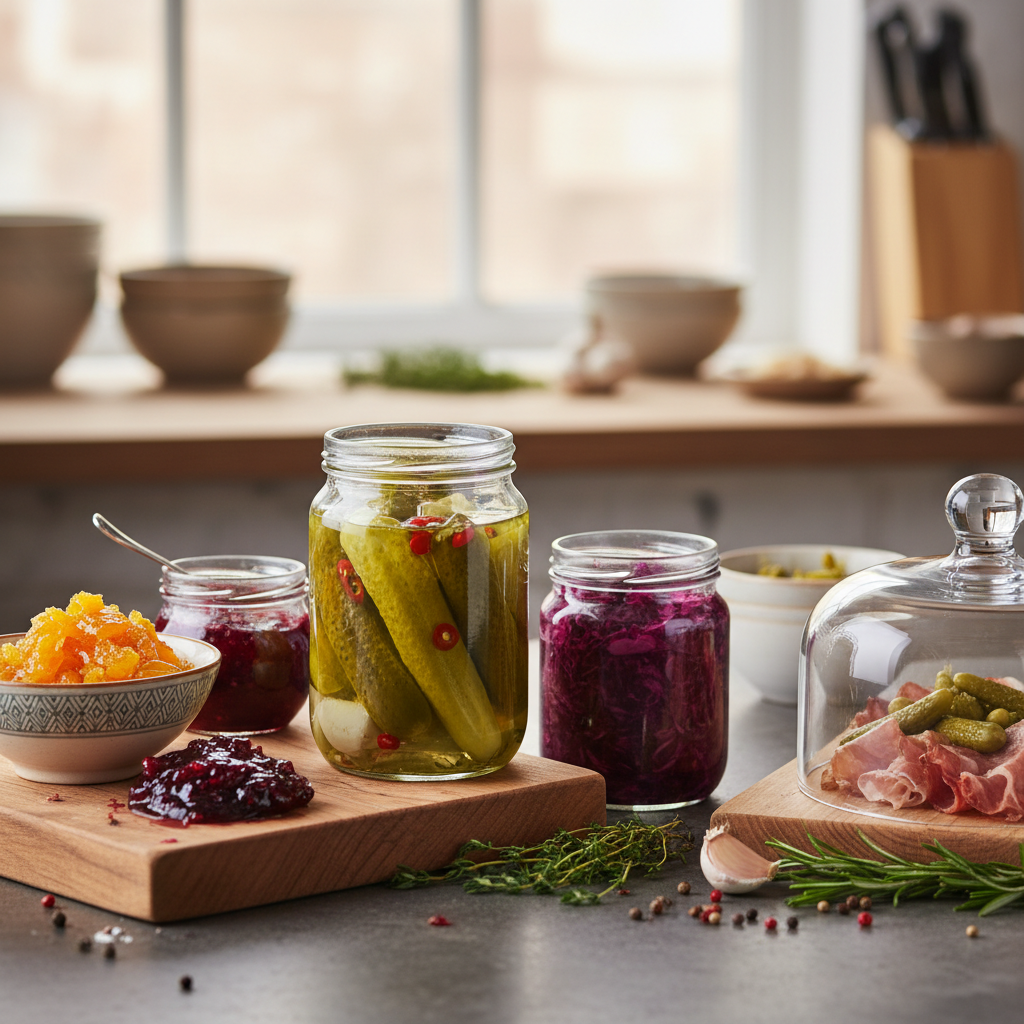
Pickling and Preserving: Creating Shelf-Stable Flavors
Pickling and preserving are culinary alchemies that transform humble ingredients into vibrant, shelf-stable delights. This age-old technique has been practiced for centuries, handed down through generations as a way to enhance flavors while extending the life of foods. Whether you’re working with seasonal produce, herbs, or even proteins, mastering the art of pickling can elevate your cooking experience and create a treasure trove of unique flavors ready to be explored throughout the year. So, why not embrace this tradition, experiment with unique combinations, and discover how an easy jar of pickled goodness can transform your meals?
At its core, pickling is about enhancing the natural flavors of ingredients through a chemical process involving acidity, usually from vinegar or fermentation. This method not only raises the palatability of fruits and vegetables but also preserves their nutritional value. The beauty of pickling lies in its versatility; practically any vegetable can be pickled, and there are endless variations of brine—from sweet to tangy to spicy. Learning how to pickle opens up a world of creatively pairing these vibrant flavors with your culinary creations, adding layers of complexity that elevate both simple dishes and elaborate meals.
As the popularity of pickling continues to rise, so too does the appreciation for its multifaceted role in global cuisines. From the crunchy, tangy dill pickles of America to the sweet and spicy Korean kimchi and the bright, zesty relishes found in Mediterranean dishes, the range is breathtaking. The allure of pickling lies not just in the preservation aspect, but also in the connection to where food comes from and the joy of creating something delicious with your own hands. So, roll up your sleeves, don your apron, and let’s dive into the world of pickling and preserving—your pantry will thank you.
The Basics of Pickling
Before diving into specific recipes and techniques, it’s important to familiarize yourself with the foundational elements of pickling. Understanding the basic types of pickling methods, the core ingredients involved, and the tools you’ll need will set you up for success.
Understanding Pickling Techniques
There are primarily two methods of pickling: quick pickling and fermented pickling. Each method creates distinct flavors and carries its unique benefits.
- Vegetables or fruits
- Vinegar (usually white, apple cider, or rice vinegar)
- Sugar and salt
- Additional spices or aromatics (think garlic, dill, or chili flakes)
Quick pickles are often stored in the refrigerator and can be enjoyed within a few hours or days, depending on how intense you want the flavor to be.
- Vegetables (like cucumbers, cabbage, or carrots)
- Salt (to create a brine and inhibit unwanted bacterial growth)
- Water (for the brining)
- Optional spices for flavor
Fermented pickles are often more nutritious, containing beneficial probiotics for gut health.
“Whether you choose quick pickling or fermented methods, both are gateways to unlocking new flavors in your cooking.”
Essential Equipment for Pickling
Having the right tools can make your pickling experience more enjoyable and successful. You don’t need to invest in fancy gadgets, but a few key items will ensure you can pickle with confidence.
Choosing Your Ingredients
The world is your oyster when it comes to selecting ingredients for pickling, but there are certainly best practices to follow and combinations that shine brighter than others. It’s essential to choose fresh, high-quality produce since the better your initial ingredient, the better your final product will be.
Vegetables
Some vegetables lend themselves particularly well to pickling. Here are a few favorites:
“Choosing seasonal vegetables not only supports local farmers but also enhances your pickling experience with the freshest flavors.”
Fruits
While pickling is often associated with vegetables, fruits can also make for incredible pickled delights. Some excellent options include:
Herbs and Spices
The right combination of herbs and spices is what can transform your pickling experience from ordinary to extraordinary. Common additions include:
Crafting Your Pickle Brine
Creating the perfect pickle brine is an art that involves balancing acidity, saltiness, and sweetness. The brine can be as basic or as complex as you desire, depending on the intention behind your pickling.
Basic Brine Ratios
A basic quick pickle brine typically consists of:
For a more complex flavor profile, consider infusing the brine with aromatics or spices. Each additional ingredient adds an extra layer of flavor:
Flavor Infusion Techniques
For those looking to get a little fancy, consider the following methods for infusing your brine with amazing flavors:
Step-by-Step Quick Pickling Recipe
Now that you’re familiar with the key concepts and techniques, let's dive into a hands-on quick pickling recipe to demonstrate the process. We will create quick pickled cucumbers that are perfect as a side dish or as a complement to sandwiches.
Quick Pickled Cucumbers Recipe
#### Ingredients
#### Instructions
Tips for Perfect Pickling
Fermentation: A Deeper Dive
While quick pickling is a great introduction, fermented pickling offers a unique layer of complexity that many food enthusiasts adore. Understanding the science and process behind fermentation can greatly enhance your culinary repertoire.
The Basics of Fermented Pickling
Fermentation relies on lactic acid bacteria to break down sugars, producing lactic acid and resulting in tangy flavors. To successfully ferment your vegetables, you need to keep them submerged in a saltwater brine to create an anaerobic environment that encourages beneficial bacteria while inhibiting the growth of unwanted ones.
#### Making a Basic Fermented Pickle
Here’s a simple recipe to get you started on fermenting cucumbers.
##### Ingredients
##### Instructions
“Fermented pickles not only offer unrivaled flavor complexity but also a nutritional boost, filled with probiotics.”
Creative Uses for Pickles
Once you've got a stash of pickles ready, the question arises: how can you incorporate them into your meals beyond just serving them alongside a sandwich? Here are some creative uses for pickles that can add a burst of flavor to various dishes.
In Salads
Pickled vegetables can elevate a simple salad into something memorable. Try adding:
On Sandwiches and Burgers
Nothing cuts through the richness of a burger or a flavorful sandwich quite like a tangy pickle. Consider:
As Snacks
Pickled away from their traditional pairings, they can serve as a delectable snack on their own. Pair them with:
In Sauces
Incorporate pickles into sauces for an added twist. Try:
Conclusion
The practice of pickling and preserving not only celebrates the art of cooking but also hones essential culinary skills while providing opportunities for creativity and experimentation. Whether you choose quick pickling or delve into the world of fermentation, each jar becomes a unique expression of flavor that can elevate countless dishes.
By understanding the balance of ingredients, the science behind fermentation, and the various applications of pickles, you can transform your kitchen into a vibrant hub of preserved flavors. Remember to embrace the process, play around with flavors, and, most importantly, enjoy the fruits of your labor. As you open each jar of pickled goodness, you'll not only find ingredients that enhance your dishes but also a deeper connection to culinary traditions that have stood the test of time.
So get started—you’ll soon discover that the time and effort spent in pickling and preserving are not merely an investment in food but also an investment in your culinary journey. Happy pickling!

Get the Next Recipe
Weekly recipes, techniques, and gear picks — straight to your inbox.
