Precision Cooking: Understanding Sous Vide Temperature Control
Precision in cooking is an often-underestimated skill that can dramatically transform your culinary creations. For many home cooks, the allure of cooking sous vide lies not only in its scientific precision but also in the unprecedented level of control it provides over the cooking process. The term "sous vide," which translates from French as "under vacuum," refers to the method of cooking food by immersing it in a temperature-controlled water bath. This allows for consistent results regardless of the dish being prepared, whether it's a delicate fish fillet or a tough cut of beef. By maintaining precise temperatures, you can achieve the perfect balance of texture, doneness, and flavor, a feat that traditional cooking methods often struggle to deliver.
At the heart of sous vide cooking is temperature control. Unlike conventional methods that rely on time and guesswork, sous vide utilizes the fact that proteins can be cooked to their exact desired doneness by holding them at a specific temperature for an extended period. This technique not only ensures that your meats are tender and juicy, but it also opens up a whole new realm of flavor infusions and culinary experimentation. The ability to achieve perfection in your dishes means that you can elevate your cooking game and impress friends and family with your delicious creations.
However, with great power comes great responsibility. To truly harness the benefits of sous vide cooking, one must understand the various nuances of temperature and timing. Missteps in these areas can lead to less than ideal results, such as rubbery meats or overcooked vegetables. That’s why this blog post aims to equip you with the knowledge necessary to navigate these waters confidently. Understanding how to control temperature with precision will lay the groundwork for successful sous vide cooking, enabling you to create restaurant-quality meals in the comfort of your own kitchen.
Understanding Sous Vide Basics
What is Sous Vide?
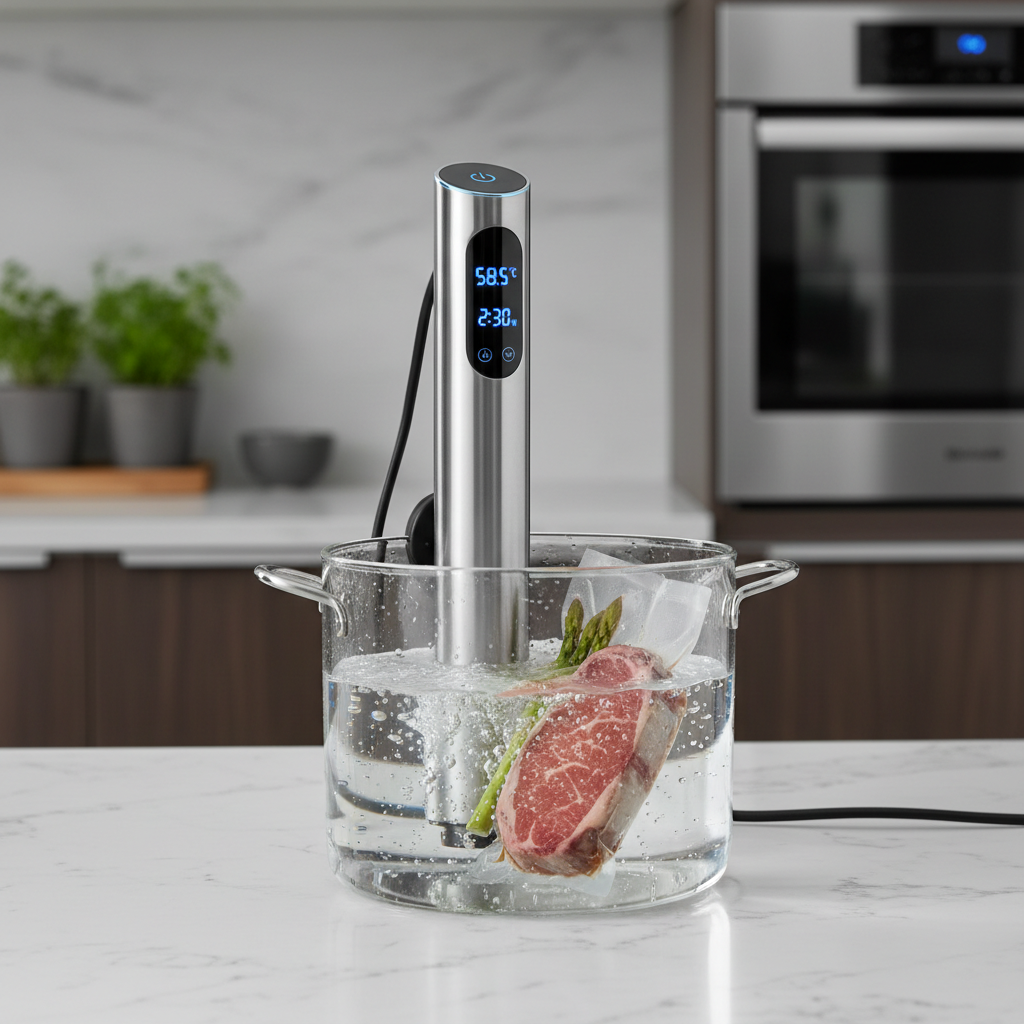
Sous vide is a cooking technique that involves sealing food in a vacuum-sealed bag and placing it in a water bath at a precise temperature. This method keeps food submerged and allows for even cooking, as the hot water transfers heat uniformly. Since the water bath can be maintained at specific temperatures for long periods, it offers the unique advantage of cooking food to the exact desired doneness without the risk of overcooking.
In terms of food safety, sous vide offers a solution to undercooking risks. By cooking proteins at lower temperatures for extended periods, you can effectively pasteurize food. For example, cooking chicken breasts at 140°F (60°C) for 1.5 hours can yield a safe and moist product, making it an ideal substitute for more traditional higher-heat cooking methods that may dry out meat.
The Science Behind Sous Vide Cooking
Understanding the science behind sous vide cooking is essential for mastering this technique. The interaction of heat and time is crucial in determining the final texture and flavor of your food. The Maillard reaction, responsible for browning and flavorful crusts, occurs at higher temperatures typical in sautéing or grilling. Conversely, sous vide requires prolonged exposure to lower temperatures which means the techniques must be used in conjunction with traditional finishing methods.
Equipment Required for Sous Vide Cooking
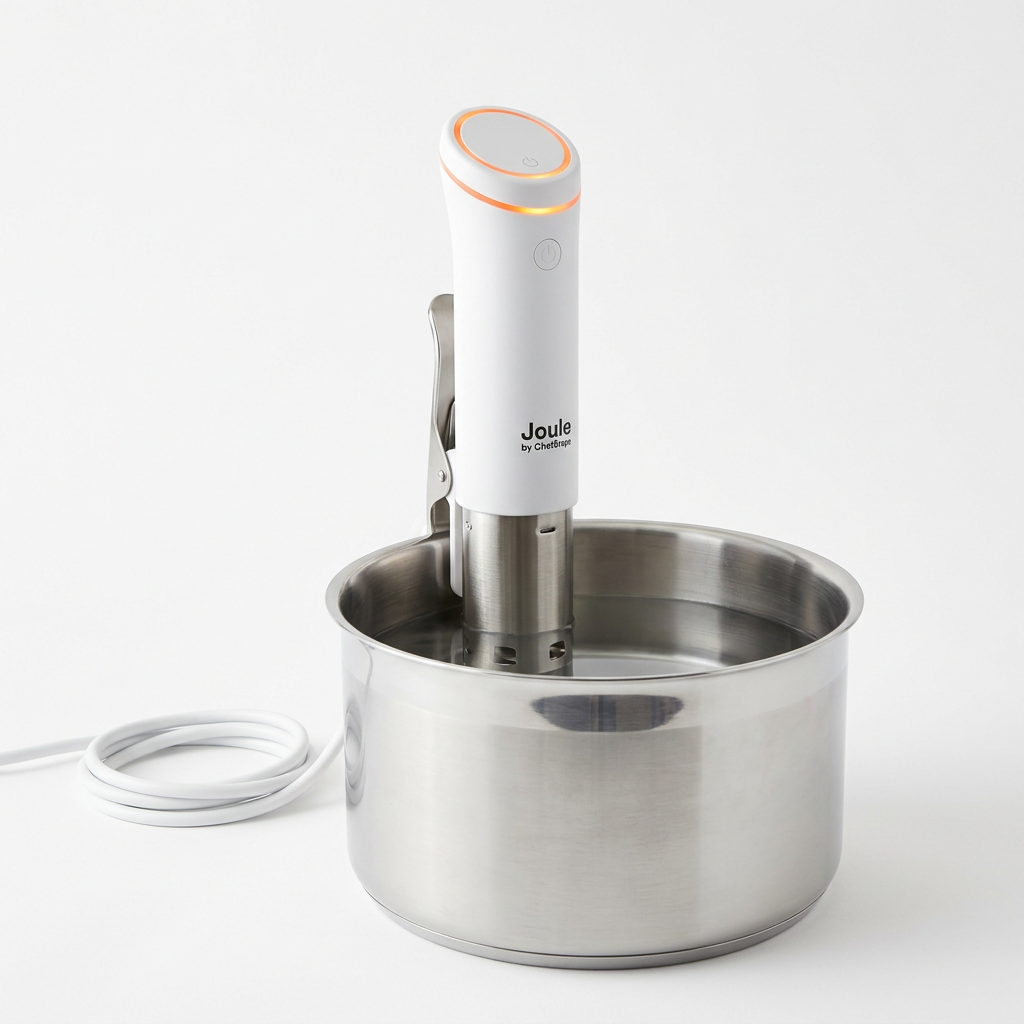
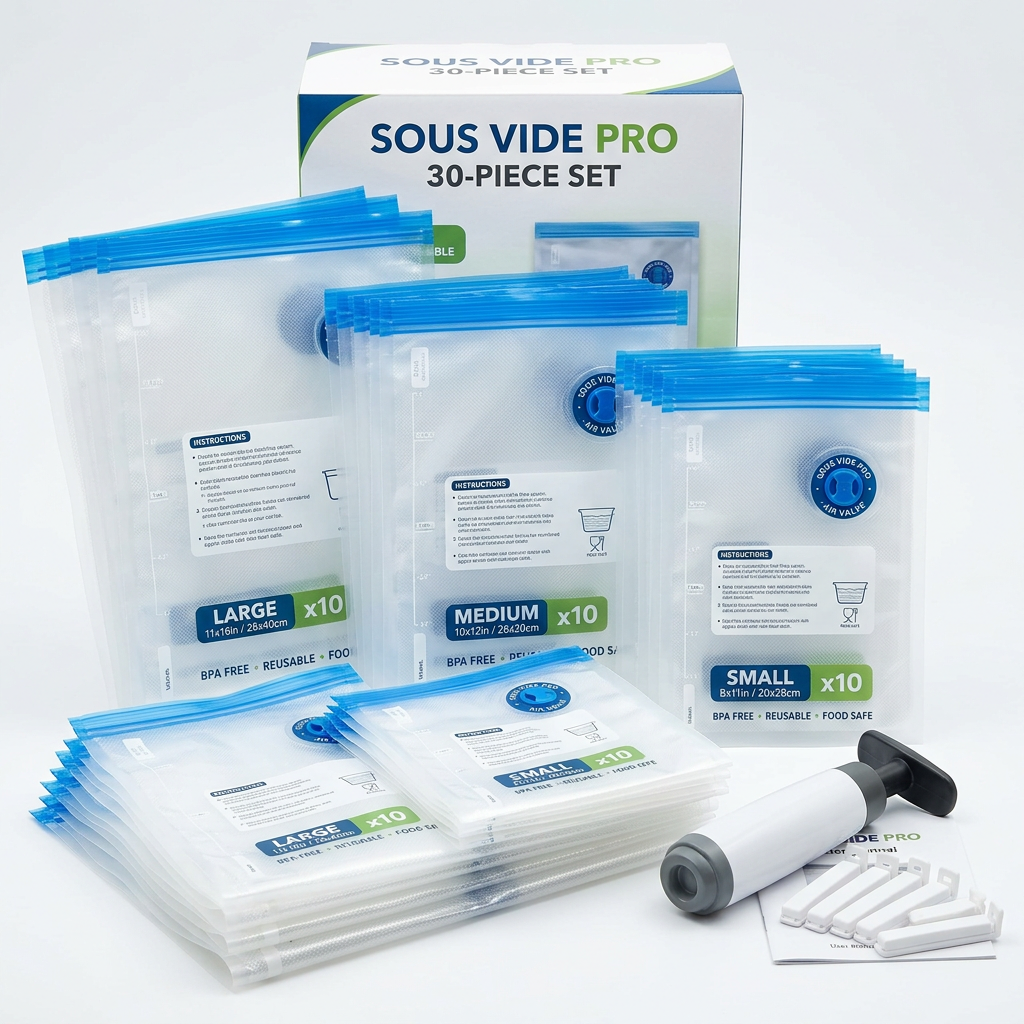
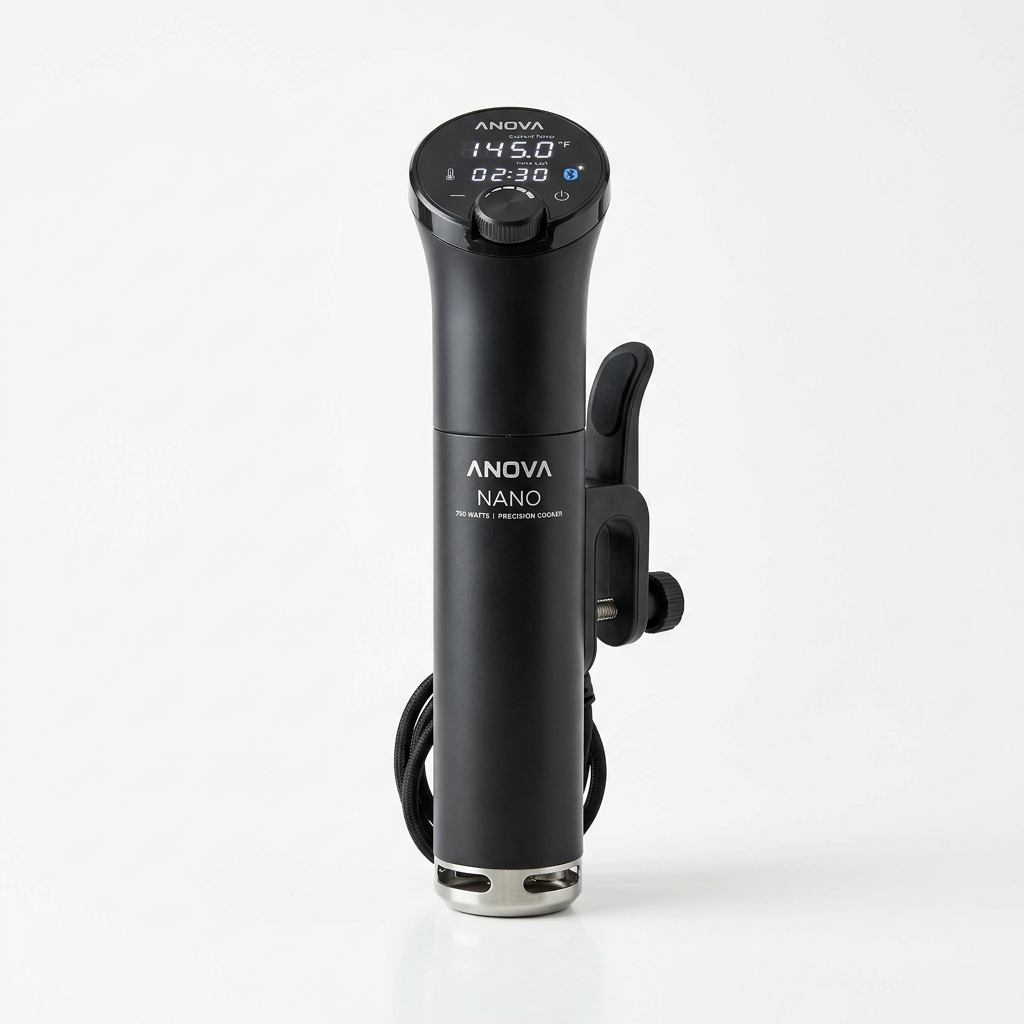
To embark on your sous vide journey, you’ll need a few essential tools:
Beyond the basic equipment, you may wish to acquire some additional items to enhance your sous vide experience:
Temperature Control Fundamentals
Importance of Temperature in Sous Vide Cooking
Temperature is the linchpin of sous vide cooking, and understanding its role is crucial. The core concept of sous vide is that food should be held at a specific temperature long enough to achieve the desired doneness while still being safe to eat. Each type of food has its ideal cooking temperature range, which corresponds to the desired doneness and texture.
For example, the ideal cooking temperature for steak can vary based on preference:
A common pitfall in traditional cooking is the unpredictability in achieving consistent doneness, which is where sous vide shines. By using a thermometer, you can ensure that every piece of meat is cooked to perfection, enhancing the eating experience immensely.
Cooking Times Relative to Temperature
While the temperature sets the stage for cooking, the timing complements it. With sous vide, you have the flexibility to cook for extended periods, which allows for some very specific time and temperature combinations.
#### Essential Cooking Times for Various Foods
Here are some general timeframes for popular foods:
Depending on the cut and preference, the complexities of the various meats must be considered. Cooking a tough cut of meat, like brisket, could require up to 48 hours to achieve that fall-apart tenderness.
How to Access Cooking Times and Tables
To empower you further on your sous vide journey, there are several resources and cooking tables you can reference:
Be sure to check these resources, as they can give precise definitions of times based on protein thickness, desired texture, and more.
Mastering Different Proteins
Cooking Meats
When working with meats, sous vide becomes a game-Changer, providing unmatched results. Precise temperature control allows for perfectly cooked beef, pork, chicken, and more.
#### Beef
"Cooking brisket for hours allows the collagen to break down, creating a juicy, fork-tender result."
#### Chicken
Non-Meat Proteins
Sous vide isn’t just about meat; it’s fantastic for non-meat proteins:
#### Fish
Fish benefits greatly from sous vide due to its delicate nature. Cooking at lower temperatures prevents overcooking.
#### Eggs
The sous vide approach to eggs is revolutionary. You can achieve various cooking styles from soft-boiled to hard-cooked, all without the risk of overcooking.
Cooking Vegetables Perfectly
Temperature Guidelines for Vegetables
Vegetables can often be overlooked when thinking of sous vide, but they shine with this method. Cooking vegetables sous vide can preserve color, flavor, and nutrients typically lost in traditional cooking.
“Sous vide cooking allows the natural sweetness of vegetables to intensify without losing key nutrients.”
Preparing Vegetables Before Sous Vide
Proper preparation enhances the outcome:
Finishing Vegetables
After sous vide cooking, vegetables often benefit from a quick hot sear or grill to add texture and additional flavor:
Enhancing Flavor Profiles
Seasoning and Marinating
One of the standout features of sous vide is the way it enhances flavor infusions, thanks to the vacuum-sealed environment. Here are ways to maximize this technique:
Infusing Flavors
When cooking, consider infusing flavors directly into your food:
Finishing Techniques
After coming out of the sous vide, consider employing finishing techniques, such as:
Common Mistakes and Troubleshooting
Common Sous Vide Pitfalls
Even though sous vide cooking is forgiving, there are still pitfalls to avoid:
"Patience and attention to detail are key when mastering sous vide cooking."
Troubleshooting Tips
When things don’t go as planned, here are some troubleshooting tips:
Essential Sous Vide Safety Practices
When cooking sous vide, consider the following safety practices:
Conclusion
Mastering sous vide temperature control is a journey into the fantastic world of precision cooking. With the right equipment, understanding of time and temperature relationships, and attention to detail, you can transform basic ingredients into culinary masterpieces. The beauty of cooking sous vide lies in the hands-on practical learning it provides, encouraging you to explore flavors, textures, and techniques in a way that is both forgiving and rewarding.
Embrace the power of precision cooking to not just improve your skill set but to create delectable dishes that thrill your senses and impress your guests. As you become more comfortable with sous vide, the culinary door opens wider, inviting creativity and exploration into your kitchen. Happy cooking!
Get the Next Recipe
Weekly recipes, techniques, and gear picks — straight to your inbox.
