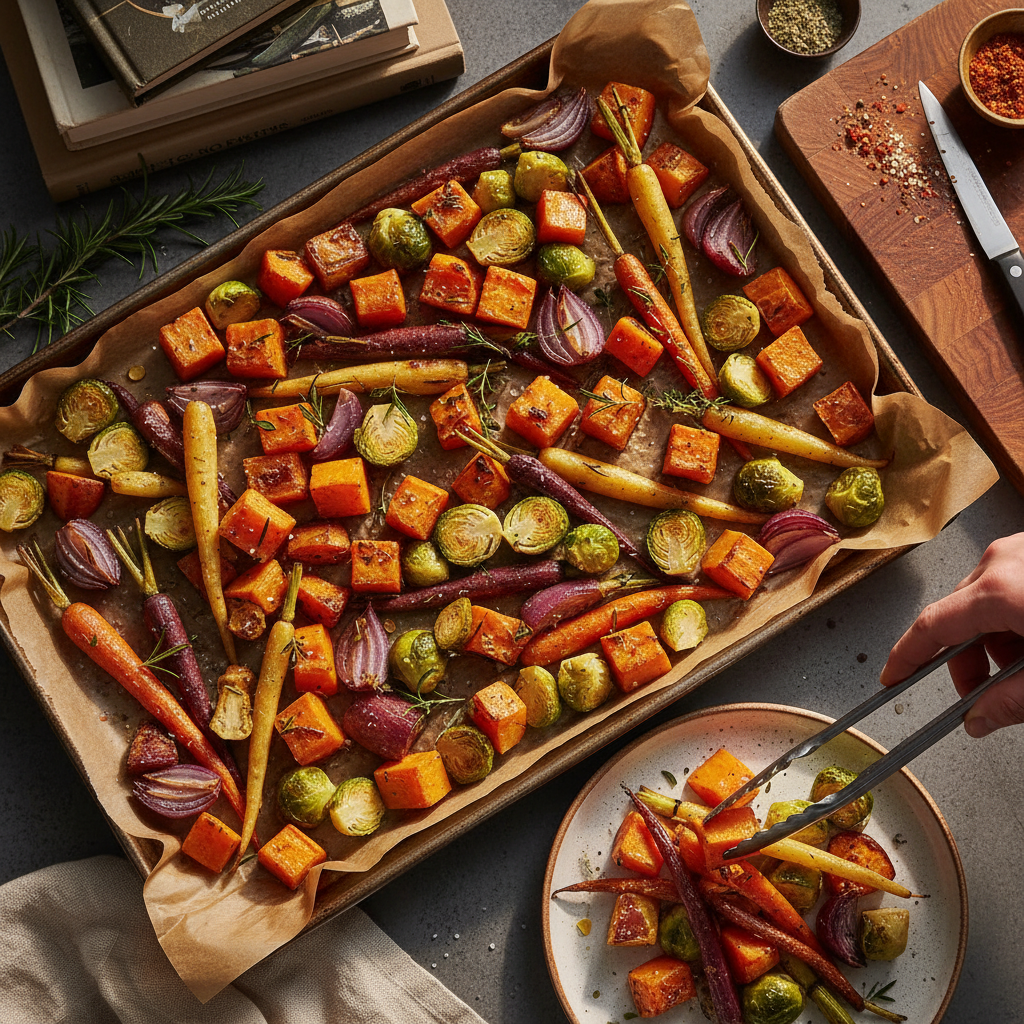
Precision Roasting: Master the Art of Perfectly Cooked Vegetables Every Time
Roasting vegetables is one of the easiest yet most profound ways to develop flavors and textures in your cooking. When done properly, roasting brings out the natural sweetness of vegetables, allowing them to shine in their golden, caramelized glory. However, achieving the elusive balance of crispiness on the outside while maintaining tenderness on the inside often eludes even the most seasoned home cooks. It’s a technique that, when mastered, transforms basic vegetables into stunning side dishes or even the stars of the show.
The key to perfect roasting lies in embracing the principles of food science while also paying attention to the more nuanced aspects of cooking. Understanding how different vegetables react to heat, moisture levels required, and the crucial role of oils and seasonings makes all the difference in the world. By respecting these factors, anyone can elevate their vegetable preparations from simple to sublime with just a few thoughtful adjustments. This guide will walk you through each step of the roasting process, providing the tips and tricks that professional chefs rely on.
With the right knife skills, seasoning techniques, and oven tips, you can create perfectly roasted vegetables that are memorable and healthful. Whether you're preparing a weeknight dinner or an elaborate feast, mastering the art of roasting will serve you well. So grab your chef’s knife and preheat your oven, because it's time to dive into the precise world of roasting vegetables!
Understanding the Basics
When you set out to roast vegetables, the first step is understanding the science behind what happens in the oven. Roasting is primarily a dry heat cooking method that involves warm air circulating around the food, causing it to cook evenly. But it’s not just as simple as tossing veggies in a pan and placing them in the oven; certain factors need consideration to achieve that perfect roast.
The Role of Temperature
Oven temperature plays a vital role in how vegetables turn out. Most vegetables roast best at temperatures between 400°F and 450°F (200°C to 230°C). At these temperatures, the heat is high enough to trigger the Maillard reaction, a chemical reaction that produces complex flavors and browning. However, the ideal temperature can vary depending on the vegetable type:
Always use an oven thermometer to ensure accuracy, as some home ovens can be misleading in temperature readings.
The Right Cut Matters
The size and shape in which you cut your vegetables significantly impact how they cook. Smaller pieces tend to roast faster and develop more surface area for browning. Aim for uniformity in size to ensure even cooking. Here are some cutting techniques to consider:
Remember, the goal is consistency. Consistently sized pieces allow for an even roast, which helps each piece reach the perfect doneness at the same time.
"Uniformity in cutting is the unsung hero of roasted vegetables – it’s the secret behind achieving that perfect texture."
Choosing the Right Vegetables
Not all vegetables are created equal when it comes to roasting. When preparing to roast, it's essential to choose vegetables with similar cooking times. Here’s a breakdown of popular vegetables and their ideal roasting times:
Combining items with similar cooking times will ensure everything is finished together, achieving that perfect roast without any of them getting overcooked.
Essential Equipment for Roasting
While you might already have the basics in your kitchen, certain tools can make the roasting process more successful. Having the right equipment will not only streamline the process but also enhance the overall outcome of the roasted vegetables.
Baking Sheets and Roasting Pans
The foundation of great roasted vegetables starts with the right pan. Here are some essential features to consider:
Cooking Tools
Investing in a few essential cooking tools can elevate your roasting game:
Seasoning Tools
The right seasonings can make or break your roasted vegetables. Here are a few tools to keep handy:
Oil and Seasoning: The Flavor Enhancers
Roasting can be deceivingly simple, but it’s the oil and seasoning that can make your vegetables sing. Understanding how to properly oil and flavor your vegetables will take your roasting skills to the next level.
Choosing the Right Oil
While olive oil is a classic choice due to its flavor, it has a relatively low smoke point (around 375°F or 190°C). For higher roasting temperatures, consider the following oils:
The amount of oil used is equally crucial. A general rule of thumb is to use 1 to 2 tablespoons of oil for every pound of vegetables. This will create a nice exterior that seals in moisture while achieving that sought-after browning.
Salt and Spice
Seasoning is essential for enhancing the natural flavors of your vegetables. Here’s how to approach seasoning effectively:
Tossing and Coating Techniques
For comprehensive flavor distribution, customarily toss your vegetables with oil and seasonings in a bowl before transferring them to the roasting pan. Here’s a simple method:
Tossing ensures that every piece of vegetable has the opportunity to absorb the flavors, promoting even cooking and delightful taste in every bite.
"Tossing isn’t just a technique; it’s the embrace your vegetables need to transform into flavorsome wonders."
The Roasting Process
Now that we have the foundational knowledge of roasting, let’s break down the process into actionable steps that every home cook can follow. This methodical approach will ensure you achieve the perfect roast every time.
Preheat the Oven
The importance of starting with a preheated oven can’t be overstated. The rapid thermal shock helps to caramelize the surface of the vegetables immediately, creating a crispy exterior. Preheat your oven to 425°F (220°C) for optimal results.
Prepare the Vegetables
Monitor Cooking Time
Place the vegetables in a single layer on your baking sheet or roasting pan. It’s essential to space them out, giving each piece the chance to brown beautifully. Every half hour, check for doneness and stir to ensure even cooking.
Assess Doneness
The doneness of vegetables can be assessed in multiple ways:
Cooling and Serving
Allow your roasted vegetables to cool slightly before serving. This phase lets the flavors settle while enhancing the overall taste experience.
You can serve them directly from the roasting pan or transfer them to a serving dish. Consider garnishing with fresh herbs, a squeeze of lemon, or a drizzle of balsamic reduction to elevate the dish further.
Advanced Techniques for Mastering Roasting
Once you’ve grasped the basics of roasting vegetables, consider delving into advanced techniques that can add layers of flavor and creativity to your dishes.
Infusing Flavors
Roasting offers an opportunity to experiment with flavor infusions. Here are a few suggestions:
The Power of Marinades
While marinating is typically associated with proteins, robust vegetables can also benefit from a brief marinade before roasting. Simply:
This technique allows for deeper flavor penetration and adds a tangy kick.
One-Pan Wonders
Mastering roasting also means understanding how to create meals with minimal cleanup. One-pan larger items like a whole chicken alongside seasonal vegetables can yield stunning results while saving time. Simply toss the vegetables in the same seasonings as your protein and surround them in the pan before roasting.
"Creating a one-pan wonder is like composing a masterpiece where every ingredient plays an essential role."
Seasonal Vegetable Roasting
Emphasizing the importance of seasonal vegetables not only improves flavor but also sustainability. Each season brings a unique bounty that can be emphasized through roasting. Here are recommendations for each season:
Spring
Spring vegetables like asparagus, peas, and radishes are ideal for a light roast. Keep their preparation simple to maintain the freshness.
Summer
Summer brings vibrant produce like zucchini, bell peppers, and corn. Roast these veggies as a colorful medley seasoned with garlic and herbs for full flavor.
Fall
Fall is a time for hearty root vegetables and squashes. Roasting these produces deep, sweet flavors that pair well with autumn spices.
Winter
In winter, embrace the cruciferous vegetables like Brussels sprouts, cauliflower, and carrots, which benefit from high heat to develop deep caramel flavors.
Seasonal roasting not only brings vibrancy to your plate but also encourages a sustainable approach to cooking, connecting you with the rhythms of nature.
Final Thoughts
Mastering the art of precision roasting requires a combination of technique, knowledge, and practice. By understanding the essential elements—from temperature and timing to cutting techniques and seasoning—you can elevate your cooking to new heights. Roasting vegetables isn't merely a method; it’s a celebration of natural flavors, textures, and nutrition, offering endless possibilities for creativity in the kitchen.
The joy of cooking lies not in perfection but in discovery. Each roast may yield something new—a surprising flavor enhancement, an unexpected pairing, or a beautiful dish that captivates at the table. Embrace the experimentation as you practice this timeless culinary technique, and let your roast celebrate the bounty of the vegetable world. Whether you're grilling them in summer sunshine or cozying up with a warm medley in winter, learn to blame your culinary instincts, the real chef in your kitchen. Happy roasting!
(Word Count: 2,163)


Get the Next Recipe
Weekly recipes, techniques, and gear picks — straight to your inbox.
