
Preserved Lemons: How Salt and Time Transform Citrus into Liquid Gold
There is a quiet alchemy that occurs inside a simple glass jar tucked away in the back of a cool pantry, a transformation so profound it borders on the miraculous. When you take a bright, acidic lemon and submerge it in a bath of coarse salt, you aren’t just preserving a fruit; you are unlocking a flavor profile that is entirely distinct from its fresh counterpart. The harsh, sharp edges of the citrus peel soften into a mellow, floral, and deeply savory umami bomb that is coveted by chefs around the globe. It is an exercise in patience, requiring nothing more than time, salt, and the humble lemon to elevate your home cooking from standard to restaurant-quality. Many home cooks fear the process, thinking it requires industrial equipment or a culinary degree, but it is one of the most accessible preservation techniques in existence.
For the uninitiated, the preserved lemon is a revelation. It does not taste like lemonade; rather, it tastes like the very essence of sunshine captured in brine. When you slice into a cured peel, the texture has shifted from rigid and waxy to velvety and supple, ready to be minced into dressings, folded into tagines, or stirred into pasta sauces. This is a staple of North African and Middle Eastern cuisine, specifically in Moroccan households, where the preserved lemon is considered a foundational ingredient. Mastering this technique allows you to reach for a pantry staple that punches well above its weight, providing a complex, salty brightness that vinegar or fresh juice simply cannot replicate.
As we dive into the world of lacto-fermentation and salt-curing, remember that you are the architect of your own larder. This process is forgiving, tactile, and deeply rewarding, offering a sensory experience that begins with the scent of citrus oil as you slice the fruit and ends months later with the discovery of your own "liquid gold." Whether you are an aspiring gourmet or a weary home cook looking for a secret weapon to liven up your weeknight dinners, you are in the right place. We will walk through the science, the craft, and the culinary application of these preserved gems, ensuring you have the confidence to manage the jar and the creativity to utilize the final product effectively. Welcome to the art of the preserve; let us begin our journey into flavor enhancement.
The Science of Salt and Preservation
The magic behind the preserved lemon is a fundamental principle of chemistry known as osmotic pressure. By packing a lemon with an abundance of salt, you draw the moisture out of the peel and the pith. This dehydration process creates a concentrated environment where the volatile essential oils, usually trapped behind the waxy exterior of the peel, are released and mellowed. As the natural sugars and acids interact with the salt over several weeks, the harsh bitterness of the pith is neutralized, leaving behind a complex, concentrated citrus flavor that is surprisingly tender.
Unlike traditional canning, which relies on heat to kill bacteria, salt-curing relies on the sheer concentration of sodium chloride to inhibit the growth of spoilage organisms while allowing beneficial enzymes to work their slow transformation. This is a form of anaerobic fermentation, though it is much slower than typical vegetable ferments like sauerkraut or kimchi. Because lemons are highly acidic on their own, the pH levels remain low, which provides an added layer of safety. This makes the preserved lemon an incredibly safe and stable project for the beginner fermenter.
The secret to a perfect preserved lemon isn't in the fancy additives or the specific variety of fruit, but in the unwavering patience of the cook. Salt is the vessel, but time is the true chef.
Selecting Your Ingredients
To achieve the best results, start with high-quality, organic citrus. Because the peel is the part you will be eating, it is paramount that you avoid fruit treated with pesticides or heavy waxes. Meyer lemons are the gold standard for many chefs due to their thin skin, floral aroma, and lower acidity compared to standard Eureka lemons. However, you can experiment with limes, grapefruits, or even blood oranges, each of which will offer a unique flavor profile that pairs beautifully with different culinary applications.
The Ratio of Success
The golden rule of preservation is to never skimp on the salt. I recommend using coarse sea salt or Kosher salt for the best results; avoid table salt with anti-caking agents or iodine, as these can negatively impact the flavor and the visual clarity of the brine. Aim for a ratio of approximately 20% salt by weight of the fruit, or simply follow the "pack and press" method where every exposed surface of the lemon is coated in salt. Remember, you can always rinse excess salt off before using the lemons, but you cannot fix a batch that has spoiled due to a lack of salt.
Step-by-Step: The Curing Process
The process of preparing your lemons is a rhythmic, satisfying ritual. Begin by washing your lemons thoroughly under cool, running water. Ensure they are completely dry before you start slicing, as excess water can introduce unwanted bacteria into the jar. Use a sharp chef’s knife to quarter the lemons, stopping about an inch from the bottom so the fruit stays connected at the base. This "accordion" style of slicing ensures that the structure holds together while allowing you to pack the interior with salt.
Once sliced, hold the lemon over a bowl and liberally sprinkle coarse sea salt into the center of the cuts. Massage the salt into the flesh and the pith, ensuring every internal surface is coated. Place a generous layer of salt at the bottom of a sterilized, wide-mouth glass jar. As you place each lemon into the jar, press down firmly. The goal is to force the juices out of the lemons to create the brine that will submerge the fruit. If you have particularly dry lemons, you may need to add the juice of extra lemons to ensure they are fully covered.
Creating the Environment
Once the jar is full, ensure that the lemons are submerged in their own juices. If they are not, keep squeezing in fresh lemon juice until the fruit is completely covered; this prevents the growth of surface molds that thrive in aerobic conditions. You can add aromatics at this stage, such as black peppercorns, bay leaves, coriander seeds, or a cinnamon stick, to infuse the brine with deeper, more complex notes. Seal the jar tightly and leave it in a dark, cool place at room temperature for the first week, shaking it daily to distribute the salt and juices.
Managing the Ferment
After the first week, move the jar to a cool, dark shelf where it can rest undisturbed for at least three to four weeks. While it is tempting to open the jar, try to exercise restraint. The alchemy of the peel softening takes time. You will notice the color of the liquid becoming cloudy and the color of the lemons deepening to a golden amber. This is a sign that the enzymatic breakdown is occurring perfectly. Once you reach the four-week mark, you can start using them, though they will continue to improve for months.
Culinary Applications: How to Use Your Gold
Once your lemons are ready, the question remains: what do you actually do with them? The most important tip for a chef is this: rinse before use. Even though the salt is delicious, a whole preserved lemon is extremely potent. Gently scrape away the internal pulp if you only want the firm, aromatic peel, or mince the entire thing if you want the intense salty-citrus punch it provides. The pith will be tender and sweet, while the skin will carry the high-impact floral notes that define the ingredient.
In Mediterranean and Middle Eastern cooking, preserved lemons are the backbone of tagines and stews. Adding a finely minced peel to a slow-cooked chicken dish with green olives and onions creates a depth of flavor that is unattainable with fresh citrus. The salt from the lemon infuses the sauce, acting as a seasoning agent that carries the perfume of the lemon throughout the entire dish. It is a harmonious marriage of salt, fat, and acidity that is essential for a balanced final product.
Think of preserved lemons not as a fruit, but as a spice. A little bit goes a long way, and its role is to bridge the gap between savory fats and bright, acidic top notes.
Dressing and Emulsions
Beyond stews, preserved lemons are an absolute game-changer in salads and vinaigrettes. Whisk together finely minced lemon peel with high-quality olive oil, a touch of honey, and some toasted cumin. Drizzle this over roasted carrots, grilled fish, or even a simple chickpea salad. The saltiness acts as the dressing’s base, while the fermented citrus provides a brightness that lifts the dish. You can also blend them into a yogurt-based sauce for grilled meats, providing a cooling yet complex contrast to char-grilled lamb or chicken.
The "Waste Not" Philosophy
Never throw away the brine left at the bottom of the jar. This "liquid gold" is incredibly potent and contains the distilled essence of the lemons and the salt. Store this liquid in the refrigerator and use it to deglaze pans after searing protein, or splash a teaspoon into a Bloody Mary or a martini for an unexpected, savory twist. It is essentially a citrus-infused saline solution that can be used whenever you need to add a boost of brightness and seasoning to a dish.
Troubleshooting Common Issues
While the process is straightforward, the home cook may occasionally encounter issues that leave them questioning their progress. The most common question involves the appearance of the brine. If you notice a thin, white film on the surface, this is likely kahm yeast. It is harmless and common in lacto-fermented foods. Simply skim it off with a clean spoon. If, however, you notice fuzzy, colored mold (blue, green, or black), you should discard the batch. This usually occurs when a piece of fruit has been exposed to air for too long.
Consistency is key to preventing these issues. Ensure your jar is properly sterilized before use, and always maintain a clean working area. If you find your lemons are not releasing enough liquid, do not be afraid to add extra juice. The goal is to keep the solid plant matter under the surface of the liquid at all times. By creating an anaerobic environment, you effectively starve spoilage organisms of the oxygen they need to survive, ensuring your lemons stay pristine for up to a year.
Professional Chef Tips for Storage
Once the fermentation process has reached the desired level of maturity, you can move the jar to the refrigerator to slow down any further changes. This will lock in the texture and flavor, allowing you to use the lemons at a consistent quality for months. Always use a clean utensil to remove the lemons from the jar, as introducing bacteria from your hands or dirty silverware can shorten the shelf life. If you notice that your lemons are getting too salty, you can soak the portion you intend to use in cold water for 30 minutes before mincing.
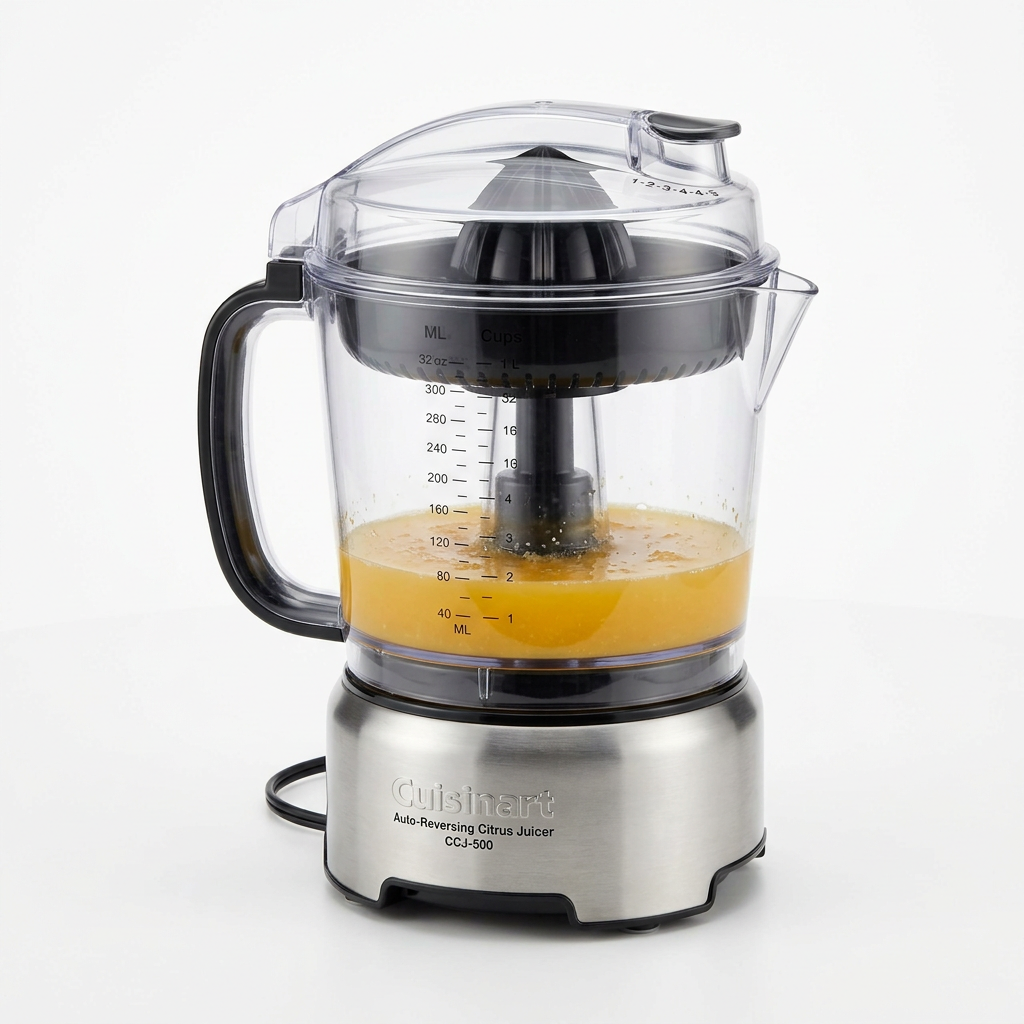
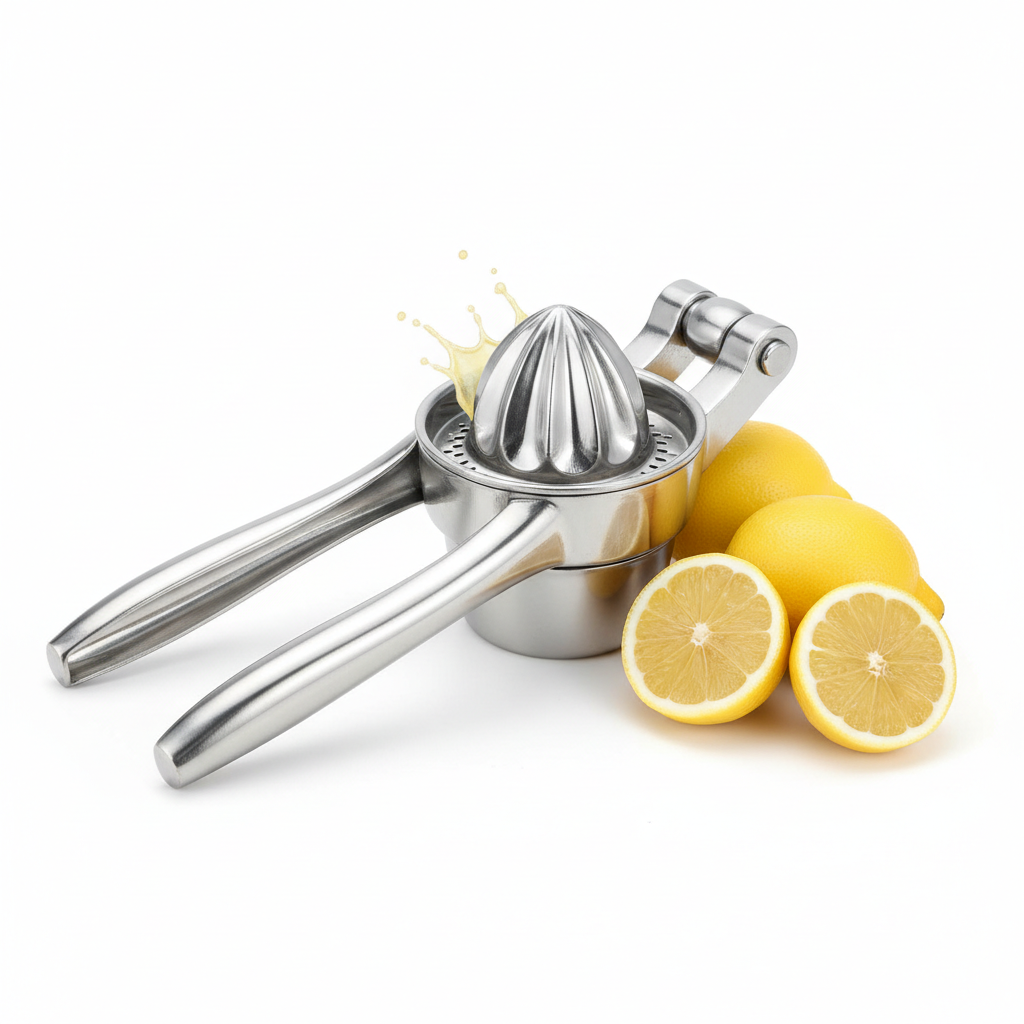
Equipment Essentials
You do not need specialized equipment, but a few basics will make the process easier:
Elevating Your Culinary Repertoire
To truly master the preserved lemon, you must treat it with the same respect as a fine spice or a vintage vinegar. Once you have a stash in your fridge, your ability to quickly pivot a dish from mundane to professional is greatly enhanced. Suppose you are roasting a whole chicken; slipping a few pieces of preserved lemon under the skin with some fresh herbs and butter will transform the simple bird into an aromatic, complex masterpiece. The skin will crisp up, and the lemon will melt into the meat, creating a self-basting effect that is nothing short of gourmet.
You can also push the boundaries of traditional flavor pairings. Consider pairing preserved lemon with bitter greens like radicchio or dandelion. The saltiness and citrus notes cut through the natural bitterness of the greens, creating a perfectly balanced side dish. This principle applies to many ingredients that might otherwise be too aggressive or one-dimensional. By keeping a jar of preserved citrus on hand, you are essentially keeping a "flavor bridge" in your pantry, one that connects disparate elements of a dish into a cohesive whole.
Beyond the Jar
Once you are confident with the standard method, consider experimenting with spice-infused preservation. Adding cardamom pods, star anise, or cloves can turn your preserved lemons into a sophisticated ingredient that works beautifully in desserts or tea-based recipes. Imagine a lemon-infused shortbread cookie or a yogurt cake that relies on the fermented peel for its signature zing. These are the kinds of culinary experiments that define the home chef who is willing to think outside the box.
The Role of Acid in Balancing Flavors
In professional kitchens, we are taught that every great dish requires a balance of salt, acid, fat, and heat. The preserved lemon is unique because it provides two of those critical components—salt and acid—in a single, concentrated form. When you are tasting a dish and it feels like it is "missing something," but you cannot quite place it, a small amount of finely minced preserved lemon is often the answer. It is the secret seasoning that adds mystery and nuance without overwhelming the palate.
Why Time is the Most Important Ingredient
We live in a culture that demands instant gratification, especially in the kitchen. We want meals cooked in thirty minutes or less, and we want ingredients that are ready to use the moment we buy them. However, there is a profound satisfaction in working with ingredients that refuse to be rushed. The preserved lemon is a meditation on the beauty of the slow process. Watching the fruit change from a bright, firm citrus to a mellow, yielding treasure is a reminder that some of the best things in life require us to step back and wait.
As you incorporate these lemons into your daily cooking, take note of how they change the flavor landscape of your kitchen. You will find that you reach for your store-bought salt less often, preferring the complex seasoning provided by your preserved stash. You will begin to notice the difference in texture and aroma in your tagines, your dressings, and your roasts. You will become a more confident cook, not because you have purchased new equipment, but because you have learned to master the most basic and powerful tools: salt, fruit, and time.
A Lesson in Sensory Awareness
Culinary skill is, at its core, the development of sensory awareness. By preparing your own ingredients, you are learning to pay attention to the subtle cues that indicate a ferment is progressing. You are learning to smell the change in the citrus oils as they break down. You are learning to see the way the brine clouds and clears. This is the hallmark of a true chef. When you can trust your senses over a timer, you have reached a new level of competence that will serve you well beyond this single recipe.
Sharing Your Craft
Preserved lemons make for a wonderful, thoughtful gift for fellow food lovers. A simple glass jar with a hand-written label and a ribbon carries the weight of the effort you put into it. It is a gift that says, "I made this for you, and I waited for it to be perfect." When you share your preserved bounty, you aren't just sharing a condiment; you are sharing a philosophy of slow, deliberate, and high-quality cooking.
Final Thoughts
The art of preserving lemons is not just about the recipe itself; it is about the mindset of the cook who understands that flavor is built in layers over time. By mastering this simple, traditional technique, you have unlocked a tool that will change the way you approach seasoning and flavor balance in every dish you prepare. You have moved away from the convenience of processed ingredients and toward the artisanal quality of the home-made. Whether it is the burst of floral citrus in a tagine or the subtle, salty depth added to a vinaigrette, your pantry now holds a secret weapon that is as timeless as it is delicious.
Never underestimate the power of the humble lemon. With the right amount of salt and the gentle pressure of time, you have created something that elevates your kitchen into a place of true creation. Continue to experiment, continue to observe, and never lose your curiosity for the process. Your journey into the world of preservation does not end with this jar; it begins here. As you empty one jar, start the next, and keep the cycle of flavor alive in your kitchen. Thank you for joining me on this exploration of one of the culinary world’s most precious, yet accessible, treasures. May your shelves be full, your flavors be bright, and your kitchen always be a place of discovery.
Always remember that the kitchen is a space for constant growth. The preserved lemon is simply a starting point, a doorway into the wider world of lacto-fermentation and home preservation. Once you have tasted the difference that house-cured ingredients make, you will find it difficult to settle for anything less. Continue to explore, continue to season with care, and above all, enjoy the process of bringing life and flavor to your home-cooked meals. Your culinary education is an ongoing, evolving project, and every jar you fill is a step toward becoming the best cook you can possibly be. Happy fermenting, and remember: if the dish tastes great, blame the chef—but if it tastes spectacular, it was almost certainly the preserved lemon.


Get the Next Recipe
Weekly recipes, techniques, and gear picks — straight to your inbox.
