Professional Knife Skills: Essential Cuts
Techniques

Professional Knife Skills: Essential Cuts

C
By The Chef
|April 6, 2026|12 Min Read

When it comes to cooking, the tools we use can greatly influence the final outcome of our dishes, and at the forefront of this toolkit is the chef's knife. Mastering professional knife skills is not just about wielding a sharp blade; it’s about understanding the nuances of technique and the different cutting styles that can elevate your culinary creations. The right cuts can enhance flavors, improve textures, and ensure even cooking, ultimately leading to a more satisfying dining experience. There’s a certain artistry to using a knife, one that separates the novice from the seasoned chef. But don’t worry; with practice and the right guidance, anyone can develop these essential knife skills.

In this post, we’ll dive deeply into various knife cuts that every aspiring home cook should be familiar with. From the classic mirepoix to more intricate cuts like the julienne and brunoise, each technique has its purpose and application in the kitchen. We will explore why mastering these cuts is crucial, not just for presentation but also for the practical aspects of cooking, including cooking times and integration into recipes. Whether you’re prepping vegetables for a stir-fry or slicing herbs for garnish, the ability to execute these cuts with precision will empower you in the kitchen.

Furthermore, we will discuss safety, knife maintenance, and tips for selecting the right knife for each job. Using the correct knife and maintaining its sharpness can make all the difference in your comfort and effectiveness while cooking. Remember, a dull knife can be more dangerous than a sharp one, as it requires more force and can slip unexpectedly. This blog post aims to equip you with both knowledge and confidence, so you can cut, slice, and dice like a true professional.

Understanding Knife Types

Essential Knives for Professional Skills

To embark on your journey towards mastering knife skills, it’s imperative to have a basic understanding of the types of knives that will serve you well in the kitchen. Each knife has a unique purpose, and owning the right tools can significantly enhance your efficiency and effectiveness.

1.Chef's Knife: This is the workhorse of any kitchen. Typically ranging from 8 to 10 inches, a chef's knife can handle a wide range of tasks, such as dicing, slicing, and chopping. Its broad blade allows for rocking cuts, making it ideal for chopping herbs or vegetables.
2.Paring Knife: Measuring around 3 to 4 inches, a paring knife is perfect for intricate tasks like peeling fruits, deveining shrimp, or cutting small garnishes. Its size and control enable precision work that larger knives cannot offer.
3.Serrated Knife: Ideal for cutting breads and tomatoes, the serrated knife has a saw-like edge that easily cuts through crusts and skins without tearing the soft interior.
4.Boning Knife: The boning knife features a thin, flexible blade designed for separating meat from bones and trimming fat. It’s essential for anyone who wants to break down whole cuts of meat.
5.Mandoline: While not a knife in the traditional sense, a mandoline allows you to achieve uniform cuts quickly, particularly when slicing vegetables. This tool offers adjustable thickness for a variety of cuts, such as chips and julienne.

It’s worth noting that while these knives are essential, maintaining your tools is vital. A well-maintained knife not only performs better but provides better control while cutting. Sharpening your knives regularly and using the correct cutting board will prevent dulling and damage.

Knife Maintenance

Maintaining your knives properly is a non-negotiable aspect of kitchen safety and performance. Regular maintenance extends the life of your knives and ensures they remain effective for all cutting tasks.

●Sharpening: Use a whetstone or a honing steel to sharpen your knives. Depending on usage, a professional chef might sharpen their knife every few days, while a home cook may only need to do so every couple of months.
●Cleaning: Always hand wash your knives with warm, soapy water and dry them immediately. Avoid putting them in a dishwasher, as the harsh conditions and heat can damage the blades.
●Storage: Store knives in a knife block, magnetic strip, or protective sheaths to avoid dulling the blade. Keeping them in a drawer without protection can lead to chipping or other damages.
●Inspection: Regularly inspect your knives for any signs of wear, such as nicks or bends in the blade. If damaged, it’s best to seek professional sharpening help.

"A well-maintained knife is the home cook's best friend; it’s more than just a tool, it’s an extension of your culinary skill."

Cutting Techniques

The Basic Cuts: Understanding the Essentials

Familiarity with basic cuts forms the foundation of your knife skills. Each cut serves a distinctive purpose in various dishes and can alter the cooking time, presentation, and flavor extraction. Here are some essential cuts to master:

1.Chop: A rough cut that doesn’t require uniformity. Ideal for chunky soups or stews, the size can vary drastically based on the dish.
2.Dice: To create uniform cubes. The size can vary from small (1/4 inch) to large (3/4 inch).
3.Minced: A finer cut often used for garlic, herbs, and other aromatics. Minced items release their flavors more readily due to the increased surface area.
4.Julienne: This technique produces thin matchstick-shaped strips. Used commonly for vegetables like carrots and zucchini, julienned cuts cook quickly and add aesthetic appeal.
5.Brunoise: A more advanced cut where food items are julienned and then turned 90 degrees and diced into small cubes, typically 1/8 inch in each dimension.
6.Chiffonade: A technique primarily used for leafy greens and herbs where leaves are stacked, rolled, and sliced to create thin ribbons.

Each of these cuts has its own nuances and variations, but the key is to practice and develop your technique. With dedicated practice, you’ll find that muscle memory kicks in, allowing you to execute these cuts with ease.

Mastering Each Cut

Here’s a deeper look into how to achieve each of these cuts with precision:

●Chopping: Hold the knife at a 20-degree angle and use a rocking motion. This technique not only helps in cutting evenly but also prevents injury as the tip of the knife remains in contact with the cutting board.
●Dicing: Begin by slicing the item lengthwise, then turn it 90 degrees and slice across to create cubes. For consistency, ensure each slice is the same thickness.
●Mincing: To mince herbs or garlic, first chop them coarsely, then rock the knife back and forth over the pile, using your other hand to keep the ingredients in place.
●Julienne: Cut your vegetable into planks. Stack them, then slice perpendicular to create matchsticks. Aim for uniform thickness to ensure even cooking.
●Brunoise: Start with your julienne strips, then align them and slice finely to create the small cubes. This cut is visually pleasing and great for garnishing.
●Chiffonade: Stack leaves, roll them tightly, then slice thinly across the roll. This technique is excellent for basil or spinach.

"Precision in your cuts leads directly to improved flavor and presentation; every professional chef emphasizes the importance of technique."

Safety First: Knife Handling Tips

The Importance of Safety

Knife skills can be hazardous if not approached with care and attention. Proper knife handling is essential for preventing accidents and creating a safe cooking environment. Here are some crucial safety tips:

●Always Use a Stable Cutting Surface: A sturdy cutting board is essential. If your cutting board slides, place a damp towel underneath it for stability.
●Proper Grip: Hold the knife with your dominant hand, wrapping your fingers around the handle. Use the pinch grip by pinching the blade with your thumb and forefinger right above the handle for better control.
●Keep Your Fingers Safe: Curl your non-dominant hand’s fingers under—this is known as the claw grip. Keep your fingertips tucked to avoid accidental cuts.
●Cut Away from Your Body: Always direct the blade away from your body and secure the food item with your non-dominant hand.
●No Distractions: Stay focused on your task. Avoid engaging in conversation or letting your mind wander while handling knives.
●Be Mindful of Fatigue: If you feel tired or distracted, take a break. Fatigue can lead to mistakes and injuries.

Emergency Protocols

Even with all precautions, accidents can happen. Knowing what to do in case of a cut or injury is vital.

●Don’t Panic: Stay calm and assess the severity of the injury.
●Apply Pressure: For minor cuts, clean the area with soap and water, then apply pressure with a clean cloth.
●Rinse and Bandage: Once the bleeding stops, rinse the area, dry it, and cover it with a bandage.
●Seek Help for Serious Injuries: If the injury is severe, does not stop bleeding, or if you have deep lacerations, seek immediate medical attention.

With practice and adherence to safety protocols, you can cultivate a strong foundation of knife skills free from the fear of injury.

Cutting for Cooking: Ingredient Ratios and Cooking Times

Importance of Uniformity

Cut size is crucial not only for aesthetic appeal but also for cooking times and flavor development. Consistent cuts ensure that ingredients cook evenly and blend harmoniously in various dishes. Here’s a guide on how different cuts can affect cooking:

●Chopped Ingredients: When chopping vegetables for a soup or stir-fry, avoid overcooking or undercooking by striving for a uniform size. For example, if you chop carrots into 1-inch pieces, ensure all pieces are approximately the same size to avoid uneven texture.
●Diced Ingredients: Diced vegetables are often used in salads or risottos. Since they are usually more delicate, achieving a even dice allows for uniform marination or cooking. Aim for a size of about 1/4 inch to 1/2 inch for even cooking.
●Julienne and Brunoise: These cuts are ideal for quick-cooking dishes. Julienne cuts of vegetables like zucchini or bell peppers will cook faster in stir-fries, enhancing their flavor while retaining texture.
●Chiffonade and Minced Herbs: These methods are often used for flavoring. Minced garlic releases more essential oils than whole cloves and should be used judiciously to avoid overpowering dishes.

Cooking Times and Temperatures

Understanding how cut sizes relate to cooking times and methods can help you better control your dish outcomes. Here are some general timings based on cut sizes:

●Chopped Vegetables (1-inch pieces):

- Cooking Time: 10-15 minutes in a sauté.

●Diced Vegetables (1/4 to 1/2 inch):

- Cooking Time: 5-10 minutes in a stir-fry.

●Julienne Vegetables:

- Cooking Time: 2-5 minutes as they cook incredibly fast.

●Brunoise:

- Cooking Time: Often 2-5 minutes, especially when incorporated into sauces or soups.

●Chiffonade:

- Use as a fresh garnish, ideally just before serving to maintain flavor and appearance.

These timings can also depend on the type of vegetable or protein you’re working with, so always be attentive to texture and flavor.

"Adjusting cut sizes to your desired cooking method is key to perfecting your dish; understanding the ratios and cooking times can make all the difference."

Final Presentation: Plating with Cuts

The Art of Plating

Now that you’ve mastered the cuts, it’s time to consider how they contribute to the final presentation of your dishes. The aesthetic aspect of cooking is a crucial element that can elevate a meal from mundane to extraordinary. Here are some techniques to enhance presentation using your cutting skills:

●Color and Contrast: Utilize a variety of colored vegetables cut into your desired shapes. The use of vibrant ingredients can create visual interest on the plate.
●Height and Layering: When stacking ingredients, use a combination of cuts to create varied textures and heights. For example, a bed of chiffonade greens with julienne vegetables on top adds dimension to your dish.
●Uniform Portions: Maintain consistent cut sizes to ensure that every portion has an equal amount of each ingredient. This makes the dish visually appealing and satisfying to eat.

Final Plating Strategies

●Garnishing: Use your chiffonade skills to create beautiful herb garnishes that can bring fresh flavor and color to your plates.
●Drizzle Sauces: Use a squeeze bottle to create artistic streaks or dots of sauce, allowing your perfectly cut ingredients to shine.
●Layering Flavors: The way in which you apply your cuts can also enhance the flavor profile. Layering finely chopped ingredients can create bursts of flavor with each forkful.
●Finish with Texture: Add toasted nuts or seeds for a crunch, using finely chopped ingredients to scatter around your dish for additional texture.

Your knife skills not only enhance the cooking process but also the final touches. The right cuts allow your food to have a stunning presentation, making your dishes as pleasing to the eye as they are to the palate.

Conclusion

Mastering professional knife skills is an invaluable investment in your journey as a home cook. From understanding the types of knives to employing essential cutting techniques, safety measures, ingredient ratios, and finally, the artistry of plating, every detail plays a role in your kitchen proficiency. With dedicated practice, patience, and an eagerness to refine your skills, you will find that each cut empowers you to explore new recipes and culinary techniques.

Knife skills can seem daunting at first, but they open up a world of possibilities in cooking. Do not shy away from experimenting with different cuts, and remember that imperfection is part of the learning process. Celebrate your progress and enjoy the transformation of your dishes as you elevate your culinary repertoire.

With time and practice, you’ll embody confidence in the kitchen, serving beautifully prepared meals to friends and family. Ultimately, the skills you develop with a knife will serve as a solid foundation for your entire culinary journey, allowing for creativity, flavor, and enjoyable experiences in the heart of your home. So grab your knife, start honing those skills, and ignite your passion for cooking with every chop, slice, and dice.
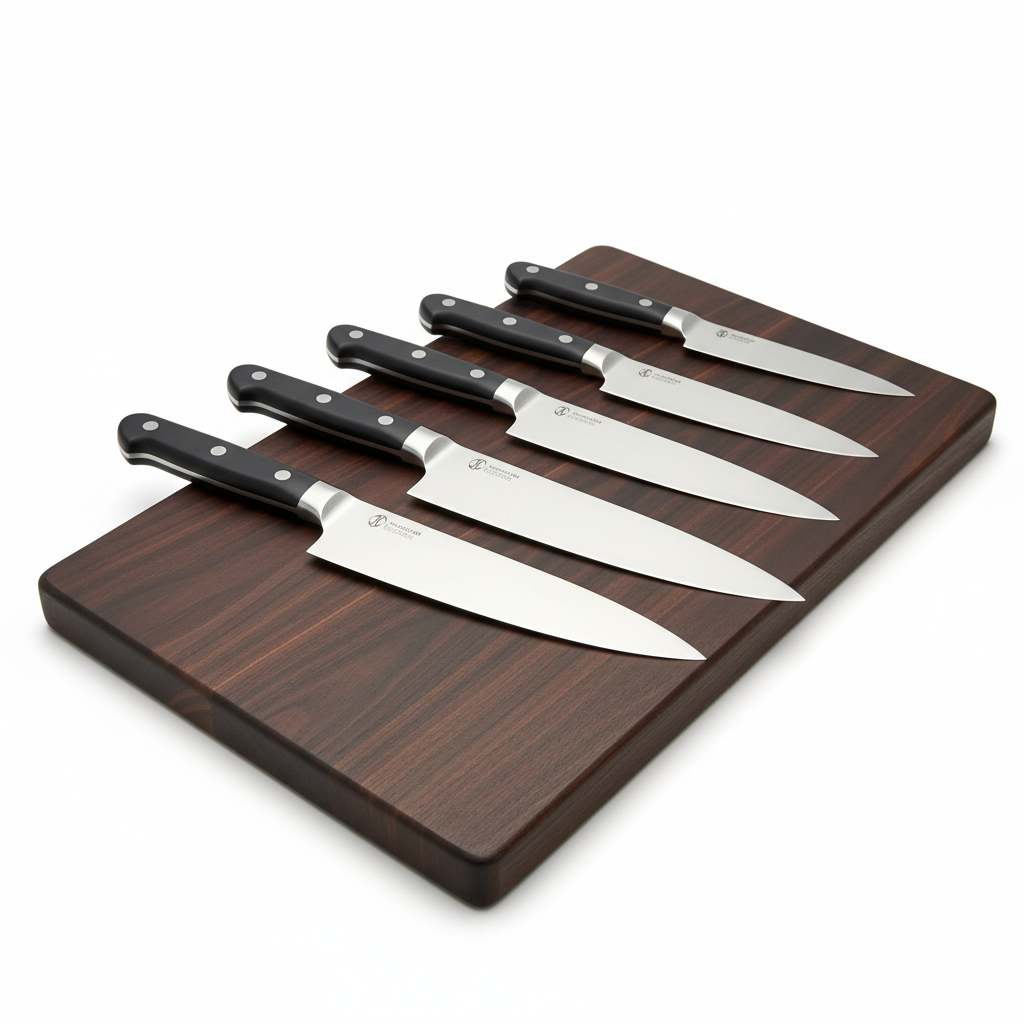
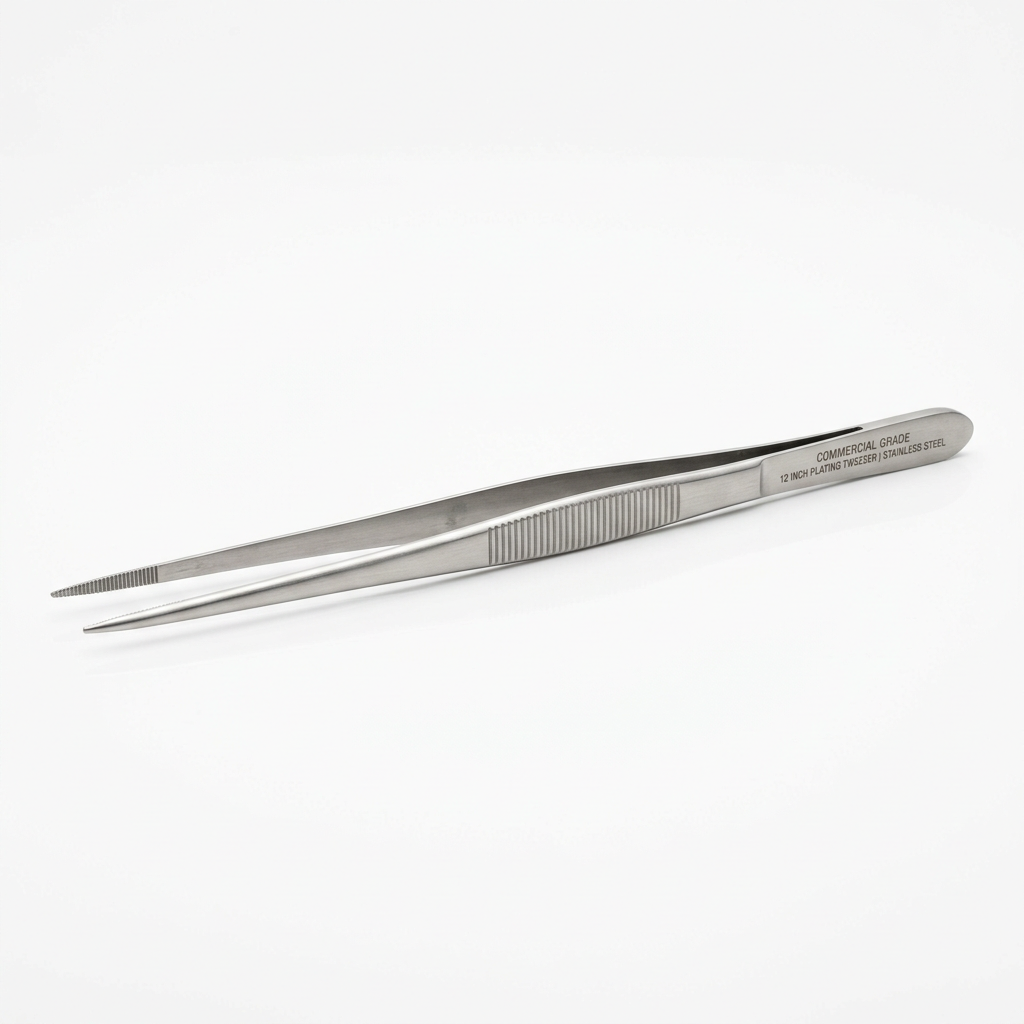
🧰 Gear for this recipe
Tools our chefs reach for when cooking this
Victorinox Fibrox Pro Chef's Knife 8-Inch
Knives & Cutting
Victorinox Fibrox Pro Chef's Knife 8-Inch
★★★★★4.8
$40-$50
View on Amazon
Commercial Grade Plating Tweezers 12-inch
Serving
Commercial Grade Plating Tweezers 12-inch
★★★★★4.6
$12-$18
View on Amazon
Miyabi Birchwood Chef Knife 9.5 inch
Knives & Cutting
Miyabi Birchwood Chef Knife 9.5 inch
★★★★★4.9
$250-$320
View on Amazon
Nakiri Vegetable Knife 165mm
Knives & Cutting
Nakiri Vegetable Knife 165mm
★★★★★4.7
$80-$120
View on Amazon

As an Amazon Associate we earn from qualifying purchases.

🍳

Get the Next Recipe

Weekly recipes, techniques, and gear picks — straight to your inbox.

No spam, ever. Unsubscribe anytime.

YesChef - Learn from the world's best chefs
© 2026 Blame The Chef
🍳

Never Miss a Recipe

Weekly recipes, kitchen tips, and gadget picks — straight to your inbox.

No spam, ever. Unsubscribe anytime.

