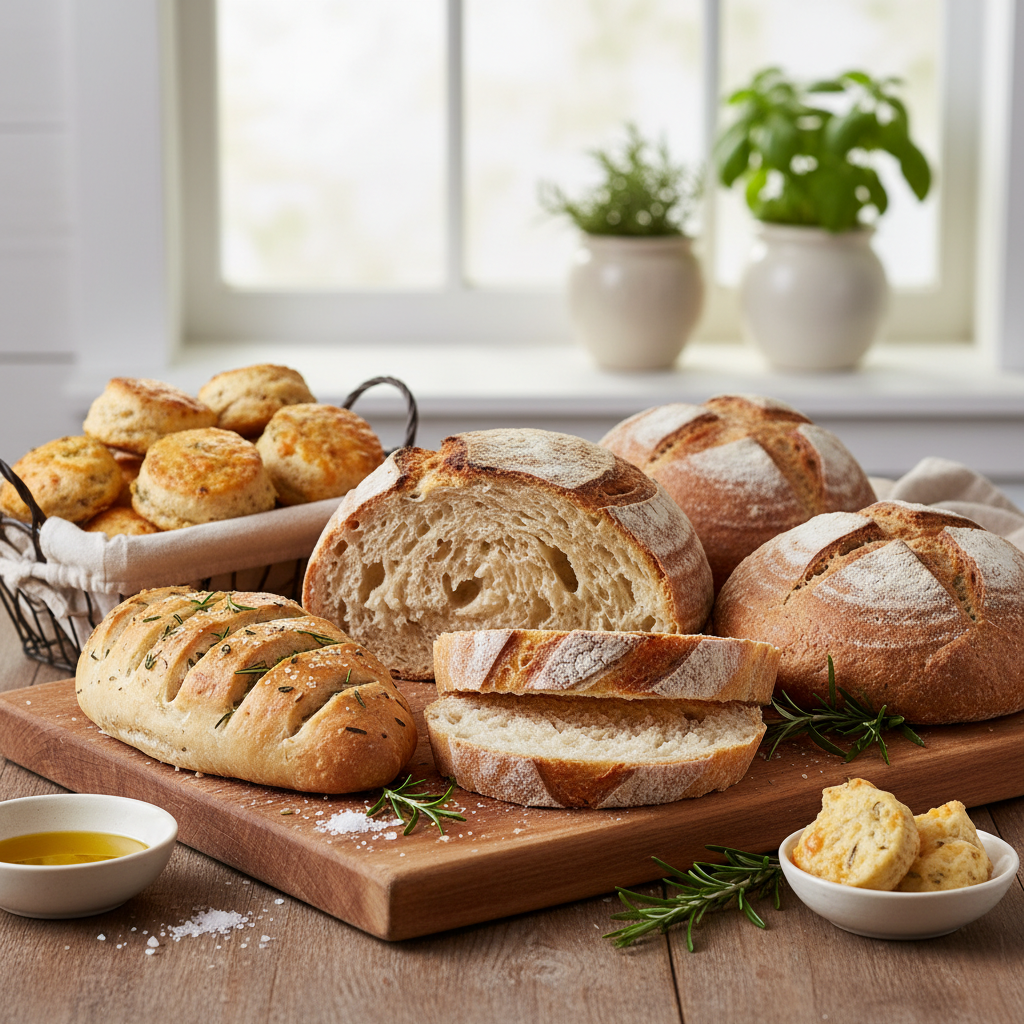
Quick Breads: Minimal Yeast, Maximum Flavor
There's a certain magic in baking, especially when you realize it doesn’t always require hours of commitment or the finesse of a French pastry chef. Quick breads exemplify this beauty of simplicity with their minimal yeast content, allowing home cooks to whip up delicious, flavorful loaves in no time. While traditional yeast breads can take hours to ferment and proof, quick breads utilize ingredients like baking powder and baking soda to achieve leavening, resulting in a light and airy texture. Perfect for a cozy breakfast, an afternoon snack, or a last-minute potluck contribution, quick breads empower you to get creative in the kitchen without the stress of timing that accompanies standard yeast bread recipes.
As we delve into the world of quick breads, you will discover that they can't be pigeonholed into one flavor profile or format. From savory herb-infused loaves to sweet fruits and nuts, quick breads come packed with variety. They incorporate a wide range of ingredients like buttermilk, yogurt, fruit purees, and even mashed vegetables, making each bread a unique experience. Moreover, depending on cultural influences, you have different variations, such as banana bread, zucchini bread, or cornbread, each with its distinct personality and cooking style.
So why blame the chef when you can become one yourself? With just a handful of basic techniques and ingredients, you’ll learn how to master this accessible yet rewarding cooking method. In this post, we’ll break down the principles and practices of quick bread preparation, providing you with numerous recipes, tips, and techniques to elevate your baking skills. Get ready to embrace the art of quick bread, where low yeast means maximum flavor!
The Basics of Quick Breads
Quick breads are unique in their preparation and baking methods. The primary leavening agents in quick breads are baking powder and baking soda, which react quickly when mixed into batters, resulting in a fast rise. This allows you to skip the lengthy rising times associated with yeast breads. Understanding how these leavening agents work is crucial to your baking success.
Understanding Leavening Agents
Baking soda is a pure chemical compound (sodium bicarbonate) that needs an acid to activate it. When mixed into a batter along with an acidic ingredient like yogurt, buttermilk, or vinegar, it produces carbon dioxide bubbles that create lift. The right ratio is essential: for every teaspoon of baking soda, you usually need about a half cup of acid.
Baking powder contains both acid and base components. When water is introduced, it activates and produces carbon dioxide. Most commercial baking powders are double-acting, meaning they work twice—once when mixed with the wet ingredients and again when heated in the oven. A good rule of thumb is to use 1 to 2 teaspoons of baking powder per cup of flour in your quick bread recipes.
Flour Power
The choice of flour impacts the texture of your quick bread significantly. All-purpose flour is commonly used for its versatility, but you can also experiment with:
Mixing Methods
The mixing method is one of the key components of successful quick bread baking. Overmixing can lead to dense, tough bread, so keep this in mind as you work with your batter.
“Practice makes perfect; don’t worry if your first loaf isn’t bakery-worthy. Just keep baking!”
Essential Quick Bread Recipes
Now that you understand the fundamentals, let’s dive into some essential quick bread recipes that showcase a variety of flavors and ingredients. Each recipe is designed to be simple, using minimal ingredients while delivering maximum taste.
Classic Banana Bread
Ingredients:
Method:
Savory Zucchini Bread
This quick bread is perfect for using up those summer zucchinis.
Ingredients:
Method:
Cinnabon Quick Bread
For a special treat, try this cinnamon swirl delight!
Ingredients:
Cinnamon Swirl Topping:
Method:
Enhancing Flavor Profiles
One of the joys of quick breads is their versatility. Let’s explore how you can elevate your quick breads through ingredient swaps and additions.
Spice It Up
Incorporating spices can drastically change the profile of your quick bread. Feel free to play around with:
Sweet Additions
Don’t hesitate to experiment with different sugars and sweeteners. Here are some great ideas for sweetening your quick breads:
Fresh Ingredients
Using fresh ingredients can make a quick bread stand out. Here are a few tips:
Adding Texture to Quick Breads
Texture is equally important in creating enjoyable quick breads. Let's look at various methods for enriching the texture, from fillings to toppings.
Nuts and Seeds
Adding nuts or seeds not only contributes healthy fats but also enhances the crunch factor. Here are great options:
Mix-Ins
Incorporating dried fruits or chocolate chips can elevate the enjoyment of your quick breads.
Toppings
Don’t underestimate the impact toppings can have on your quick bread. A simple sprinkle of raw sugar or seeds before baking can provide a delightful contrast to a soft interior.
“The beauty of quick breads lies in their ability to encourage creativity. Don’t be afraid to experiment!”
Common Mistakes and How to Avoid Them
As with all recipes, quick breads come with their common pitfalls, but forewarned is forearmed! Here are some useful tips on what to avoid during your quick bread endeavors.
Overmixing Your Batter
One of the most common mistakes is overmixing the batter, leading to a dense or rubbery texture. To avoid this:
Incorrect Oven Temperature
An inaccurate oven temperature can throw off your baking entirely.
Skipping the Cooling Stage
Patience is key. If you slice into your quick bread too soon, you might find it gummy or overly moist.
Tips for Successful Quick Bread Storage
Understanding how to properly store your quick breads can extend their shelf life, keeping your baked goods fresh.
Room Temperature vs. Refrigeration
Freezing
Freezing is an excellent way to enjoy quick breads at a later date without losing flavor.
Conclusion
Quick breads epitomize the joy of baking without years of training. With minimal reliance on yeast, you can explore countless combinations of flavors and textures with just a few ingredients and straightforward techniques. The flexibility and speed make it an ideal choice for both novice and experienced bakers. From classic recipes like banana bread to savory contributions like zucchini bread, quick breads offer a wonderful canvas for your creativity.
As you practice the art of quick bread baking, do not hesitate to innovate and customize recipes. Add your favorite spices, nuts, or fruits to develop a loaf that speaks to your palate. Remember, every bake is an opportunity to grow as a chef and add a personal touch. With the tips shared in this post, you are now ready to bring maximum flavor to your quick bread creations.
So, get your oven preheated, gather your ingredients, and blame the chef no longer—embrace your inner baker today! Happy baking!

Get the Next Recipe
Weekly recipes, techniques, and gear picks — straight to your inbox.
