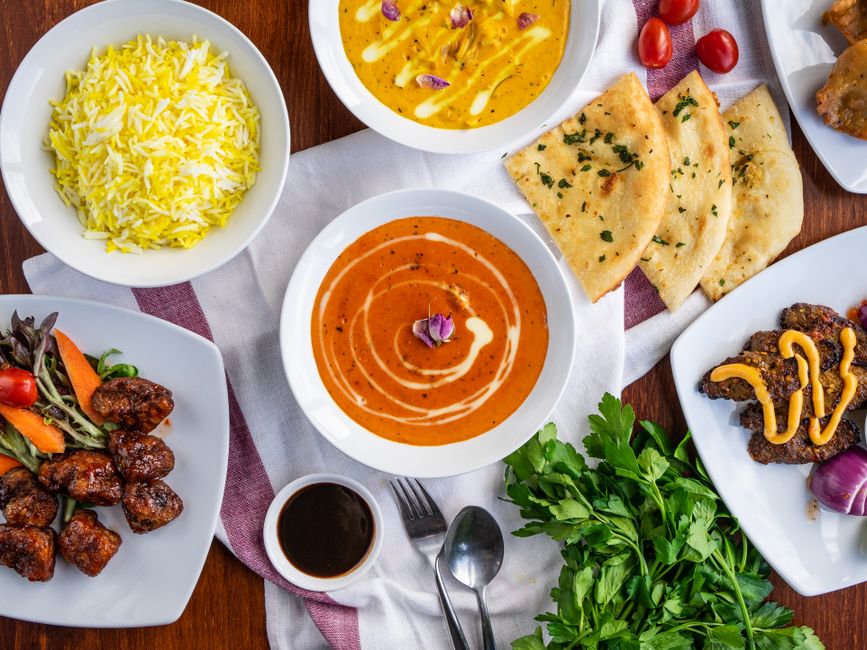
Regional Indian Curries: A Journey Through Spice Routes
To step into the world of Indian curries is to embark on a sensory pilgrimage that spans thousands of miles, centuries of trade, and a profound understanding of the alchemical properties of heat and aromatics. A curry is not a single dish, nor is it merely a culinary category; it is a complex architecture of flavors, a linguistic placeholder for the myriad ways cultures across the subcontinent use spice to transform humble vegetables, proteins, and legumes into something sublime. When we talk about "curry," we are speaking a language of nuance, where the difference between a golden hue and a deep mahogany lies in the exact second a tempered spice hits the hot oil. For the home cook, the journey begins by shedding the misconception of a generic "curry powder" and embracing the regional specificity that defines the Indian pantry.
Understanding the backbone of any great Indian curry starts with the concept of tempering, or tadka, which is the act of blooming whole spices in hot fat to extract essential oils before they are introduced to the primary base. This is not just a flavor step; it is a foundational technique that dictates the aromatic profile of the entire pot. Whether you are working with the pungent seeds of mustard in the south or the earthy cumin and coriander of the north, the fat acts as a medium that carries these volatile oils throughout the dish. Mastering the temperature of your fat—be it clarified ghee, mustard oil, or refined sunflower oil—is the most important skill you can develop in your home kitchen.
As we traverse these spice routes, we must respect the diversity of soil and climate, which dictated the ingredients available to the people of each region long before modern globalization. The coastal belts rely on coconut and tamarind to cut through the heat, while the arid north favors dairy, nuts, and the slow, deep warmth of black cardamom and ginger. To cook these dishes properly, one must adopt the mindset of a chef: patience is the primary ingredient, and sensory observation is your most accurate measuring tool. By the time we reach the end of this exploration, you will understand how to balance bitterness, heat, sourness, and umami, allowing you to recreate these authentic experiences within the comfort of your own home.
The Northern Heartland: Dairy, Heat, and the Art of the Slow Simmer
In the northern regions, particularly Punjab and the surrounding areas, the cuisine is defined by its richness and the sophisticated use of the tandoor and heavy-bottomed heavy pans. The curries here are characteristically thick, often relying on a base of tomatoes, onions, ginger, and garlic, rounded out with the richness of heavy cream or butter. This is the home of iconic dishes like Butter Chicken and Dal Makhani, where the primary goal is the development of a luxurious, velvety texture through hours of controlled heat.
Mastering the Base: The Bhuna Technique
The secret to the North Indian style is the bhuna technique—the process of frying the onion-tomato masala until the oil begins to separate from the solids. You should be aiming for a deep, rich brown color, but never a burnt one. If the mixture sticks, add a splash of water, scrape the bottom, and continue the process. This stage can take anywhere from 20 to 40 minutes.
Heat your ghee* to approximately 350°F.
* Add whole spices (cinnamon, cloves, green cardamom).
* Sauté onions until they transition from translucent to a deep, caramelized mahogany.
* Add ginger-garlic paste and sauté for exactly two minutes to remove the raw, bitter edge.
"A curry is only as good as the patience of the chef standing at the stove. If you rush the browning of the onions, you have essentially sentenced the dish to mediocrity before it has even begun."
When building these sauces, balance is achieved through the use of garam masala, a blend added only at the very end of the cooking process to preserve the delicate aromatics that would otherwise dissipate during the long simmer. For home cooks, learning to toast your own whole spices before grinding them into a fresh garam masala is the single best way to elevate your cooking from "tastes like a restaurant" to "tastes like a masterpiece."
The Coastal Influence: Coconut, Tamarind, and Mustard Seeds
Moving down to the western and southern coasts, the culinary narrative shifts dramatically. The heavy cream and butter of the north disappear, replaced by the cooling, rich fat of the coconut and the sharp, bright tang of tamarind. In regions like Kerala and Goa, the curries are often lighter in texture but significantly more potent in spice profile, frequently utilizing curry leaves and black mustard seeds to create a distinct, aromatic pop.
Tempering with Mustard Seeds
In these regions, the tadka is often performed at the very end of the cooking process rather than the beginning. The mustard seeds must be added to smoking hot oil until they pop—literally—which signifies that their internal structure has broken down to release a nutty, piquant aroma. If they do not pop, they remain bitter and hard, which can ruin the texture of the dish.
The balance of acid here is critical. Tamarind paste is the standard souring agent, providing a deep, fruity acidity that stands up to the sweetness of coconut milk. When working with coconut milk, never let the curry boil vigorously after adding it, as this can cause the milk to split. Maintain a gentle simmer to ensure the sauce remains silky and cohesive.
The Eastern Frontier: Mustard Oil and Vegetable Versatility
Eastern Indian cuisine, particularly in Bengal, is defined by its bold, pungent flavor profile and a mastery over fish and seasonal vegetables. The essential fat here is cold-pressed mustard oil, which has a sharp, sinus-clearing quality that is indispensable for authentic flavor. For those unfamiliar with it, the oil must be heated until it just begins to smoke to mellow its raw intensity.
The Power of Panch Phoron
One of the most unique aspects of the eastern spice route is the use of panch phoron, a five-spice blend consisting of cumin, nigella, fenugreek, aniseed, and mustard seeds. Unlike other blends, this is almost always used whole. It provides a complex, bitter-sweet profile that works exceptionally well with lighter vegetables like eggplant, okra, and bitter gourd.
Fenugreek seeds:* Add a subtle, maple-like depth.
Nigella seeds:* Offer a hint of smokiness and onion-like bite.
Fennel/Aniseed:* Provides a cooling, sweet top note.
"To truly understand the flavor profile of the East, one must embrace the pungency of the mustard seed. It is the bridge between the earthiness of the vegetables and the brightness of the herbs."
When cooking fish in these regions, the technique often involves a light searing of the fish in mustard oil before poaching it gently in a broth thickened with mustard paste. This creates a dish that is deeply fragrant and remarkably healthy, highlighting the freshness of the ingredients rather than masking them with heavy dairy or thick, nut-based purees.
The Plateau and the Interior: Peppercorns and Depth
The interior regions of India, often characterized by the arid landscapes of Maharashtra and Karnataka, bring us to a world of intense heat and rustic, robust flavors. These curries are often dark, dry, or semi-dry, utilizing a variety of roasted spices and often incorporating lentils or chickpeas as a textural base. Here, the heat isn't just about chilies; it is about the sustained, glowing burn of black peppercorns.
Dry Roasting: The Secret to Depth
In the interior, the aromatics are frequently dry-roasted in a pan without oil until they become fragrant and darken slightly. This process changes the chemical composition of the spices, bringing out a toasted, nutty character that is completely different from spices bloomed in fat. This is essential for creating the dark, complex masalas required for dishes like Laal Maas or Maharashtrian Kolhapuri curries.
* Maintain a medium-low flame.
* Keep the spices moving constantly to prevent scorching.
* Watch for the color change—from bright to a duller, richer shade.
* Allow the spices to cool completely before grinding them into a fine powder.
The use of black cardamom is prevalent here, providing a smoky, camphor-like note that can mimic the effect of cooking over a coal fire. When combined with the heat of dried red Kashmiri chilies, the result is a curry that is both fiery and deeply warming. It is a style of cooking meant for cooler climates or for those who appreciate the endurance of a long, spicy finish on the palate.
Ingredient Ratios and The Chemistry of Balance
Successful Indian cooking is essentially an exercise in chemical balance. You are working to neutralize the bitterness of certain spices with the natural sugars in onions, the acidity in tomatoes, and the fat in ghee. If a dish tastes "flat," it is almost always a sign that you have neglected one of the four flavor pillars: salt, heat, acid, or fat.
The Golden Ratios for Home Cooks
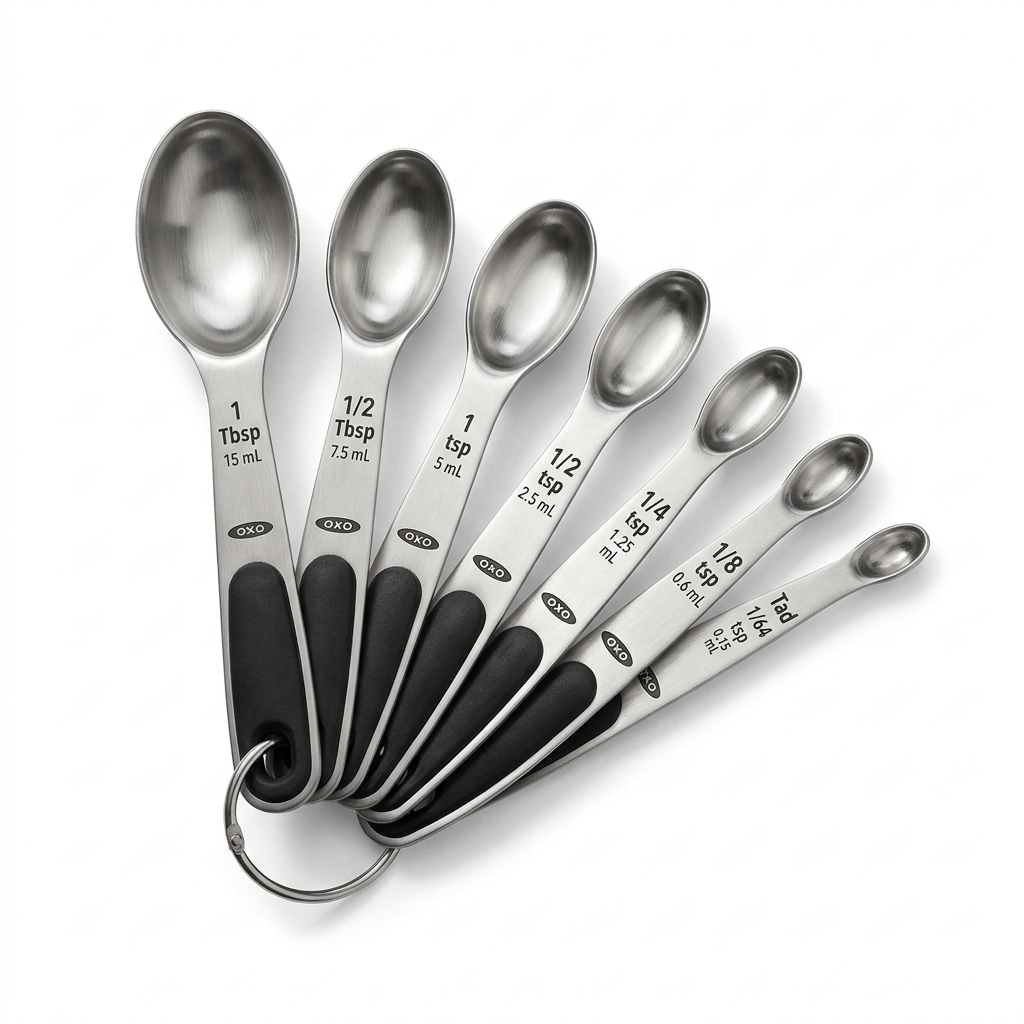
While intuition is key, starting with solid ratios will give you the confidence to innovate later. For a standard base sauce (masala) meant to serve four people, follow this template:
Adjusting your salt is an iterative process. Add a small amount at the beginning to help break down the onions, and a final adjustment at the end after the cream or coconut milk has been incorporated. Remember that salt levels will appear more intense once the curry has reduced, so always under-salt slightly during the simmering stage.
"The kitchen is an extension of the laboratory. When you add salt at the right moment, you aren't just seasoning; you are extracting the very essence of the aromatics trapped within the cell walls of your vegetables."
Do not be afraid of the heat level. Indian curries are not meant to be bland; however, the heat should be integrated, not sharp. Using a variety of chilies—fresh green chilies for an immediate bright heat, and dried red chilies for a slow, smoldering heat—creates a layered sensation that is far superior to simply dumping in a massive amount of generic chili powder.
Professional Chef Tips for Home Success
If you want to elevate your home cooking, you need to think like a professional line cook. Prep is everything. Have your spices measured into small bowls, your onions diced uniformly, and your herbs washed and chopped before you even think about turning on the stove. Indian cooking moves quickly once the tempering begins; you won't have time to go hunting for the cumin while the mustard seeds are popping in the oil.
Managing Temperature and Timing
Professional chefs understand that temperature control is the variable that separates a muddy sauce from a brilliant one. When you add ground spices like turmeric or cumin to your hot fat, they burn in seconds. Always have a "safety splash"—a small amount of water or tomato puree—on standby to drop into the pan immediately after the spices. This cools the pan, prevents the spices from burning, and creates a slurry that helps develop the flavor.
Uniformity:* Dice your onions as finely as possible for a smooth sauce, or keep them rustic for a chunkier, homestyle texture.
Quality of Ingredients:* If you are using pre-ground spices, make sure they are fresh. Spices lose their potency within 6 months. If your ground coriander doesn't smell like anything, your curry won't either.
Resting:* A curry almost always tastes better the next day. The resting period allows the spices to fully penetrate the protein or vegetables, resulting in a more cohesive flavor profile.
Finally, do not underestimate the importance of the finish. Fresh cilantro (coriander leaves) should be added right before serving, not during the simmer. The residual heat of the dish will release the herb's essential oils, adding a necessary top note of brightness that cuts through the heaviness of the cooked spices.
Beyond the Plate: The Cultural Context of Curry
It is important to remember that the dishes we label "curry" are, in their original context, deeply tied to the land and the people. When we cook these dishes, we are practicing a form of cultural transmission. We are respecting the farmers who grew the turmeric, the families who passed down the spice ratios, and the regional traditions that turned necessity into art.
Respecting the Roots
Whether you are making a delicate, yogurt-based curry from Rajasthan or a spicy, robust meat dish from the heart of the Punjab, the intent remains the same: to create a meal that nourishes the body and soul. Avoid the trap of "fusion" until you have mastered the basics. There is a reason these flavor combinations have persisted for centuries; they work because they are rooted in a deep understanding of ingredients and how they react to heat, time, and environment.
As you continue to cook, keep a culinary journal. Note the time it took for the onions to reach the perfect color. Note the effect of doubling the ginger. The more you document your successes and your near-misses, the more intuitive your cooking will become. Indian cuisine is not a collection of rigid rules, but a system of fluid techniques that reward the curious and the persistent.
Conclusion
The journey through the regional curries of India is one that never truly ends. It is a lifelong exploration of the interplay between spice, heat, and technique. From the creamy, dairy-rich gravies of the north to the sharp, coconut-laced dishes of the south, each curry tells a story of trade, migration, and the ingenuity of the human spirit. For the home cook, the path forward is clear: start by mastering the temper, embrace the patience required for a perfect bhuna, and never shy away from the vibrant, complex aromatics that define these legendary spice routes.
By focusing on the fundamentals—the quality of your fat, the timing of your tempering, and the careful layering of spices—you possess the tools to transform simple, seasonal ingredients into dishes that resonate with history and flavor. Remember that the kitchen is a space for both technical discipline and creative expression. Do not fear the process, and do not blame the chef if a dish doesn't come out perfectly the first time. Mastery is found in the repetition.
Ultimately, Indian cooking is an act of generosity. It is about bringing people together around a table filled with bowls of color, fragrance, and heat. When you share a meal that you have crafted with care, you are not just serving food; you are sharing a piece of a global culinary heritage. Keep your pans heavy, your spices fresh, and your heat controlled, and you will find that the world of Indian curries is as accessible as it is infinite. Now, head into your kitchen, turn on the flame, and let the aromas guide you. Your journey has only just begun.
Final Thoughts
As we wrap up this culinary tour, I want to leave you with one final piece of advice: trust your palate. Recipes are a blueprint, but your tongue is the ultimate judge. If a dish feels like it needs a bit more acid, a squeeze of lime or a teaspoon of amchur (dried mango powder) can work miracles. If it feels too heavy, a little more fresh cilantro or a pinch of salt can provide the necessary lift. The goal is to cook with confidence, to understand why your curry tastes the way it does, and to know how to adjust it on the fly.
The beauty of Indian cuisine lies in its ability to adapt. While I have provided you with specific techniques and regional context, these are meant to be your foundation, not your limitations. Explore the markets, seek out high-quality, whole spices, and experiment with the incredible variety of legumes and vegetables that are native to these regions. There is a whole world of flavor awaiting you, and the only barrier is the reluctance to start.
Thank you for joining me on this journey. "Blame The Chef" is here to support your culinary growth, to challenge your boundaries, and to celebrate the joy of home cooking. Keep learning, keep tasting, and most importantly, keep enjoying the process of bringing the spice routes of India into your own home. Until next time, keep your knives sharp and your spices blooming. The next meal you cook will be the best one you have ever made, provided you treat every ingredient with the respect and attention it deserves. Happy cooking, and may your kitchen always be filled with the intoxicating aroma of toasted spices and the warmth of a well-balanced curry.
Get the Next Recipe
Weekly recipes, techniques, and gear picks — straight to your inbox.
