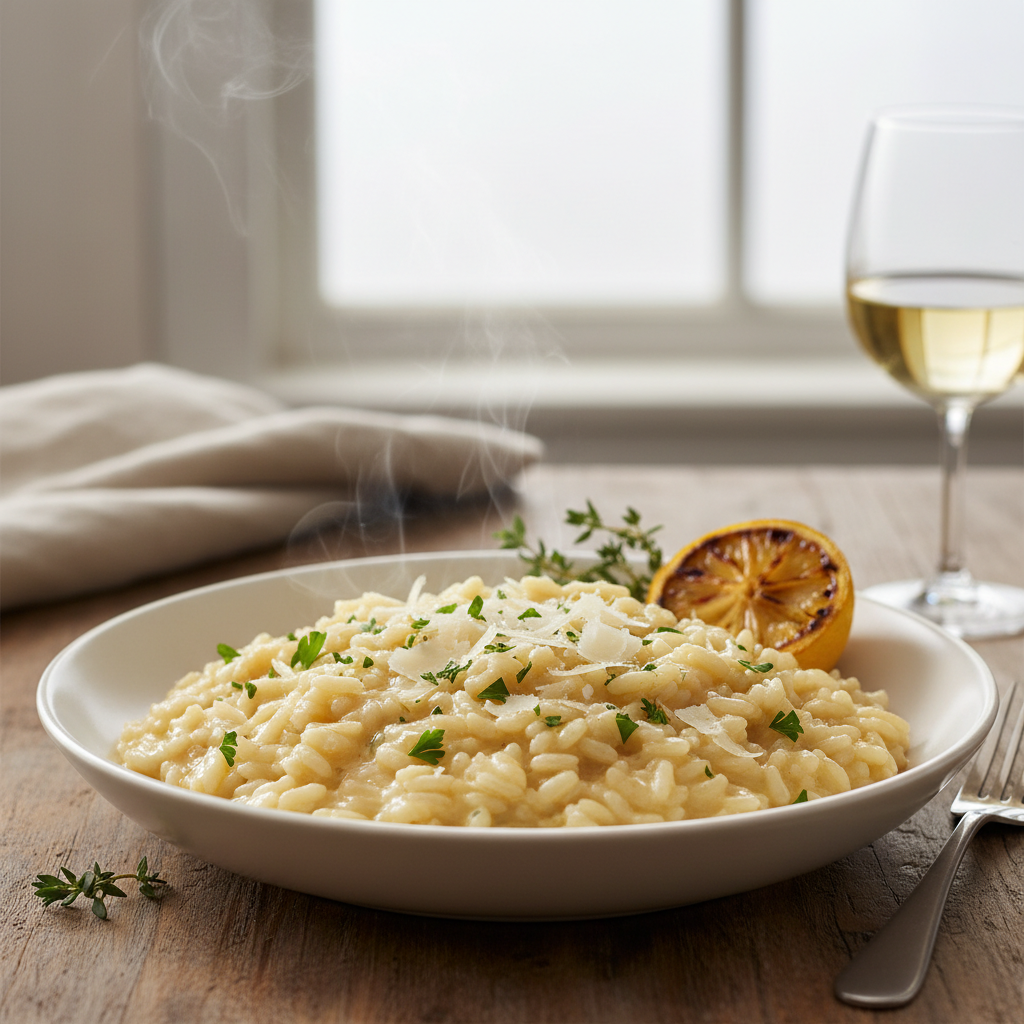
Risotto Mastery: Creamy Without Cream
Risotto, often viewed as the ultimate comfort food, is a dish that epitomizes the heart of Italian cuisine. Its creamy texture and rich flavor profile come from a deep understanding of the cooking process rather than the addition of fat-laden ingredients like cream. The magic of risotto lies in the arborio rice, a short-grain variety that, when cooked correctly, releases its starches creating that coveted creaminess. This creates a palate-pleasing, luxurious experience while allowing the inherent flavors of the other ingredients to shine through. By mastering the techniques and principles of risotto, you can impress family and friends alike with a dish that is not only simple but also transformative.
Cooking risotto requires more than just following a recipe; it demands attention and a bit of finesse. It’s a process that combines the gentle sautéing of aromatics, the gradual addition of liquid, and constant stirring to achieve that perfect creamy consistency. Each element plays a vital role in developing the risotto’s overall flavor and texture. This means that while the base recipe remains constant, the variations one can incorporate—from seasonal vegetables to rich seafood—are nearly endless, allowing home cooks to showcase their culinary creativity.
In this blog post, we will dive deep into the world of risotto, particularly focusing on how to achieve its coveted creaminess without the need for cream. We will explore the essential ingredients, the science behind the cooking process, and tips from professional chefs to elevate your dish. By the end, you'll know how to create a perfectly creamy risotto that will leave everyone singing your praises, all while keeping it healthy and light. Let's embark on this culinary journey together!
Understanding Risotto: The Foundation of Flavor
Risotto begins with an understanding of its basic components. The primary ingredient, arborio rice, is essential to achieve the desired texture. Arborio rice is high in amylopectin, a type of starch that, when heated gradually, releases a creamy consistency into the dish. Choosing quality rice is crucial to ensure a successful outcome, so look for authentic Italian-grown arborio rice at your local grocery store or specialty shops.
The second foundational element is the broth. A homemade or high-quality store-bought broth is vital for enhancing the flavor of your risotto. While you might use chicken or vegetable broth, consider using a homemade seafood stock if you're preparing a seafood risotto. The depth of flavor brought by a well-made broth is irreplaceable.
Moreover, the aromatics used at the beginning of cooking support the risotto's flavor base. Usually, this involves onions or shallots, and sometimes garlic for added depth. Begin the process by finely chopping your chosen aromatics and cooking them slowly in olive oil or butter until they become translucent and fragrant. This step is foundational as it sets the stage for the entire dish.
The Importance of Ingredients
While risotto requires just a few key ingredients, the quality of those components significantly influences the final outcome. Here’s a breakdown of what you should have on hand:
Although a simple recipe might include only basic ingredients, the variations available are remarkable. From adding seasonal vegetables like mushrooms or asparagus to proteins like shrimp or chicken, you can adjust the dish to your preferences and what's available.
The Science Behind Risotto
One of the interesting aspects of cooking risotto is the science behind the method. When arborio rice is heated, its starches begin to gel, creating that coveted creamy texture. This process thrives on the continuous release of starch as the rice cooks. The key here is the gradual addition of warm broth. Here’s how it works:
With these principles in mind, you are on your way to achieving risotto mastery!
The Perfect Risotto Technique
Now that we’ve covered the fundamentals, let’s delve into the technique of cooking a flawless risotto. Follow these steps to ensure your risotto turns out creamy and delicious.
Step-by-Step Risotto Preparation
- 1 cup of arborio rice
- 4 cups of stock (broth)
- 1 medium onion or shallot, finely chopped
- 2 tablespoons of olive oil or butter
- ½ cup of dry white wine
- Salt and pepper to taste
- 1 cup freshly grated Parmesan cheese
In a saucepan, heat your stock over low heat. It should be warm but not boiling during the entire cooking process. Keeping it warm prevents the temperature of the risotto from dropping when adding liquid.
In a heavy-bottomed pot or pan, heat the olive oil or butter over medium heat. Add the chopped onions and sauté for about 5-7 minutes until they are soft and translucent. If using garlic, add it in the last minute of sautéing to prevent it from burning.
Add the arborio rice to the pan. Stir it in with the onions and oil for about 2 minutes until the rice is slightly translucent and coated in the oil. This step is crucial for developing flavor and preventing the rice from clumping.
Pour in the dry white wine and stir, scraping the bottom of the pot. Cook until the wine is mostly absorbed by the rice. This brings acidity to balance the richness of the dish.
Once the wine has evaporated, begin adding the warm stock, one ladle at a time. Stir continuously, allowing each addition to absorb before adding the next. This step typically takes about 20-25 minutes.
After about 18 minutes, start testing the rice. It should be al dente—cooked through but still firm in the center. If you find it undercooked, continue adding broth and cooking for a few more minutes.
Once the rice is at your desired level of doneness, remove it from the heat. Stir in the grated Parmesan cheese to kick the creaminess into high gear. Adjust seasoning with salt and pepper to taste.
Allow the risotto to rest for a couple of minutes before serving. This brief rest time allows flavors to meld.
Pro Tips for Risotto Success
To take your risotto to the next level, consider these professional chef tips:
Popular Risotto Variations
While mastering a classic risotto is essential, exploring different varieties helps enhance your culinary skills. Each variation can introduce new flavors and textures, captivating the palate and keeping the dish fresh.
Mushroom Risotto
Mushrooms add an earthy depth to risotto.
- Substitute half of the broth with fresh mushroom stock.
- Add 1 cup of chopped mixed mushrooms (such as cremini, shiitake, or button) at the same time you add the rice.
- Sauté the mushrooms separately until golden brown and fragrant before combining them with the finished risotto. This ensures they maintain their texture and flavor.
Seafood Risotto
A seafood risotto is elegant and deeply satisfying.
- Use a seafood broth and add seafood such as shrimp, scallops, or mussels during the last 5-10 minutes of cooking.
- Decide if you want to complement the seafood with some zest. Consider adding lemon juice or zest to brighten the flavors.
Vegetable Risotto
Utilizing seasonal vegetables makes for a delightful and healthier risotto.
- Incorporate 1 cup of seasonal vegetables, such as peas, zucchini, or asparagus.
- Add them in during the last 10 minutes of cooking to ensure they retain their vibrant color and crunch.
Pumpkin Risotto
Pumpkin risotto is an affable autumn dish that warms the soul.
- Replace 1 cup of broth with pumpkin puree and add in 1 teaspoon of nutmeg for a warm flavor.
- Top with toasted pumpkin seeds and a sprinkle of goat cheese to enhance the creamy texture and add a crunch.
Common Mistakes to Avoid
As with any dish, risotto can come with its pitfalls. Here are common mistakes, along with tips on how to avoid them.
Overcooking the Rice
Overcooked risotto results in mushy grains and a less satisfying texture. Monitor the cooking carefully and begin tasting the rice around the 18-minute mark. Remember that it should be al dente when you take it off the heat.
Adding Cold Broth
Always ensure that your broth is warm. Adding cold liquid slows down the cooking process and affects the creamy texture you're trying to achieve.
Neglecting to Stir
Risotto requires constant attention; if you leave it unattended for too long, it can stick to the bottom of the pot or even burn. A gentle stir every couple of minutes is necessary for even cooking.
Skipping the Deglazing
Don’t skip the deglazing step with wine; this adds a critical layer of flavor to your risotto. If you prefer not to use wine, opt for a splash of lemon juice or replace it with more broth.
Pairing Risotto with Beverages
With risotto being a hearty dish, selecting the right beverages to accompany it can enhance your dining experience. Here’s how to pair your creations:
Wine Pairings
Non-Alcoholic Options
Beer Pairings
If you prefer beer, opt for lighter styles. A Pilsner or Blonde Ale can pair beautifully without overpowering the flavors.
Conclusion
Mastering risotto isn’t just about learning a simple recipe; it’s about developing an understanding of the ingredients and techniques that come together to create a beautiful dish. By learning how to infuse flavor without resorting to heavy creams, you showcase your culinary skills while offering a healthier alternative. As you continue to practice, don’t shy away from experimenting with various ingredients or techniques—each pot of risotto is a blank canvas waiting for your touch.
Ultimately, the journey to perfect creamy risotto without the use of cream is one filled with learning and creativity, making it a rewarding endeavor in the kitchen. Armed with these insights, approaches, and expert tips, you're now ready to gather your ingredients and start cooking. Remember, the journey is just as important as the destination, so enjoy the process, the aromas wafting through your kitchen, and the joy of sharing a delightful meal with those you love. Happy cooking!
Get the Next Recipe
Weekly recipes, techniques, and gear picks — straight to your inbox.
