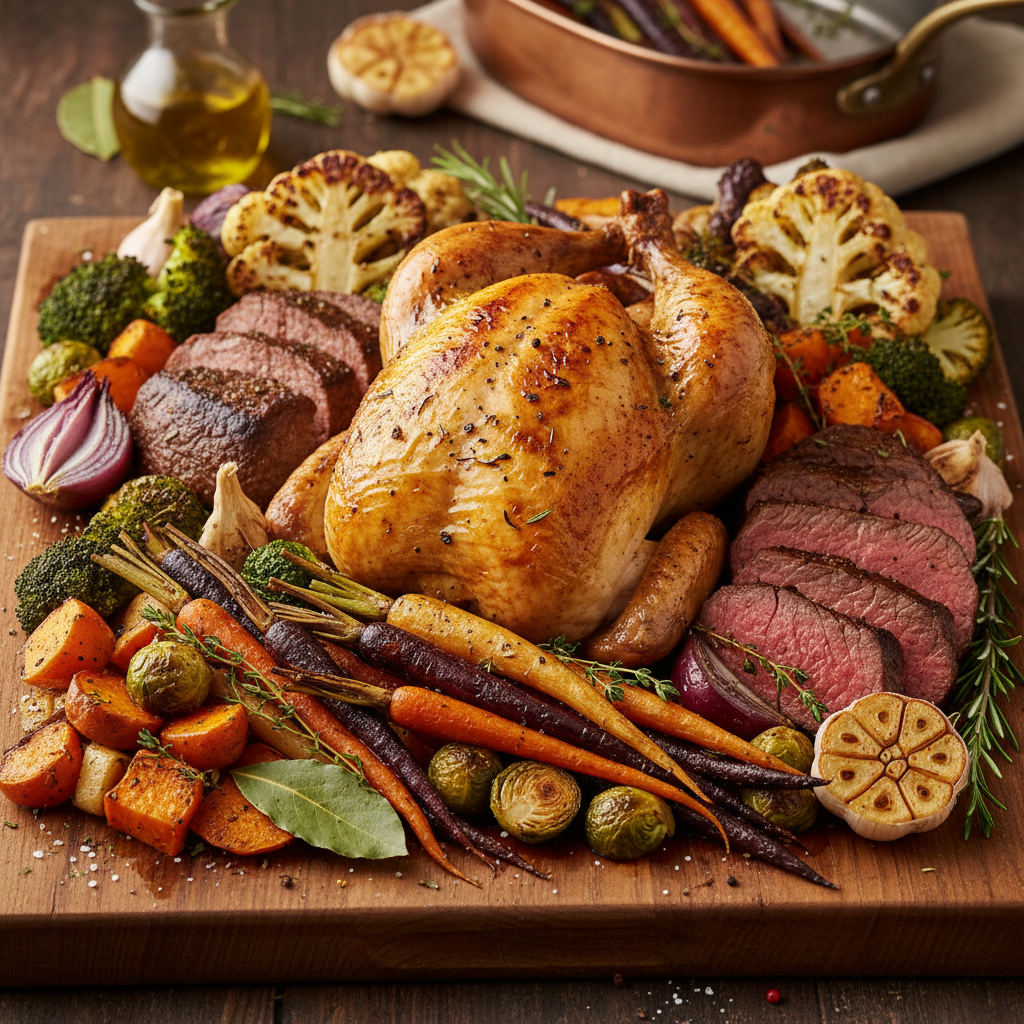
Roasting Mastery: Vegetables, Meats, and Aromatics
Roasting has long been a revered culinary technique that transforms bland ingredients into mouthwatering dishes through the magic of dry heat. Though often associated with cozy home-cooked meals, this ancient method is steeped in science and art. Whether you are roasting vegetables to achieve that perfect caramelization, meats to enhance their natural flavors, or fragrant aromatics that lay the foundation of a great dish, mastering the art of roasting can elevate your kitchen repertoire. This post will guide you through the techniques and secrets of roasting, offering insights that will transform your culinary experiences.
The beauty of roasting lies in its versatility. It is a cooking method suited for a wide variety of ingredients—from hearty root vegetables to succulent cuts of meat. By employing the principles of roasting, you can achieve a delicious crust on the outside while ensuring a tender and juicy interior. It allows flavors to develop and concentrate, making it a favorite technique among home cooks and professional chefs alike. As you explore the nuances of roasting, you'll discover how seasoning, timing, and the right equipment can lead to perfect results every time.
In this guide, we will delve into the fundamentals of roasting, examining the essential techniques, the principles of heat transfer, and how to choose the right ingredients. Additionally, we will share tips and tricks to avoid common pitfalls and ensure your roasted creations are always met with rave reviews. So, grab your apron and let’s get roasting!
Understanding the Science of Roasting
Before embarking on our roasting journey, it’s essential to grasp the science behind this technique. Roasting primarily uses dry heat, often achieved in an oven, which allows the food to cook evenly while developing a flavorful exterior. The beauty of roasting lies in the Maillard reaction—the chemical reaction that occurs when proteins and sugars in food are exposed to heat and start to caramelize and brown. This not only enhances flavor but also adds depth and richness that is the hallmark of well-roasted dishes.
Heat Transfer and Air Circulation
Roasting works primarily through conduction, convection, and radiation:
To maximize roasting efficiency, proper air circulation is key. Overcrowding the roasting pan can trap steam and prevent the Maillard reaction, leading to soggy instead of crispy exteriors. Always ensure your ingredients are spaced apart so that hot air can circulate freely.
The Role of Temperature and Timing
Roasting requires a careful balance of temperature and timing. Most vegetables can be roasted at temperatures between 400°F and 450°F (204°C to 232°C). This high heat is crucial for caramelization and achieving that desired crispy texture. In contrast, meats often benefit from a two-step roasting process—starting at a higher temperature to sear the outside and then lowering the temperature to allow for gentle cooking.
Here’s a quick reference for roasting temperatures:
For timing, remember that a general rule of thumb for roasting meat is to allow about 15-20 minutes per pound for larger cuts. Always trust your meat thermometer—doneness temperatures vary based on the type of meat.
"Trust your instincts, but a good thermometer will never lie—invest in one for perfectly roasted meats every time."
Preparing Your Ingredients
The success of any roasting endeavor relies heavily on how you prepare your ingredients. Being mindful of cut size, seasoning, and ingredient quality will go a long way in achieving restaurant-worthy results.
Choosing Quality Ingredients
When selecting vegetables and meats for roasting, opt for fresh, in-season produce and high-quality meats. Seasonal vegetables will not only taste better but often require less seasoning due to their natural flavors. For meats, look for well-marbled cuts, as the fat ensures moistness and flavor during cooking.
Cutting and Preparing
Vegetables: For uniform roasting, aim for similar sizes. Root vegetables such as potatoes, carrots, and turnips can be cut into 1 to 2-inch cubes to promote even cooking. For quicker roasting, consider thinner cuts but be aware they may cook faster.
Meats: Trim excess fat to avoid flare-ups and smoking in the oven; however, leave some fat for flavor. If cooking larger roasts, it can be beneficial to tie the meat with kitchen twine for even cooking.
Seasoning
A good roast always starts with salt and pepper, but don’t shy away from experimenting with herbs and spices. Dry rubs based on your preferred flavor profile can enhance the natural taste of the ingredients. Consider these classic rub ideas:
Remember to season both the surface and the interior of meats, especially poultry.
The Roasting Process
Once your ingredients are prepped and seasoned, it’s time to dive into the roasting process itself. Understanding the steps will help ensure everything cooks perfectly to achieve maximum flavor and texture.
Choosing the Right Pan
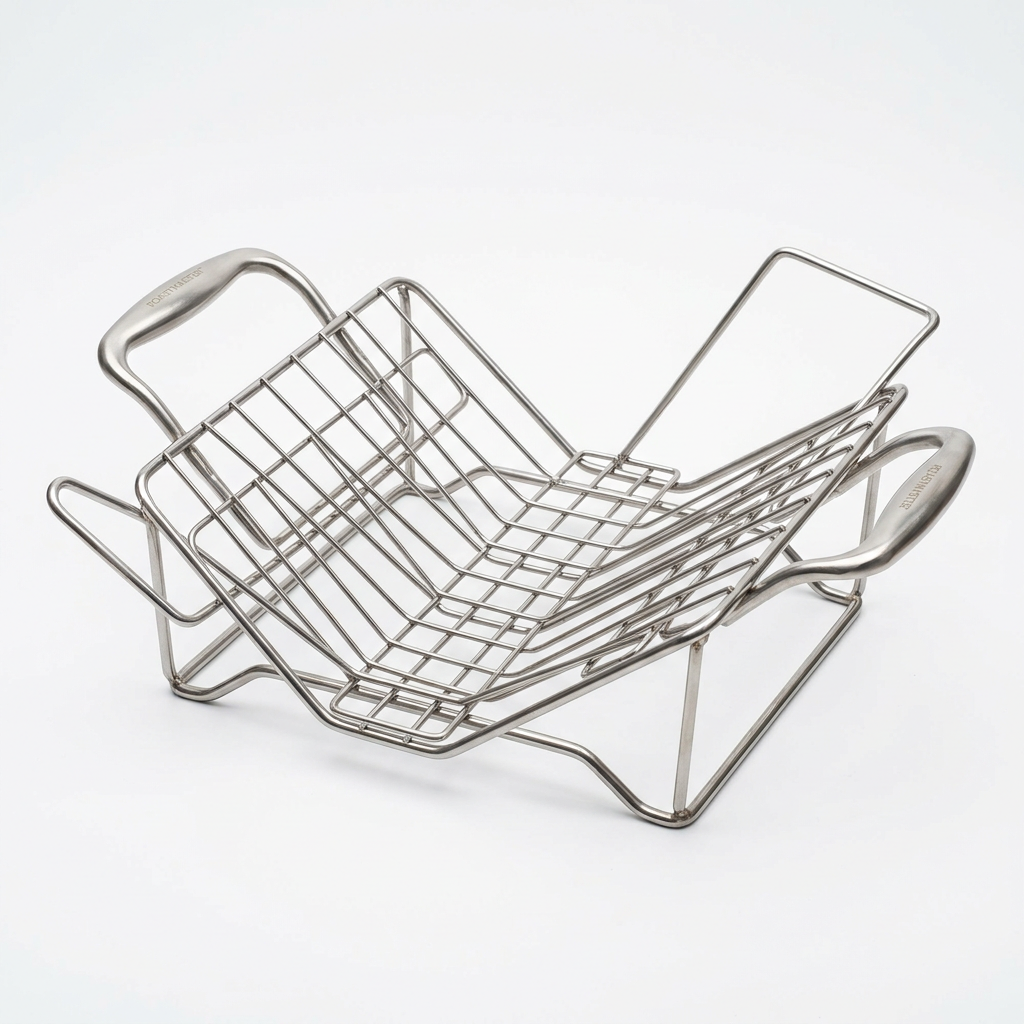
The type of roasting pan you use can affect the outcome of your dish. Here are some tips for choosing the right pan:
Arranging Ingredients
When placing ingredients in your roasting pan, avoid overcrowding to allow adequate airflow. Utilize the following stratagem:
The Roasting Technique
Here’s a step-by-step approach to roasting:
"Resting meat after roasting is essential. Let it rest for at least 10-15% of the cooking time to ensure tenderness and juiciness."
Roasting Vegetables
Roasting vegetables is a technique that showcases their natural sweetness and flavor. The right combination of temperature and time can turn humble veggies into the star of the meal.
Which Vegetables to Roast
Almost all vegetables can be roasted, but some varieties shine during the process:
Roasting Techniques for Vegetables
Complementary Flavors
Sprinkle vegetables with fresh herbs (like basil, thyme, or parsley) just before serving to add brightness. Adding a dash of balsamic vinegar or citrus juice post-roasting can elevate their flavor even more.
Roasting Meats to Perfection
Roasting meats can seem intimidating, but with the right approach, it becomes second nature. From choosing the right cut to assessing doneness, we’ll cover everything you need to know to roast meats like a pro.
Selecting Cuts of Meat
Your choice of meat will highly influence the roasting technique you’ll employ. Here are some options:
Essential Techniques for Meats
Doneness Temperatures for Meats
Ensure your meats reach safe internal temperatures before serving:
Allow meats to rest for a few minutes post-roasting, as this redistributes the juices for a juicy and tender result.
Aromatics: The Unsung Heroes of Roasting
Aromatics play a crucial role in amplifying the flavors of roasted dishes. These flavor-building ingredients should not be overlooked as they enrich the overall profile of your meal.
Common Aromatics for Roasting
Incorporating Aromatics
To maximize their potential:
Creating a Flavorful Roasting Base
After roasting, consider deglazing the pan with wine or broth to create a aromatic sauce or gravy that captures all the roasting drippings. Simply add your chosen liquid to the hot roasting pan, scraping up all those flavorful brown bits, and reduce until thickened—this versatile base can transform your meal!
Troubleshooting Common Roasting Issues
Even experienced cooks can face challenges during the roasting process. Understanding how to troubleshoot will make you a confident roaster.
Overcooking or Undercooking
Uneven Cooking
Excessive Sogginess
If vegetables are steaming rather than roasting, it usually means they’re overcrowded. Ensure there’s enough space for air circulation, and increase the oven temperature slightly if necessary.
Final Thoughts
Mastering roasting is a gateway to creating dishes that are not only delicious but also satisfying to prepare. By understanding the science behind the technique, selecting quality ingredients, and employing thoughtful methods, you can achieve impeccable results. With practice, your confidence will grow, and roasting can become a joy in your culinary journey.
Remember, roasting isn't just about achieving perfect texture and flavor; it's also about sharing love and warmth in your kitchen. So gather your ingredients, embrace the process, and remember that even the most well-planned recipes may unfold in unexpected and delightful ways. Cheers to your next roasting adventure!
Get the Next Recipe
Weekly recipes, techniques, and gear picks — straight to your inbox.
