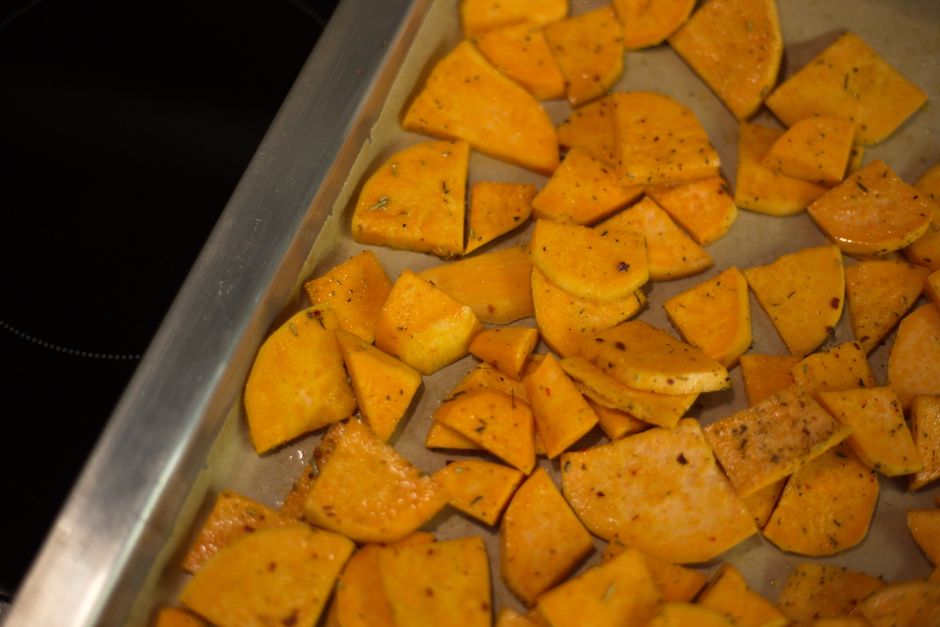
Roasting Vegetables: Time, Temperature, and the Path to Depth
For many home cooks, roasting vegetables is seen as a utilitarian task, a simple means of getting nutrients onto the dinner plate after a long day. It is often relegated to a quick toss in oil and a haphazard stint in a hot oven, resulting in vegetables that are either mushy, burnt, or woefully under-seasoned. However, when treated with intention and an understanding of the science behind heat application, roasted vegetables can transcend their humble origins. They can become the centerpiece of a meal, possessing a depth of flavor and a textural complexity that rivals any protein. At "Blame The Chef," we believe that the difference between a mediocre side dish and a transformative culinary experience lies in the mastery of time, temperature, and technique.
To achieve this level of excellence, one must first dismantle the misconception that all vegetables respond to heat in the same way. The structural integrity of a delicate zucchini is vastly different from that of a dense, starchy sweet potato or a fibrous knob of celeriac. Mastering the roast requires an intimate familiarity with your oven's personality and the physical characteristics of your produce. It is not merely about making things brown; it is about facilitating the Maillard reaction and caramelization, processes that unlock inherent sugars and create savory, complex flavor compounds that define professional-grade cooking. When you approach the roasting tray with a chef’s mindset, you stop treating heat as a blunt instrument and start using it as a precise tool for culinary artistry.
This guide is designed to move you beyond the basics, equipping you with the knowledge to read your vegetables and manipulate your environment to ensure perfection every time. We will explore the critical intersections of surface area, moisture content, and lipid selection, providing you with a roadmap to achieve that coveted balance of a crisp exterior and a tender, concentrated interior. Whether you are working with humble root vegetables or seasonal crucifers, the principles remain constant. By the end of this exploration, you will understand why "Blame The Chef" insists that roasting is not just a method, but a philosophy. Let us begin the journey toward roasting excellence, where the oven becomes a laboratory for flavor and every sheet pan yields a masterpiece.
The Chemistry of the Roast: Understanding Heat and Surface
At the heart of every successful roast is the dual action of conduction and evaporation. When you place a vegetable into a hot oven, you are initiating a race between the surface and the center. The goal is to reach the target internal temperature while creating a golden-brown crust. If your oven temperature is too low, the vegetable will stew in its own moisture, resulting in a soft, lackluster texture. Conversely, if the heat is too aggressive without proper fat distribution, you risk scorching the exterior before the heat can penetrate the core. Understanding this delicate balance is the first step toward professional-grade roasting.
The Maillard Reaction vs. Caramelization
Many home cooks conflate the Maillard reaction with caramelization, but understanding the distinction is vital for flavor development. The Maillard reaction is a chemical reaction between amino acids and reducing sugars that gives browned food its distinct, savory flavor; it typically begins around 285°F to 330°F (140°C to 165°C). Caramelization, on the other hand, is the pyrolysis of sugar—the breakdown of sugar molecules under high heat—which creates a nuttier, sweeter profile. Both processes are facilitated by proper surface dehydration. If a vegetable is too wet, it will never reach the temperatures necessary for these reactions to occur, remaining steamed rather than roasted.
Moisture Management
The primary enemy of a good roast is excessive surface moisture. Before even considering the oven, your preparation phase is crucial. Always pat your vegetables dry with a clean kitchen towel or paper towel after washing them. If you are roasting vegetables that have been sitting in the refrigerator, let them come to room temperature for at least 20 to 30 minutes before seasoning. This prevents the immediate drop in tray temperature when the cold produce hits the hot metal. The drier the surface at the start, the faster the browning will begin, leading to a much higher concentration of flavor.
"The difference between a roasted vegetable that merely exists and one that sings is the sound of the sizzle when it hits the pan. If there is no sizzle, there is no depth."
Selecting Your Fat and Seasoning Strategy
While vegetables are the canvas, the fat you choose is the medium that carries heat and flavor. High-heat roasting demands fats with a high smoke point, such as avocado oil, grapeseed oil, or refined coconut oil. While extra virgin olive oil is a culinary staple, its smoke point is relatively low, meaning it can impart a bitter, burnt taste if roasted above 400°F (200°C) for an extended period. For daily roasting, a high-quality neutral oil is often superior, allowing you to finish the dish with a drizzle of premium olive oil after the roasting process is complete, preserving its delicate aromatic profile.
The Ratio of Fat to Surface Area
A common mistake is using too little fat. You want each piece of vegetable to be lightly coated—not swimming—but thoroughly glisten. The fat acts as a conductive bridge between the hot metal of the tray and the uneven surface of the vegetable. Without adequate fat, heat transfer is inefficient, leading to dry, leathery patches. Aim for roughly one tablespoon of oil per pound of firm vegetables. For softer vegetables like eggplant or squash, you may need slightly more, as these items act like sponges and will absorb the fat, which is necessary to soften their fibers and provide richness.
Salt Timing: A Controversial Topic
There is a long-standing debate about when to salt vegetables. While salt draws out moisture—which we have established can be a hindrance—it also serves to season the interior of the vegetable as it cooks. At "Blame The Chef," we advocate for salting right before the tray goes into the oven. The salt will indeed pull a small amount of moisture to the surface, but this moisture will quickly evaporate in the high heat, assisting in the development of that delicious, salty crust. Seasoning with herbs and spices like rosemary, thyme, or smoked paprika should be done carefully; dried herbs can burn at temperatures above 400°F, so consider adding them during the last 10 minutes of cooking.
Temperature Control: Finding the Sweet Spot
The "standard" roasting temperature of 350°F is often insufficient for most vegetables. While it might cook them through, it lacks the intensity to drive true caramelization. We recommend a baseline of 400°F to 425°F (200°C to 220°C). This temperature range provides the aggressive heat required for the Maillard reaction while still allowing enough time for the center of denser vegetables to become tender. For thinner, water-heavy vegetables like asparagus or green beans, push the temperature to 450°F (230°C) for a shorter, high-impact roast that keeps them snappy.
Oven Placement and Airflow
The position of your rack matters more than you might think. For deep, even roasting, the middle rack is standard, but if you desire extra crispiness on the bottom of your vegetables, move the rack to the lower third of the oven. However, be cautious: the bottom heating element is intense and can burn the undersides of your food if you aren't vigilant. Furthermore, ensure that your oven is not overcrowded. If the sheet pan is jammed with vegetables, they will release steam and crowd out the hot air, turning your roast into a soggy mess. Give them breathing room; a single layer with gaps between pieces is the golden rule.
Dealing with Convection
If you have a convection setting on your oven, use it, but adjust your timing. Convection ovens circulate hot air via a fan, which significantly accelerates the browning process. If a recipe calls for 30 minutes at 400°F in a standard oven, expect it to take about 20 to 25 minutes in a convection oven. Always reduce your temperature by 25°F (15°C) when using convection to prevent the exterior from burning before the inside is cooked through. The result of convection is often more uniform, as the constant airflow minimizes cold spots.
Categorizing Vegetables by Density
Not all roasting journeys are the same. Vegetables can generally be divided into two categories: dense, starchy, or fibrous roots (potatoes, carrots, beets, parsnips) and delicate, high-moisture vegetables (zucchini, bell peppers, tomatoes, broccoli). Recognizing which category your ingredient falls into is key to timing your prep and your oven settings. If you are roasting a medley of different types, you must cut them to sizes that allow them to finish at the same time.
The Art of the Knife
The size of your dice is the most important factor in timing. A carrot cut into half-inch cubes will roast significantly faster than a carrot left in large, rustic chunks. For a professional-looking and evenly cooked sheet pan, aim for uniformity. If you are roasting a mix of large carrots and smaller florets of broccoli, cut the carrots smaller and the broccoli larger to compensate for their different cooking speeds. Consistency in shape promotes consistency in texture, which is the hallmark of a skilled cook.
Layering the Cooking Process
For complex dishes involving a variety of vegetables, consider a staged cooking approach. Start your long-roasting items (like potatoes or beets) first. After they have had a 15-minute head start, pull the tray out, add your faster-cooking items (like peppers or onions), toss everything with a bit more oil if necessary, and return it to the oven. This ensures that no single vegetable on your pan is overcooked and mushy while others remain raw. It is a simple technique that elevates the final result from a messy pile to a composed, intentional dish.
"To master the oven is to master the clock. A vegetable's texture is not accidental; it is the direct consequence of the duration of heat exposure."
The Finishing Touches: Beyond the Oven
The moment you pull your tray out of the oven, the work is only 90% complete. Most home cooks serve immediately, but a few final steps can bridge the gap between "good" and "chef-level." First, taste your vegetables for seasoning. The intensity of roasting concentrates flavors, which can sometimes make salt seem less effective than it was when raw. A final, light sprinkle of flaky sea salt or a touch of acidity—a splash of aged balsamic, a squeeze of lemon juice, or a dash of sherry vinegar—can cut through the sweetness of caramelized vegetables and provide a bright, necessary contrast.
Incorporating Aromatics and Texture
The heat of a finished tray is the perfect environment to introduce delicate herbs or crunchy additions that would burn if added earlier. Freshly chopped parsley, chives, or mint provide a burst of freshness that offsets the deep, earthy flavors of roasted roots. To add texture, consider a scattering of toasted nuts, toasted sesame seeds, or a crumble of high-quality feta or goat cheese. These additions add a sensory layer that makes the dish feel more complex and complete.
The Role of Resting
Just like a steak, roasted vegetables benefit from a short rest. When you pull the pan from the oven, the vegetables are still carrying residual heat and the moisture distribution is settling. Letting the tray sit for three to five minutes allows the fibers to relax and the flavors to meld. This is also the perfect time to perform your final seasoning adjustments, as the vegetables are cool enough to be tasted but warm enough to have their full aromatic profile active.
Professional Tips for Success
Use Parchment Paper:* It makes cleanup easier and prevents delicate vegetables from sticking to the pan, which is crucial for preserving the crust you worked so hard to achieve.
Avoid Over-crowding:* As mentioned earlier, if you need to roast a large amount, use two trays rather than one overflowing pan.
The "Pan-Flip":* For the most even browning, flip every piece of vegetable individually using tongs halfway through. It is time-consuming, but for a special dinner, it ensures professional-grade results.
Keep it Simple:* Sometimes, the best-roasted vegetables need nothing more than good salt, pepper, and a high-quality fat. Don't overcomplicate your seasonings until you have mastered the technique itself.
Troubleshooting Common Issues
Even with the best intentions, things can go wrong. If you find your vegetables are turning out burnt on the outside but raw in the center, your oven temperature is likely too high for the size of your cuts. Reduce your heat by 25°F and increase your cooking time by 10 minutes. If your vegetables are consistently soggy, you are almost certainly overcrowding the pan, which prevents moisture from escaping. Try roasting in two batches, or simply roast less at once.
The Problem of Uneven Browning
If only one side of your vegetables is browning, you are neglecting to flip them. Vegetables do not rotate themselves. You must intervene. If your oven has a "hot spot"—a common occurrence in older models—make sure to rotate your pan 180 degrees halfway through the cooking process. You might also find that the side of the vegetable touching the pan browns beautifully while the top stays pale. This is normal; simply give everything a vigorous toss halfway through to ensure every surface sees the heat.
When to Blame the Vegetable
Sometimes, the issue is not the technique, but the produce itself. Out-of-season vegetables, particularly those that have been stored for too long, often lack the natural sugars required for effective caramelization. If you find that your carrots or squash are not browning despite your best efforts, they may be low in sugar. In these cases, you can cheat the system by tossing them with a tiny amount of maple syrup or honey before roasting, which will aid in browning and boost the flavor profile.
Advanced Techniques: Steam-Roasting and Glazing
If you want to take your roasting to the next level, look into the concept of steam-roasting. By covering your pan with foil for the first half of the cooking time, you create an environment where the vegetables steam in their own juices, ensuring the centers are perfectly cooked. Then, remove the foil for the second half of the roast to allow the surface to caramelize. This hybrid method is particularly effective for very dense items like winter squash, large whole-roasted onions, or even thick-cut cauliflower steaks, ensuring a meltingly tender interior without the risk of an burnt exterior.
The Power of the Glaze
Glazing adds a layer of sophistication that transforms a vegetable side into a dish that could stand on its own. Towards the end of the cooking process—when the vegetables are about 90% tender—brush them with a mixture of melted butter and a sweetener or acidic element. For carrots, a mixture of honey and ginger is classic. For Brussels sprouts, a glaze of maple syrup and grain mustard provides a fantastic balance. The sugar in the glaze will quickly darken under the high heat of the final few minutes, creating a gorgeous, flavorful lacquer.
Developing Flavor Compounds
Think about the flavor profiles you are building. If you are roasting earthy vegetables like beets or turnips, pair them with robust, woody herbs like rosemary and sage. If you are roasting brighter, summer vegetables like zucchini and bell peppers, reach for basil, oregano, or a hint of citrus zest. The goal is to build a cohesive flavor story rather than simply tossing on every spice in your cupboard. Professional cooking is about restraint; let the inherent sweetness of the roasted vegetable be the star, and use your seasonings as the supporting cast.
"A great dish is not defined by how many ingredients you add, but by how well you allow each ingredient to realize its full potential through heat and timing."
Conclusion
Mastering the art of roasting vegetables is one of the most rewarding endeavors for any home cook. It is a fundamental skill that shifts your relationship with food, moving you from following recipes by rote to understanding the underlying mechanics of your kitchen. By controlling your heat, managing your moisture, and selecting your fats with purpose, you elevate simple garden-grown items into a dining experience that is both satisfying and complex. The oven is a powerful tool, but it is your knowledge of how to use it that creates the magic.
As you move forward, keep these principles in mind: prioritize dryness, respect the density of your ingredients, don't fear higher temperatures, and always, always give your vegetables the space they need. Do not be discouraged by the occasional burnt batch or the slightly undercooked root; every mistake is a data point that brings you closer to intuitive cooking. The goal is to reach a point where you no longer need to check the clock every five minutes, but instead, you can look at the pan, feel the heat, and know exactly when the transformation is complete.
"Blame The Chef" is built on the belief that culinary confidence is not innate—it is earned. Every time you roast, you are refining your palate and sharpening your technique. Continue to experiment with different combinations of vegetables and fats, and don't be afraid to push the limits of your oven's capabilities. Remember that cooking is an ongoing practice, and the simple act of roasting a tray of vegetables is a beautiful, daily ritual that connects you to the ingredients and the process. So, preheat your oven, grab your best heavy-duty tray, and let the Maillard reaction do its work. Your kitchen is your laboratory, and the results are waiting.
Final Thoughts
We have traveled a long way from the basic, soggy tray of vegetables that many of us grew up eating. You now possess the foundational knowledge of how heat interacts with produce, why surface moisture is your primary concern, and how to manipulate your oven environment to achieve professional-level caramelization. It is these small, technical details—the choice of oil, the spacing on the sheet, the timing of your aromatics—that define the difference between amateur preparation and chef-led mastery.
Always remember that roasting is a high-reward, low-effort technique if you apply the right principles. It is the perfect method for showcasing the seasonal shifts in your pantry, from the hearty, earth-bound tubers of mid-winter to the tender, succulent harvests of late summer. By mastering these basics, you gain the freedom to improvise, creating unique dishes that reflect your own taste and style. Whether you are serving a simple dinner for two or hosting a grand celebration, your perfectly roasted vegetables will consistently steal the show.
Finally, keep a notebook. Write down the temperatures, the timings, and the combinations that yielded the best results for you. Because every oven is calibrated differently, your notes will become the most valuable tool in your kitchen arsenal. When you master your environment, you gain the power to produce excellence on command. At "Blame The Chef," we hope this guide serves as your constant reference, a reliable companion for all your future roasting adventures. Now, get back into the kitchen, turn up the heat, and remember: if it’s not brown, it’s not finished. Happy roasting, and may your sheet pans always be perfectly seasoned.
As you continue to refine your skills, look for opportunities to source local, seasonal produce. The inherent quality of the vegetable itself will always be the most significant variable in your outcome. When you start with excellent, farm-fresh ingredients, your technique merely acts to highlight the natural beauty and depth of flavor already present. It is a partnership between the grower and the cook, and when done correctly, the result is nothing short of transcendent. Keep refining, keep tasting, and keep pushing the boundaries of what you think your vegetables can become. The path to depth is paved with high heat and a little bit of patience. We look forward to seeing the wonderful creations you bring to your table. Your journey toward culinary excellence is just beginning, and we are proud to be a part of it.
Get the Next Recipe
Weekly recipes, techniques, and gear picks — straight to your inbox.
