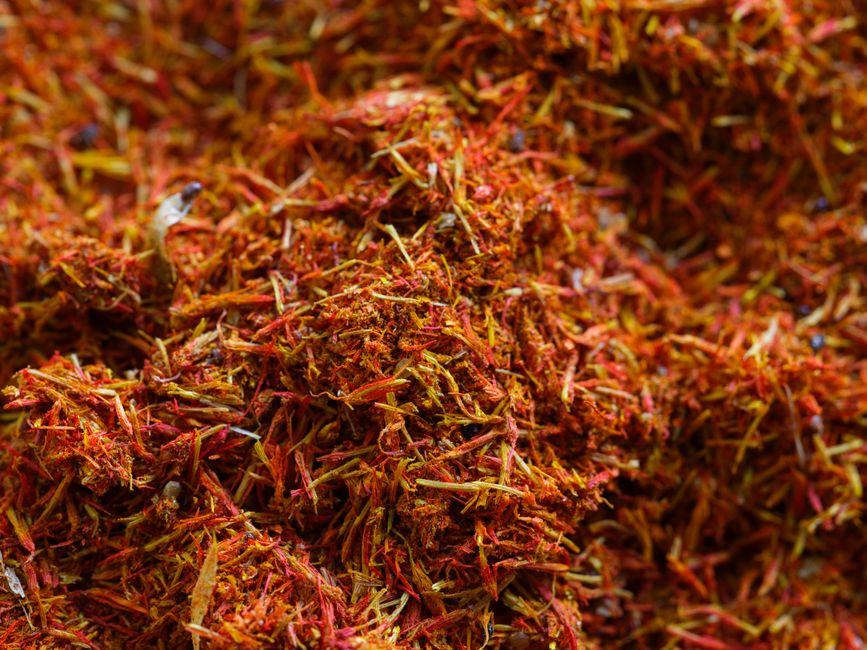
Saffron: The Golden Spice That Transforms Dishes
Saffron, often referred to as the golden spice, is a treasured ingredient that has been delighting palates and transforming dishes for centuries. Derived from the flower of Crocus sativus, the saffron crocus, its delicate threads are hand-harvested, lending this spice not only its vibrant color but also its exquisite flavor profile. As one of the most expensive spices in the world, saffron boasts a rich history, steeped in cultural significance that transcends culinary applications. Its ability to elevate a variety of dishes—from savory to sweet—makes it a coveted element in kitchens around the globe.
Home cooks and professional chefs alike have long chosen saffron for its unique ability to impart warmth, depth, and an unmistakable earthiness to dishes. Whether woven into a saffron-infused risotto, mingling with seafood in paella, or featured in delicate desserts, saffron’s allure is undeniable. Understanding saffron's qualities extends beyond simply tossing it into a dish; mastering its use can significantly enhance your culinary creations. This blog post offers not only an exploration of saffron’s history and characteristics but also how to select, store, and incorporate it into your cooking for maximum impact.
To fully appreciate saffron, one must explore its origins, applications, and techniques for optimal usage. This spice's versatility is matched only by the passion it ignites in those who understand its value. In the following sections, we will delve into the rich tapestry of saffron, providing home cooks with the knowledge necessary to wield this golden ingredient like a seasoned chef.
The History of Saffron
Ancient Origins
Saffron's history is as rich as its flavor, believed to trace back over 3,000 years to the ancient civilizations of Persia and Mesopotamia. Ancient Egyptians utilized saffron not only as a culinary spice but also for its medicinal properties, and it was often included in beauty treatments. Historical records indicate that saffron was revered for its mythical properties, thought to have aphrodisiac effects and used during religious rituals.
The trade routes that evolved along with saffron helped spread its usage across continents. By the time it reached Europe during the medieval period, saffron was already celebrated as a luxury item. The spice was considered so valuable that it was even used as currency in some regions. This historical pendant highlights the lengths to which people would go to acquire saffron, hinting at its profound impact on culture and cuisine.
Saffron in Modern Times
In contemporary cooking, saffron finds itself in a unique position. While it retains its luxurious status among spices, the culinary world has embraced saffron as more than just a garnish or a mere hint of flavor. It has become an essential ingredient in many global dishes, from rich Indian curries to light Mediterranean fish preparations. This adaptability reflects a broader awareness and appreciation of saffron beyond its historical roots.
Today, saffron is primarily cultivated in regions of Iran, Spain, and India, and the quality can vary widely based on geographical and climatic conditions. Understanding these differences is crucial for cooks looking to incorporate this spice into their recipes meaningfully. The careful selection of saffron based on origin can significantly enhance the flavor profile of a dish, adding depth and authenticity.
Selection and Storage of Saffron
Buying Quality Saffron
When it comes to purchasing saffron, the quality can make a world of difference. Here are some essential tips for choosing the best saffron:
In addition to the visual and olfactory characteristics, often, saffron is sold in small quantities, often in grams. Be prepared to pay a premium price for it, as a good quality saffron can range from $10 to over $100 per gram, depending on the origin and harvest quality.
Proper Storage Techniques
To preserve the flavor and potency of saffron, it’s essential to store it correctly. Here are some tips:
By following these storage tips, you can prolong the shelf life of saffron and ensure it provides maximum flavor each time you cook.
Cooking with Saffron
Preparing Saffron for Use
Preparing saffron for cooking isn’t as simple as adding it straight from the packet to your dish. It requires a bit of care to truly unlock its flavor. Here are some steps to prepare saffron effectively:
Effective preparation of saffron ensures that every meal shines with its unique flavor and dazzling color.
Culinary Applications of Saffron
Saffron is incredibly versatile, making it suited for use in numerous cuisines and a variety of dishes. Here are some popular applications:
Using saffron creatively in cuisine not only enhances flavors but can also turn an ordinary meal into something special, worthy of any gathering.
The Science Behind Saffron
Nutritional Benefits
Saffron is more than just a flavor enhancer; it has notable nutritional properties that home cooks should appreciate. Rich in several antioxidants, saffron may offer health benefits such as:
While saffron is often used in small amounts due to its potency and cost, the nutritional qualities should not be overlooked when incorporating it into your diet.
Sustainability and Ethical Considerations
With saffron being one of the most expensive spices, its cultivation raises questions regarding sustainability and ethics. Consider the following:
Understanding these elements of saffron production can enhance your appreciation for the spice itself and the chefs who choose to work with it.
Recipes Featuring Saffron
Saffron Risotto
This classic dish serves as a testament to saffron’s transformative abilities. The creamy texture of the risotto coupled with the earthy notes of saffron creates an elegant dish perfect for dinner parties.
#### Ingredients:
#### Instructions:
Saffron-Infused Seafood Paella
This traditional Spanish dish highlights the rustic nature of saffron paired with fresh seafood. It’s perfect for gatherings and is a feast for the eyes and taste buds.
#### Ingredients:
#### Instructions:
Saffron Ice Cream
For a unique dessert that showcases saffron's sweet side, consider making saffron ice cream. Its floral notes create a refreshing end to any meal.
#### Ingredients:
#### Instructions:
Final Thoughts
Saffron's exceptional quality and transformative impact on dishes solidify its standing as a culinary treasure. Home cooks venturing into the realm of saffron will discover not only a spice but a whole world of flavor, history, and culture. With a deeper understanding of its origins, proper selection, storage, and application, you can harness the golden spice's full potential, elevating everyday meals into extraordinary culinary experiences.
As you continue to explore this remarkable spice, remember the importance of using it thoughtfully and with intent. Whether you apply saffron in traditional recipes or use it in creative new ways, its distinctive characteristics promise to enhance your cooking and wow your dinner guests. By embracing saffron in your kitchen, you are not just cooking; you are partaking in a much broader tapestry of culture, history, and artistry that spans the globe. Happy cooking!
Get the Next Recipe
Weekly recipes, techniques, and gear picks — straight to your inbox.
