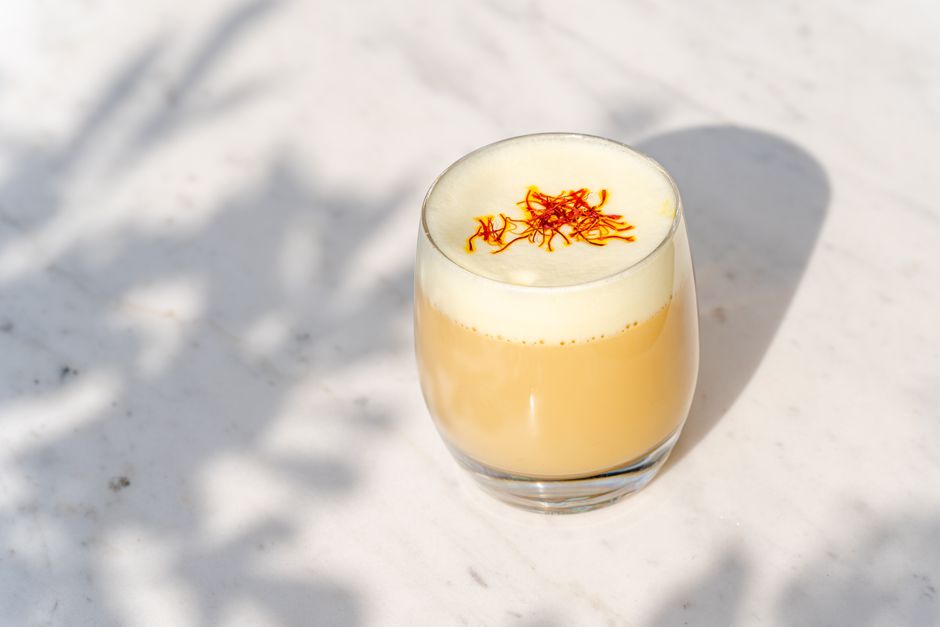
Saffron: The Golden Treasure of Spices - History, Uses & Benefits
Saffron, often referred to as the “king of spices,” is one of the most precious ingredients in the culinary world. Its vibrant golden hue and complex flavor profile set it apart, making it a favorite among chefs and home cooks alike. Saffron's reputation is well-founded, not just for its culinary uses but also for its intriguing backstory. Indeed, it has a storied history that spans thousands of years, traversing multiple cultures and countries. From the kitchens of ancient Persia to modern gourmet restaurants, saffron has left an indelible mark on the world of gastronomy.
At its core, saffron is the dried stigma of the flower Crocus sativus. Each flower produces only three threads of saffron, which must be hand-harvested, making it one of the most labor-intensive crops in the world. The rich, aromatic flavor and alluring color come from its unique chemical compounds, most notably crocin, picrocrocin, and safranal. Each of these contributes not only to saffron’s taste and color but also to its potential health benefits. As such, saffron has become a valuable commodity, traded and cherished across continents.
The journey of saffron from bud to spice is as fascinating as its applications in cooking. The harvest season requires precise timing and meticulous care. Once harvested, the saffron threads must be handled delicately to preserve their qualities. The intricate process and the care involved in cultivating saffron have added to its mystique, making it a spice that symbolizes luxury and refinement in various culinary traditions. If you wish to learn the ins and outs of cooking with saffron, including how to select, store, and use this exquisite spice, you're in the right place.
The Historical Context of Saffron
Ancient Beginnings
Saffron’s history is rich and mythology-laden. The spice's origins trace back to the Middle East, specifically the area around Iran, where it was cultivated as early as 3000 BC. It was also famous in Ancient Egypt, where it was used for medicinal, culinary, and cosmetic purposes. Cleopatra herself was known to bath in saffron-infused water, believed to enhance her beauty and fragrance. Moreover, saffron's application in medicine was documented in various ancient texts, confirming its status not just as a culinary ingredient but as a therapeutic one.
Saffron quickly spread across the Mediterranean, reaching the Greeks and Romans. The Greeks praised its medicinal properties, often utilizing it to treat ailments ranging from depression to digestive issues. In fact, the term “saffron” is derived from the Arabic word “za’faran,” which is thought to mean "yellow," a testament to the spice’s vivid color. As trade routes expanded, so did saffron’s popularity, and it became a highly sought-after item throughout Europe during the Middle Ages.
Saffron in Culinary Traditions
By the time saffron reached European shores, it had woven itself into the very fabric of culinary practices. It became a prized ingredient in remarkable dishes, elevating everything from risottos to paellas. The spice’s ability to impart a beautiful golden hue and a unique flavor profile made it essential in traditional cooks' repertoire. Particularly in Spanish cuisine, saffron finds a home in classics like paella, where it is celebrated for its ability to infuse a symphony of fragrance and color into rice dishes.
In Italy, saffron’s influence is undeniable, featuring prominently in iconic dishes such as risotto alla Milanese. The delicate threads are incorporated into the creamy rice dish, transforming it into a luxurious experience. Representing the pinnacle of elaborate meal preparation, saffron became a symbol of wealth and sophistication. Its uses, however, were not limited strictly to savory dishes; the spice also found its place in desserts and beverages, showcasing its versatility.
Cultural Significance and Symbolism
Beyond its culinary applications, saffron has held immense cultural significance throughout history. In many cultures, saffron symbolizes wealth and prosperity, often associated with celebrations and rituals. In India, saffron is revered during festivals and special occasions, playing a crucial role in traditional sweets like kheer (a rice pudding) and in various other offerings.
In literature and folklore, saffron is depicted alongside themes of love, passion, and luxury. The spice continues to inspire artists, poets, and chefs, each employing it to evoke a specific emotion or sentiment. Its royal status can be observed in the way it is used sparingly— a pinch of saffron can elevate a dish, commanding attention and reverence.
“Saffron is a feast for the senses, crafted by the hands of diligent farmers and cherished in culinary traditions across the globe.”
Culinary Uses of Saffron
Selecting Quality Saffron
When purchasing saffron, the quality can vary significantly, affecting not only the flavor but also the overall cooking experience. Here are several tips to ensure you're selecting the best saffron possible:
Preparing Saffron for Cooking
To maximize the flavor and color extraction, proper preparation of saffron is crucial. Here are the steps to prepare saffron threads before incorporating them into your dishes:
Saffron in Classic Dishes
Saffron shines in various classic dishes, elevating each with its unique flavor and aesthetic appeal. Here are a few notable preparations:
#### Risotto alla Milanese
This Italian classic is renowned for its creamy texture and golden hue. Here’s how to prepare it:
- 1 ½ cups Arborio rice
- 4 cups chicken or vegetable broth
- 1 cup dry white wine
- 1 small onion, finely chopped
- 1 cup grated Parmigiano-Reggiano cheese
- 2 tbsp unsalted butter
- Pinch of saffron threads (~0.1 grams)
- Heat the broth in a saucepan and keep it warm on low heat.
- In a large pan, melt butter and sauté the finely chopped onion until translucent.
- Add Arborio rice and toast for 2-3 minutes until the grains are slightly translucent.
- Pour in the white wine and stir until absorbed.
- Slowly add the warm broth—one ladle at a time—stirring continuously until each addition is absorbed before adding more.
- After about 15 minutes of cooking, add the saffron infusion and continue until the rice is creamy and al dente (around 18-20 minutes total).
- Remove from heat and fold in the Parmigiano-Reggiano cheese. Season with salt and pepper to taste.
#### Spanish Paella
Another iconic dish showcasing saffron, paella is a celebration of flavors and colors. While countless variations exist, here’s a basic framework for you to build upon:
- 2 cups Bomba rice or other short-grain rice
- 4 cups chicken or seafood stock
- ½ cup dry white wine
- 1 onion, chopped
- 4 cloves garlic, minced
- 1 red bell pepper, diced
- 1 cup frozen peas
- 4 ounces chorizo, sliced
- 1 cup mixed seafood (shrimp, mussels, clams)
- 1 tsp smoked paprika
- Pinch of saffron threads (~0.1 grams)
- Olive oil, salt, and pepper
- Heat a generous drizzle of olive oil in a wide paella pan. Add the chorizo and cook until browned, then set aside.
- In the same pan, add the onion, garlic, and red bell pepper. Sauté until softened.
- Stir in the rice, coating it with the oil and veggies, followed by the smoked paprika.
- Pour in the stock and white wine, and stir to combine. Add the saffron infusion and mix well.
- Distribute the seafood and peas evenly over the rice. Do not stir from this point; allow the mixture to cook undisturbed for about 20-25 minutes over low heat, until the liquid is absorbed.
- Once the rice is cooked and a crust has formed on the bottom (the socarrat), remove from heat and let it rest for 5-10 minutes before serving.
Saffron in Sweet Treats
While saffron is widely associated with savory recipes, it also adds a unique twist to sweet treats.
Saffron-infused Milk Pudding:
This dish is a popular Asian dessert, blending saffron with milk and sugar to create a delightful treat.
- 2 cups whole milk
- ½ cup sugar
- ¼ cup cornstarch
- 1 pinch of saffron threads
- 1 tsp cardamom powder (optional)
- In a saucepan, stir together sugar, cornstarch, and milk. Heat over low to medium heat, stirring continuously until the mixture thickens (around 10 minutes).
- Once thickened, add the saffron infusion and cardamom. Mix thoroughly.
- Pour into serving cups and chill in the refrigerator until set. Serve cold.
Health Benefits of Saffron
Nutritional Profile
Although primarily known for its culinary uses, saffron also boasts various health benefits thanks to its rich nutritional profile. It contains important vitamins and minerals, including:
Potential Medicinal Properties
Research has highlighted several potential health benefits of saffron:
“Embrace saffron not only for its culinary charm but also for its significant health benefits that transcend the kitchen.”
Incorporating Saffron into a Healthy Diet
To fully benefit from saffron, consider incorporating it into your daily meals. Here are a few easy ideas:
Storing and Preserving Saffron
Storage Recommendations
To maintain saffron's potency, proper storage is key. Follow these guidelines for keeping saffron fresh longer:
The Shelf Life of Saffron
When stored correctly, saffron can last for several years without significant loss of flavor or quality. However, it is best to use it within two to three years for optimal freshness. Regularly check your saffron for any signs of discoloration or loss of aroma, which may indicate that it's time to purchase a new batch.
Final Thoughts
Saffron, the golden treasure of spices, is more than just a culinary ingredient; it is a slice of history, culture, and health all rolled into one. Its unparalleled flavor and aroma have captivated chefs and home cooks worldwide, making it an essential in many beloved dishes. Whether it's the luxurious risotto alla Milanese or the vibrant Spanish paella, saffron's ability to transform a meal into an extraordinary experience is truly unmatched.
With its myriad of health benefits, saffron offers not only culinary delight but also potential boosts to mood, memory, and overall wellness. As you explore the world of saffron, remember to choose quality over quantity and experiment with its versatility in both savory and sweet dishes.
So the next time you encounter a recipe calling for saffron, approach the task with enthusiasm and appreciation for this enchanting spice. Embrace its rich history, exquisite flavors, and nutritional advantages. Whether you're preparing a festive feast or cooking a quiet dinner at home, saffron is sure to elevate your culinary skills and impress those who gather around your table. Savor the journey and let saffron be your guide through the splendid world of flavor exploration.

Get the Next Recipe
Weekly recipes, techniques, and gear picks — straight to your inbox.
