Saffron: The World's Most Expensive Spice and How to Use It Wisely
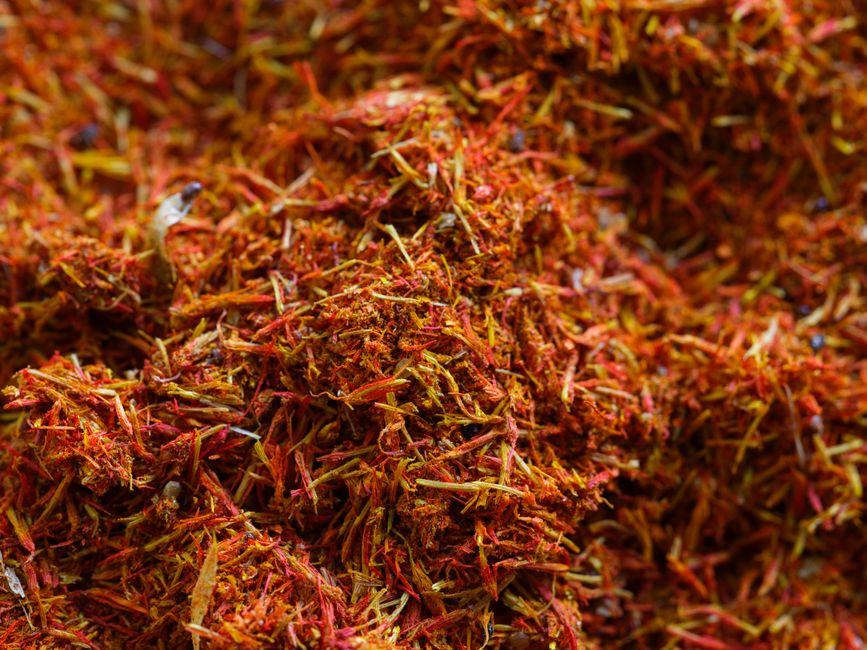
Saffron is known as the world's most expensive spice, prized not only for its vibrant color but also for its unique flavor and aroma. The cultivation and harvesting of saffron are as labor-intensive as they are meticulous, requiring thousands of delicate flowers to produce even a small amount of this luxurious spice. Derived from the stigmas of the Crocus sativus flower, commonly known as the saffron crocus, this spice has a rich history spanning centuries and cultures. It’s remarkable to consider that what you are holding in your hands came from a flower and is processed by human hands, each stigma meticulously handpicked during a brief autumn flowering season.
Understanding saffron's culinary potential is essential for anyone looking to elevate their cooking. It has the ability to transform ordinary dishes into extraordinary ones. However, the first step in using saffron wisely is to understand its unique properties and to learn how to properly handle and cook with it. The misunderstanding of saffron often leads to overuse or improper preparation, resulting in a diminished flavor profile and an unnecessary waste of this valuable ingredient. Thus, many home chefs shy away from it, fearing that they might not do justice to this precious spice.
On the other hand, properly using saffron can easily make you feel like a professional chef in your own kitchen. Imagine the delight on your dining guests' faces as they experience a delightful saffron-infused risotto or a vibrant paella that awakens their senses. Knowing how to incorporate this spice thoughtfully can raise your culinary game and expose your guests—or even just yourself—to a taste of something special, something exotic yet comforting. Let’s delve into the world of saffron, exploring its history, selection, storage, and some truly amazing recipes that will have you falling in love with this spice all over again.
The History of Saffron
Ancient Origins
Saffron’s history goes back over 3,000 years, with its origins often traced to ancient Persia. The spice was considered highly valuable, used for cooking, dyes, and even medicinal purposes. Some historians believe that saffron may have been used in Ancient Greece for ceremonial purposes, with references found in the writings of Hippocrates. The Greeks valued saffron not just for its culinary uses but also for its supposed health benefits.
Cultural Significance
Different civilizations have assigned various meanings to saffron throughout history, often associating it with luxury and happiness. In India, saffron is heavily featured in cuisine during festivals and is integrated into many traditional dishes. Persian and Arab cultures use saffron extensively as a flavor enhancer for rice dishes, desserts, and teas. In contrast, in Europe during the Middle Ages, saffron was often in the potpourri of royalty, used to flaunt wealth and sophistication.
Modern-Day Cultivation
Today, saffron is cultivated in various parts of the world, primarily in Iran, Spain, and India (specifically the Kashmir region). Each locale produces unique varieties of saffron, affecting the spice's flavor and color profile. The process remains as labor-intensive today as it was centuries ago, typically harvested by hand in a process that takes place over a few weeks in the autumn. Knowing its background provides a profound appreciation for using saffron in your culinary creations.
Types of Saffron
Varietals of Saffron
While the most common types of saffron are derived from Iran and Spain, it’s crucial to recognize that not all saffron is created equal. Some of the main varietals you should be aware of include:
Grading Saffron
Saffron is graded based on its color, flavor, and aroma. The grading system varies by region but generally includes:
Understanding these grades can help you select the right saffron for your culinary needs.
Purchasing Tips
When purchasing saffron, keep the following points in mind to ensure quality:
“Understanding the type and quality of saffron is essential for maximizing its culinary potential.”
How to Store Saffron
Best Practices
Proper storage is vital for preserving saffron’s unique character and extending its shelf life. Since saffron is sensitive to light, heat, and moisture, follow these best practices:
Detecting Freshness
To ensure that your saffron is still fresh, consider the following methods:
Warning Signs of Spoilage
Be aware of certain signs that indicate saffron has passed its prime:
Cooking with Saffron
Preparation Techniques
An essential aspect of cooking with saffron involves understanding how to prepare it to extract the most flavor. Here’s a step-by-step guide:
Dosage Guidelines
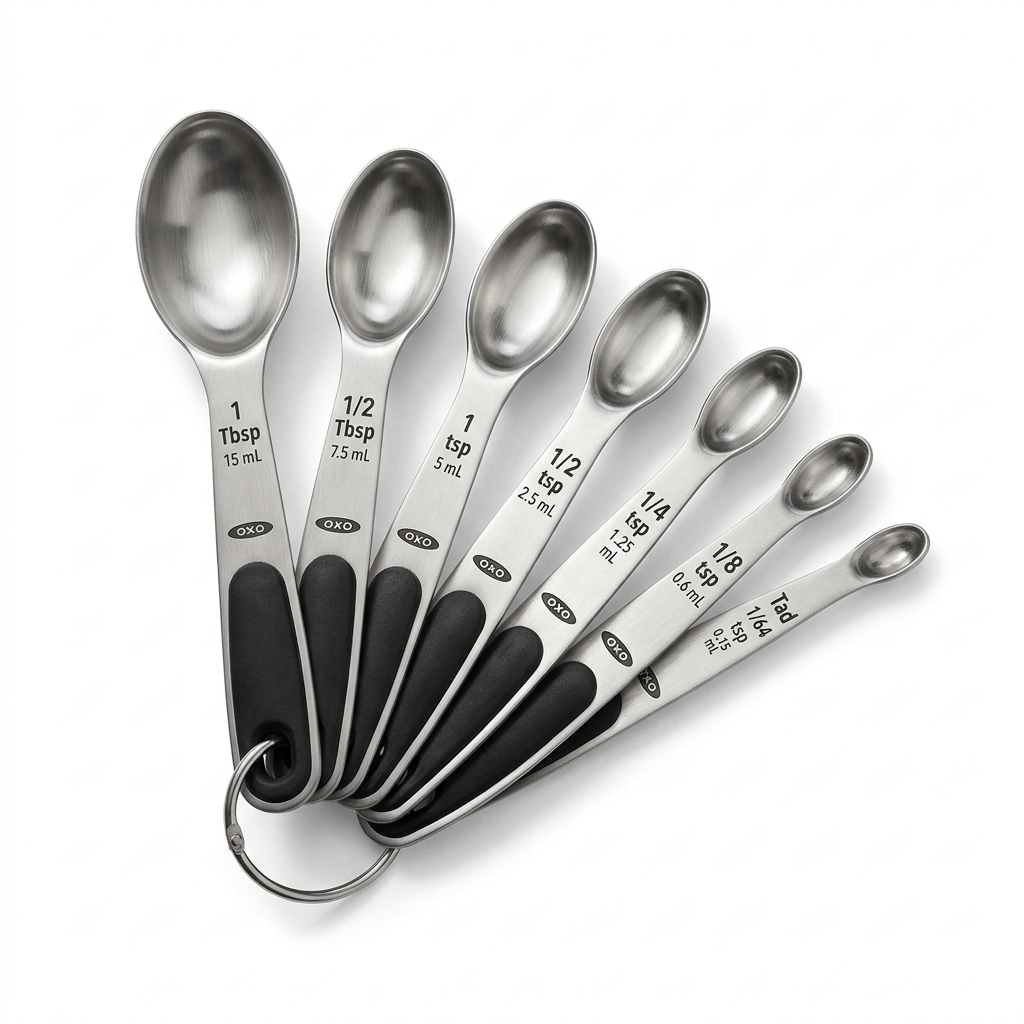
Saffron is potent and a little goes a long way. Here’s how much to use based on culinary needs:
“Start small; you can always add more saffron if needed, but you cannot take away its potent flavor once added.”
Cooking Methods
Various techniques can be employed for cooking saffron. Here are a few common methods:
Saffron Recipes You’ll Love
Saffron Risotto
A classic dish that highlights saffron's luxurious qualities, saffron risotto is both rich and comforting. Here’s how to make it:
#### Ingredients
#### Step-by-Step Instructions
Saffron Paella
No discussion of saffron would be complete without the famed Spanish dish paella, where this spice shines bright in a sea of flavors.
#### Ingredients
#### Step-by-Step Instructions
Saffron in Global Cuisines
Middle Eastern Delights
In Middle Eastern cuisine, saffron is often featured in dishes such as persian rice pilaf, where its hue and aroma transform the simplest ingredients into a feast fit for a king. Here’s a delicious way to prepare this:
#### Ingredients
#### Method
Indian Inspirations
In Indian cuisine, saffron appears in rich desserts, curries, and biryanis. One notable dish is kheer, a sweet rice pudding infused with saffron.
#### Ingredients
#### Method
Conclusion
Saffron is more than just a spice; it is an experience, a luxury ingredient that can elevate any dish to new heights. When used wisely, it showcases the depth and breadth of flavors in your cooking and connects you to a rich history of culinary artistry. Armed with knowledge about saffron's origins, varieties, buying tips, storage, and cooking methods, you are now well-equipped to explore this remarkable ingredient in your own kitchen.
“Treat saffron with respect, and it will reward you with unmatched flavor and elegance.”
Whether you choose to whisk it into risottos, infuse it into a fragrant paella, or sweeten your dessert with a splash of its vibrant coloring, saffron opens the door to a culinary adventure that spans continents and centuries. As you dive into the world of saffron, embrace your creativity, and experiment with its hues and aromas. Each dish you create will become a testament to the boundless possibilities that saffron can bring, making it a worthy addition to your culinary repertoire. So go forth; indulge in saffron, and let yourself fall under the spell of this splendid spice!
Word Count: 2,116
Get the Next Recipe
Weekly recipes, techniques, and gear picks — straight to your inbox.
