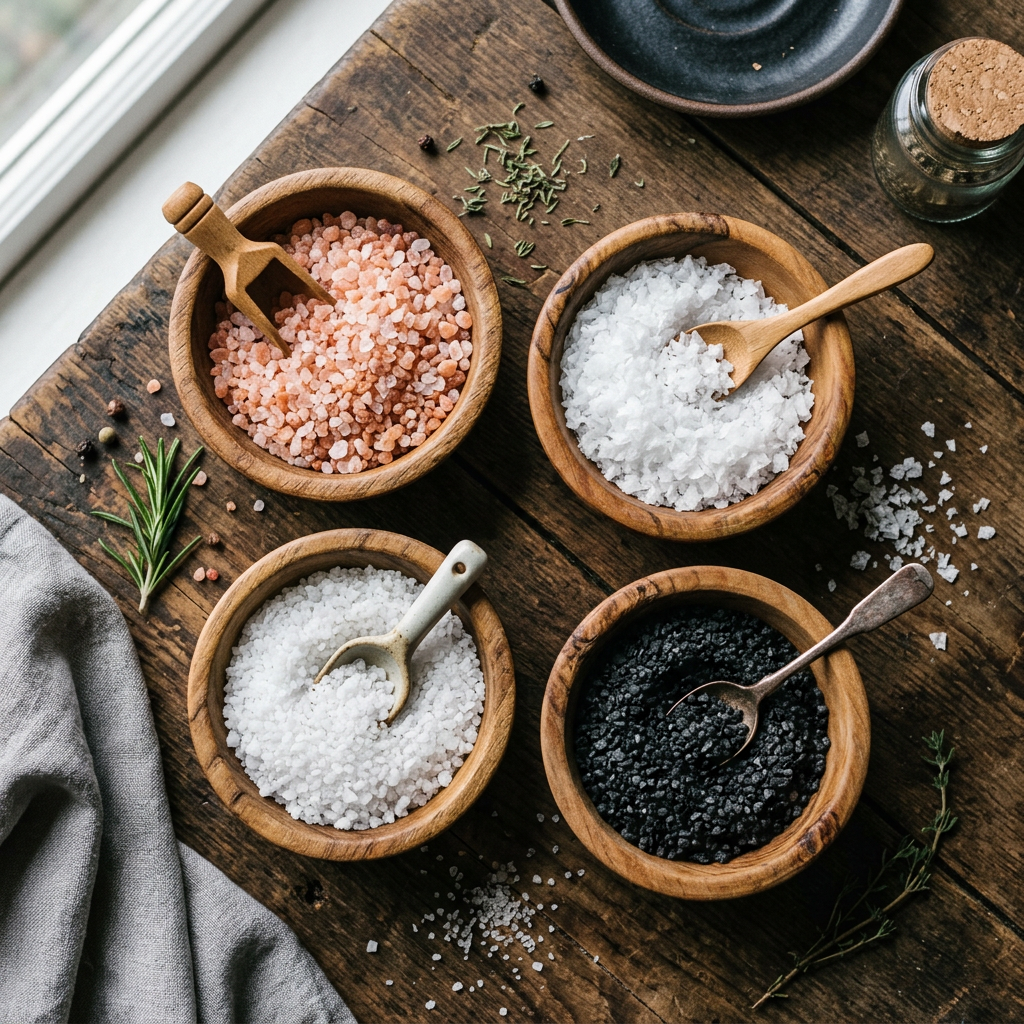
Salt: Understanding Types and Uses
Salt is one of the most ubiquitous ingredients in culinary traditions around the globe. Often referred to as the "essence of flavor," it transcends the basic notion of seasoning, elevating dishes to new heights. From the delicate flakes of sea salt to the coarse granules of kosher salt, the variety of salts available allows home cooks and professional chefs alike to impart unique character and flavor profiles to their creations. Understanding the different types of salt and their specific uses can transform a mundane meal into a culinary masterpiece.
In this journey through the world of salt, we will explore its history, types, and various applications in the kitchen. Salt has not only played a significant role in cooking but also in preserving food and enhancing flavors since ancient times. It has been used in everything from basic seasoning to curing meats, providing a depth of flavor that cannot be achieved with other ingredients. By mastering the art of salting, you’ll unlock the ability to create balanced and richly flavored dishes that excite the palate.
Moreover, this blog aims to demystify the nuances of different salts, highlighting their culinary uses and offering tips on how to incorporate them into your cooking practice. Whether you're a casual home cook or a culinary enthusiast eager to refine your skills, understanding how to select, use, and combine various salts will undoubtedly enrich your culinary repertoire. So, let’s dive into the flavorful world of salt and learn how to use it to your advantage.
The History of Salt
Salt has been an essential part of human civilization for thousands of years. Its history is deeply intertwined with that of humanity, acting as both a preservative and a flavor enhancer long before modern refrigeration was developed. Ancient civilizations, such as the Egyptians and Romans, valued salt highly, sometimes even using it as currency. The term “salary” derives from the Latin word “salarium,” which refers to the payments made to soldiers to buy salt for their rations.
The Role of Salt in Preservation
One of the primary historical uses of salt was as a preservation method. Before the advent of refrigeration, salt was vital in curing meats and preserving vegetables. The process of salting draws moisture from food, which not only helps to prevent bacterial growth but also enhances the flavor of the preserved items. This technique was especially important in regions with harsh winters, where fresh food was scarce.
The methods of preserving food with salt vary from culture to culture. For example:
Salt Trade and Its Impact
The salt trade had significant economic and social impacts throughout history, influencing the rise and fall of empires. Cities and towns emerged along salt trade routes, becoming bustling centers of commerce. The demand for salt not only spurred economic growth but also fueled exploration and trade networks that connected nations.
As we navigate through history, we see that the quest for salt led to innovations in mining, transportation, and even culinary techniques, all of which have shaped how we use salt today.
Types of Salt
Not all salt is created equal; there are various types, each with unique characteristics that make them suitable for different culinary purposes. Understanding the specific qualities of each type of salt enables cooks to choose the right one for their dishes.
Regular Table Salt
Table salt, the most common form used in households, is refined salt that has been stripped of most minerals except sodium and chloride. It's often iodized, meaning iodine is added to prevent deficiencies. This type of salt has a very fine grain, making it easy to dissolve.
Kosher Salt
Kosher salt is known for its larger grain size, which makes it easy to pinch and sprinkle by hand. It derives its name from its original use in koshering meats, a practice that involves drawing blood out of meat.
- Flaky and light texture.
- No additives; pure salt.
Sea Salt
Harvested from seawater, sea salt is available in various textures and flavors, depending on where it's sourced. It can be either fine or coarse, and many varieties retain trace minerals, giving them slight flavor variations.
- Crunchy texture varies by brand.
- Slightly more complex flavor compared to table salt.
Himalayan Pink Salt
Another interesting type is Himalayan pink salt, known for its distinctive pink hue which comes from the trace minerals it contains, including iron oxide.
- Coarse and crystalline.
- Claims of various health benefits, though evidence is mostly anecdotal.
Smoked Salt
Smoked salt is produced by smoking salt crystals over wood chips, imparting a deep, smoky flavor. This type can be coarse or fine, depending on the manufacturer's preference.
Specialty Salts
Several specialty salts exist, each offering unique properties and flavors. Some common options include:
“Understanding the different types of salt enables cooks to choose the right one for their dishes.”
Salt in Cooking Techniques
Salt is much more than just a seasoning; it's an integral part of many cooking techniques that unlock the flavors of ingredients. Here, we will delve into various cooking methods that utilize salt effectively.
Brining
Brining is the process of soaking food in a saltwater solution before cooking. This technique helps retain moisture and infuse flavor into meats, which is particularly beneficial for lean cuts.
#### How to Brine:
Curing
Curing uses salt to preserve food, particularly meats and fish. This process not only helps to extend the shelf life but also enhances the flavor profile of the item.
#### Basic Curing Steps:
“Mastering the art of salting unlocks the ability to create balanced and richly flavored dishes.”
Salt Crust
A salt crust is a unique cooking method that involves encasing food in a thick layer of salt before cooking, often used for fish or poultry. This technique creates a steaming effect during cooking, which helps retain moisture.
#### How to Create a Salt Crust:
Understanding Flavor Balance
Understanding how salt interacts with other ingredients is crucial for creating well-balanced dishes. Salt enhances flavors, but too much can lead to an unpleasurable experience.
The Science of Salt and Flavor
Salt amplifies sweetness, reduces bitterness, and enhances the overall flavor perception of food. This involved interplay of flavors is why salt is often used in desserts, where a pinch can elevate chocolate or caramel to new heights.
Finding the Right Balance
When cooking, you must taste and adjust the seasoning as you go. Here are good practices:
Culinary Uses of Salt Beyond Seasoning
Salt's utility extends beyond simply seasoning food; it plays many unique roles in cooking and food preparation.
Baking with Salt
Salt is essential in baking, as it strengthens dough and enhances flavor. In bread-making, salt regulates yeast activity, leading to better fermentation results.
Salt in Sauces and Stocks
In making stocks, soups, and sauces, salt helps to build layers of flavor. It should be added gradually, allowing the cook to gauge the balance along the way.
Enhancing Vegetables
Cooking vegetables with salt can help draw out moisture and enhance their natural sweetness, particularly through techniques like sautéing, roasting, or blanching.
#### Roasting Vegetables:
“The quest for salt led to innovations in mining, transportation, and even culinary techniques.”
Conclusion
Salt is a foundational ingredient in the culinary world, integral to the art of cooking and flavor development. Understanding the various types of salt, their unique properties, and their appropriate uses in different cooking techniques can elevate your cooking to new heights. Whether you're brining a turkey for Thanksgiving, finishing a delicate dish with a sprinkle of fleur de sel, or using smoked salt to impart depth to your BBQ, mastering salt opens the door to endless culinary possibilities.
As you continue your culinary journey, remember that each type of salt has its place, and each offers a different experience. Learn how to manipulate them in your cooking process, embrace the art of salting, and watch how your dishes transform. With practice and an understanding of balance, you’ll develop a keen sense for how to use salt as one of your most powerful tools in the kitchen. Happy cooking!


Get the Next Recipe
Weekly recipes, techniques, and gear picks — straight to your inbox.
