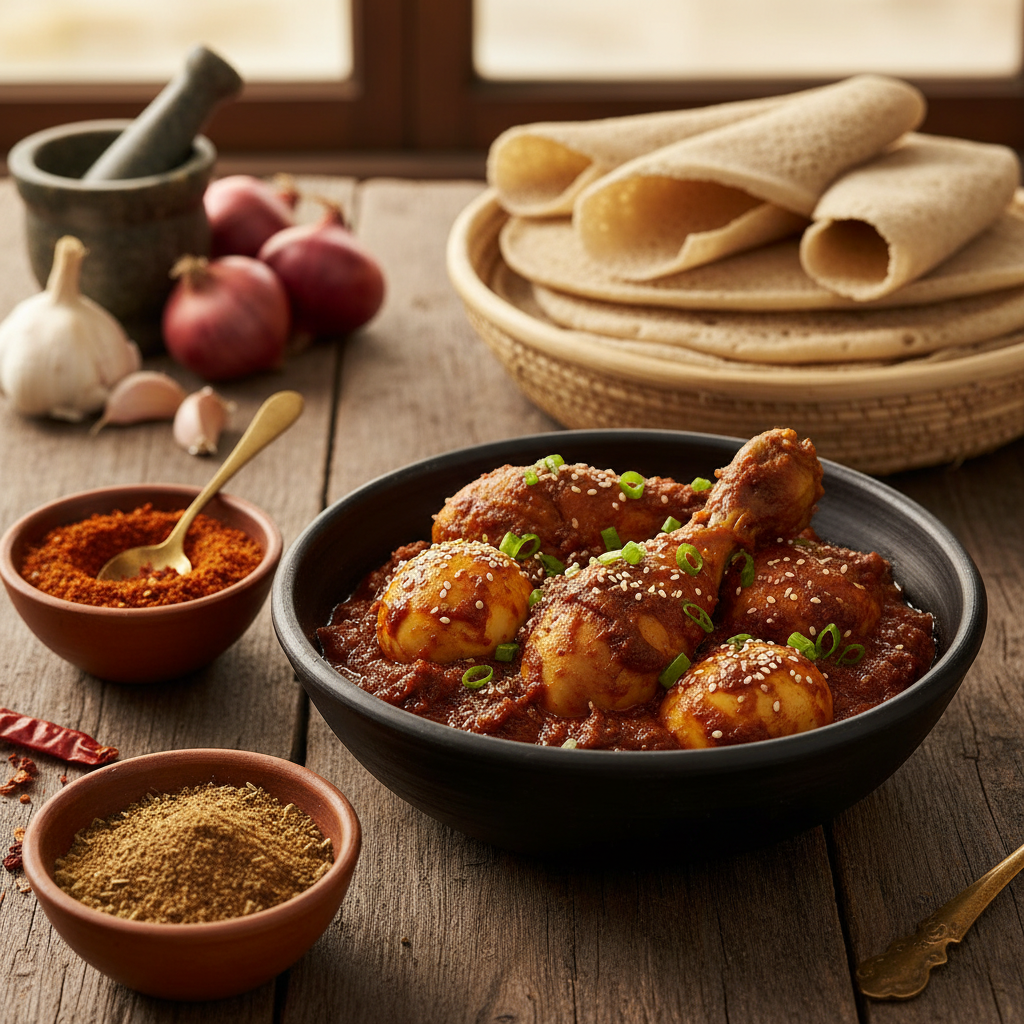
Savoring the Flavors of Ethiopian Cuisine: A Guide to Doro Wat and Traditional Spice Blends
Ethiopian cuisine, characterized by its rich flavors and communal dining style, invites the adventurous palate to embark on a culinary journey unlike any other. Among the plethora of delicious dishes, Doro Wat, a spicy chicken stew, stands as a favorite, often serving as the centerpiece of Ethiopian feasts. The complex combinations of spices and the methodical cooking process come together to create a dish that embodies the essence of Ethiopian culture. Each bite resonates with the warmth of tradition and the love embedded in the preparation, making every gathering a unique celebration of flavors.
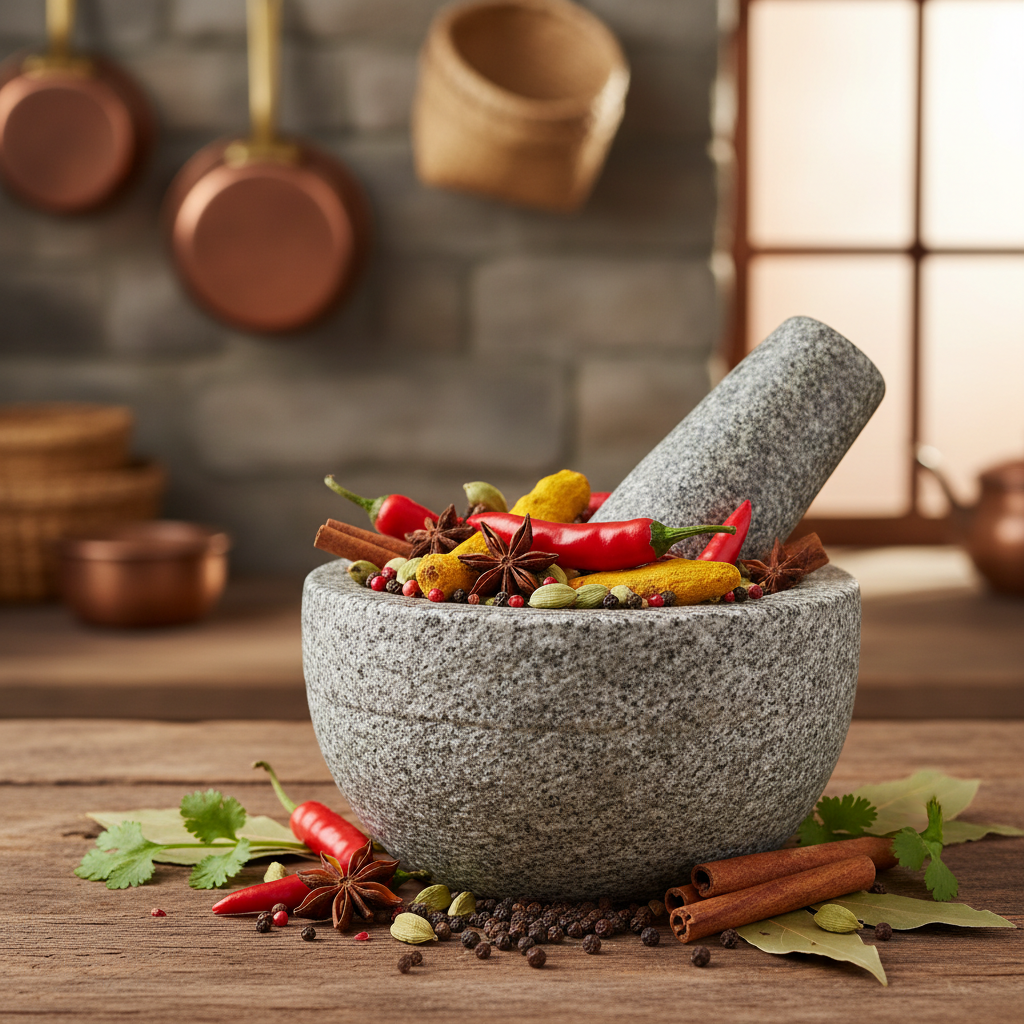
To experience the true essence of Ethiopian cooking, one must not only master the dishes themselves but also the accompanying spice blends, known as berbere and mitmita, which are integral to the country’s cuisine. These blends significantly elevate the flavor profile of many Ethiopian dishes, providing a depth that transforms simple ingredients into culinary masterpieces. The preparation of these spice blends is a time-honored process passed down through generations, reflecting regional variations and personal touches that make each house’s blend distinctly theirs.
Engaging in Ethiopian cooking also means embracing the communal aspect of the dining experience, often served on a large platter where family and friends share food with injera, a sourdough flatbread made from teff flour. The act of tearing off pieces of injera to scoop up the Doro Wat fosters connection and engagement around the table, turning a meal into a heartfelt gathering. As you delve into this culinary exploration, you’re not merely cooking; you’re connecting with a rich tradition that has been cherished for centuries.
Understanding the Foundation of Ethiopian Spices
The Importance of Spice Blends
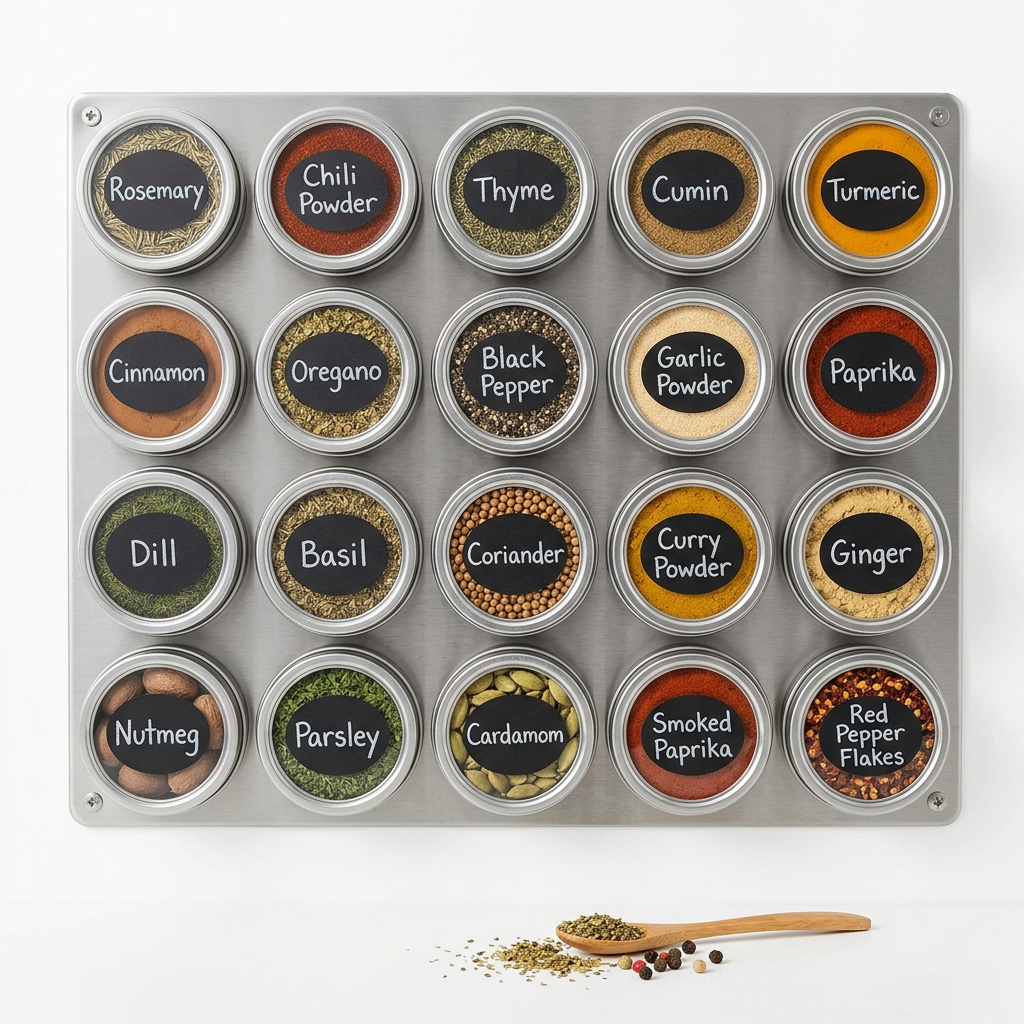
In Ethiopian cuisine, spice blends are pivotal in crafting its signature flavors. Often, the heart of the meal lies in the blend of spices used, whether it’s berbere, a vibrant red spice that includes chili peppers, garlic, ginger, and several other ingredients, or mitmita, which includes Ethiopian long pepper and is known for its heat.
“The soul of Ethiopian cooking is deeply rooted in its spice blends – each mix tells a story.”
The preparation of these blends can vary widely, showcasing the diversity of Ethiopian culinary traditions. Some cooks may choose to roast and grind their spices for added depth, while others may prefer store-bought mixes for convenience. Understanding how to balance these spices can elevate your dishes, bringing authenticity to your table.
A Brief Overview of Berbere
Berbere is perhaps the most essential spice blend in Ethiopian cooking. This rich, complex mixture provides a vibrant heat that is captivating yet multilayered. By adjusting the ratios of spices, one can create a better match for their own palate. Below are the typical ingredients found in a traditional berbere blend:
The spices are typically toasted lightly to release their oils and deepen their flavors before being ground into a fine powder. A general ratio to create a basic batch could be:
This is just a starting point; feel free to adjust according to your spice tolerance and preference.
The Kick of Mitmita
Mitmita is another beloved Ethiopian spice blend that provides a sharp, hot flavor profile, often used to season meats and dishes that need a flavor boost. Its composition may include:
Making mitmita at home follows a similar process to berbere. Here’s a simple recipe you can follow:
Doro Wat: The Heart of Ethiopian Cuisine
Ingredients and Preparation
Doro Wat is often considered Ethiopia’s national dish, transcending mere sustenance to embody cultural significance. The preparation is elaborate but undoubtedly rewarding. Here's a rundown of the essential ingredients required for a traditional Doro Wat:
The preparation process is divided into several steps, allowing you to truly immerse yourself in the cooking experience.
Cooking Doro Wat
- Start by cleaning the chicken with lemon juice or vinegar. Rinse and pat dry.
- Marinate the chicken with 1 tablespoon of berbere and salt. Leave it to marinate for at least 30 minutes but preferably a few hours or overnight in the refrigerator.
- In a heavy pot, heat the niter kibbeh over medium heat. If you can't find it, regular butter will work, but the flavor will be slightly different.
- Add the chopped onions and sauté for about 10-15 minutes until they’re soft and have released their moisture. This allows the onions to caramelize slightly and sweeten.
- Stir in the minced garlic and grated ginger, cooking for an additional 2-3 minutes.
- Add the remaining berbere and stir well to toast the spices until fragrant—about 1-2 minutes.
- Increase the heat slightly and add the marinated chicken, cooking for about 5 minutes, turning it to coat it in all the spice goodness.
- Pour in the chicken broth, completely submerging the chicken. Cover and simmer on low heat for around 45 minutes to an hour until the chicken is cooked through and tender. Check periodically, adding more broth as necessary to maintain sauce consistency.
- If using hard-boiled eggs, peel them and add to the stew during the last 10 minutes of cooking, allowing them to absorb some of the flavors.
- Before serving, taste the Doro Wat and adjust the seasoning with more salt or berbere according to preference.
Serving Doro Wat
Doro Wat is traditionally served with injera, the spongy Ethiopian flatbread that acts as both a plate and a utensil. To serve, spoon a generous amount of Doro Wat onto a large injera spread on a platter, allowing diners to tear off pieces of injera and scoop up the stew. This style of the meal encourages sharing and conviviality—a hallmark of Ethiopian dining culture.
“The magic of Doro Wat lies in its ability to bring people together. It’s more than just food; it’s a bridge between hearts.”
The Role of Injera in Ethiopian Cuisine
Crafting Injera
Injera is not merely a bread; it is an integral part of Ethiopian culture and meal structure. Made mainly from teff flour, it has a unique sour taste that complements spicy dishes beautifully. Here’s how you can make injera at home:
#### Ingredients for Injera
#### Steps to Make Injera
- Combine the teff flour and water in a large bowl. Stir until all the lumps are gone.
- Cover, allowing it to sit at room temperature for 2-3 days. This process ferments the mixture, developing its unique flavor.
- After 2-3 days, taste the batter. It should have a slight tang to it. If it doesn’t, let it ferment a little longer.
- Heat a non-stick skillet or a traditional mitad (a large, flat cooking surface typically used in Ethiopia) over medium heat.
- Pour about 1/2 cup of the batter into the center of the skillet, using the bottom of the cup to spread it into a circle.
- Cook covered for about 2-3 minutes until bubbles form on the surface and it appears set. The bottom will have a light golden color while the top will remain soft.
- Carefully remove the injera and layer it on a plate. It’s best to cover them with a cloth to keep them warm and soft while cooking the remaining batter.
Utilizing Injera in Dishes
Injera is versatile. Aside from being a companion to Doro Wat, it can be used with several stews and salads.
Injera is an essential part of the dining experience and mastering its preparation will bring your Ethiopian culinary endeavors to another level.
Making Your Ethiopian Meal Complete
Side Dishes and Complementary Flavors
To complete a perfect Ethiopian meal, it’s essential to incorporate a variety of side dishes. Listed below are some accompaniments to elevate your dining experience:
The Importance of Texture and Balance
Balancing flavors and textures is crucial in Ethiopian cooking. The contrast between the soft, spongy injera and the hearty, spicy stews creates an engaging dining experience. Always be attentive to the balance of heat and richness, ensuring that your Doro Wat or other dishes do not overpower each other.
Dining Etiquette and Community Essence
Ethiopian dining is deeply communal. It’s customary for diners to share from the same plate, fostering a sense of togetherness. You may want to keep that in mind while preparing and serving your meal.
“Dining is about connection; Ethiopian cuisine beautifully embodies this through communal sharing.”
Pro Tips for the Home Cook
Make Ahead and Storage Tips
One of the beauties of preparing Ethiopian dishes is their ability to develop even more flavor when made ahead. Here are some tips for your meal prep:
Experimentation with Flavors
Exploring new spice combinations and adjusting heat levels can lead to delightful surprises. Feel free to tweak the traditional recipes to suit your palate:
Learning the Art of Ethiopian Coffee
Completing your Ethiopian meal with a traditional coffee ceremony can be a showstopper. Coffee is a cultural staple, often prepared from freshly roasted beans in a jebena, an Ethiopian coffee pot. The process is as ceremonial as it is delicious. The ritual involves:
Serve the coffee in small cups, often accompanied by sugar or salt, depending on the personal preference. The enjoyment of coffee after the meal signifies hospitality and are a perfect conclusion to your Ethiopian culinary experience.
Conclusion
Doro Wat and the accompanying Ethiopian spice blends are more than just recipes; they embody a rich tradition that speaks of love, community, and culture. By following the steps laid out in this guide, you have not only learned how to prepare a fantastic dish but also embraced a way of dining that fosters connection around the table. As you experiment with flavors and immerse yourself in the community-oriented practices of Ethiopian dining, you will discover that cooking is an art that transcends mere sustenance. It is indeed a journey worth savoring—one that will delight your taste buds and warm your heart.
With patience and dedication, you can bring the vibrant world of Ethiopian cuisine into your kitchen. Whether it’s the heat of the berbere, the richness of Doro Wat, or the unique texture of injera, allow each meal to connect you to the time-honored traditions that make Ethiopian cuisine so cherished. Honor the culinary practices passed down through generations and remember, in this kitchen, the love you put into your dishes is just as important as the ingredients you use. Enjoy cooking and sharing—because when we gather around the table, we nourish not only our bodies but also our souls.
Get the Next Recipe
Weekly recipes, techniques, and gear picks — straight to your inbox.
