
Seasonal Root Vegetables: Earthy Flavors and Versatile Cooking
Seasonal root vegetables hold a special place in the culinary world, bringing earthy flavors and heartiness to dishes, especially during the cooler months. These underground wonders are not only diverse in taste and texture but also versatile in their use, making them perfect for home cooks looking to explore deeper flavors and wholesome ingredients. From the delightful sweetness of carrots and beets to the robust earthiness of parsnips and turnips, seasonal root vegetables shine not only in main courses but also as delightful sides, soups, and even desserts.
As the seasons change, so does the abundance of root vegetables, making it essential for cooks to embrace these ingredients for both their taste and nutritional benefits. Root vegetables are generally hardy, able to withstand cooler temperatures, and often grow in rich, nutrient-dense soil. This ensures they pack flavors that can elevate any dish. Incorporating them into your cooking can also promote sustainability and seasonal eating habits.
In this blog post, we will dive deep into the world of seasonal root vegetables—exploring their varieties, health benefits, and culinary applications. We’ll discuss how to select, store, and prepare these veggies in a way that highlights their natural sweetness and deep flavors. Whether you're a novice cook or an experienced chef looking to refine your skills, there’s something for everyone as we embrace the versatility and delightful flavor profiles of root vegetables.
Understanding Root Vegetables
Root vegetables are the edible roots of various plants, and they come in a stunning array of shapes, colors, and flavors. They are typically starchy, dense, and packed with vitamins and minerals, making them an exceptional choice for a healthy diet. The most commonly known root vegetables include carrots, potatoes, beets, turnips, parsnips, sweet potatoes, and radishes.
Nutritional Benefits
Root vegetables are often overlooked regarding their nutritional profiles, but they deserve recognition. Most root vegetables are rich in fiber, aiding in digestion and promoting gut health. They're also packed with important vitamins and minerals. For example:
Incorporating a range of root vegetables into your diet can enhance the nutritional quality of your meals, making them both nourishing and satisfying.
Seasonal Availability
One of the key aspects of root vegetables is their seasonal availability. Different root vegetables have their peak seasons, which can vary by region. For example, carrots and parsnips are generally harvested in late fall and winter, while beets, sweet potatoes, and turnips can often be found fresh from late summer through early spring. By embracing seasonal produce, you not only enjoy the freshest vegetables but also support local farmers and sustainable practices.
Chef Tip: Look for a local farmer’s market or join a community-supported agriculture (CSA) program to gain access to the freshest seasonal root vegetables in your area.
Selecting and Storing Root Vegetables
Knowing how to select and store root vegetables properly can significantly impact their taste and texture in your dishes. Here’s a closer look at how to identify fresh root vegetables and best practices for storing them to maximize their shelf life.
Choosing Fresh Root Vegetables
When selecting root vegetables, there are several guidelines to keep in mind:
#### Best Practices for Storing Root Vegetables
Proper storage is crucial for maintaining the quality of root vegetables. Here are some guidelines:
By following these selection and storage tips, you can ensure that your root vegetables remain fresh and flavorful, ready to enhance your culinary creations.
Cooking with Root Vegetables
Cooking with root vegetables is a delightful experience. Their robust flavor profiles can be enhanced through various cooking techniques, allowing for a range of textures and taste experiences. Here are some popular cooking methods to consider.
Roasting
Roasting is one of the best ways to bring out the natural sweetness in root vegetables. The high heat caramelizes their sugars, creating a rich, deep flavor and a delectable golden color.
#### How to Roast Root Vegetables
Professional Tip: To enhance flavors, consider adding a splash of balsamic vinegar or lemon juice right at the end of roasting.
Boiling and Steaming
Light and simple, boiling and steaming can be great techniques for preparing root vegetables, especially for dishes like soups and purees.
#### Boiling Steps
Chef Insight: For steaming, place the chopped vegetables in a steamer basket over boiling water and cover. Steam for about 10-15 minutes until tender but still bright in color.
Mashing
Root vegetables such as potatoes, sweet potatoes, and parsnips make exceptional mash. Mashing combines the comfort of texture with the opportunity to infuse flavors.
#### Creamy Root Vegetable Mash Recipe
Creative Uses for Root Vegetables
Root vegetables are incredibly versatile, with countless applications beyond simple side dishes. Here’s how you can employ them in various culinary adventures.
Soups and Stews
When you think of comfort food, soups and stews are often at the top of the list, and root vegetables can be the flavorful backbone of these dishes.
#### Root Vegetable Soup Recipe
- 1 onion, chopped
- 2 cloves garlic, minced
- 4 cups diced root vegetables (carrots, parsnips, sweet potatoes)
- 4 cups vegetable or chicken broth
- 1 tsp thyme
- Salt and pepper to taste
- In a large pot, sauté the onion and garlic in olive oil until translucent.
- Add the diced root vegetables, thyme, and broth. Bring to a boil, then reduce the heat and simmer for 20-25 minutes until vegetables are tender.
- Blend with an immersion blender until smooth, and season to taste before serving.
Salads and Slaws
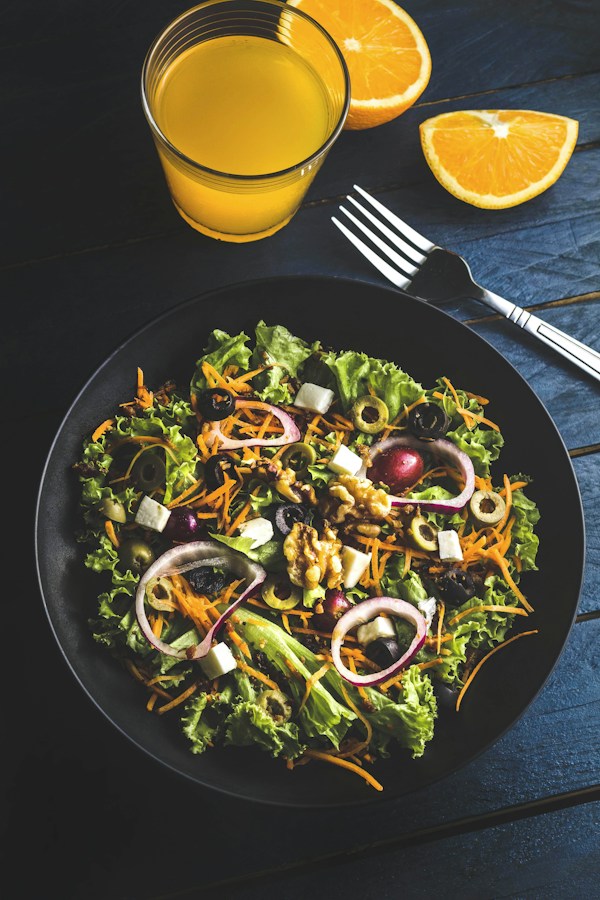
Root vegetables can add texture and nutrition to salads and slaws. For a delightful crunch, try incorporating raw root vegetables into your next salad!
#### Root Vegetable Slaw
- 2 cups shredded carrots
- 2 cups shredded beets
- 1 cup thinly sliced cabbage
- ¼ cup cilantro, chopped
- ¼ cup apple cider vinegar
- 2 tbsp olive oil
- Salt and pepper to taste
- Combine all vegetables in a large mixing bowl.
- In a separate bowl, whisk together vinegar, olive oil, salt, and pepper.
- Pour the dressing over the vegetables and toss well. Let it marinate for at least 30 minutes before serving for the flavors to meld.
Baked Goods and Desserts
You might be surprised to discover that root vegetables can play a role in baking as well! Carrots and sweet potatoes bring moisture and natural sweetness to cakes and muffins.
#### Sweet Potato Muffins Recipe
- 1 cup mashed sweet potatoes
- 1/2 cup brown sugar
- 1/4 cup vegetable oil
- 2 eggs
- 1 cup flour
- 1 tsp baking powder
- 1 tsp cinnamon
- 1/2 tsp salt
- Preheat your oven to 350°F (175°C). Line a muffin tin with paper liners.
- In a bowl, mix together sweet potatoes, brown sugar, and oil until smooth.
- Add the eggs, flour, baking powder, cinnamon, and salt, mixing until just combined.
- Divide the batter among muffin tins and bake for 20-25 minutes or until a toothpick comes out clean.
Chef Tip: Feel free to add nuts, raisins, or spices to enhance the flavor.
Preserving Seasonal Root Vegetables
To enjoy the incredible flavors of seasonal root vegetables year-round, several preservation techniques can be utilized. From pickling to freezing, these methods allow you to extend the life of your vegetables and indulge in their goodness even outside their growing season.
Pickling
Pickling adds exciting flavors while preserving the crispness of root vegetables such as radishes and beets.
#### Quick Pickled Radishes Recipe
- 1 cup sliced radishes
- 1/2 cup vinegar (white or apple cider)
- 1/2 cup water
- 1 tsp sugar
- 1 tsp salt
- In a pot, combine vinegar, water, sugar, and salt. Bring to a boil until sugar dissolves.
- pour the hot mixture over the radishes in a jar.
- Allow the jar to cool, then seal and refrigerate. These can be enjoyed within a day.
Freezing
Freezing is an excellent way to preserve root vegetables with minimal effort.
#### Freezing Tips
Seasoning and Flavor Pairings for Root Vegetables
When cooking with root vegetables, knowing how to season them effectively can take your dishes from ordinary to extraordinary. Here are some flavor pairings and seasoning strategies that elevate the natural flavors of root vegetables.
Herbs and Spices
Root vegetables respond beautifully to a variety of herbs and spices:
Acidity for Balance
Adding a hint of acidity can balance the rich flavors of root vegetables. A squeeze of lemon juice or a splash of vinegar can brighten the dish even further. Here are some ideas:
Conclusion
Seasonal root vegetables offer a myriad of flavors, textures, and nutritional benefits, making them an excellent addition to your kitchen repertoire. Whether you choose to roast, boil, mash, or incorporate them into salads and baked goods, the versatility of root vegetables is practically limitless. Learning to select, store, and cook with these hardy ingredients will allow you to elevate your culinary skills while embracing the richness of seasonal cooking.
Experiment with different preparation methods, flavors, and combinations to find your favorite dishes. Share your delightful creations with family and friends, showcasing the beauty of seasonal root vegetables. As you explore the depths of flavor these humble ingredients offer, you'll discover a newfound appreciation for the earthy gems that grow beneath the soil. Embrace the season, and you may find yourself falling in love with root vegetables all over again.


Get the Next Recipe
Weekly recipes, techniques, and gear picks — straight to your inbox.
