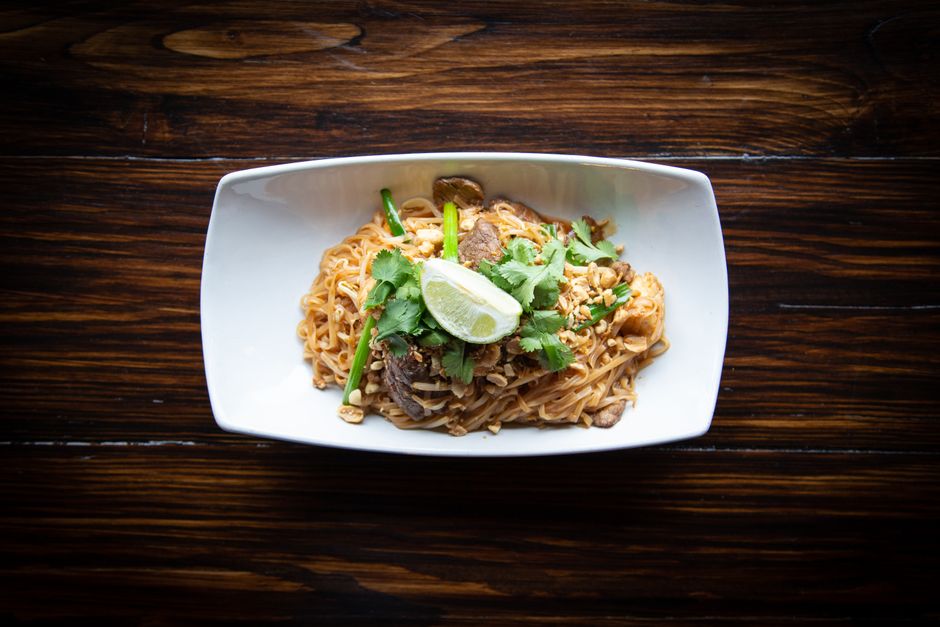
Secrets of Authentic Thai Cooking
Thai cuisine is celebrated worldwide for its vibrant flavors, aromatic herbs, and expertly balanced dishes that tantalize the taste buds. In the realm of cooking, nothing can replace the satisfaction of preparing a meal that transports the diner straight to the bustling streets of Bangkok, the serene beaches of Phuket, or the lush countryside of Chiang Mai. Each dish is a symphony of flavors, ranging from spicy and sour to sweet and salty, harmoniously orchestrated to create an unforgettable dining experience. However, to achieve authentic Thai cooking from your own kitchen, one must delve deeper than just following recipes; it requires an understanding of techniques, ingredients, and the cultural significance behind the food.
Thai cooking is built on its foundation of fresh ingredients, with an emphasis on local and seasonal produce. The magic lies not only in the quality of the ingredients but also in the technical skills employed—knife skills, proper seasoning, and cooking methods are all crucial. The balance of flavors is a delicate dance, achieved through not just intuition but also practice and a willingness to experiment. In addition, understanding the role each ingredient plays in a dish will elevate your cooking, enabling you to adjust proportions and combinations to suit your palate.
Furthermore, cooking Thai food is about embracing the philosophy of the cuisine; it’s not just about following a set recipe but understanding how to blend flavors and textures to create harmony on the plate. The Thai culinary tradition is steeped in history and influenced by various cultures, making it a rich tapestry of culinary techniques. This blog will guide you through the essential secrets of authentic Thai cooking, empowering you to replicate the bold and nuanced tastes that characterize this beloved cuisine.
The Essential Ingredients of Thai Cooking
Thai cuisine is characterized by the use of fresh herbs and spices that deliver dishes their signature flavors. To truly capture the essence of Thai cooking, it's vital to familiarize yourself with these ingredients and where to source them.
Fresh Herbs and Spices
Herbs and spices are the backbone of Thai cooking. Here are some key players:
“The secret to authentic Thai cooking lies in the quality and freshness of your ingredients.”
Essential Sauces and Pastes
Thai cooking relies heavily on some pivotal sauces and pastes that contribute depth and complexity to flavor profiles.
Additional Ingredients
In addition to herbs and sauces, certain staple ingredients are crucial:
Knowing these ingredients and how to properly use them is essential for achieving the authentic taste of Thailand in your dishes.
Traditional Cooking Techniques
Thai cooking employs techniques that enhance flavor and texture, converting simple ingredients into standout dishes.
Stir-Frying
Stir-frying is quick, ensuring vegetables remain crispy and colorful. The key steps include:
Simmering
Simmering is essential for dishes like soups and curries, allowing flavors to meld together.
Steaming
Steaming is crucial for preserving the nutritional value and bright colors of vegetables.
“Mastering cooking techniques is just as important as mastering ingredient lists in Thai cooking.”
Creating Flavor Balances
Authentic Thai dishes excel at achieving a balance of flavors: spicy, sour, salty, sweet, and bitter. Understanding how to create these flavors is vital.
The Five Essential Flavors
Each of the five essential flavors plays an important role in Thai cuisine:
Practicing Balance
Adjusting for Personal Preference
Remember that Thai cooking welcomes experimentation.
“Understanding how to balance flavors will elevate your Thai dishes from ordinary to extraordinary.”
Authentic Thai Dishes to Master
Now that you are equipped with knowledge about ingredients and techniques, it’s time to explore some classic Thai dishes that every home cook should master.
Pad Thai
This beloved stir-fried noodle dish is a hallmark of Thai cuisine.
Ingredients:
Instructions:
Green Curry
An aromatic and spicy dish laden with fresh vegetables and proteins.
Ingredients:
Instructions:
Tom Yum Goong
A hot and sour shrimp soup enjoyed for its bold flavors.
Ingredients:
Instructions:
Mango Sticky Rice
A popular dessert highlighting the sweetness of ripe mangoes with sticky rice.
Ingredients:
Instructions:
Common Mistakes to Avoid
Even seasoned cooks can make errors in the kitchen, particularly when attempting to recreate cuisine that is not their own. Here are some common pitfalls and tips to avoid them.
Overcooking Ingredients
Thai dishes thrive on the freshness of their ingredients, particularly vegetables. Overcooking can lead to loss of color, texture, and nutritional value.
Skipping the Prep Work
Thai cooking often involves a lot of chopping and pre-preparation, which can feel like a chore but is essential for successful cooking.
Not Tasting Throughout
Many home cooks may make the mistake of only tasting the dish at the end of cooking, which can lead to an imbalanced flavor.
Using Low-Quality Ingredients
The integrity of Thai food lies in its ingredients. Subpar, expired, or poorly sourced products can significantly diminish the quality of your dish.
Tools and Equipment for a Thai Kitchen
To replicate authentic Thai dishes at home, you will benefit from specific tools and equipment that enhance your cooking process.
Essential Cookware
Essential Utensils
Kitchen Gadgets
Using small kitchen gadgets can simplify processes:
“Investing in the right tools will make preparing authentic Thai food easier and more enjoyable.”
Final Thoughts
Mastering authentic Thai cooking may appear daunting, but with the right ingredients, techniques, and an understanding of flavor balance, you’ll soon be able to recreate the exhilarating experience of dining at a traditional Thai restaurant.
Cooking Thai food is about exploration and adventure—experimenting with flavors, textures, and dishes will not only build your confidence but also deepen your appreciation for this beautiful cuisine. The secrets of Thai cooking are within your grasp, ready to unfold in your kitchen. As you embark on this culinary journey, take pride in your creations, share your meals with loved ones, and remember that the heart of Thai cuisine lies in its ability to bring people together.
With each dish you prepare, you carry forward the rich traditions and flavors of Thailand, transforming your dining experience into an authentic celebration of taste and culture. So gather your ingredients, heat your wok, and let the delightful aromas fill your kitchen. Happy cooking!


Get the Next Recipe
Weekly recipes, techniques, and gear picks — straight to your inbox.
