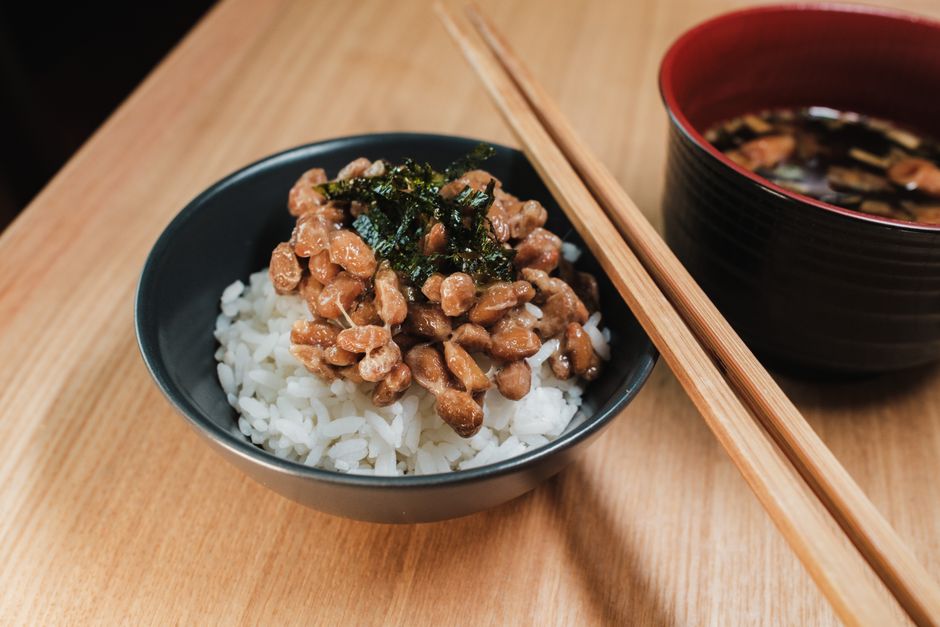
Shio Koji: Japan's Fermented Salt-Rice Seasoning and the Gentle Way to Deeper Flavor
If you have ever found yourself staring at a beautifully marbled piece of steak or a fresh fillet of fish, knowing it needs something extra but fearing that a heavy sauce might mask its delicate flavor, then you are ready to meet your new best friend in the kitchen: Shio Koji. This ancient Japanese condiment is essentially a magical liquid, a transformative ingredient that sits right at the intersection of salt, sugar, and umami. Made from just three simple components—koji-kin (the mold Aspergillus oryzae), salt, and water—it is the secret weapon that professional chefs have been hoarding for years. Once you understand the chemistry at play here, you will realize that this is not just a seasoning; it is a gentle, natural tenderizer that unlocks the latent potential of almost any protein or vegetable it touches.
When we talk about deep flavor, we are usually talking about fermentation, and Shio Koji is perhaps the most accessible entry point into that world for the home cook. Unlike harsh chemical marinades or high-acidity citrus juices that can turn the texture of your proteins to mush if left too long, this fermented rice paste works slowly and elegantly. It breaks down complex proteins into amino acids, specifically glutamates, which are the building blocks of that savory, mouth-watering sensation we crave. It is a "set it and forget it" tool that works with the natural biological processes of your ingredients rather than against them, ensuring that every bite is not just seasoned, but fundamentally restructured for a superior culinary experience.
In the kitchen, we often get caught up in complexity—complicated reductions, twenty-ingredient spice rubs, and high-tech equipment. But true mastery is usually found in simplicity, and that is exactly what this ingredient represents. By mastering the application of Shio Koji, you are learning to harness the power of enzymes. These proteins are the engine of life, and in the culinary world, they are the key to unlocking hidden sweetness, softening fibrous vegetables, and creating a golden, caramel-like crust on meats that is virtually impossible to achieve with plain salt alone. Throughout this guide, we will explore how to make it, how to use it, and how to think like a chef who understands that the most profound transformations are often the quietest ones.
The Science Behind the Magic: Understanding Koji-kin
At the heart of Shio Koji lies Aspergillus oryzae, a mold that has been used in Japanese fermentation for centuries to create sake, miso, and soy sauce. In the context of our seasoning, we are essentially harnessing a controlled biological reaction. When the koji grains are combined with salt and water, the mold begins to secrete protease and amylase enzymes. These are the workhorses of the flavor profile. The protease enzymes set to work on your proteins, breaking them down into peptides and amino acids, which effectively tenderizes your meat while building that signature umami profile.
Simultaneously, the amylase enzymes are doing something equally important: they are breaking down the starches present in the rice into simple sugars. This is why meat marinated in Shio Koji browns so exceptionally well. Because of these added natural sugars, the Maillard reaction—that complex chemical reaction between amino acids and reducing sugars that gives browned food its distinctive flavor—is accelerated. You get a deeper, more complex crust at lower heat, preventing the burnt, bitter char that often happens when you are trying to achieve color on a thick piece of pork or chicken.
"The beauty of Shio Koji lies in its patience. It does not force flavor into the food; it coaxes the food to reveal the depth that was already there, waiting to be unlocked by the right enzyme at the right time."
The Alchemy of Ratios
To make a standard batch of Shio Koji at home, you need to respect the chemistry of preservation. The ratio is generally 1 part dried koji to 0.3 parts salt and 1.2 parts water by weight. If you stray too far from these ratios, you risk the environment becoming an invitation for unwanted, spoilage-causing bacteria. The salt is critical because it acts as a gatekeeper, inhibiting the growth of harmful pathogens while allowing the beneficial koji enzymes to thrive at room temperature. Always use non-iodized sea salt or kosher salt, as the chemicals in standard table salt can sometimes interfere with the fermentation process.
Maintaining the Environment
Temperature control is the final pillar of this process. You want to store your mixture in a glass jar in a spot that stays between 68°F and 77°F. Too cold, and the enzymes go dormant; too hot, and you risk spoilage. Every day for about a week, you must "burp" the jar and give the mixture a good stir. You are looking for the rice grains to soften and the mixture to take on a sweet, slightly floral, and funky aroma. Once it reaches this stage, the fermentation is active and ready to use. Move it to the refrigerator, where it will stay potent for months.
Mastering the Art of the Protein Marinade
Using Shio Koji as a marinade is perhaps the most common and effective way to utilize it in a home kitchen. Because it contains salt, you effectively replace your usual seasoning step with this slurry. However, because of its high sugar content, you must be much more vigilant when applying heat. If you try to sear a piece of steak marinated in Shio Koji over scorching high heat as you would a dry-rubbed ribeye, the sugars will caramelize too quickly and potentially turn black before the center is cooked.
The Low and Slow Approach
The secret to working with this ingredient is the use of moderate heat. Start your sear in a pan that is heated to medium-high rather than high. If you are grilling, move your meat to the cooler side of the grate sooner than you might expect. You are essentially cooking with a natural glaze that is built into the fiber of the meat. If you are new to this, start with poultry or pork—proteins that benefit tremendously from the tenderizing power of the protease enzymes. A chicken breast marinated for four hours becomes succulent and juicy in a way that dry brining can never quite replicate.
Timing and Concentration
How long should you marinate?
"When you swap your dry salt for Shio Koji, you aren't just adding flavor; you are changing the texture of the protein at a molecular level, turning an ordinary weeknight dinner into a restaurant-quality experience."
Vegetable Transformation: Beyond the Meat
We often associate Shio Koji with meats, but it is equally transformative when applied to vegetables. Have you ever had a cucumber salad that felt like it was lacking depth? A quick massage with a tablespoon of Shio Koji draws out excess moisture through osmosis while simultaneously seasoning the vegetable with that deep, savory umami punch. It works wonders on root vegetables, mushrooms, and even hardy greens like kale.
The Fermented Pickle Technique
This is known in Japanese cooking as Asa-zuke. You take your vegetables, place them in a bag with a small amount of the seasoning, and let them sit in the refrigerator. The koji works to soften the cell walls of the vegetables, making them tender and flavorful without the need for long-term pickling or heavy vinegar solutions. Try it with radishes, carrots, or even lightly blanched broccoli. The result is a crisp, vibrant side dish that has a depth of flavor that is almost impossible to identify but impossible to ignore.
Enhancing Earthy Flavors
Mushrooms are a perfect canvas for Shio Koji. Their inherent earthiness pairs beautifully with the sweet, fermented profile of the rice. If you sauté mushrooms in a pan with a splash of the seasoning towards the end of the cooking process, the enzymes will continue to work during the cooking, and the sugars will glaze the mushrooms in a savory, golden coating. It’s a trick that makes simple shiitakes or creminis taste as rich as a high-end woodland forage.
The Chef’s Secret: Shio Koji as a Binding Agent
If you are a fan of emulsions or vinaigrettes, you are going to find a new best friend in this ingredient. Because Shio Koji is a suspension of rice grains in a salty liquid, it acts as a wonderful stabilizer for dressings. When whisked into a basic vinaigrette—perhaps with some high-quality extra virgin olive oil, a touch of lemon zest, and a pinch of fresh herbs—it provides a structural integrity and a rounded, savory finish that lemon juice alone simply cannot provide.
Building Better Vinaigrettes
Forget about needing to add honey or maple syrup to balance your acid. The natural sweetness of the fermented rice does the heavy lifting. You get a dressing that clings to your greens and provides a satisfying complexity that lingers on the palate. Try a dressing composed of:
* 1 part rice vinegar
* 2 parts extra virgin olive oil
1 tablespoon Shio Koji*
* A touch of Dijon mustard for emulsification
* Freshly cracked white pepper
The Emulsion Advantage
Because the rice grains act as physical particles within the liquid, they help keep the oil and acid from separating too quickly. It’s a beautiful, functional ingredient that serves two purposes at once. When you dress a salad with this, you aren't just adding flavor; you are coating every leaf in a thin, savory film of fermented goodness. It is an understated way to bring the restaurant standard of "seasoning the food, not just the bowl" into your own home.
Elevating Your Baking and Doughs
While it might seem counterintuitive, the use of Shio Koji in baking is an emerging trend that has roots in the long tradition of sourdough and yeast breads. In Japan, some artisanal bakeries incorporate small amounts of koji-based ingredients into their doughs to enhance crust color and promote a more complex fermentation profile. If you are a sourdough baker, you know that the long fermentation is all about enzyme activity; adding a little kickstart with this seasoning can yield incredible results.
Improving Crust and Crumb
When added to a bread dough, the enzymes help break down the starches in the flour, providing more "food" for your wild yeast to consume. This leads to better oven spring, a more open crumb, and a crust that browns deeply and beautifully. It is a subtle trick, but for those who are constantly trying to improve their bread, it is a game-changer. Just be mindful that it does add a salty component, so you should reduce the amount of added salt in your recipe by roughly 10-15% to keep the balance correct.
A Savory Twist on Sweetness
While we usually associate this with savory cooking, don't be afraid to experiment with it in slightly sweet applications. A small amount in a cookie dough or a cake batter can provide a "salty-sweet" depth that is similar to using sea salt in caramel. It brings out the richness of butter and the subtle notes of toasted grains. It is not about making your dessert taste like "fermented rice," but rather about creating a background note that makes the other flavors pop.
Troubleshooting Common Pitfalls
Even with a straightforward ingredient like this, things can go wrong if the basics are ignored. The most common mistake is impatience. If you try to use your Shio Koji before the rice grains have fully softened and the mixture has developed that sweet, floral smell, you are essentially just using salty rice water. The enzymatic activity requires time to kick in, and the fermentation process is not something you can rush with heat.
Identifying Spoilage
How do you know if your batch has gone bad? Trust your nose. A healthy batch smells like a mixture of honey, flowers, and maybe a hint of apple or sweet sake. It should never smell like rotten fruit, ammonia, or sour milk. If you see any mold—and I mean actual fuzzy, colorful mold growing on the surface—discard the entire jar. While koji is a mold, it is a very specific one; if an unwanted intruder takes over, the environment is compromised and it is not worth the risk.
Managing Consistency
If your mixture gets too thick in the fridge, you can simply add a tiny splash of water to loosen it up. If you prefer a smoother texture for delicate applications like dressings or marinades for fish, you can blitz the mixture in a food processor or a high-speed blender. This creates a more uniform paste that integrates easily into liquids. However, be aware that breaking the grains down increases the surface area, which might make the fermentation happen a little faster if you leave it out at room temperature again.
"Culinary mastery is the ability to look at an ingredient, understand its behavior, and then guide it toward the result you want. Shio Koji is the perfect partner for this journey, requiring little but giving everything."
Conclusion
As we have explored, Shio Koji is far more than just a passing culinary trend; it is a fundamental tool for the modern kitchen. By embracing the power of enzymes, you are taking a step into a deeper, more refined way of cooking. You are moving away from the reliance on excessive salt and artificial flavor enhancers and moving toward a biological method of building taste from the inside out. This is not just about making dinner—it is about understanding the science of flavor and the joy of long, slow, deliberate preparation.
Whether you are searing a thick steak to perfection, creating the most vibrant vegetable side dish your guests have ever tasted, or experimenting with the complex possibilities of fermentation in your bread, this simple rice-based seasoning provides the backbone for success. It is forgiving, it is versatile, and it is endlessly fascinating. Once you have a jar of this sitting in your refrigerator door, you will find yourself reaching for it constantly, wondering how you ever managed to get by without it.
The most important takeaway from this exploration is that cooking is a conversation between the chef and the ingredients. Shio Koji teaches us to listen to what our food needs—more tenderness, more depth, more color—and provides us with a natural, elegant solution. So, go forth and start your first batch. Let the rice and the salt and the koji-kin do their work, and watch as the simple act of seasoning transforms into an act of creation. In the world of "Blame The Chef," we don't just cook; we understand, we manipulate, and we elevate. And with this fermented secret in your arsenal, your culinary journey is only just beginning. Happy cooking, and may your umami levels always be at their peak.
Final Thoughts
To truly integrate this into your repertoire, don't just follow recipes. Start treating the ingredient as a component of your pantry staples, much like you would treat soy sauce, vinegar, or olive oil. Keep a small jar on hand at all times, and don't be afraid to experiment with small portions of proteins or vegetables. If you notice a particular steak or chicken dish is a bit bland, think about the enzymes. Think about the Maillard reaction. Think about how a simple, fermented, salty, and sweet slurry could have bridged the gap between "good" and "exceptional."
Remember that fermentation is a living process. Your Shio Koji will change slightly depending on the quality of the rice, the water, and the exact ambient temperature of your kitchen. Embrace these minor fluctuations; they are the mark of a kitchen that is truly alive. Don't worry about perfection. Focus on the progression. Each time you use it, you will learn something new about how it interacts with heat and time. That curiosity, that willingness to observe and adjust, is what separates the home cook from the true culinary artist.
Finally, share what you learn. Shio Koji is one of those ingredients that is best experienced when it is shared. When your friends ask why your roast chicken has such a perfect, golden-brown skin, or why your simple cucumber salad tastes so complex, you can share the secret. You can explain the science of the koji and the elegance of the process. In doing so, you pass on the knowledge that deep flavor is not a mystery to be solved, but a gift to be cultivated. Here is to many more meals that are deepened, softened, and brightened by the quiet power of the fermented rice. Your kitchen is now a laboratory of flavor, and you are the lead scientist—make the most of it. There is always something new to discover, and as long as you keep your jars filled and your curiosity stoked, you will never run out of ways to blame the chef for a truly spectacular meal.

Get the Next Recipe
Weekly recipes, techniques, and gear picks — straight to your inbox.