
Sichuan Cuisine: The Heat, Numbing Spice, and Complex Layers
When one thinks of Sichuan cuisine, the image that often springs to mind is that of fiery red chili oil and the vibrant, aromatic spices that seem to dance in the air. This cuisine, originating from the southwestern province of Sichuan in China, embodies not just bold flavors but also a complex interplay of heat, numbing spice, and a richness that captures the essence of the region's culture and heritage. Known for its distinctive use of Sichuan peppercorn, this style of cooking elicits a unique sensation that tingles and numbs the palate, inviting food enthusiasts to embark on an adventurous culinary journey.
The roots of Sichuan cuisine can be traced back over 2,000 years, flourishing during the Han Dynasty when the region began to develop its distinct culinary identity. Rich in history and influenced by the diverse ethnic groups that inhabit the area, the dishes reflect the agricultural bounty of Sichuan’s mountainous terrain, which offers an abundance of produce, meats, and spices. Through centuries, the food has not only evolved but has also been refined and celebrated, transferring knowledge and techniques across generations of cooks, each adding their twist to classic recipes.
In Sichuan, cooking is regarded not merely as a means of sustenance but as an art form that engages all the senses. The flavor profiles are incredibly diverse, emphasizing the balance of the five fundamental tastes: sweet, sour, salty, bitter, and umami. While heat is a hallmark of Sichuan cuisine, it isn’t just about the spice; it’s about depth and complexity. Diners can expect to find a delicate dance of flavors that feature ingredients such as garlic, ginger, fermented beans, and, of course, the uniquely intoxicating Sichuan peppercorn. The cornerstone of Sichuan cooking lies in the meticulous preparation and layering of flavors, making it both a challenge and a delight for any home cook.
The Foundations of Sichuan Cuisine
Key Ingredients
The foundation of any great cuisine lies in its ingredients, and Sichuan cuisine is no exception. A well-stocked Sichuan pantry is essential for anyone looking to recreate these dishes at home. Here are the primary ingredients that you should consider:
#### Tips for Sourcing Ingredients
The Cooking Techniques
Cooking techniques in Sichuan cuisine are integral to achieving the desired flavors and textures. Here are some key methods you’ll frequently encounter:
"In Sichuan cooking, the goal is to create layers of flavor, providing a harmonious balance of the five tastes in every bite."
The Role of Spices in Sichuan Cuisine
The Central Element: Sichuan Peppercorn
Sichuan peppercorn continues to be the defining ingredient that distinguishes this cuisine. Unlike traditional black or white pepper, it creates a sensation of numbing heat when eaten. This unique characteristic arises from a compound known as hydroxy-alpha-sanshool, which interacts with sensory neurons in the mouth. When planning your Sichuan feast, a handy tip is to toast the peppercorns on low heat until they become fragrant, then grind them before sprinkling them into your dishes for maximum flavor development.
Creating Your Spice Blend
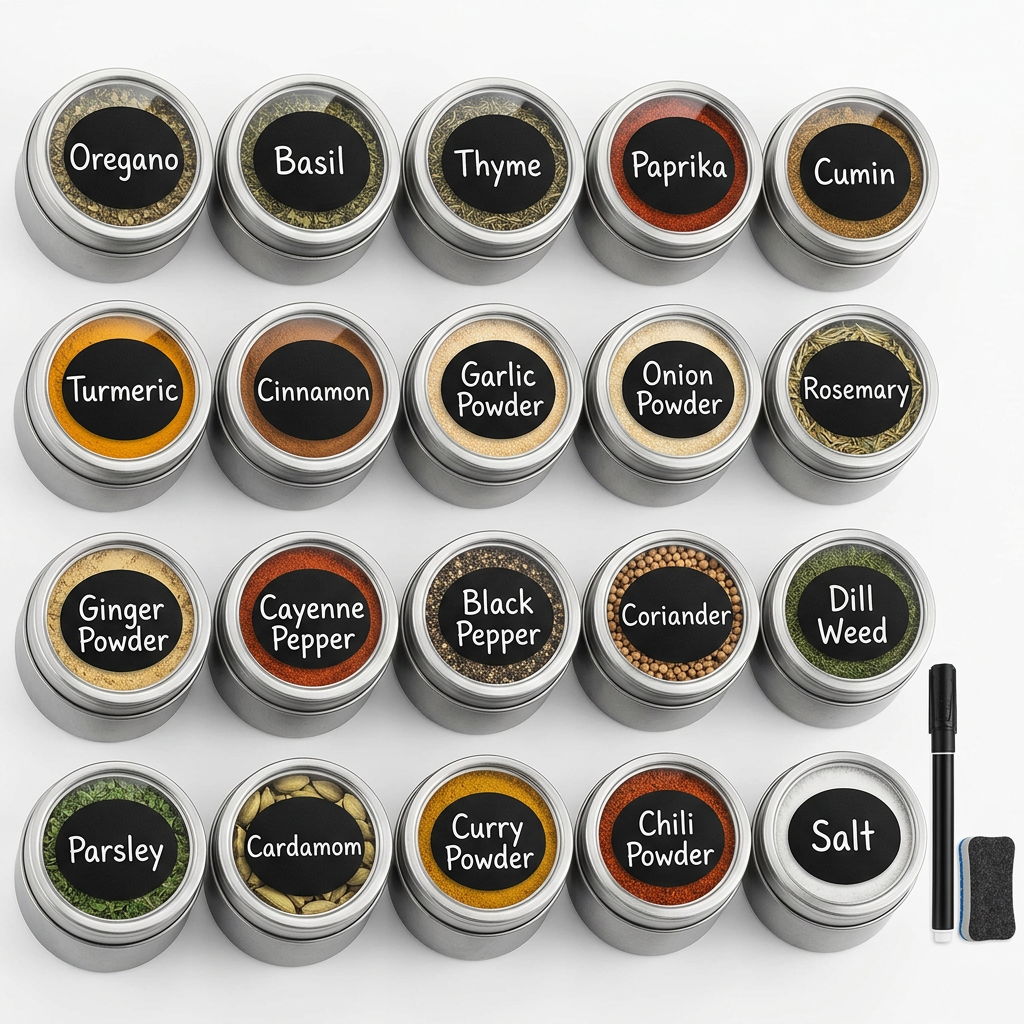
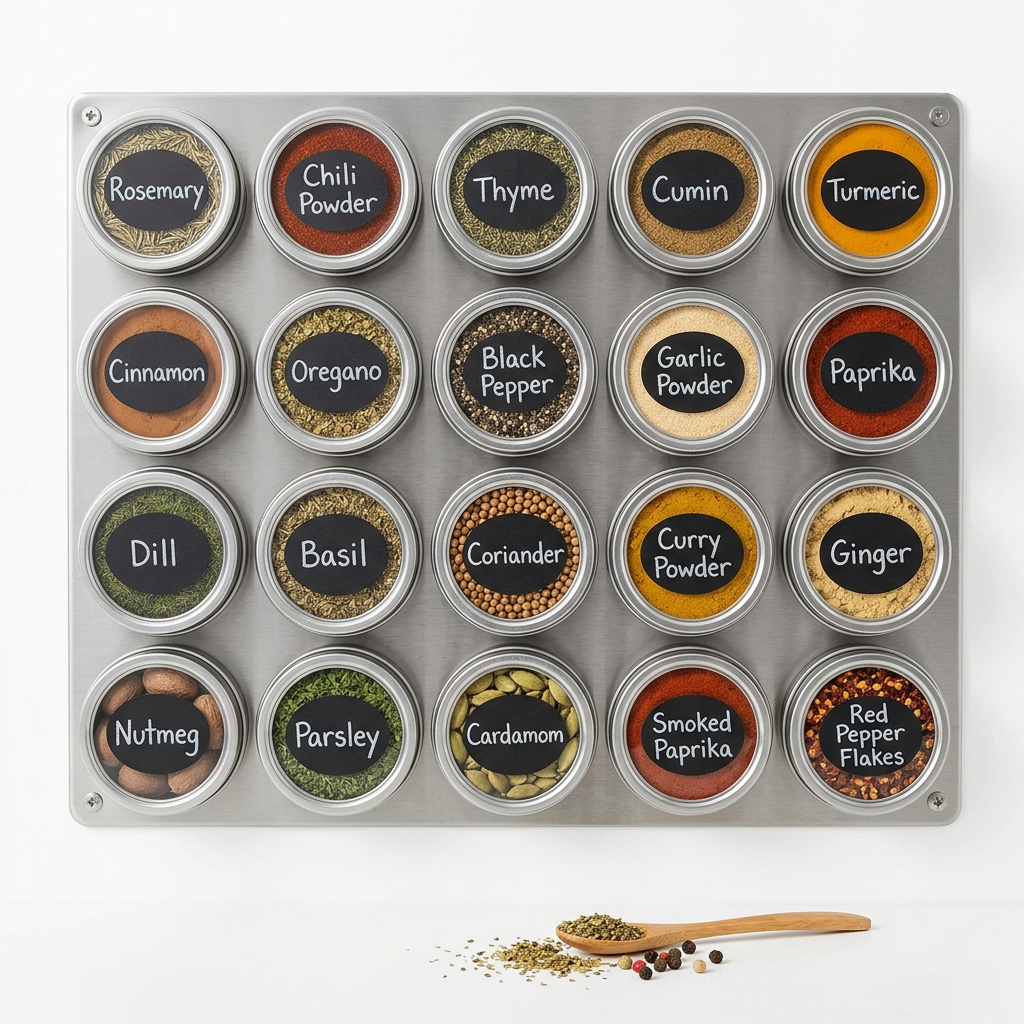
One of the most exciting aspects of Sichuan cooking lies in crafting your spice blends. A basic Sichuan spice mix can include:
Instructions:
This blend can serve as a foundation for marinades, stir-fries, or even as a seasoning for roasted meats and vegetables.
Signature Dishes of Sichuan Cuisine
Mapo Tofu
Mapo tofu is possibly one of the most famous Sichuan dishes known globally. It features soft tofu set in a spicy, aromatic sauce made of minced meat, often pork, and flavored with doubanjiang and Sichuan peppercorn.
#### Ingredients Needed
Instructions:
Serve your Mapo tofu garnished with chopped green onions and a sprinkle of additional Sichuan peppercorns for that signature zing.
Kung Pao Chicken
Known for being a delightful combination of spicy, sweet, and nutty flavors, Kung Pao Chicken is beloved worldwide. It incorporates chicken, peanuts, and a medley of veggies, all bound together with a rich sauce.
#### Ingredients Needed
Instructions:
"Great Sichuan cuisine is not just about heat; it’s the art of balancing the hot and numbing spices that keeps diners coming back for more."
Hot Pot
Sichuan Hot Pot offers a communal dining experience where diners cook their individual ingredients of choice in a bubbling pot of spicy broth. It is a social meal where the rich flavors of the broth set the stage for an interactive and lively gathering.
#### Preparation of the Broth
The broth serves as the heart of the hot pot experience. A traditional Sichuan hot pot will consist of a dual pot — one side spicy and the other mild for those who prefer a gentler flavor.
Ingredients for the Spicy Broth:
Instructions:
Dan Dan Noodles
Dan Dan Noodles is a classic Sichuan street food known for its bold flavors and satisfying texture. The dish combines chewy noodles with a spicy sauce made from ground pork, sesame paste, and a hint of vinegar.
#### Ingredients Needed:
Instructions:
The Sweet Side of Sichuan Cuisine
Sichuan cuisine is often renowned for its heat, but it also embraces a variety of sweet dishes that showcase the complex flavor palette. While desserts may not be as common in traditional meals, they hold an important place, often balancing the fiery and savory aspects of the cuisine.
Sweet and Sour Spare Ribs
For a truly authentic experience, consider preparing Sweet and Sour Spare Ribs. The combination of the rich flavors from the ribs and the bright acidity and sweetness of the sauce makes for a perfect complement to any Sichuan meal.
#### Ingredients Needed:
Instructions:
Douhua (Tofu Pudding)
Another beloved dessert is Douhua, also known as soft tofu pudding. It’s served warm and often drizzled with a sweet syrup made from ginger, making it a comforting end to any meal.
#### Ingredients Needed:
Instructions:
Exploring Sichuan Cuisine at Home
Essential Cooking Equipment
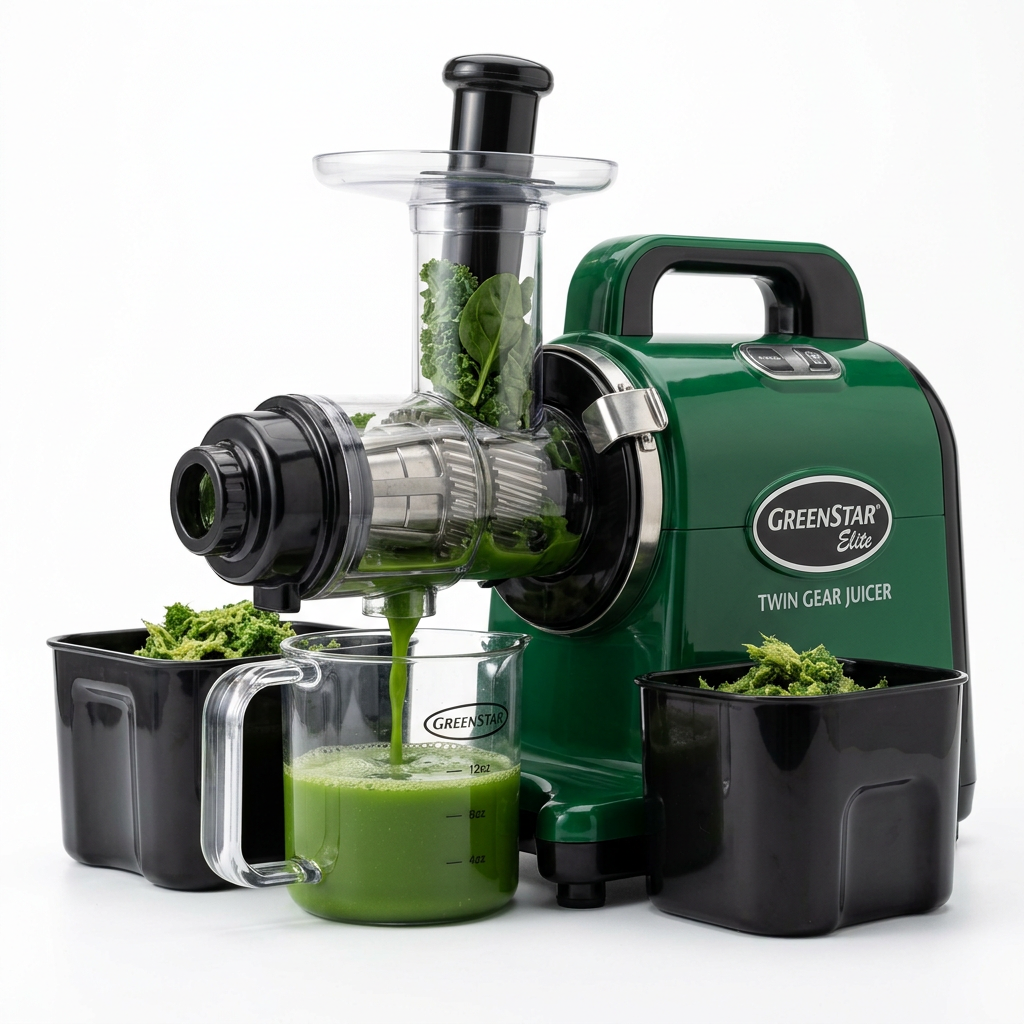
Creating authentic Sichuan cuisine at home doesn’t require professional kitchen tools, but having the right equipment can elevate your cooking experience:
Tips for Hosting a Sichuan Dinner
To truly immerse your guests in the experience of Sichuan cuisine, here are some tips for hosting an unforgettable dinner:
Conclusion
Sichuan cuisine is a vibrant tapestry of flavors, textures, and sensations that go far beyond mere spiciness. By learning about the fundamental ingredients, techniques, and signature dishes, home cooks can elevate their culinary skills and introduce an array of tastes that honor this storied province of China. As you explore the art of Sichuan cooking, remember that it’s all about the balance — between heat and numbing spice, between flavor profiles, and between the enjoyment of cooking and sharing it with others.
Sichuan cuisine offers a unique opportunity to immerse yourself in a culture that celebrates cooking as a central theme of connection and community. Whether you are preparing a simple Mapo Tofu for a weeknight dinner or hosting a grand hot pot gathering, the warmth and depth of Sichuan flavors are sure to leave a lasting impression on your table. Embark on this culinary adventure, and don’t forget, it’s all part of the art of cooking to embrace the heat and revel in the rich complexities that Sichuan cuisine has to offer!
(Word count: 2,168)
Get the Next Recipe
Weekly recipes, techniques, and gear picks — straight to your inbox.
