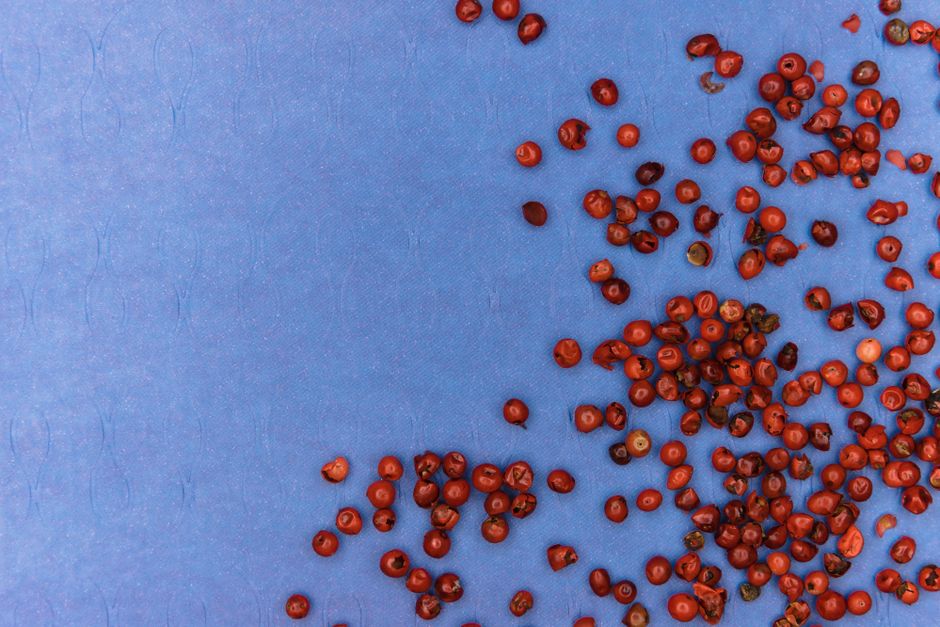
Sichuan Peppercorns: The Tingling Spice That Rewires Your Palate
There is a singular sensation in the culinary world that defies the traditional boundaries of taste, existing somewhere between a vibrant hum and a gentle electric shock. When you first encounter the Sichuan peppercorn, you are not merely tasting a spice; you are participating in a neurological event that has anchored one of the world’s most complex cuisines for centuries. It does not burn like the capsaicin found in a jalapeño or the pungent sting of a black peppercorn, but rather it induces málà, a state of numbing and spicy euphoria that transforms how you perceive temperature, texture, and flavor. For the home cook, understanding this ingredient is the equivalent of unlocking a secret level in a video game—everything you cook afterward gains a multidimensionality that was previously inaccessible.
Many amateur cooks shy away from the Sichuan peppercorn because they mistake its numbing quality for a flaw or a chemical interaction rather than a deliberate, culinary masterpiece. In reality, this spice is a botanical marvel derived from the husks of the Zanthoxylum shrub, a member of the citrus family rather than the traditional peppercorn family. When toasted and ground, it releases limonene and hydroxy-alpha-sanshool, the latter being the specific compound responsible for the vibration on your tongue. Learning to balance this sensation with the heat of dried chilies is the hallmark of a refined palate, and once you master the technique of "dry-roasting" these husks, your kitchen will smell like a fragrant, citrusy sanctuary that invites you to experiment with abandon.
To truly elevate your home cooking, you must move beyond viewing spices as mere additions to a finished dish and start treating them as active participants in the chemistry of your meal. The Sichuan peppercorn is the perfect teacher for this transition because it demands respect and careful preparation. It thrives in high-heat environments but is fragile enough to turn bitter if scorched; it loves the company of fat but requires a steady hand during the blooming process. As we delve into the history, the science, and the practical application of this legendary ingredient, remember that "Blame The Chef" is about empowerment. You are about to rewire your palate, and in doing so, you are going to make the most addictive, professional-grade food of your life.
The Botanical Anatomy and Science of Málà
The Sichuan peppercorn is not a peppercorn at all, but the dried fruit of the prickly ash tree. When we talk about málà, we are talking about a harmony between má (the numbing sensation) and là (the spicy heat). The science behind this sensation is truly fascinating: the sanshool molecules in the peppercorn bind to your tactile receptors, specifically those responsible for detecting light touch and vibration. Effectively, the spice convinces your brain that your lips and tongue are vibrating at approximately 50 hertz, which is the same frequency at which our bodies process tactile sensations.
Distinguishing Quality and Varieties
Not all peppercorns are created equal. When shopping for these in specialty markets or online, you will often find two primary varieties: the common red Sichuan peppercorn and the greener, more citrus-forward variety often referred to as green Sichuan peppercorns. The red variety is more robust and traditional for long-cooked braises, while the green variety offers a brighter, almost pine-like aroma that pairs beautifully with delicate fish or quick-tossed vegetable stir-fries.
The Preparation Ritual
Before you even consider adding them to a wok, you must perform a mandatory quality check. Look for peppercorns that are free of debris, twigs, and black seeds. The seeds themselves are grit-like and woody, offering zero flavor while providing a distracting, unpleasant texture. I always take a few minutes to sift through my stash, removing the seeds by hand or using a fine-mesh sieve to shake them loose. This simple step is what separates a gritty, amateur sauce from a silky, professional-grade infusion.
"Cooking is the art of manipulating the senses. When you work with Sichuan peppercorns, you aren't just seasoning; you are choreographing a physical experience on the palate that changes the very definition of flavor."
Mastering the Dry-Roast Technique
The foundation of any great Sichuan dish lies in the dry-roasting process. This technique is designed to unlock the essential oils trapped within the dried husk without burning the delicate outer skin. If you skip this step, you are merely using the spice as a garnish rather than an active, flavoring agent. You want to extract the volatile aromatics that are otherwise locked away in the cellular structure of the dried fruit.
Controlling the Heat
Place your cleaned peppercorns in a cold, heavy-bottomed cast iron skillet or a carbon steel wok. Turn the heat to medium-low—never high—and begin to toss the peppercorns constantly. You are looking for a slight darkening of the color and a sudden, intense aromatic release that fills the room with citrus notes. This should take no more than two to three minutes. If you see the peppercorns turning dark brown or black, you have gone too far; discard them and start over, as burnt peppercorns possess an acrid, metallic bitterness that cannot be salvaged.
Grinding and Preservation
Once the peppercorns are toasted, remove them from the heat immediately to prevent carry-over cooking. Allow them to cool completely before grinding them into a fine powder using a spice mill or a traditional mortar and pestle. For the best flavor, do not grind your entire supply at once. Freshly ground spices lose their potency and complexity within weeks, so keep your peppercorns whole in an airtight glass jar away from sunlight, and only grind what you need for the meal at hand.
Building the Foundation: The Sichuan Aromatics
A dish is only as good as its aromatics. In Sichuan cuisine, the peppercorn acts as the headliner, but it requires a supporting cast of ginger, garlic, and scallions to provide the necessary depth. This combination is often referred to as the "holy trinity" of Chinese cooking. When you marry these three elements with the numbing power of the peppercorn, you create a flavor profile that is impossible to replicate with any other ingredient combination in the world.
The Infusion Method
To achieve a deep, layered flavor, I recommend creating a scallion and peppercorn oil. Start by heating neutral oil, such as grapeseed or avocado oil, to roughly 325 degrees Fahrenheit. Add your crushed aromatics and your toasted, ground peppercorns. Allow the mixture to infuse slowly for about 10 minutes, ensuring the temperature never spikes enough to burn the garlic. This oil can be drizzled over steamed tofu, tossed with noodles, or used as a finishing touch for stir-fried proteins.
Balancing Ratios for Success
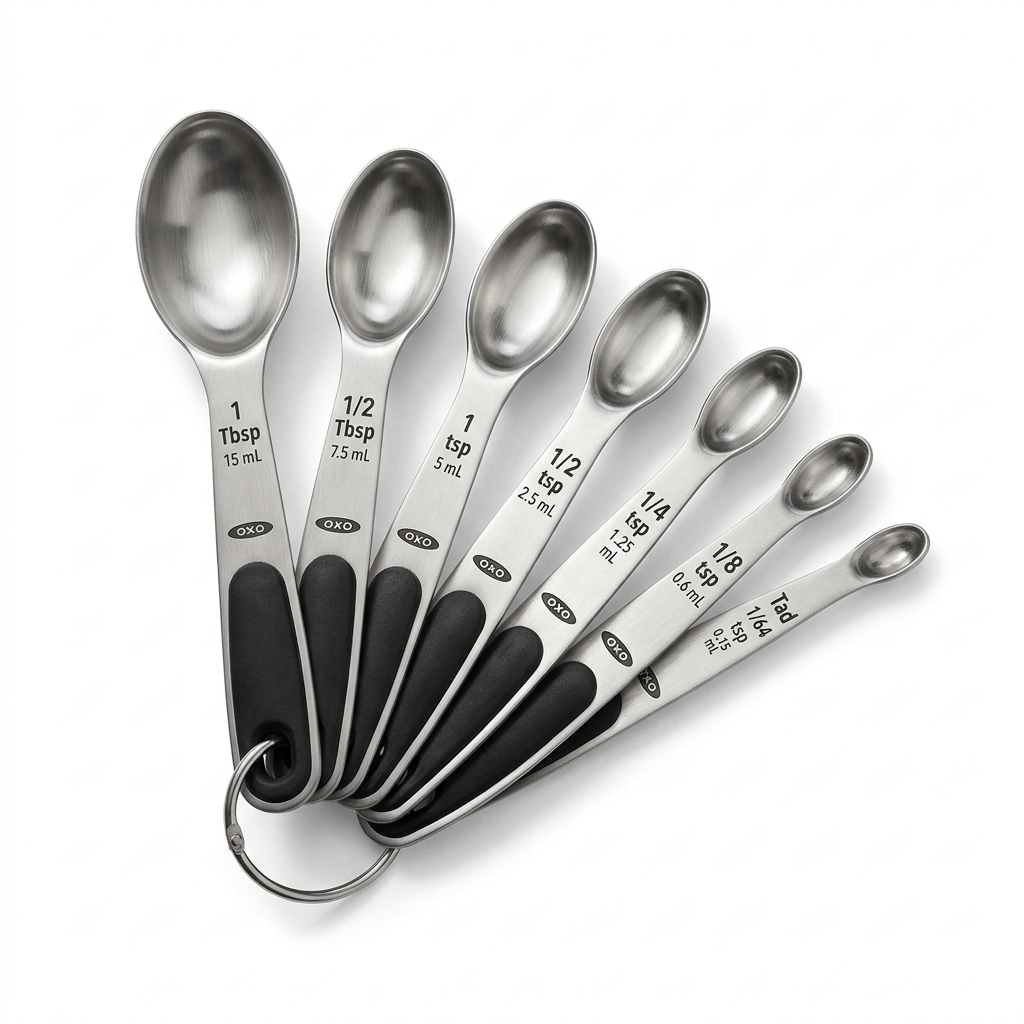
The key to balance is the ratio. For every tablespoon of dried chilies, you should use roughly one teaspoon of Sichuan peppercorns. If you are new to the málà sensation, start with a half-teaspoon and build up. Remember, the numbing sensation is cumulative; it builds with every bite, so it is better to have a subtle hum that lingers rather than a tongue-numbing intensity that prevents you from tasting the other ingredients in your meal.
The Art of the Stir-Fry (Wok Mastery)
Stir-frying is a dance of speed and precision. When working with Sichuan peppercorns in a high-heat environment, you must have your mise en place perfectly organized before you ever turn on the stove. The wok should be hot enough to sear meat instantly, yet the addition of your spices must be timed so they bloom at the precise moment they hit the oil.
The Sequence of Addition
By adding the spices after the ginger and garlic, you ensure they are bathed in the infused oil without becoming scorched by the intense direct heat of the metal. This sequence preserves the delicate citrus notes while ensuring the numbing sensation is distributed evenly throughout the entire dish.
"In the wok, there is no time for second-guessing. You are not just cooking; you are conducting a symphony of heat, oil, and aromatics where every second counts toward the final result."
Sichuan Peppercorns Beyond the Wok
Many home cooks limit their use of these spices to savory main courses, but the citrus notes in the peppercorn make it an incredible ingredient in desserts and cocktails. The unique ability of the peppercorn to "open up" the palate makes it an excellent pairing for dark chocolate, stone fruits, and even vanilla. When used in a sweet context, the numbing effect acts as a palate cleanser, making each bite of a dessert feel as fresh as the first.
Experimenting with Infusions
Try steeping a small amount of Sichuan peppercorn in heavy cream for a panna cotta or a chocolate ganache. The subtle tingle against the richness of the dairy creates an unforgettable dessert experience. Similarly, a Sichuan peppercorn syrup can be used to elevate a traditional Old Fashioned or a gin-based cocktail, adding a sophisticated, complex layer that standard bitters simply cannot achieve.
Understanding the Flavor Compatibility
The spice pairs exceptionally well with:
Rich Meats:* Pork belly, duck, and fatty beef benefit from the cut of the numbing spice.
Root Vegetables:* Carrots and sweet potatoes gain an earthy complexity when seasoned with this spice.
Citrus Fruits:* Since the peppercorn is botanically related to citrus, it naturally elevates any dish containing lemon or orange.
Troubleshooting Common Culinary Pitfalls
It is common to encounter challenges when working with potent spices, especially if you are not accustomed to their intensity. The most frequent issue is the "overwhelming" experience, where the numbing sensation is so strong that it becomes uncomfortable. This is often the result of using too many peppercorns or failing to remove the bitter, woody seeds.
Correcting Imbalances
If you find your dish is too numb, the best way to counteract it is by adding acidity or sweetness. A splash of Chinkiang black vinegar or a tablespoon of honey can bridge the gap, softening the edges of the málà and bringing the dish back into balance. Never be afraid to adjust as you go; culinary instincts are honed through the correction of small errors.
Ensuring Freshness
Always store your peppercorns in a dark, cool place. Exposure to air and light will cause the essential oils to oxidize, resulting in a dull, flavorless spice that feels more like sawdust than a culinary treasure. If you smell your peppercorns and don't get an immediate, bright citrus kick, it is time to discard them and purchase a fresh batch. A high-quality peppercorn should be vibrant and fragrant, not dusty and muted.
Essential Tools for the Sichuan Kitchen
You do not need a commercial kitchen to excel at this style of cooking, but you do need the right tools. A high-quality carbon steel wok is non-negotiable; it provides the even heat distribution and rapid temperature control necessary to bloom spices without burning them. A dedicated spice grinder or a high-quality heavy-duty mortar and pestle will allow you to achieve the perfect texture for your infusions and spice rubs.
The Importance of the Wok
Unlike a non-stick pan, a seasoned carbon steel wok develops a patina over time that adds a subtle, smoky depth to everything you cook. When you season your wok with the oils from your Sichuan peppercorns, you are essentially building a library of flavor that will enhance your meals for years to come. Do not wash your wok with harsh detergents; simply rinse it with hot water, dry it over the flame, and wipe it with a thin layer of oil.
The Grinding Ritual
Investing in a dedicated spice grinder ensures that you aren't getting garlic or coffee residue in your peppercorn powder. If you prefer the tactile experience of a mortar and pestle, opt for one made of granite or heavy stone. This gives you more control over the coarseness of the grind, allowing you to create a "cracked" texture that adds a pleasant, rhythmic crunch to your finished dishes.
"The tools you choose define the quality of the work you produce. A great chef knows that the right equipment is an extension of their own hands, allowing for precision in even the most volatile culinary environments."
Elevating Your Technique: Advanced Applications
Once you have mastered the basics of dry-roasting and infusion, it is time to look at more advanced techniques, such as creating Sichuan peppercorn-infused sea salt or a málà chili crisp. These condiments are the bread and butter of the professional kitchen, allowing you to add that signature numbing sensation to any dish, from a breakfast egg sandwich to a midnight bowl of popcorn.
Making Your Own Chili Crisp
Start by combining neutral oil with finely chopped aromatics and a generous amount of toasted, crushed Sichuan peppercorns. Add a mix of coarsely ground dried chili flakes and a pinch of salt. Let this steep for several days in a sterilized jar. The result is a versatile condiment that adds texture, heat, and that tell-tale tingle to everything it touches. It is the perfect project for a home cook looking to bring their pantry to a professional standard.
The Role of Temperature
Remember that the temperature of your ingredients matters. Adding cold meat to a hot wok can drop the temperature too quickly, leading to soggy results. Always ensure your proteins are patted dry and brought to room temperature before they hit the pan. This allows for a quick, efficient sear that locks in moisture and lets the málà flavors cling to the surface of the food.
Deepening the Connection to Culinary Heritage
To truly respect the Sichuan peppercorn, one must appreciate the history of the region it hails from. Sichuan province is known for its humid climate, and traditionally, the use of málà was a way to stimulate the appetite and combat the lethargy caused by the oppressive weather. By incorporating these techniques into your own cooking, you are honoring a legacy of adaptation and ingenuity that has sustained millions for generations.
Exploring Regional Variations
As you grow more comfortable, look into regional variations like yuxiang (fish-fragrant) sauce, which uses no fish but relies on the combination of aromatics and spices to mimic the flavor profile traditionally used to cook seafood. Understanding these classical preparations provides a framework upon which you can build your own creative dishes. The peppercorn is just the starting point; the possibilities are truly endless when you understand the mechanics of the flavor.
Final Culinary Advice
Never stop experimenting. The beauty of cooking lies in the ability to try, fail, and succeed. Use the Sichuan peppercorn as a compass, guiding you toward bolder flavors and a more nuanced understanding of how food interacts with our neurology. You are no longer just following a recipe; you are becoming the chef you always intended to be, one numbing, delicious bite at a time.
Conclusion
As we bring this exploration of the Sichuan peppercorn to a close, consider how far you have come from the moment you first felt that unfamiliar, tingling sensation on your tongue. We have traveled from the botanical science behind the sanshool molecules to the practical, tactical application of the wok and the spice grinder. You now possess the knowledge to curate a sensory experience that goes beyond mere taste, touching upon the very way we perceive the world through our palates.
Remember that the goal of every "Blame The Chef" lesson is not perfection, but progress. The Sichuan peppercorn is a demanding teacher, but its rewards are unparalleled. It forces you to pay attention, to respect the heat, and to balance the intense with the delicate. Whether you are crafting a simple bowl of noodles or a complex, multi-course feast, the lessons of the peppercorn will serve you well. Keep your spices fresh, your wok seasoned, and your palate open to the possibilities of the unknown. You have successfully rewired your culinary approach—now, it is time to enjoy the fruits of your labor. Continue to experiment, continue to push the boundaries of your kitchen, and most importantly, never lose the curiosity that brought you here in the first place. You are the architect of your own culinary world, and it tastes absolutely sensational.
Get the Next Recipe
Weekly recipes, techniques, and gear picks — straight to your inbox.
