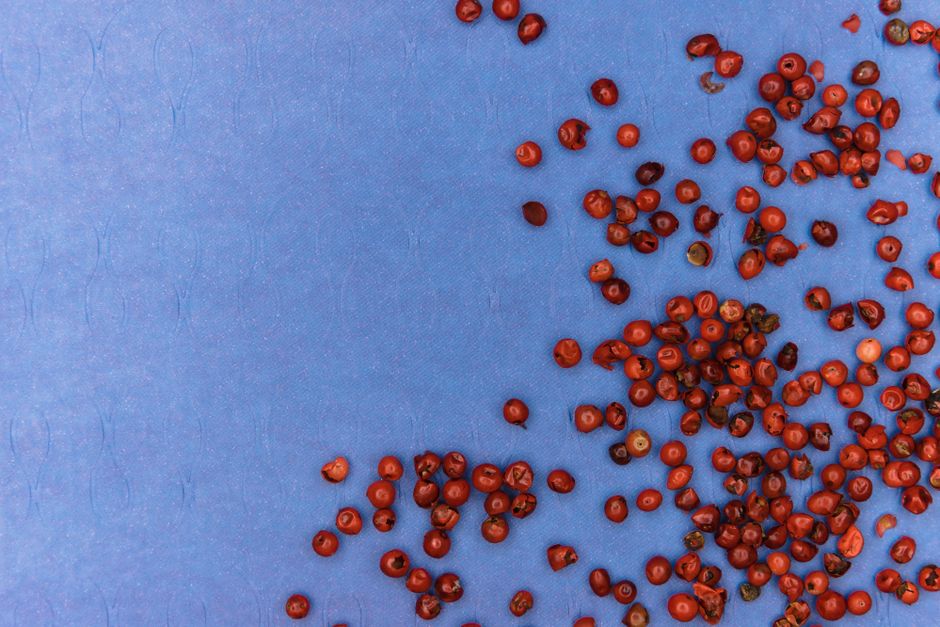
Sichuan Peppercorns: The Tingling Truth Behind Ma La Flavor
Sichuan peppercorns are not merely a spice; they are a culinary experience unlike any other. Upon introduction, they swirl around the palate, releasing an exhilarating tingle that electrifies the senses. This sensation, known as "ma," is often coupled with the warmth of "la," or spiciness, which is typically provided by traditional chili peppers. This harmonious interplay of flavors has captivated food lovers and chefs alike, establishing Sichuan cuisine as a vibrant and complex tapestry that transcends mere heat. The unique combination of these elements creates dishes that are rich, spicy, and texturally adventurous.
Originating from the Sichuan province in southwestern China, these little nuggets are often mistaken for true peppercorns due to their name. In fact, they belong to the Rutaceae family, placing them alongside citrus fruits rather than the pungent black or white pepper we commonly use. This discrepancy reveals the fascinating nature of food and language—how a single term can lead us down a maze of culinary lore and misperceptions. As culinary explorers, understanding these distinctions not only broadens our palate but enriches our cooking skills.
Incorporating Sichuan peppercorns into our kitchen repertoire demands not only an appreciation of their unique flavor profile but also an understanding of their proper usage. Home cooks new to this ingredient may find themselves wondering how to wield its power effectively while maintaining balance in their dishes. With each step, from preparation to cooking techniques, you will discover how to tip the flavor scales toward serendipity rather than chaos, enhancing yet respecting the delicate flavors of your other ingredients.
The History of Sichuan Peppercorns
Origins and Cultural Significance
Sichuan peppercorns, known as "hua jiao" in Mandarin, have been a staple in Chinese cooking for centuries. While the precise origins are somewhat murky, it is believed that they have been cultivated in China for over 2,500 years, with their first written mention appearing in "The Classic of Tea" during the Tang Dynasty. This enduring legacy is intertwined with the culinary practices of Sichuan province, notorious for its love of bold flavors.
In traditional Chinese medicine, Sichuan peppercorns are believed to aid digestion and improve circulation. They are often used in herbal formulations to combat ailments such as poor appetite and bloating. This dual purpose of enhancing culinary delight while contributing to health reflects the philosophy of balance in Chinese culture, where food is seen as both nourishment and medicine.
Regional Varieties and Differences
While Sichuan peppercorns are the most recognized, they exist in several regional varieties across Asia. Each boasts a unique flavor and aroma profile. For instance, Japanese sansho has similar cooling and numbing characteristics, though it tends to have a sharper citrus note. Other varieties found in Southeast Asia also incorporate flower buds from different species, each leading to a distinctive take on the characteristic tingle.
This regional diversity means there is no singular “correct” way to use Sichuan peppercorns. Cooks can experiment with these variants to discover new flavor profiles that suit their specific culinary needs. Integrating them into your cooking encourages a sense of exploration—an adventure into the rich tapestry of flavors that defines Asian cuisines.
Understanding the Flavor Profile
The Tingling Sensation Explained
The tingling sensation created by Sichuan peppercorns can be attributed to hydroxy-alpha sanshool, a compound found in the pericarp, or husk, of the peppercorn. Upon contact with mucous membranes, sanshool stimulates sensory neurons, creating an enveloping, numbing effect that is both surprising and delightful. This reaction can catch unfamiliar eaters off-guard, leading to the classic expression of bewilderment on their faces.
Contrary to the searing heat of chili peppers, the tingle from Sichuan peppercorns is more akin to a zesty awakening of the palate. As you begin to understand this intricate flavor profile, careful consideration throughout your cooking process allows you to use them effectively without overwhelming your dish.
Aroma and Flavor Notes
Sichuan peppercorns carry a distinctive aroma with citrusy undertones accompanied by a hint of floral and earthy notes. This complex profile can elevate a wide range of dishes—from stir-fries to braises, and even desserts.
It's crucial to note that the freshness of Sichuan peppercorns can dramatically affect the culinary outcome. Over time, exposed to air, they may lose their characteristic aroma and flavor intensity. Therefore, storing them in an airtight container in a cool, dark place is recommended. When purchasing, always choose whole peppercorns over pre-ground variants to ensure the best flavor.
Culinary Versatility
Due to their aromatic qualities and unique numbing effect, Sichuan peppercorns can transition from savory to sweet applications with stunning fluidity. They complement seafood beautifully, enhancing the natural sweetness of crab or shrimp. In vegetable dishes, they offer a radiant counterpoint to richer, umami-driven ingredients.
Consider pairing them with:
To create balance, always be mindful of ingredient ratios. A small amount goes a long way; for a typical stir-fry, 1 teaspoon of ground Sichuan peppercorns can elevate a dish for four servings, while whole lends a potent, aromatic background.
Cooking Techniques with Sichuan Peppercorns
Toasting for Enhanced Flavor
One excellent technique to revel in the vibrancy of Sichuan peppercorns is toasting. This process enhances their natural oils, unlocking flavors that might otherwise remain dormant. Begin by placing the desired amount of whole peppercorns in a dry skillet over medium heat. Stir continuously and watch for a fragrant aroma to awaken, signaling the perfect toast.
After toasting, allow them to cool before grinding into a fine powder. This technique can transform simple vegetable stir-fries or braised meats into an aromatic symphony of flavors.
Infusion in Oils and Sauces
Creating infused oils or sauces with Sichuan peppercorns can provide your dishes with depth and richness. This technique can give chefs the ability to spread that unmistakable tingle throughout dishes, leading to complexity in flavor.
Here's how:
This infused oil can be drizzled over dishes, used in dressings, or for frying protein. Not only does it introduce the characteristic tingle, but it also enhances the overall aroma.
Pickling with Sichuan Peppercorns
Sichuan peppercorns also shine in pickling applications. The numbing quality complements the tartness of vinegar, creating a delightful balance. In a simple pickle brine, Sichuan peppercorns can enhance cucumbers, radishes, or even fruits.
#### Quick Pickling Recipe
Here's a straightforward recipe to get you started:
- 1 cup rice vinegar
- 1 cup water
- 1/4 cup sugar
- 2 tablespoons salt
- 2 teaspoons Sichuan peppercorns
- 2 cups vegetables (cucumbers, carrots, radishes)
Instructions:
This technique can elevate your pickles, leaving your guests curious about the unique twist on a classic preparation.
Pairing Sichuan Peppercorns with Other Ingredients
Compatible Flavors
Creating a successful dish with Sichuan peppercorns isn't just about adding them as an afterthought; it's about integrating them with complementary ingredients. Understanding what flavors work well together can enhance your culinary prowess.
Recommended Combinations
Here are some flavors and ingredients that work beautifully with Sichuan peppercorns:
The right pairing is the key to success, leading to dishes that luxuriate in balance rather than chaos. Experimenting with ingredient combinations will lead to your own signature interpretations.
Creating a Ma La Balance
In projects centered around Sichuan cuisine, it’s essential to embrace the value of "ma la" in the cooking process. The right balance of numbing and heat will create an explosive flavor profile.
Steps to achieve Ma La balance:
This balance of heat and tingling sensations prompts a dance on the palate, inviting diners to take one bite after another.
Recipes Featuring Sichuan Peppercorns
Stir-Fried Chicken with Sichuan Peppercorns
This dish exemplifies the potent combination of {ma} and {la}, showcasing Sichuan peppercorns alongside spicy chilies.
#### Ingredients:
#### Instructions:
Spicy Sichuan Noodles
These spicy noodles showcase the unique blend of flavors that Sichuan peppercorns offer, paired with the richness of sesame oil and the kick from chili.
#### Ingredients:
#### Instructions:
Final Thoughts
Sichuan peppercorns add an extraordinary layer of complexity to your cooking repertoire. Their distinctive tingling sensation and delicate citrus notes enrich countless dishes beyond what a traditional spice can offer. Whether you're creating intricate recipes for gatherings or simple weekday dinners, incorporating these peppercorns will introduce your meals to new realms of flavor.
Remember that the journey into Sichuan cuisine is not just about the food you produce but also about the joy of exploration. Allow yourself the freedom to experiment with this unique ingredient, adapting it to your personal taste while honoring its historical roots. Each time you incorporate Sichuan peppercorns into your cooking, you engage with a culinary tradition steeped in history and culture, ultimately elevating your skills and delighting your guests.
So, what are you waiting for? Grab some Sichuan peppercorns today, and embark on a culinary adventure that promises to excite your taste buds and inspire your cooking for years to come. With the right techniques, careful pairings, and a willingness to experiment, you’ll create dishes that not only honor this unique ingredient but tantalize everyone around your table.


Get the Next Recipe
Weekly recipes, techniques, and gear picks — straight to your inbox.
