
Smoke and Spice: The Regional Barbecue Traditions That Define American Cooking
There is an undeniable alchemy that occurs when fire, smoke, and meat converge, creating a culinary language that speaks directly to the soul of American history. For many, barbecue is not merely a method of preparation but a deeply rooted cultural identity, passed down through generations of backyard pits and roadside shacks. It requires an intimate understanding of patience, for you cannot force a tough cut of brisket or a stubborn pork shoulder into submission; you must coax it toward tenderness with the gentle persistence of low, indirect heat. The mastery of this craft is a lifelong pursuit, demanding that the cook respects the interplay between seasoned wood, ambient temperature, and the structural breakdown of collagen. To truly embrace the art of the smoke, one must be willing to learn the rhythm of the fire and the subtle nuances of regional spice blends.
At its core, barbecue is the ultimate democratization of flavor, transforming humble, often discarded cuts of meat into succulent masterpieces through the judicious application of time. Whether you are standing over a charcoal-fired offset smoker in the humid heat of the Carolinas or navigating the crisp, dry air of a Texas morning, the fundamental principles remain constant. We are seeking the elusive balance of rendering fat, smoke penetration, and the formation of the bark, that dark, savory exterior that acts as the primary sensory reward for a ten-hour vigil. As home cooks, we often feel intimidated by the sprawling complexity of competitive barbecue, yet the essence of the craft is found in the simplicity of wood, salt, pepper, and endurance. By peeling back the layers of regional traditions, we can cultivate a deeper appreciation for the techniques that have defined our national palate.
In this exploration of American barbecue, we will traverse the geography of flavor, from the vinegary tang of Eastern North Carolina to the beef-centric cathedrals of the Texas Hill Country. Each region offers a unique lens through which to view the process, providing us with a toolkit of techniques that can be adapted in our own backyards. We will look past the marketing and the myths, focusing instead on the scientific and practical applications of heat management, meat selection, and rub composition. Through this lens, the backyard chef becomes a student of the elements, capable of orchestrating a symphony of smoke and spice that elevates a simple Sunday dinner into a profound culinary experience. Prepare to stoke your fires and sharpen your knives, as we dive deep into the heart of American barbecue.
The Pillars of Smoke: Wood Selection and Temperature Control
The foundation of any great barbecue endeavor begins long before the meat touches the grate; it starts with the choice of wood and the stabilization of your heat source. Many beginners fall into the trap of using whatever is cheapest, but the wood species you select imparts the primary flavor profile to your finished product. Hardwoods like hickory provide a bold, bacon-like punch that stands up well to pork, while fruit woods like apple or cherry offer a more delicate, sweet smoke that is ideal for poultry or milder cuts of beef. Always avoid softwoods like pine, as the resins can impart a bitter, chemical acridity to your food that is nearly impossible to salvage.
Understanding Combustion and Clean Smoke
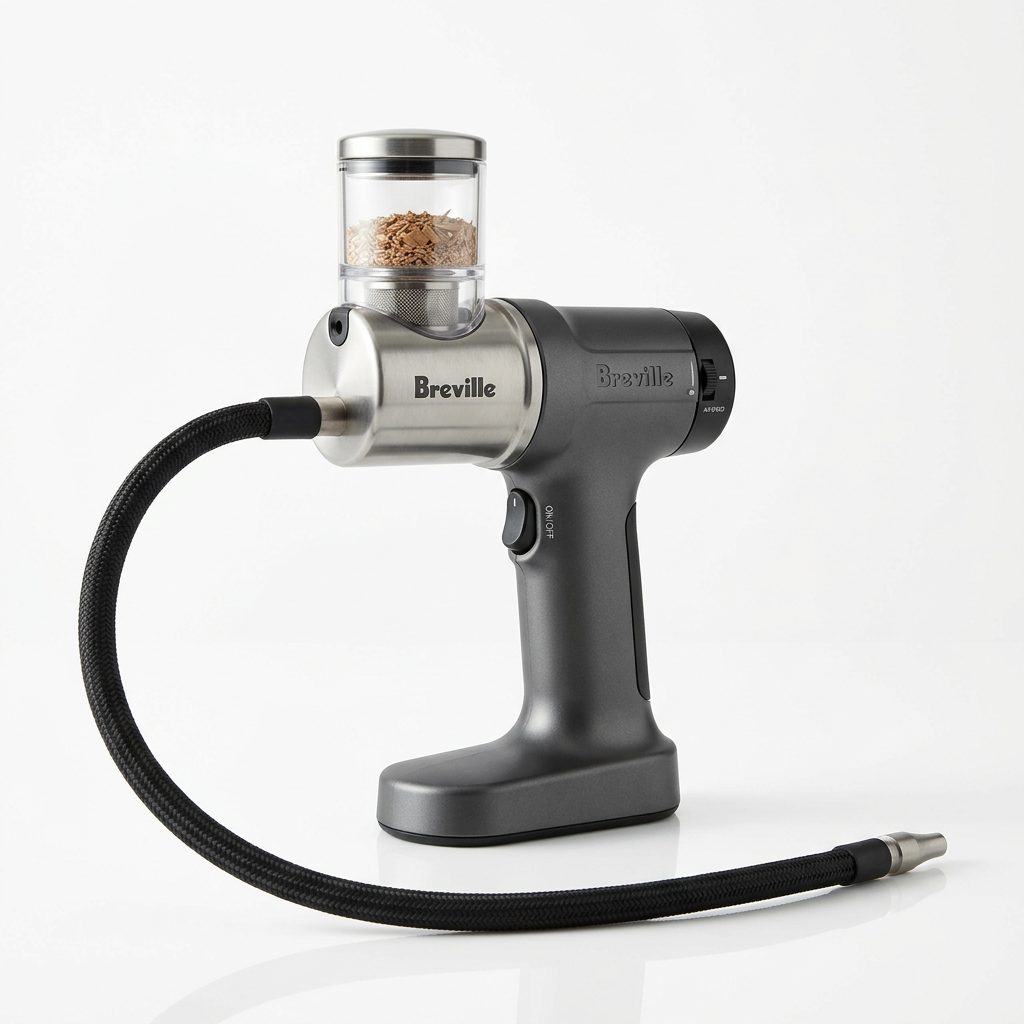
Achieving what pitmasters call blue smoke is the single most important skill for a home cook. When your fire is starved of oxygen, you get thick, white, billowy smoke, which carries soot and heavy creosote that will coat your meat in a bitter film. Proper airflow is non-negotiable; you want a fire that burns hot enough to combust fully, releasing a thin, translucent, slightly bluish haze that imparts a clean, wood-fired essence. Keep your vents clear, ensure your wood is properly seasoned to avoid moisture-related steam, and remember that your smoke should be a whisper, not a heavy shroud.
"True barbecue is a game of patience, where the fire is your partner, not your enemy. You aren't just cooking meat; you're managing the environment in which the meat transforms."
To maintain a consistent internal temperature, typically between 225°F and 275°F, you must learn to manipulate your airflow rather than the fuel itself. Adding too much fuel at once creates temperature spikes that can ruin the texture of the meat, while neglecting the fire leads to stalls that prolong your cooking time unnecessarily. Follow these tips to master your heat:
Texas Hill Country: The Cathedral of Beef
When we discuss the Texas style, we are talking about a minimalist's approach that prioritizes the quality of the protein above all else. In the heart of the Hill Country, beef brisket is the king, and it is traditionally prepared with nothing more than a coarse rub of salt and cracked black pepper. This is the Central Texas Trinity: salt, pepper, and smoke. The goal is to celebrate the natural flavor of the beef, allowing the rendered fat to act as the primary basting agent.
The Art of the Brisket Trim
Trimming a brisket is an exercise in aerodynamics and texture control. You want to remove the hard, waxy fat known as the deckle or point fat, as it will not render during the cook and will create an unpleasant eating experience. Aim for a uniform fat cap of about a quarter-inch thick. If the fat is too thick, the smoke cannot penetrate; if it is too thin, the meat will dry out before the connective tissues have broken down.
Step 1:* Use a sharp, flexible boning knife to remove the silverskin and excess fat.
Step 2:* Shape the brisket into a rounded edge so it doesn't burn on the corners.
Step 3:* Apply a 50/50 ratio of coarse Kosher salt and 16-mesh cracked black pepper. The coarseness of the pepper is essential, as it creates the crunchy, peppery crust known as the bark.
When smoking your brisket, remember that the stall is inevitable. Around 160°F, the moisture evaporating from the surface of the meat will cool it down, effectively pausing the internal temperature rise. Many professionals choose to wrap the meat in pink butcher paper at this stage. Unlike foil, which traps steam and turns the bark into mush, butcher paper allows for some breathability while still accelerating the cooking process by retaining heat.
The Carolinas: A Vinegar and Mustard Mosaic
Moving east, the focus shifts from the rich, unctuous beef of Texas to the complex, tangy world of pulled pork. In Eastern North Carolina, the philosophy is simple: whole hog cooking, seasoned with a thin, spicy, vinegar-based sauce. In the Midlands of South Carolina, however, you will encounter the unique mustard-based sauce, often referred to as Carolina Gold. These sauces are designed to cut through the heavy richness of the pork, providing a sharp contrast that cleanses the palate with every bite.
The Role of Acid in Flavor Balancing
The magic of Carolina barbecue lies in the "mop" or the "finishing sauce." Because pork fat is so pervasive, the acidity of apple cider vinegar and the pungency of mustard act as a necessary counterpoint. You are not just adding flavor; you are balancing the molecular profile of the dish.
"The true test of a pitmaster is not how they cook the meat, but how they sauce it. You must understand that the sauce is meant to complement the smoke, not replace the taste of the wood."
To create a classic Carolina-style finishing sauce, whisk together:
* 2 cups apple cider vinegar
* 1 tablespoon crushed red pepper flakes
* 1 tablespoon brown sugar
* 1 teaspoon salt
* 1/2 teaspoon cayenne pepper
* Optional: 1/2 cup yellow mustard for the South Carolina variation
Apply this sauce after the meat has been pulled. By adding it at the very end, you preserve the texture of the bark while ensuring the meat remains moist and vibrant. This technique is vastly superior to drowning the meat in heavy, sugary commercial barbecue sauces, which often mask the quality of the smoke.
Kansas City: The Convergence of Flavor
Kansas City is the melting pot of the barbecue world, characterized by its reliance on a wide variety of meats—brisket, pork, ribs, and the legendary burnt ends—all finished with a thick, sweet, tomato-and-molasses-based sauce. Unlike the purist regions of Texas or the Carolinas, Kansas City embraces a "more is more" philosophy. It is a city that loves to layer flavor, starting with a robust, sweet-and-savory dry rub before the cook, and ending with a glossy, caramelized coating of sauce.
The Legend of Burnt Ends
Burnt ends are the crown jewels of Kansas City barbecue, originally considered the "tasty trash" of the brisket point. When a whole packer brisket is smoked, the point—the fattier, marbled end of the muscle—remains succulent long after the leaner flat is finished. By cubing this point, tossing it in a bit of rendered fat and sweet sauce, and returning it to the smoker for an additional hour, you create flavor bombs that are the pinnacle of indulgence.
When preparing your own burnt ends, ensure you are using the point muscle specifically. The high level of intramuscular fat is what allows them to withstand the secondary "glazing" phase without turning into leather. Keep your glaze thin, layering it in stages so it tacks up on the surface rather than pooling at the bottom of the tray. This gives the burnt ends that signature sticky, candy-like finish that makes Kansas City barbecue world-renowned.
Memphis: The Dry-Rub Tradition
Memphis is synonymous with pork, specifically pork ribs prepared either "dry" or "wet." The dry-rubbed ribs of Memphis are a masterclass in spice blend construction. Rather than relying on a heavy sauce, the flavor is derived from an intricate mix of paprika, garlic powder, onion powder, celery seed, and often a touch of dried oregano. The goal is to build a crust that is savory, herbal, and slightly spicy, highlighting the sweetness of the pork without overwhelming it.
Rub Composition and Spice Mastery
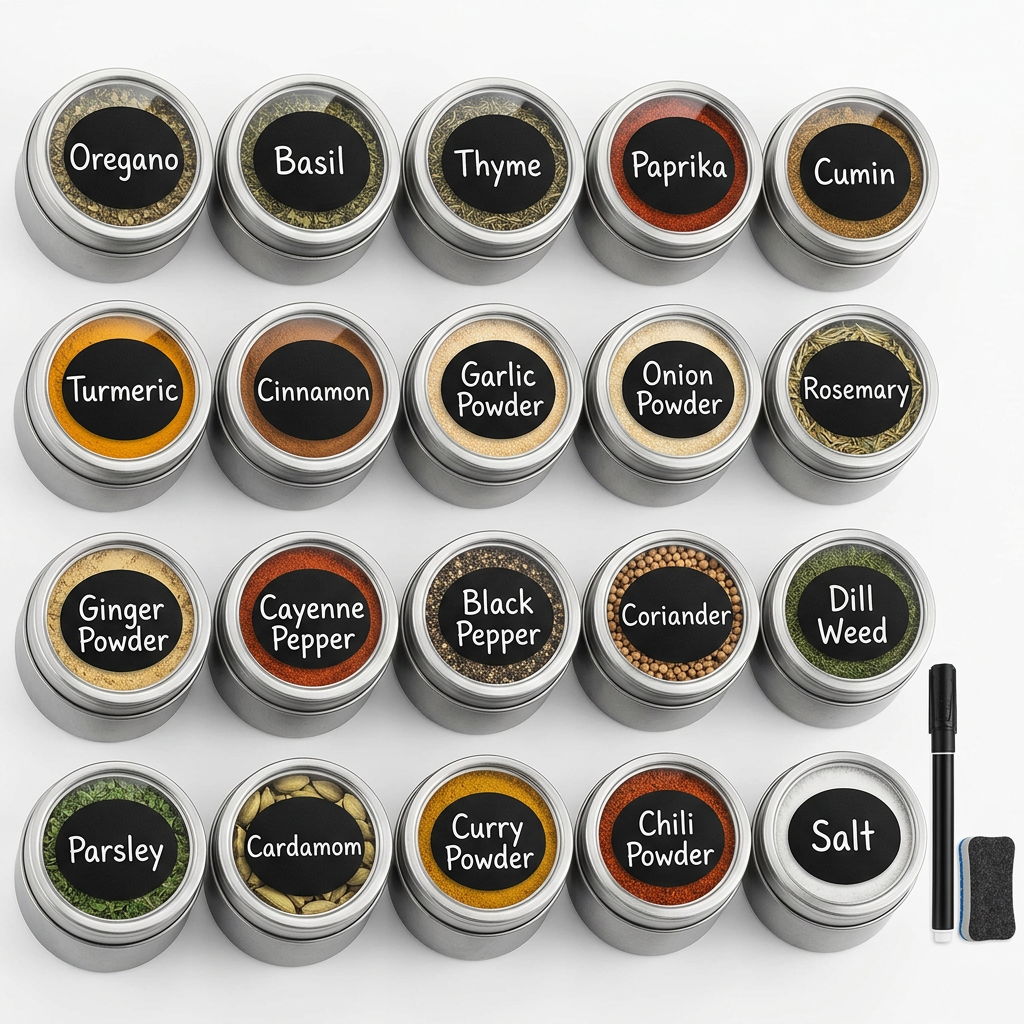
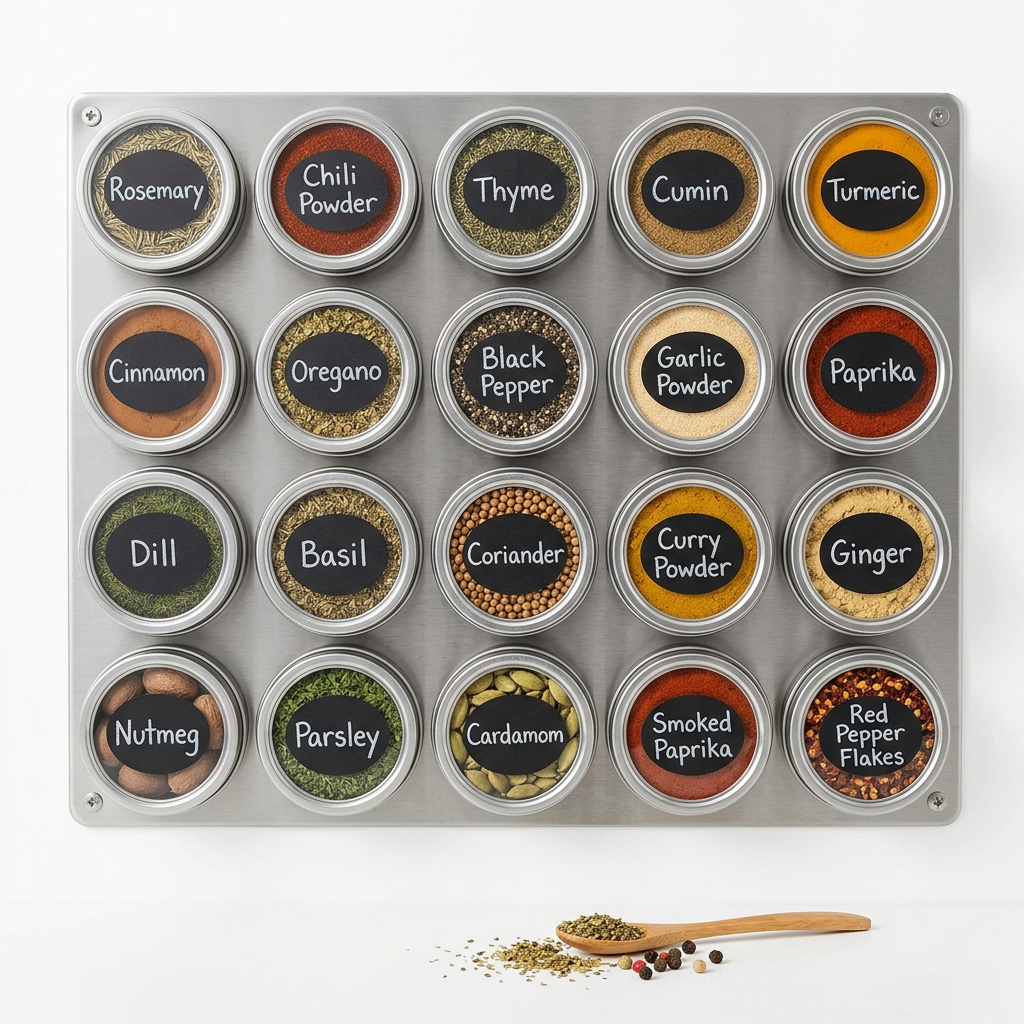
Developing a rub is one of the most creative aspects of being a pitmaster. A great rub should stimulate all the senses. You want the earthy base of paprika, the aromatic lift of garlic and onion, and the subtle heat of cayenne or chili powder. Don't be afraid to experiment with adding ground coffee, toasted cumin, or even dried mustard to your blends. The key is to apply the rub well in advance—at least four hours, but preferably overnight—to allow the salt to penetrate the meat through osmosis.
The Salting Rule:* Always use Kosher salt, never table salt. The larger flakes allow for better coverage and more consistent application.
The Sugar Balance:* Use light brown sugar for a subtle molasses note, but be careful of the temperature. Sugar burns at 325°F; if your smoker hits those temperatures, your rub will become bitter.
Application:* Use a shaker bottle to ensure an even coating. Start from a foot above the meat to prevent clumping.
When serving Memphis-style ribs, remember that they are traditionally cooked until they reach a state of "pull-away" perfection. They should not fall off the bone; if they fall off, they are overcooked and mushy. You want a distinct "tug" when you bite into the meat, ensuring that the structural integrity of the rib remains intact while the internal connective tissue has been fully resolved.
Advanced Pitmaster Tips: The Science of Smoke and Rendering
To elevate your barbecue from good to competition-level, you must focus on the microscopic processes happening within the smoker. Collagen breakdown is the engine of barbecue. Tough cuts like shoulder and brisket are loaded with collagen, a structural protein that turns to gelatin when held at temperatures between 160°F and 185°F for several hours. This transition is what makes the meat "melt-in-your-mouth."
Moisture Retention and Surface Area
Many home cooks are obsessed with injecting or spritzing, believing it adds flavor deep into the meat. In reality, liquid cannot penetrate deep into a dense muscle mass. What spritzing does do is cool the surface of the meat and encourage the accumulation of smoke particles. If you choose to spritz, use a mixture of apple cider vinegar and water or beer. Do this sparingly, perhaps once an hour, to avoid washing away your carefully crafted rub.
"Your smoker is a controlled environment of chemical reactions. By managing the rate of evaporation and the rate of collagen breakdown, you are acting as both a scientist and a chef."
Another professional tip involves the resting period. Never, under any circumstances, slice your meat the moment it comes off the pit. The muscle fibers are tight and the juices are agitated. Resting your meat in a dry cooler (a "faux Cambro") for at least one to two hours allows the juices to redistribute throughout the meat. This simple step is the difference between dry, crumbly brisket and the succulent, glistening slices found at the best smokehouses in the country.
Elevating Your Side Game: The Supporting Cast
No barbecue spread is complete without the proper sides. These dishes should serve as a palate cleanser or a textural contrast to the richness of the smoked meat. Think of your sides as the rhythm section of a band; they provide the foundation that allows the meat, the lead singer, to shine. From tangy, vinegar-based coleslaw to creamy potato salad and slow-cooked pinto beans, the best sides are those that respect the heavy lifting done by the smoker.
The Philosophy of the Side Dish
When choosing sides, consider the "weight" of your main course. If you are serving heavy, fatty brisket, choose a slaw with a crisp, acidic vinaigrette rather than a heavy, mayonnaise-based one. If you are serving dry-rubbed ribs, a side of creamy macaroni and cheese can provide the luxurious contrast that completes the meal. Keep the flavors simple and bold—barbecue is not the time for overly complicated, deconstructed dishes.
Conclusion
The journey into American barbecue is one that rewards curiosity and honors the passage of time. There are no shortcuts that can replace the hours spent in front of an offset smoker, learning the temperamental nature of a hardwood fire and the gradual transformation of tough protein into tender silk. We have explored the regional traditions that define our craft—the salt-and-pepper purity of Texas, the acidic bite of the Carolinas, the sweet complexity of Kansas City, and the spice-forward tradition of Memphis—but these are merely starting points.
Your growth as a chef depends on your willingness to experiment within these frameworks. Use the knowledge of smoke management and temperature control to create your own signature style. Whether you are aiming for the perfect brisket bark or the most succulent pulled pork, remember that the "blame" for an exceptional meal lies squarely on your shoulders. You have taken the raw elements of nature—wood, fire, meat, and spice—and organized them into something that nourishes and delights.
As you move forward, keep a detailed log of your cooks. Note the wood used, the ambient temperature, the wind conditions, and the final outcome of the meat. Barbecue is a science, and every cook is an experiment. By embracing the process, you will eventually find that you no longer need recipes; you will develop an instinct for the fire that tells you exactly when the meat is ready. So, go forth, ignite your coals, and continue to refine your craft, one long, slow, smoky afternoon at a time. The world of American barbecue is vast, but it is waiting for your unique contribution to its storied, flavorful history. Happy smoking, and may your bark always be dark, your smoke always be thin, and your meat always be perfectly tender.
Get the Next Recipe
Weekly recipes, techniques, and gear picks — straight to your inbox.
