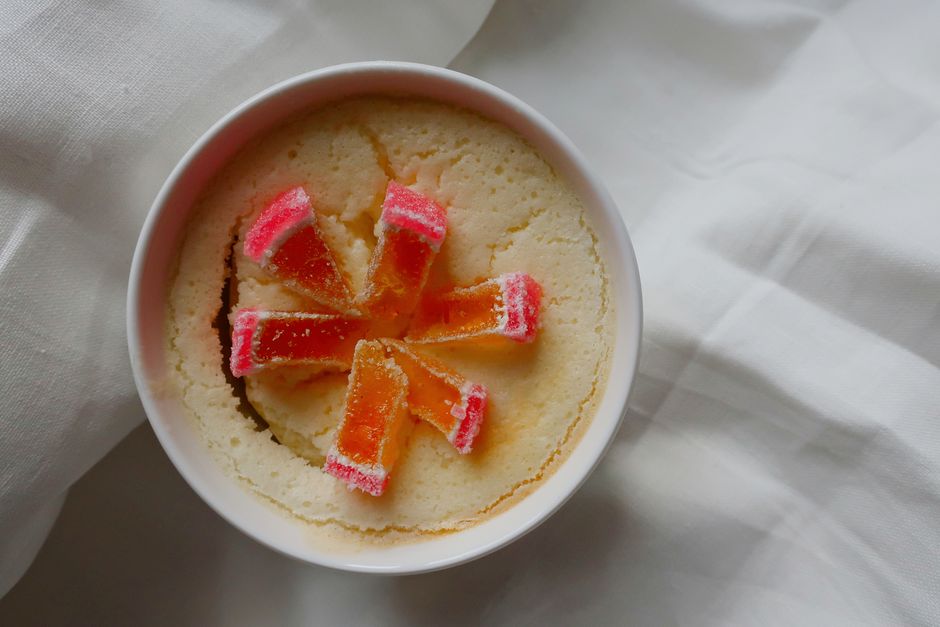
Soufflés: Demystifying the Legendary Dish
The soufflé is one of the most revered dishes in the culinary world, often associated with the delicate touch of French cuisine and the sheer artistry of baking. To many home cooks, it can seem an intimidating challenge, demanding precision and finesse that may feel beyond reach. Yet, under the right guidance, the soufflé transforms from a daunting endeavor into a delightful culinary achievement that embodies both elegance and flavor. This dish is not merely about delightful presentation; it reflects the alchemy of different components coming together in the oven, showcasing the beauty of air, heat, and timing.
Central to the allure of the soufflé is its puffiness, achieved by whisking egg whites to soft peaks and folding them carefully into the rest of the mixture. This process creates a light, airy texture that is synonymous with the dish itself. However, the soufflé is often misunderstood – many think it requires an exceptional level of skill, and they shy away from attempting it. In reality, with the right techniques and a clear understanding of the components, anyone can master the art of creating a stunning soufflé that rises beautifully, whether sweet or savory.
In this blog post, we’ll unravel the mystery surrounding soufflés, providing you with in-depth techniques, tips, and recipes that will empower you to tackle even the most complex versions with confidence. Let’s dive into the world of soufflés, exploring their history, basic elements, techniques for crafting both sweet and savory variations, troubleshooting common pitfalls, and creative serving suggestions to impress your friends and family.
A Brief History of Soufflés
The story of the soufflé dates back to the 18th century when it was first mentioned in France. Traditionally, the word “soufflé” comes from the French term meaning “to puff up,” which accurately describes what occurs when this dish is placed in a hot oven. Initially, soufflés were served as a savory dish, often featuring ingredients such as cheese or vegetables. Over the years, chefs began to experiment with sweet variations, incorporating ingredients such as chocolate, fruit, and cream.
The Evolution of the Dish
By the time the 19th century rolled around, the soufflé had become a staple of haute cuisine. Renowned French chefs such as Marie-Antoine Carême and Georges Auguste Escoffier further refined the technique, cementing the soufflé's status as an essential dish in fine dining establishments. With their meticulous recipes and techniques, these culinary pioneers transformed the soufflé into a symbol of fine French cuisine.
Today, the soufflé has evolved to take on new forms and flavors, from innovative savory variations that incorporate modern ingredients to luxurious desserts that pander to the sweet tooth. Some might even say that the soufflé exemplifies the creativity that defines contemporary gastronomy. Yet, despite its evolution, the classic techniques and principles behind the soufflé remain relevant.
Why the Soufflé Still Captivates Chefs?
The beauty of the soufflé, beyond its historical significance, lies in its versatility. Home cooks can adapt the base recipe to suit the seasons or personal preferences, offering endless opportunities for creation. Furthermore, the sense of accomplishment that comes from successfully producing a beautiful, risen soufflé is unparalleled. It’s a dish that, when served fresh from the oven, can evoke gasps of delight from a dinner party crowd.
“The **soufflé** is not just a test of skill; it's a celebration of flavor, texture, and the magic of cooking.”
Understanding the Basic Components
At its core, a soufflé is a mixture of a flavorful base and whipped egg whites. Every successful soufflé begins with understanding the key components involved.
Egg Base
The base of the soufflé can vary, but it typically consists of:
When making a savory soufflé, consider incorporating ingredients such as grated cheese (Gruyère or Parmesan), spinach, or mushrooms. For sweet soufflés, options range from rich chocolate to light fruit combinations.
Whipped Egg Whites
Whipping the egg whites creates the necessary lift for the soufflé to rise. Achieving the perfect peaks is essential. Here are some tips:
To whip egg whites effectively:
Folding Technique
Once the egg whites are softly whipped, you'll need to fold them into the base mixture. This step is crucial:
“Folding is an art; treat the mixture gently and lovingly when incorporating the egg whites. Remember, every fold counts!”
Crafting the Perfect Soufflé
Now that you understand the components, let’s dive into the techniques for crafting a successful soufflé.
Preparing the Ramekins
The first step in making a soufflé is preparing the ramekins, which will serve as the vessel for your dish:
Making the Base
For a basic cheese soufflé or chocolate soufflé, follow these essential steps:
The Folding Process
With your egg whites whipped and base ready, it’s time to bring it all together. Here’s how:
Baking the Soufflé
Baking is where the magic happens. With the oven preheated to 375°F (190°C), here’s how to proceed:
Sweet vs. Savory Soufflés
One of the joys of cooking soufflés is the ability to choose between sweet and savory variations, each offering a different flavor profile and experience.
Exploring Sweet Soufflés
Sweet soufflés can be made with a variety of delicious ingredients. Here are some popular choices:
Savoring Savory Soufflés
Savory soufflés are a wonderful way to impress at brunch or dinner with their rich, bold flavors. Consider these popular options:
Troubleshooting Common Soufflé Issues
Even with proper techniques, sometimes soufflés can fall flat—literally and figuratively. Here are some common issues and how to troubleshoot them:
Soufflé Collapsing
Soufflé Not Rising
Uneven Cooking
Serving Suggestions
Once your soufflé is beautifully baked and presented, think of ways to elevate the dish further to enhance the overall dining experience.
“Presentation is key; make each soufflé a centerpiece of your dining experience.”
Conclusion
With careful attention to detail and a dash of practice, you can become well-versed in crafting the perfect soufflé, whether a classic cheese or a decadent chocolate delight. Embrace the art of this legendary dish and allow its complexity to thrill your guests, sparking delight at the dinner table.
Remember, cooking is not just about following the steps; it is about experimenting, adjusting, and making a dish your own. So, whisk those egg whites, savor the thrilling moment as you see your soufflé puff, and take pride in your cooking endeavors. This wonderful dish may have once seemed daunting, but with the knowledge and passion you’ve cultivated, the next time you bake a soufflé, your skills will certainly reflect your growth.
So go ahead, elevate your baking skills and conquer the world of soufflés. After all, cooking is about enjoying the journey as much as savoring the culmination of your efforts on a plate. Embrace the challenge, and let your soufflé shine as a testament to your culinary prowess. Happy baking!
(Word Count: 2,088)




Get the Next Recipe
Weekly recipes, techniques, and gear picks — straight to your inbox.
