
Sous Vide Basics: Perfect Precision Cooking
Sous vide cooking has transformed the way home cooks approach precision in the kitchen. This innovative technique, which translates to "under vacuum" in French, allows for perfectly controlled cooking by immersing food in a water bath set at a specific temperature. The beauty of sous vide lies in its ability to produce consistent, restaurant-quality results while ensuring that foods retain their natural moisture, flavor, and nutrients. No longer a technique reserved for high-end restaurants, sous vide is now accessible to home cooks eager to elevate their culinary skills.
As the home cooking landscape continues to evolve, sous vide cooking has gained a special place in the hearts of both amateur and professional chefs alike. The key advantage of this method is the precise control it offers over cooking temperatures. This allows for precise doneness, which is crucial when working with proteins like meat and fish, as well as delicate vegetables. The process also opens new doors for flavor infusion, as cooking food slowly at lower temperatures allows seasonings and marinades to permeate more deeply.
In this comprehensive guide to sous vide, you’ll learn not only the ins and outs of this cooking method but also discover practical tips, techniques, and recipes to try in your own kitchen. By mastering sous vide, you can ensure the perfect steak, eggs with a custard-like texture, and vegetables that retain their vivid colors and crispness. Whether you are just starting or looking to refine your technique, the world of sous vide offers endless possibilities for culinary creativity.
What is Sous Vide?
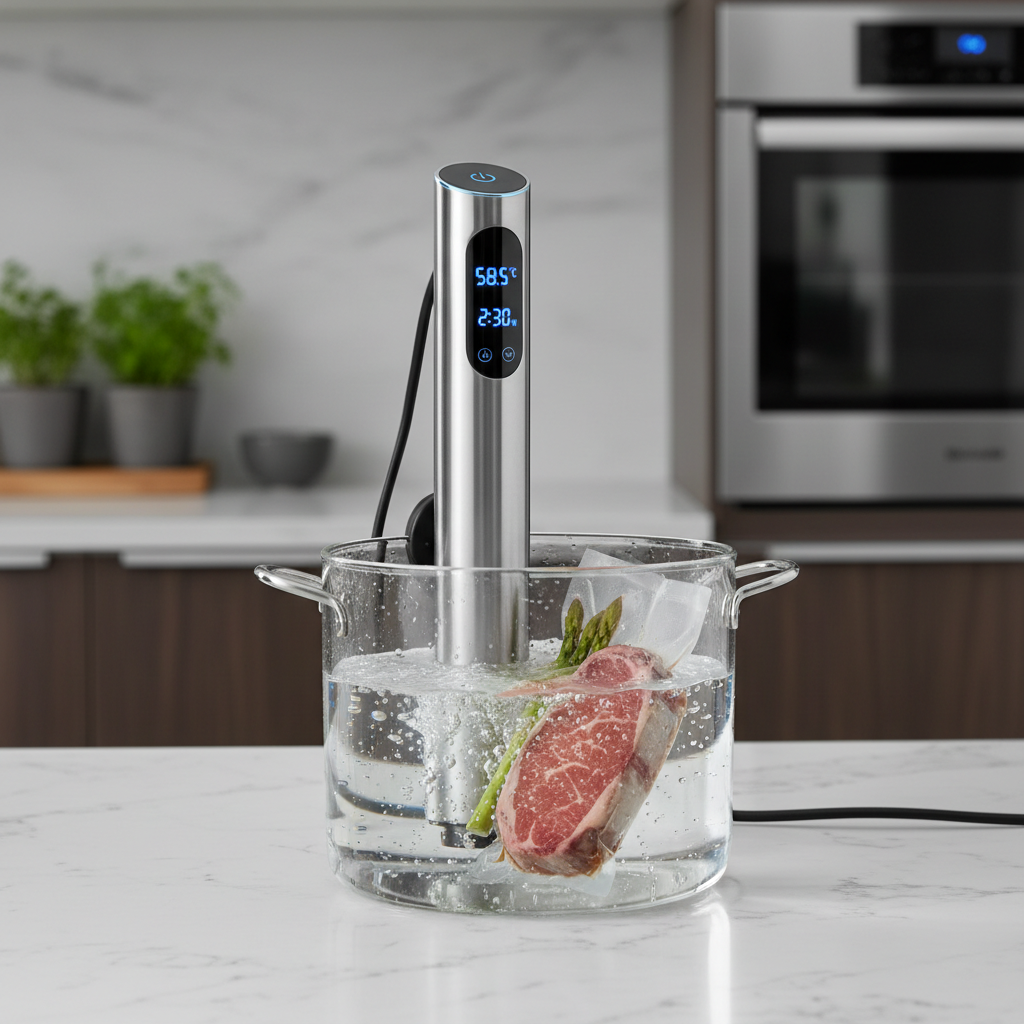
Sous vide is a cooking technique that has revolutionized the kitchen for both professionals and casual home cooks alike. Essentially, it involves sealing food in a vacuum-sealed bag and cooking it slowly in a water bath at a precisely controlled temperature. This method allows for even cooking, no overcooking, and the preservation of essential nutrients and flavors. Whether you're cooking tender cuts of beef or delicate fish, sous vide ensures that your food cooks evenly from edge to edge.
Benefits of Sous Vide
Sous vide offers several advantages that make it a favorite cooking technique.
Equipment Needed for Sous Vide
Before delving into cooking techniques, it’s crucial to understand the equipment required for sous vide cooking. While you don’t need a high-end immersion circulator, investing in quality tools will significantly improve your experience.
Immersion Circulator
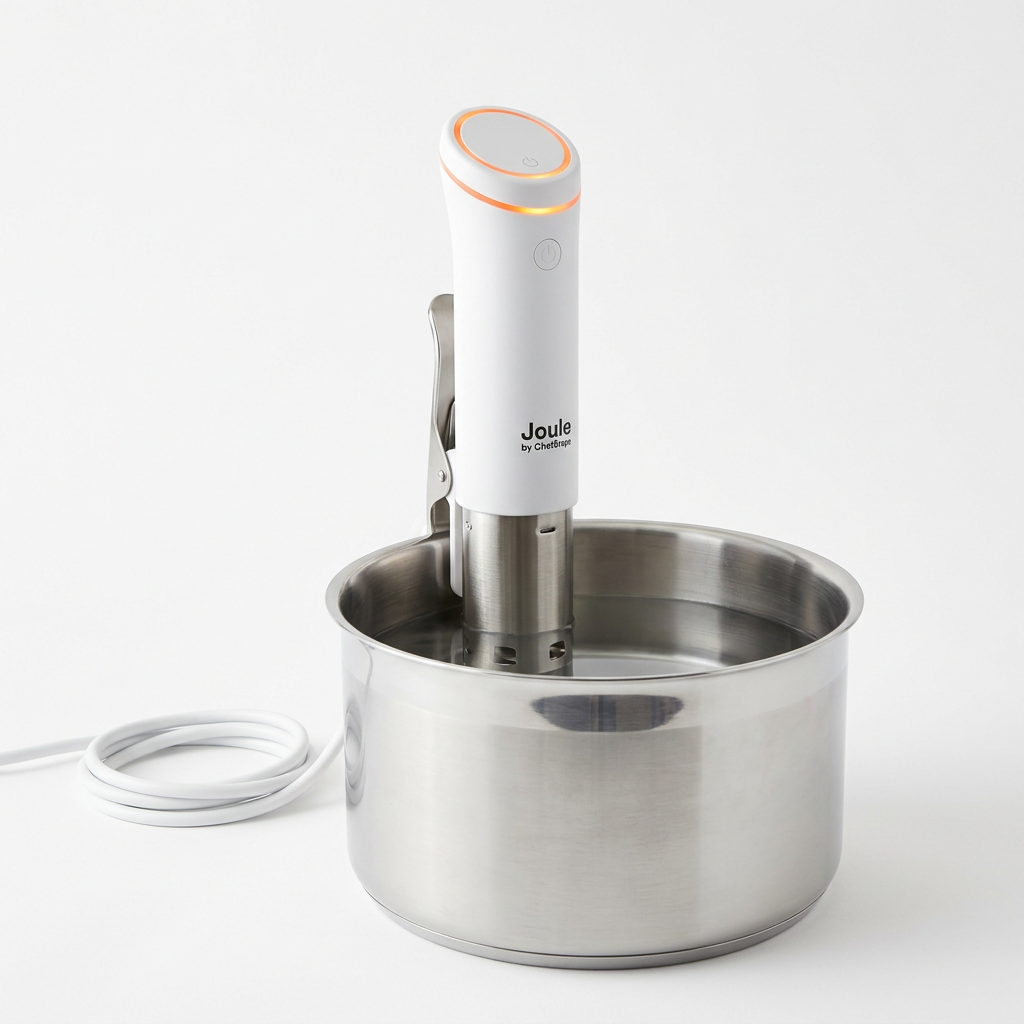
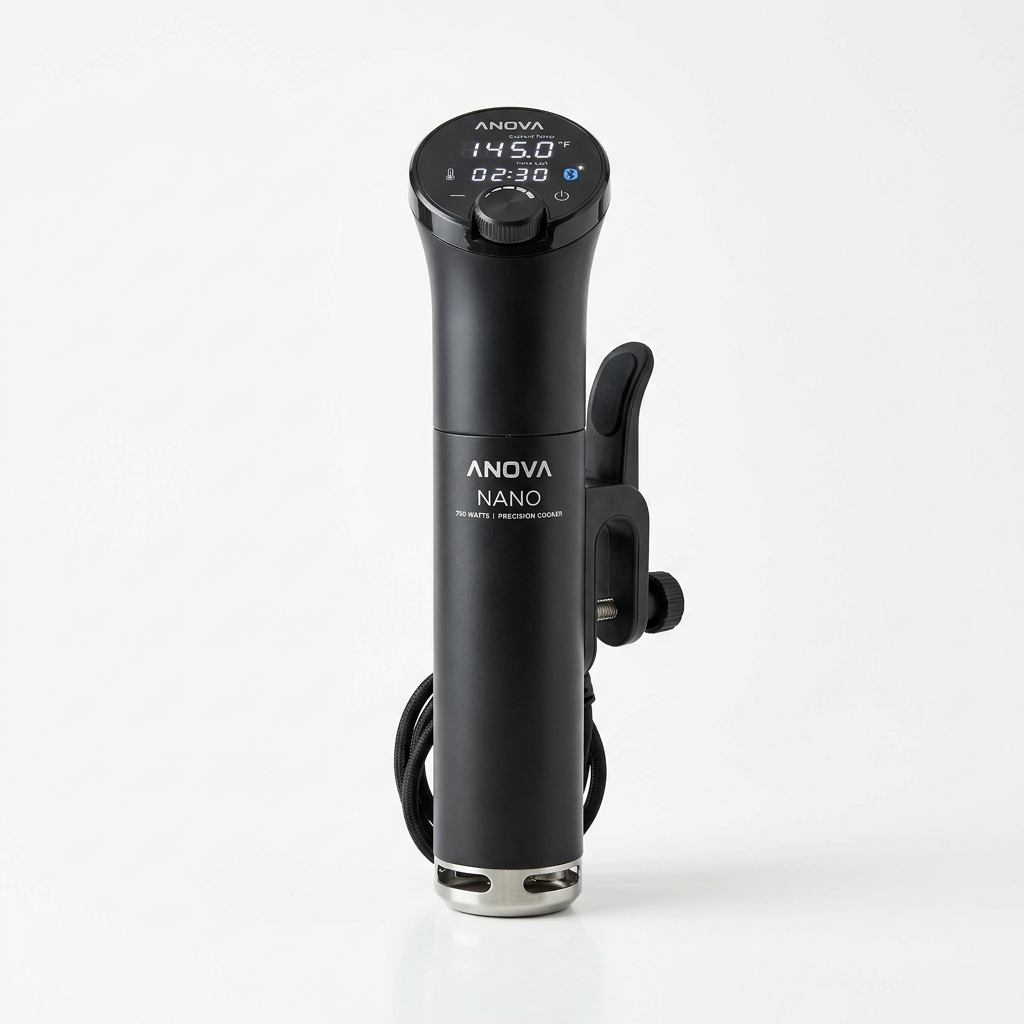
At the core of sous vide cooking is the immersion circulator. This device heats the water to your desired temperature and circulates it evenly. There are various models available at different price points. Look for one with a clear display, precise temperature control, and the ability to maintain a consistent temperature over long cooking durations.
Vacuum Sealer
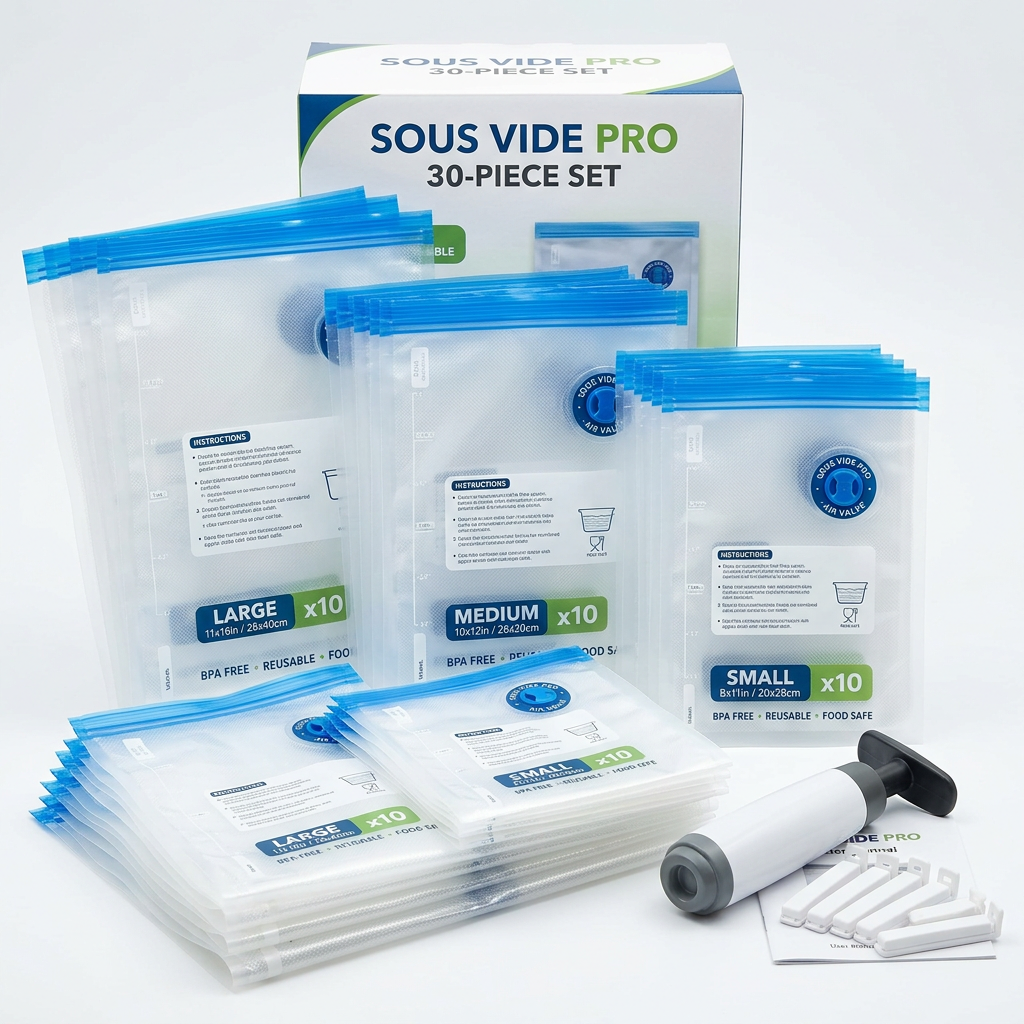
A vacuum sealer is another essential piece of equipment. It ensures your food is sealed tightly in a plastic bag, preventing water from entering and allowing for efficient heat transfer. Many affordable vacuum sealers are on the market, and you can choose between chamber sealers for higher volume needs or handheld models for occasional use.
Sous Vide Bags
Using bags designed specifically for sous vide is recommended. These bags can withstand high temperatures and are designed to prevent leaching of chemicals into your food. You can also use zip-top bags, but it’s essential to remove as much air as possible to prevent floating during cooking.
Water Bath Container
Any large pot or container can serve as your water bath for sous vide cooking, but you’ll want to ensure it’s deep enough to fully submerge the food without running out of water. Larger containers allow for more considerable volume and multiple sous vide bags, making it ideal for those cooking for families or entertaining guests.
Alternative Equipment
For those who don't want to invest in specialized equipment initially, you can use a large pot and a regular thermometer to monitor water temperature. It’s a less precise method but can produce decent results with careful attention.
Basic Sous Vide Techniques
Once your equipment is in place, mastering a few basic techniques will elevate your sous vide cooking experience.
Prepping the Food
Water Bath Setup
Cooking Time and Temperature
Sous vide cooking times can vary significantly based on the type of food, thickness, and desired doneness. Here are some recommended temperature and time guidelines for common proteins:
- Rare: 120°F (49°C) for 1-4 hours
- Medium-rare: 129°F (54°C) for 1-4 hours
- Medium: 140°F (60°C) for 1-4 hours
- Tender and juicy: 145°F (63°C) for 1-2 hours
- Juicy and tender: 140°F (60°C) for 1-4 hours
- Flaky and tender: 130°F (54°C) for 30-60 minutes
- Carrots: 183°F (84°C) for 1-2 hours for tender-crisp texture
- Asparagus: 185°F (85°C) for 10-15 minutes for vibrant color and crunch
Finishing Techniques
After your food has been sous vide cooked to perfection, there’s often a need to finish with another cooking method. For meats, this commonly involves searing.
"Sous vide is not just about cooking; it's about mastering the art of precision."
Common Mistakes in Sous Vide Cooking
Even seasoned cooks can make missteps with sous vide cooking, so let's take a look at a few common mistakes to avoid.
Overcrowding the Water Bath
Placing too many bags in the water bath can result in uneven cooking. Ensure that water circulates around each bag freely for optimal results. If you're cooking a large batch, it’s better to cook in smaller increments to allow the circulating water to reach each bag effectively.
Insufficient Temperature Control
One of the most critical aspects of sous vide cooking is maintaining a consistent temperature. If your immersion circulator doesn’t perform well, consider investing in a more reliable device. Fluctuations can lead to undercooked or overcooked food, undermining the benefits of this precise cooking method.
Not Prepping the Food Properly
Skimping on seasoning and prep can lead to bland outcomes. Don’t be afraid to use strong flavors! Herbs, spices, aromatics, and marinades can take your sous vide dishes to the next level.
Cooking Too Long or Too Short
Though one of the advantages of sous vide is the flexibility in cooking time, cooking a piece of meat too long can result in mushiness. Always refer to recommended cooking times and check often during your initial experiments until you determine your preferred level of doneness.
Creative Sous Vide Recipes
After mastering the basics and avoiding common pitfalls, it’s time to explore some recipes that highlight sous vide’s unique benefits.
Sous Vide Steak with Garlic Butter
Ingredients:
Instructions:
"The secret to a great steak is patience—let sous vide take its course."
Sous Vide Egg Bites
Ingredients:
Instructions:
Tips for Successful Sous Vide Cooking
To truly elevate your sous vide cooking, consider the following pro tips:
Conclusion
Sous vide cooking offers an exciting journey toward culinary precision that any home cook can embark upon. The combination of precision cooking, flavor retention, and convenience makes sous vide a revolutionary technique in the culinary world. With the right equipment, techniques, and a bit of creativity, you can transform your cooking game and impress family and friends alike.
By mastering the basics—understanding your equipment, avoiding common pitfalls, and experimenting with delicious recipes—you'll have the tools necessary for cooking with confidence. As you find joy in perfecting your sous vide techniques, remember that each culinary adventure brings new learning experiences. So don your chef hat, engage in the world of sous vide, and let the precision of this cooking technique open new culinary doors in your kitchen!
Get the Next Recipe
Weekly recipes, techniques, and gear picks — straight to your inbox.
