Sous Vide Cooking: Precision Temperature Control for Perfect Results Every Time
In the ever-evolving world of culinary arts, few techniques have captivated both home cooks and professional chefs as profoundly as sous vide cooking. This method, derived from the French term meaning "under vacuum," offers a revolutionary approach to cooking that ensures precision, consistency, and unparalleled flavor. Imagine preparing a steak that is perfectly medium-rare from edge to edge, or vegetables that retain their vibrant colors and nutrients while achieving optimum tenderness. Sous vide not only streamlines the cooking process but also alleviates the pressure of timing, enabling you to hone your skills and creativity in the kitchen.
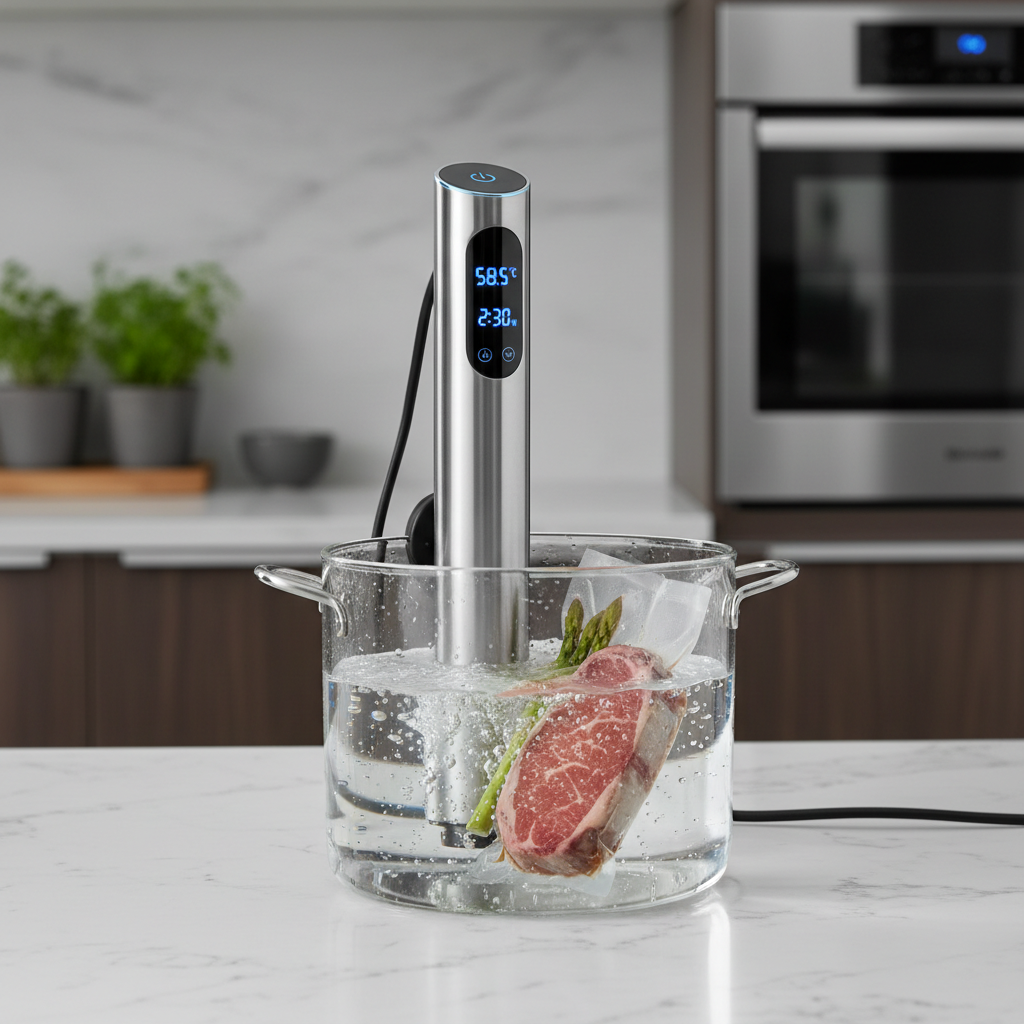
At its core, sous vide is predicated on the remarkable principle of temperature control. Unlike traditional cooking methods where temperature control is often a balancing act, sous vide allows for precise temperature regulation to the exact degree. By cooking food in vacuum-sealed bags submerged in a water bath, this technique ensures that ingredients cook evenly and retain their natural juices, leading to fresh, succulent results every time. Home cooks can achieve restaurant-quality dishes right from their kitchens by embracing the scientific precision that sous vide offers.
While the concept of sous vide may seem intimidating at first glance, it is ultimately accessible to anyone willing to learn. With just a few essential tools and a solid understanding of fundamental techniques, you can elevate your cooking game to new heights. In this comprehensive guide, we will explore the ins and outs of sous vide cooking, from understanding the necessary equipment to mastering the art of timing different ingredients perfectly. By the end of this post, you’ll be well-equipped to dive into your sous vide journey, ready to impress friends and family with flawless meals.
What is Sous Vide Cooking?
Sous vide cooking has become a popular method among culinary enthusiasts due to its unique ability to deliver consistent results. Essentially, food is placed in a sealed bag and cooked in a water bath at a precisely regulated temperature, which allows it to cook thoroughly while preventing overcooking. This not only maximizes the flavor but also enhances the texture of food in ways that traditional cooking methods often cannot.
Historical Background
The origins of sous vide trace back several decades. In the 1970s, French chef Georges Pralus is credited with pioneering this technique while experimenting with cooking foie gras. His findings showed that by cooking the delicacy in a vacuum-sealed bag, it retained its moisture and flavor better than conventional methods. Although sous vide gained traction in fine dining, it only entered the mainstream kitchen in recent years, thanks largely to advancements in precision cooking technology and the affordability of immersion circulators.
The Science Behind It
The beauty of sous vide lies in the science of temperature. When food is cooked at a precise temperature—typically much lower than traditional cooking methods—the proteins in meat break down more gently, which leads to a more tender and juicy final product. Cooking time is also more forgiving; since the water bath holds a constant temperature, there’s a minimized risk of overcooking. This method capitalizes on the Maillard reaction, which beautifully caramelizes food when seared following sous vide cooking. This two-step approach—that is, cooking sous vide followed by searing—while simple, yields outstanding results.
Essential Equipment for Sous Vide Cooking
Before you embark on your sous vide culinary adventure, you will need to gather some essential tools. While the process is relatively straightforward, the right equipment can make a significant difference in achieving consistently great results.
Immersion Circulator
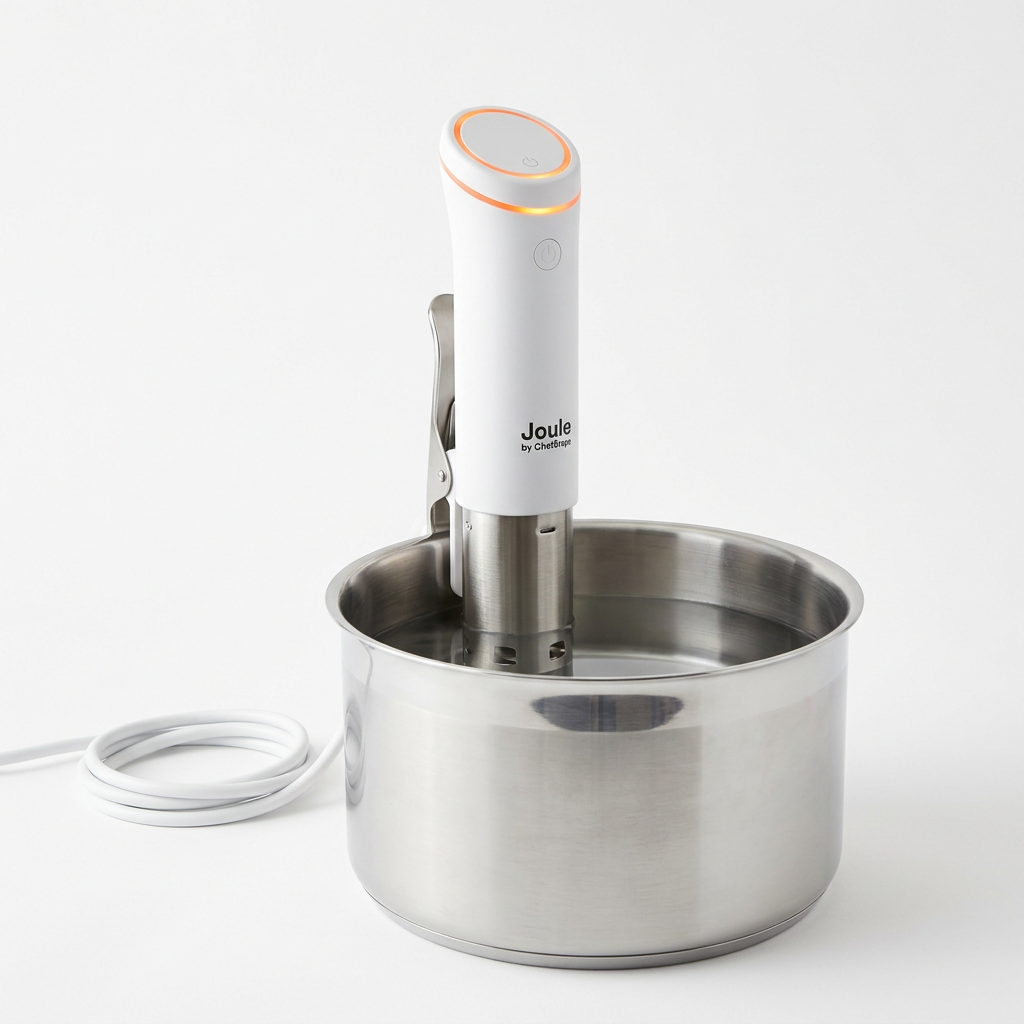
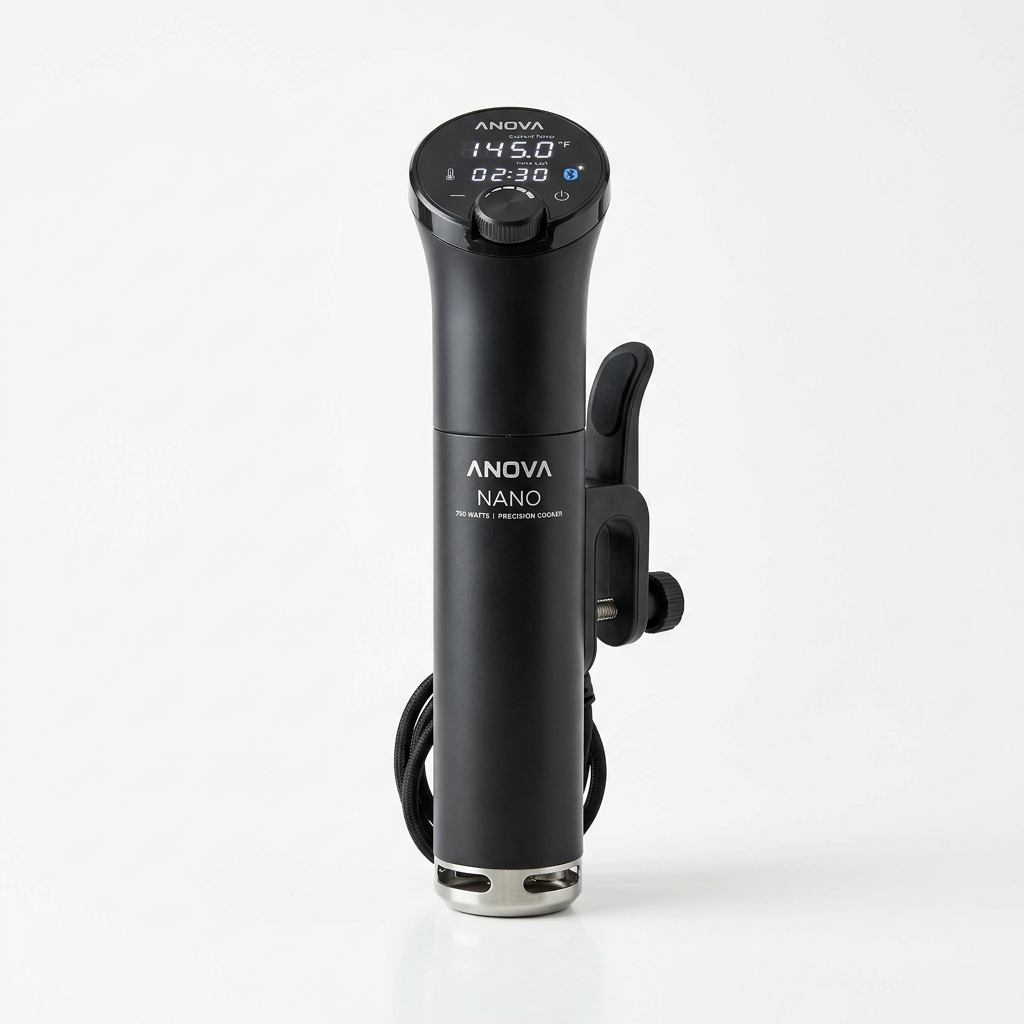
The immersion circulator is the heart of sous vide cooking. This appliance, which places the water at a precise temperature, allows you to cook food evenly. When purchasing an immersion circulator, look for models with features such as:
Vacuum Sealer
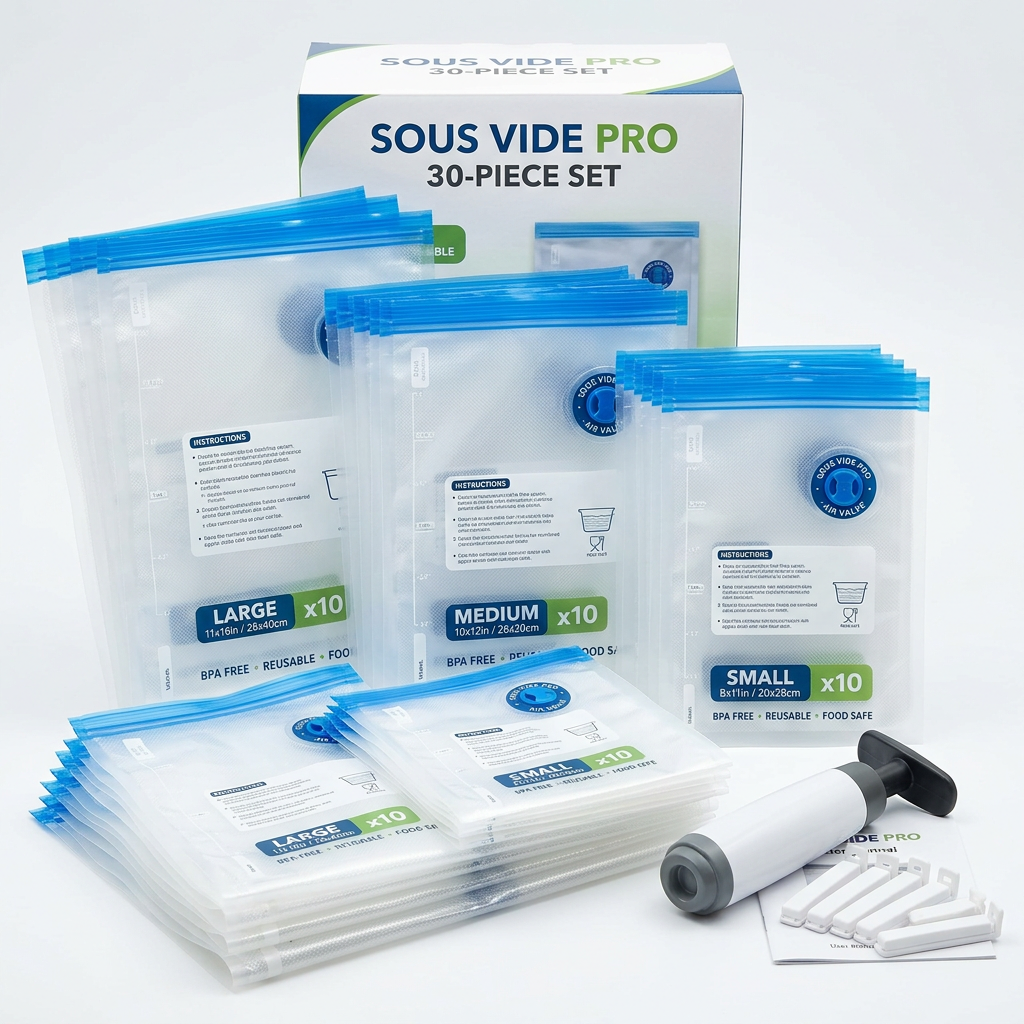
A vacuum sealer is another indispensable tool for sous vide cooking. While it’s possible to use zipper-lock bags with the water displacement method, a vacuum sealer provides a much tighter seal. When looking for a vacuum sealer, consider the following:
Sous Vide Containers
Investing in a dedicated sous vide container is beneficial, especially for ensuring effective insulation and minimizing heat loss:
Preparing Ingredients for Sous Vide
Choosing Ingredients
When it comes to sous vide cooking, nearly any food can be prepared using this method. However, certain ingredients shine when cooked sous vide:
Seasoning Your Food
The key to flavoring your ingredients lies in the seasoning techniques before sealing. Options include:
- 1 part acid (vinegar, citrus juice)
- 3 parts oil (olive oil, sesame oil)
- Herbs and spices of your choice
Sealing the Ingredients
Once prepared, place your ingredients in a vacuum-sealed bag, ensuring there is minimal air. If you don’t have a vacuum sealer, the water displacement method works well:
Making the Most of Cook Times
Timing is a crucial aspect of sous vide cooking. Each food type has its ideal cooking temperature and time. Here are some common items and their recommended temperatures and times:
Cooking with Sous Vide
Water Bath Temperature Control
Maintaining the exact temperature is pivotal for sous vide success. Start by filling your container with water and attaching your immersion circulator, setting it to the desired temperature. Here are some tips for effective temperature control:
Cooking Times and Techniques
Understanding cooking times helps you plan your meals. Each ingredient has its unique time frame, but the general rule of thumb includes:
The Finishing Touch: Searing
After sous vide cooking, most proteins benefit from a quick sear to enhance flavor and present a beautiful crust. Here’s how to sear the perfect steak:
“Sous vide may seem complex, but embracing this cooking style is a gateway to culinary mastery. Once experienced, the results speak for themselves.”
Dishes to Try with Sous Vide Cooking
Proteins
Sous vide is particularly well-suited for proteins, allowing for intricate and delicious results. Here are a few noteworthy dishes:
#### Sous Vide Beef Brisket
Beef brisket transformed into tender, flavorful perfection through sous vide:
Serve it shredded or sliced, paired with your favorite barbecue sauce or fresh coleslaw.
#### Sous Vide Salmon
Delicately cooked salmon fillet, rich in flavor and nutrients:
Finish with a sear on high heat for an exquisite crust, and serve atop a bed of greens.
Vegetables
Many vegetables benefit significantly from sous vide cooking, offering optimal texture and flavor.
#### Sous Vide Carrots with Honey Glaze
Sweet, tender carrots prepared sous vide allow for maximum sweetness without losing texture.
Serve as an elegant side dish to enhance any meal.
#### Perfectly Cooked Asparagus
Achieving perfectly cooked asparagus, bright green and crisp, is a breeze with sous vide:
Sauté briefly in a pan to enhance flavor just before serving.
Eggs
Sous vide eggs are the epitome of control and finesse, allowing you to customize times for the perfect texture.
#### Sous Vide Soft-Cooked Eggs
Perfectly cooked soft-boiled eggs using sous vide can recreate that restaurant-quality brunch at home:
Serve with toast or over an avocado salad for a brunch delight.
Troubleshooting and Tips
Common Issues
As with any cooking method, you may encounter various issues while working with sous vide. Here are common problems and how to solve them:
#### Insufficient Seasoning
If your food lacks flavor, experiment with pre-sealing marinades or adjusting the amounts of seasonings used prior to vacuum sealing.
#### Overcooking or Undercooking
Always adhere to the recommended temperatures and times. Investing in a reliable thermometer and ensuring your immersion circulator is functioning will provide consistent results.
Additional Tips
Conclusion
Sous vide cooking is truly a masterpiece of precision and finesse that everyone from novice cooks to seasoned chefs can appreciate. This technique provides unparalleled control over cooking temperatures, ensures maximum flavor retention, and guarantees perfectly tender results with minimal effort. By harnessing the power of the water bath, along with the right equipment and seasoning techniques, you can elevate your culinary skills and enjoy an exceptional cooking experience.
As you embark on your sous vide journey, remember that practice leads to perfection. Don’t shy away from experimenting and refining your methods as you find what best suits your taste preferences. By embracing sous vide cooking alongside traditional methods, you’ll unlock a world of flavor and texture that is both fun and rewarding. With each meal, you are not just preparing food; you are mastering a culinary art that can transform the cooking experience forever. So, gather your ingredients, set the immersion circulator, and revel in the joy of sous vide cooking—perfect results await!
(2106 words)
Get the Next Recipe
Weekly recipes, techniques, and gear picks — straight to your inbox.
