
Sous Vide Cooking: Precision Temperature for Perfect Results
Sous vide cooking stands out as one of the most innovative and efficient techniques employed in the culinary world today. With its ability to deliver consistent results, many home cooks are embracing this precision cooking method in their kitchens. Unlike traditional cooking techniques that rely on fluctuating temperatures, sous vide offers a precise temperature control that allows food to cook evenly from edge to edge. This technique transcends the boundaries of conventional cooking methods, resulting in dishes that are succulent, tender, and bursting with flavor.
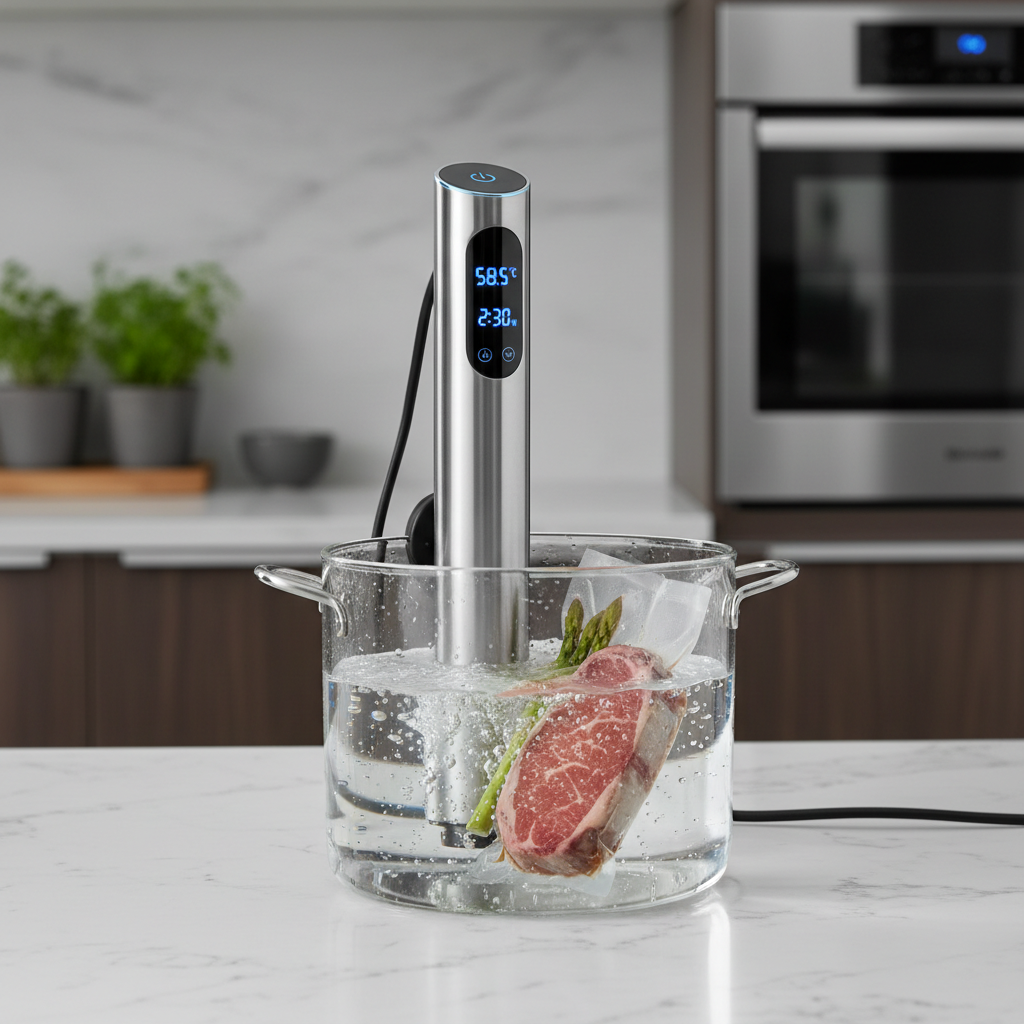
To understand why sous vide has gained popularity, one must appreciate its scientific roots. The term "sous vide" translates to "under vacuum" in French, and indeed, it involves sealing food in airtight bags and cooking it in a water bath at carefully controlled temperatures. This method eliminates the risks of overcooking, a common concern among home cooks. With sous vide, you can achieve perfect doneness every time, whether you're cooking beef, fish, vegetables, or even eggs. It’s a game-changer for the home chef seeking culinary perfection with minimal effort.
Moreover, sous vide cooking is not merely about technique; it's also about unleashing creativity in the kitchen. The extended cooking times, combined with the low and slow approach, allow for deep flavor development and texture transformation. You can infuse herbs, spices, and marinades into your food while it cooks, leading to more flavorful results than traditional methods can achieve in a fraction of the time. In this blog post, we'll explore the intricacies of sous vide cooking, the essential equipment and techniques, many recipes, and some top tips to elevate your culinary skills.
What is Sous Vide Cooking?
Sous vide is a cooking technique that involves sealing food in vacuum-sealed bags and immersing it in a water bath at a controlled temperature. The beauty of this method lies in its ability to cook food evenly and precisely over extended periods. By maintaining a constant low temperature, you prevent the risk of overcooking, ensuring your food comes out just the way you want it – whether it’s a steak cooked perfectly medium-rare or a delicate piece of fish that's moist and flaky.
The Science Behind Sous Vide
The science of sous vide cooking is rooted in the principles of thermodynamics and heat transfer. When food is submerged in water at a uniform temperature, heat is transferred from the water to the food more efficiently than from air in traditional cooking methods. This allows the food to cook without rising above the desired temperature, a key differentiator that sets sous vide apart.
For instance, cooking a steak at a traditional temperature might involve high heat for a short period, risking a burnt exterior and undercooked interior. In contrast, sous vide cooking allows you to choose the exact temperature at which the steak will cook all the way through, usually around 130°F (54°C) for medium-rare. This precise approach results in perfectly tender meat without risking dryness or toughness.
Moreover, sous vide can enhance flavor and texture. The vacuum sealing process ensures that the food cooks in its juices, allowing flavors to concentrate and ingredients to meld beautifully. Additionally, the extended cooking times can break down tough connective tissues in meats, yielding results that are fork-tender and packed with flavor.
The Versatility of Sous Vide
The versatility of sous vide cooking is another significant draw for home cooks. You can use it for a wide range of ingredients, from meats and seafood to fruits and vegetables.
In this blog post, we’ll delve into each of these areas, providing you with a comprehensive understanding of how to utilize the sous vide technique to its full potential.
Essential Equipment for Sous Vide Cooking
To embark on your sous vide journey, having the right equipment is crucial. The key items needed for sous vide cooking include a sous vide immersion circulator, vacuum sealer, and appropriate bags.
The Sous Vide Immersion Circulator
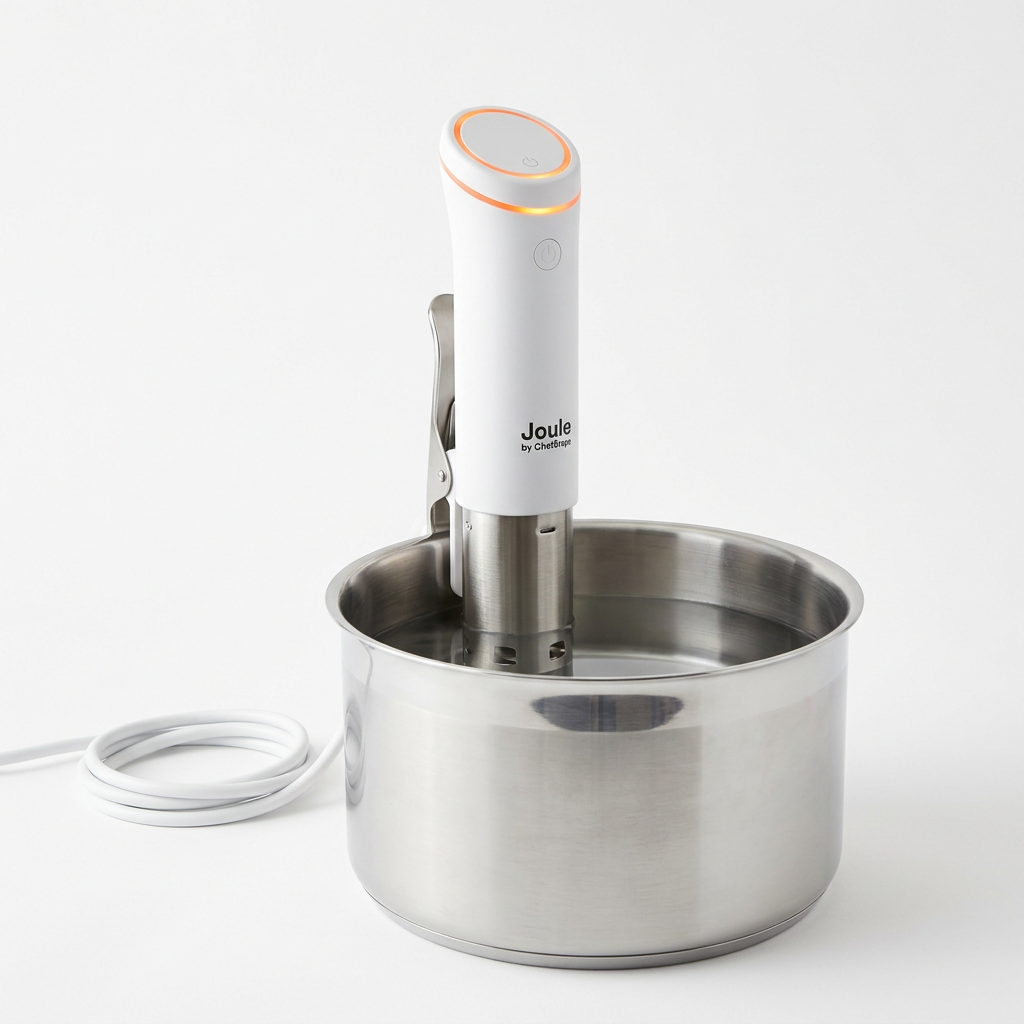
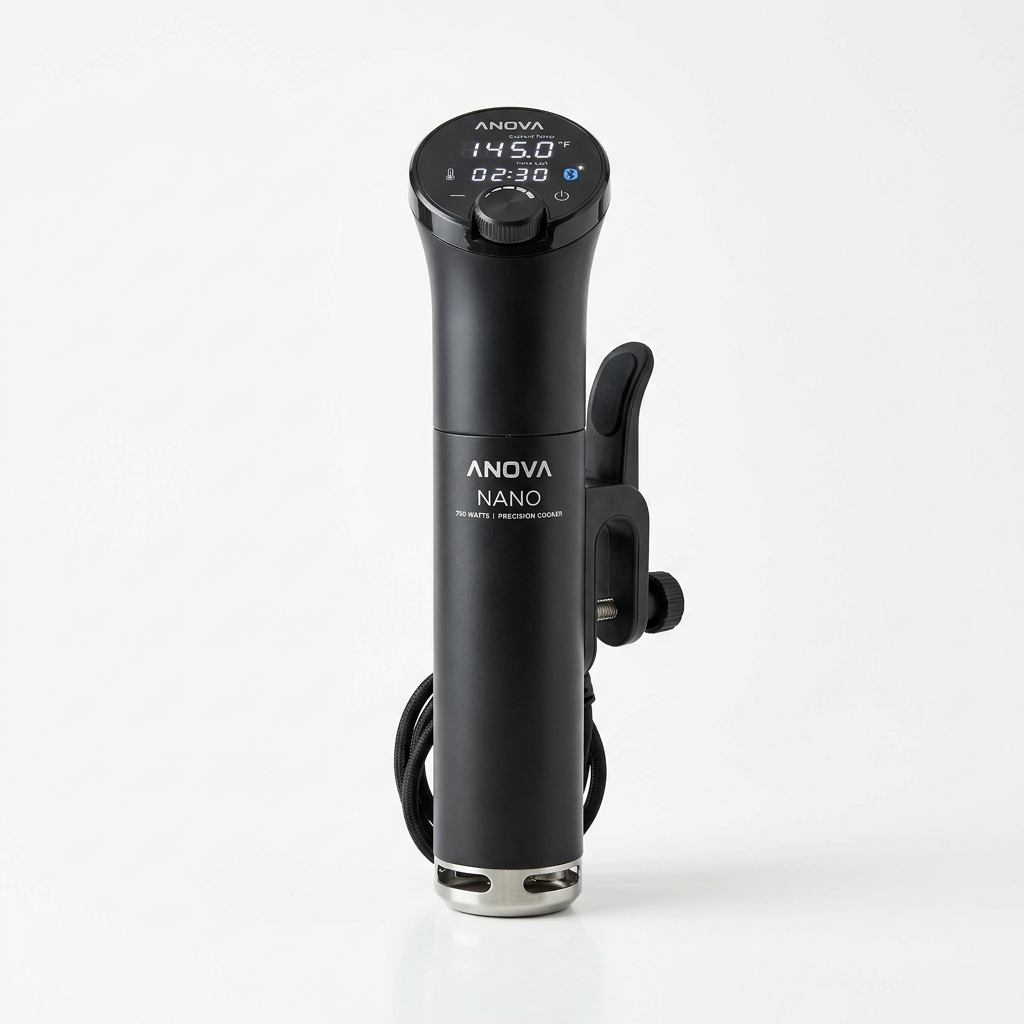
The immersion circulator is the heart of sous vide cooking. It heats the water to your desired temperature and circulates it for even cooking. When shopping for an immersion circulator, look for the following features:
Several excellent immersion circulators are available on the market, ranging from budget-friendly options to high-end models favored by culinary professionals.
Vacuum Sealer and Bags
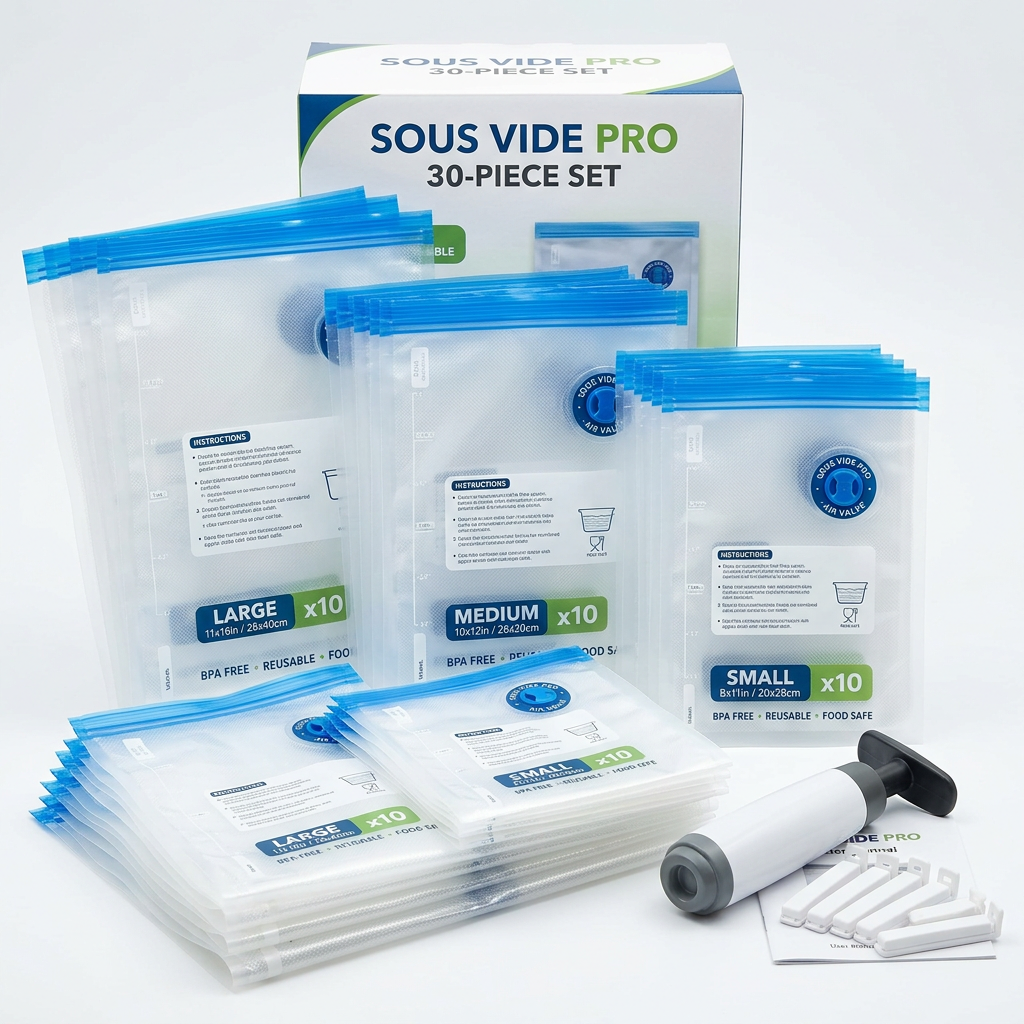
A vacuum sealer is critical for sous vide cooking, as it removes air from the bags, allowing for even heat distribution and reducing the risk of food spoilage. When selecting vacuum storage bags, consider the following:
If you don’t have a vacuum sealer, you can still sous vide using zip-top bags. The water displacement method can remove air from the bag—simply submerge the bag in water, and the pressure will push out the air before sealing.
Optional Accessories
While the basics will get you started, consider additional accessories to elevate your sous vide experience:
Sous Vide Cooking Techniques
Understanding the techniques involved in sous vide cooking will ensure that you master this method effectively. While sous vide might seem straightforward, a few nuanced techniques can dramatically elevate your dishes.
Preparing Ingredients
Preparation is key to achieving flavorful results in sous vide cooking:
Sealing Bags Correctly
Sealing your bags correctly is essential for the sous vide process:
Cooking Sous Vide
When it comes to cooking sous vide, timing and temperature are key:
- Beef Steak: 130°F (54°C) for medium-rare, 140°F (60°C) for medium.
- Chicken Breast: 140°F (60°C) for tender, juicy results.
- Carrots: 183°F (84°C) for perfectly cooked yet vibrant pieces.
- Beef steak: 1 to 4 hours.
- Chicken breast: 1 to 2 hours.
- Vegetables: 45 minutes to 2 hours, depending on type and desired tenderness.
Referring to a sous vide cooking guide can help determine the precise timings needed for various foods.
Finishing Techniques
After sous vide cooking, you might want to enhance the texture and appearance of your food:
“Sous vide is about connecting with your food, creating something refined at home while ensuring effortless results each time.”
Recipes to Try
To help you get started with sous vide cooking, here are a few delicious recipes that span a variety of ingredient types.
Perfectly Cooked Steak
Ingredients:
Instructions:
Vanilla Bean Custard
Ingredients:
Instructions:
Sous Vide Vegetables Medley
Ingredients:
Instructions:
“Cooking sous vide allows flavors to deepen without the risk of ruining the dish. Once you learn this technique, you’ll be reluctant to go back to traditional methods.”
Common Mistakes to Avoid
Even the most experienced chefs can make mistakes when venturing into sous vide cooking. Here are some common pitfalls and how to avoid them.
Overcooking
One of the most significant concerns with sous vide is overcooking, though it behaves differently than traditional methods. While sous vide allows flexibility, it is vital to adhere to timing guidelines. Cooking temperatures above targeted settings can lead to undesired textures.
Inadequate Sealing
If bags are not adequately vacuum-sealed, they may float in the water, leading to uneven cooking. Additionally, if air pockets are present, they may cause the food to cook unevenly.
Ignoring Food Safety Guidelines
While sous vide is a safe cooking method, it is crucial to consider food safety practices.
Uncommenting Suitability of Ingredients
Not all ingredients are suitable for sous vide cooking. For example, soft vegetables may become overly mushy when subjected to lower cooking temperatures for extended periods.
Conclusion
Sous vide cooking has revolutionized the way we prepare and enjoy food. By understanding the science behind this innovative method, equipping yourself with the right tools, mastering the precise techniques, and avoiding common pitfalls, you can elevate your culinary creations to a higher level. The consistent, precise temperatures offer home cooks the chance to control the doneness of their food and bring out complex flavors that traditional methods often overlook.
As you delve deeper into the world of sous vide cooking, experiment with diverse recipes and ingredients. Each meal is an opportunity to refine your skills and introduce delicious dishes to your table, transforming ordinary dinners into extraordinary dining experiences. Remember, the journey of sous vide cooking is about precision, creativity, and a dedication to culinary excellence. So strap on your apron and prepare to impress your friends and family with perfectly cooked meals, every time.
Get the Next Recipe
Weekly recipes, techniques, and gear picks — straight to your inbox.
