
Sous Vide Cooking: Precision Temperature for Perfect Results Every Time
Sous vide cooking has surged in popularity among home cooks and professional chefs alike, transforming traditional cooking methods into an art form grounded in precision and control. At its core, sous vide—French for "under vacuum"—involves sealing food in a bag and immersing it in a water bath at a carefully controlled temperature. This method allows for exceptional tenderness, flavor development, and consistency that can be difficult to achieve through conventional techniques. It’s a game-changer for anyone looking to elevate their kitchen repertoire, ensuring that meats are perfectly cooked from edge to edge, vegetables retain their vibrant colors and nutrients, and even delicate desserts come out flawlessly.
As we delve deeper into sous vide cooking, you’ll discover the science behind it and how the precise temperature control contributes to the textural qualities of foods. Unlike traditional cooking, where high heat can lead to overcooked exteriors and undercooked centers, sous vide allows for an even temperature throughout. This unique approach requires a shift in how we think about time and temperature in the kitchen—a process where patience truly pays off. With the right equipment and techniques, you can achieve restaurant-quality dishes at home with relative ease.
In this blog post, we will explore the various aspects of sous vide cooking, offering you a comprehensive guide that covers everything from choosing the right equipment and understanding the science behind it, to practical tips on cooking different types of foods. This culinary journey will not only enhance your cooking skills but also inspire you to experiment boldly in the kitchen. Get ready to become a sous vide maestro and impress yourself and your guests with perfectly cooked meals every time.
What is Sous Vide Cooking?
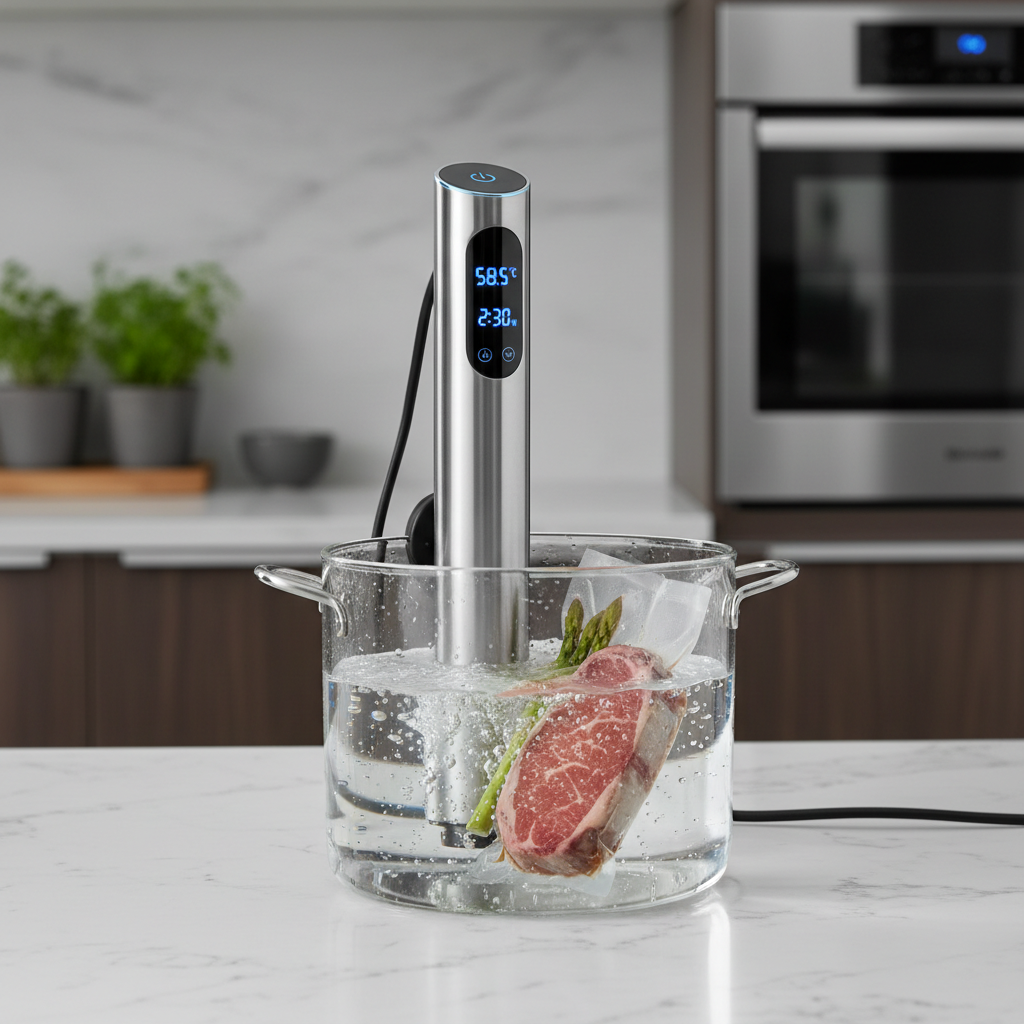
Sous vide cooking is an innovative technique that has been gaining traction in both professional kitchens and home cooking environments. But what does it really mean? The principle of sous vide involves placing food in a vacuum-sealed bag, then immersing it in a water bath set to a specific temperature. This method allows for the food to cook evenly and retain moisture, flavors, and nutrients that might be lost using traditional cooking methods.
Historical Background
The origins of sous vide can be traced back to the 1960s when French researchers developed the technique for scientific and culinary purposes. It wasn't until the 2000s that sous vide began to leave the confines of restaurant kitchens and enter home kitchens. The availability of affordable sous vide equipment has made this once-exclusive method accessible to anyone with a desire to explore new culinary heights.
The Science Behind Sous Vide
Understanding the science behind sous vide is key to mastering this technique. Cooking sous vide relies on principles of heat transfer, moisture retention, and even cooking.
This combination of factors makes sous vide an exceptional technique for those looking to harness the full potential of their ingredients.
Essential Equipment for Sous Vide Cooking
To start your sous vide journey, you will need a few essential pieces of equipment. Here's a breakdown of what you'll need to get started.
Immersion Circulator
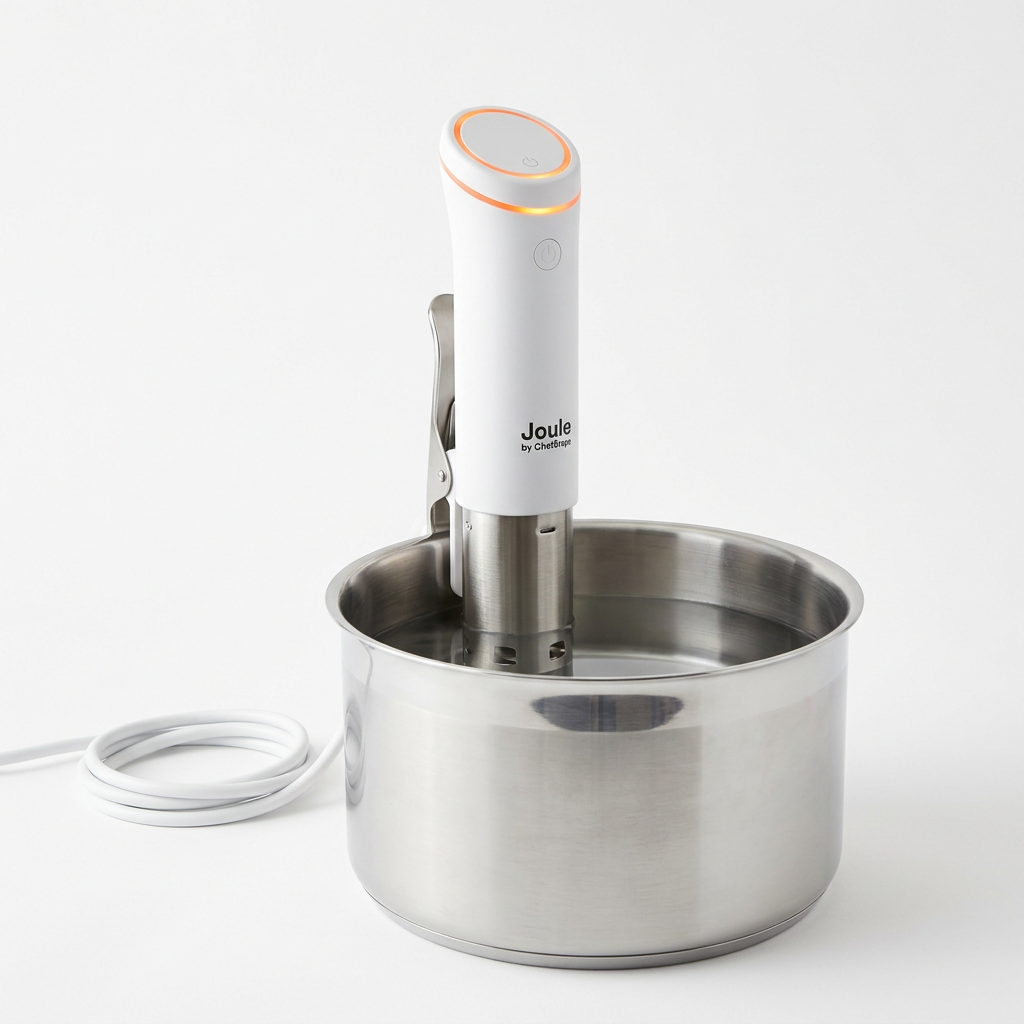
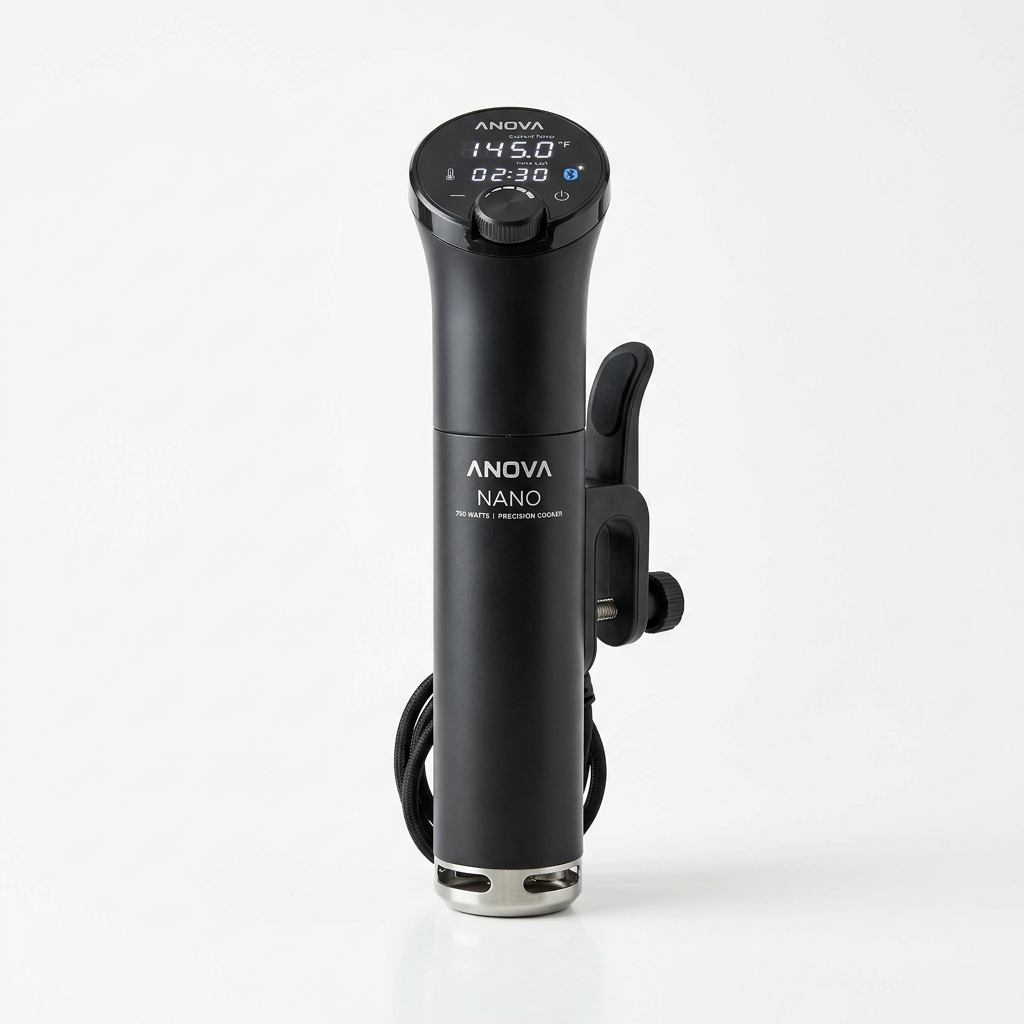
The immersion circulator is the heart of sous vide cooking. It heats the water to a precise temperature and circulates it to maintain an even cooking environment. When choosing an immersion circulator, consider the following:
Vacuum Sealer
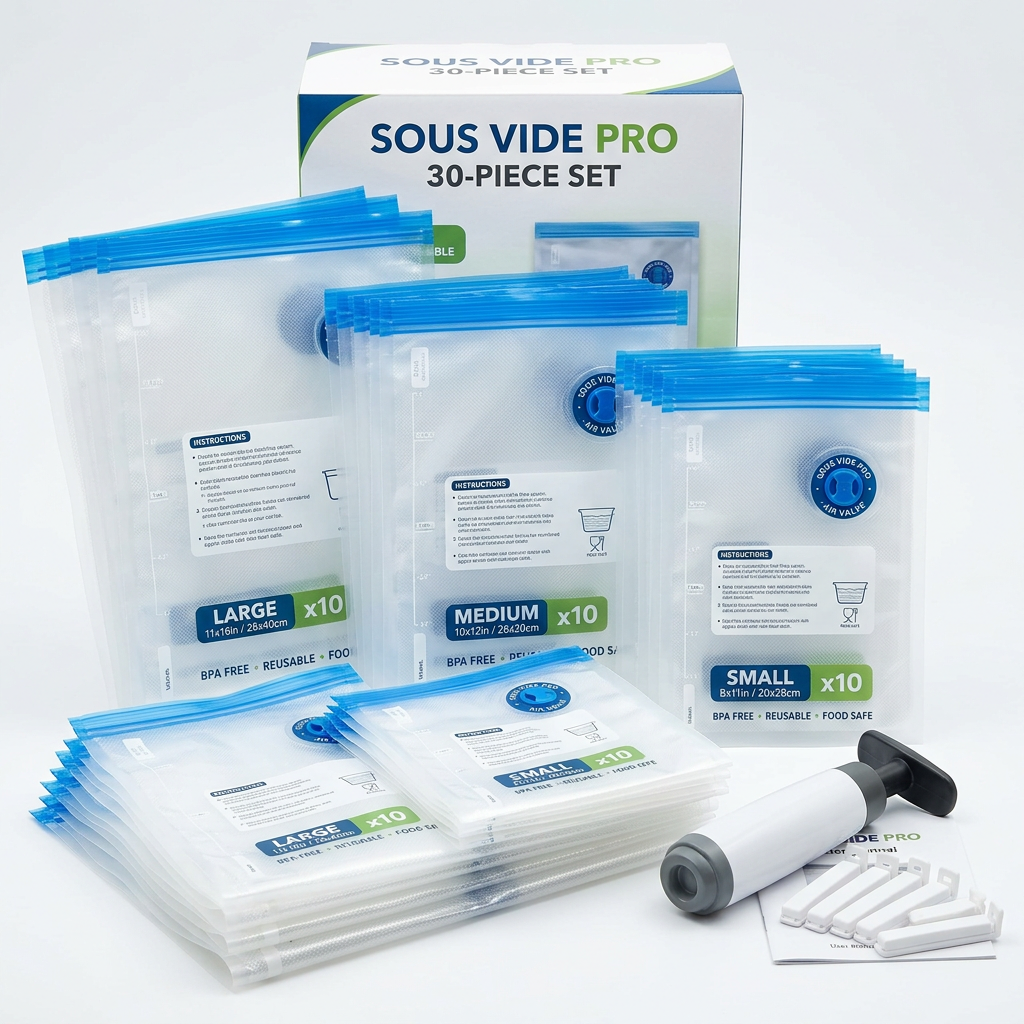
While it’s possible to use zip-top bags to cook sous vide, an automatic vacuum sealer is recommended for the best results. Having a vacuum sealer will help eliminate air from the bags, preventing floating and ensuring efficient heat transfer. Important features to consider include:
Water Bath Container
You will need a deep container or pot for your water bath. The choice of container will depend on the size of your immersion circulator. Here are some options:
Optional Accessories
Steps to Get Started with Sous Vide Cooking
Embarking on your sous vide journey can be simple and enjoyable. Follow these easy steps to get started.
Step 1: Choose Your Recipe
Start with a recipe that aligns well with sous vide cooking. Meats like steak, chicken breast, or vegetables such as carrots and potatoes are excellent options for beginners.
Step 2: Prepare the Food
Step 3: Set Up Your Water Bath
Fill your container with water and attach your immersion circulator. Set the temperature according to your recipe.
Step 4: Cook the Food
Place your sealed bag in the water bath, ensuring it’s fully submerged. You can use clips to secure the bag to the side of the container if needed.
Step 5: Sear or Finish
To develop flavor and texture, consider searing the meat or finishing the dish after sous vide cooking. This can be done in a hot pan for a short time or with a blowtorch for a quick and delicious crust.
Cooking Different Types of Food Sous Vide
While sous vide is often associated with meats, the versatility of this technique extends to a variety of foods. Let’s explore the best practices for cooking different categories of food using this technique.
Cooking Meats
Beef, Pork, and Poultry: Meats are perfectly suited for sous vide cooking due to their varying textures and requirements for heat and time.
"With sous vide, the toughest cuts of meat transform into remarkably tender, succulent dishes."
Cooking Vegetables
Sous vide not only enhances flavor but also preserves nutrients in vegetables that are often lost during traditional cooking.
Cooking Eggs
Sous vide eggs offer a whole new dimension to breakfast. Cooking eggs at lower temperatures produces varying textures.
Dessert and Infusions
The sous vide method also lends itself well to creating desserts and infusing flavors.
Sous Vide Cooking Tips for Success
As you embark on your sous vide adventure, keep these tips in mind for achieving optimal results every time.
Experiment with Seasonings
The beauty of sous vide is that food cooks in its sealed bag, concentrating flavors. Don’t be afraid to get creative with herbs, spices, and marinades:
Keep Water in Check
Evaporation can lower the water level in your container over time, impacting cooking. Monitor it and refill as necessary.
Timing is Key
While sous vide allows for a range of cooking times, you don’t want to overdo it. These are some general time guidelines:
Safety Considerations
Sous vide cooking typically employs low and slow methods, which makes food safe when done correctly. However, it’s important to be mindful of certain safety practices:
Cleaning and Maintenance of Sous Vide Equipment
To keep your sous vide equipment in top condition, regular maintenance is crucial. Here’s how to properly care for your gear:
Immersion Circulator
Vacuum Sealer
Water Bath Container
Conclusion
Sous vide cooking is more than just a method; it’s a culinary philosophy that embraces precision, experimentation, and the joy of creating consistently extraordinary dishes. With your newfound knowledge and understanding, you can tackle a range of flavors and techniques that will amaze your taste buds and impress your dining companions. The key to mastering sous vide lies in your ability to be patient, to embrace the process, and to have fun with it.
As you cook sous vide, you’ll find yourself thinking differently about how you prepare food, developing an appreciation for the science of cooking, and delving deeper into the art of flavor creation. Now it’s time to roll up your sleeves and dive into your sous vide adventure—prepare to transform your kitchen into a haven of culinary innovation!
Get the Next Recipe
Weekly recipes, techniques, and gear picks — straight to your inbox.
