
Sous Vide Cooking: Precision Temperature Guide for Perfect Results
Sous vide is a cooking technique that has gained immense popularity among home cooks and professional chefs alike due to its ability to produce consistent, high-quality results. By cooking food in a temperature-controlled water bath, sous vide allows for precise cooking, ensuring that food is cooked evenly while maintaining its moisture and flavor. Imagine making a perfectly tender steak that is cooked to your desired doneness edge to edge, or a delicate piece of fish that melts in your mouth—this is the magic of sous vide cooking.
One of the most significant benefits of sous vide cooking is its approach to temperature. Instead of relying on guesswork or traditional cooking methods that can lead to overcooked or undercooked meals, sous vide brings a science-backed methodology into the kitchen. With this technique, you can confidently achieve the ideal texture and doneness for a variety of ingredients, allowing you to grow as a cook and impress your friends and family with your newfound skills.
However, mastering sous vide cooking involves understanding key principles such as temperature control, timing, and food safety. In this guide, we will delve into the temperatures required for cooking various meats, vegetables, and eggs, along with tips on achieving the best results. Whether you're a novice eager to experiment with sous vide for the first time or an experienced home cook looking to refine your skills, this comprehensive guide will serve as your go-to resource for precision temperature cooking.
What is Sous Vide Cooking?
Sous vide, which translates from French to “under vacuum,” was initially developed in the mid-1970s by French chef Georges Pralus who recognized the benefits of cooking food in vacuum-sealed bags. The technique involves immersing food in a water bath at a controlled temperature for an extended period of time. This cooking method allows for extraordinary precision; you can cook food to a specific internal temperature without the risk of overcooking.
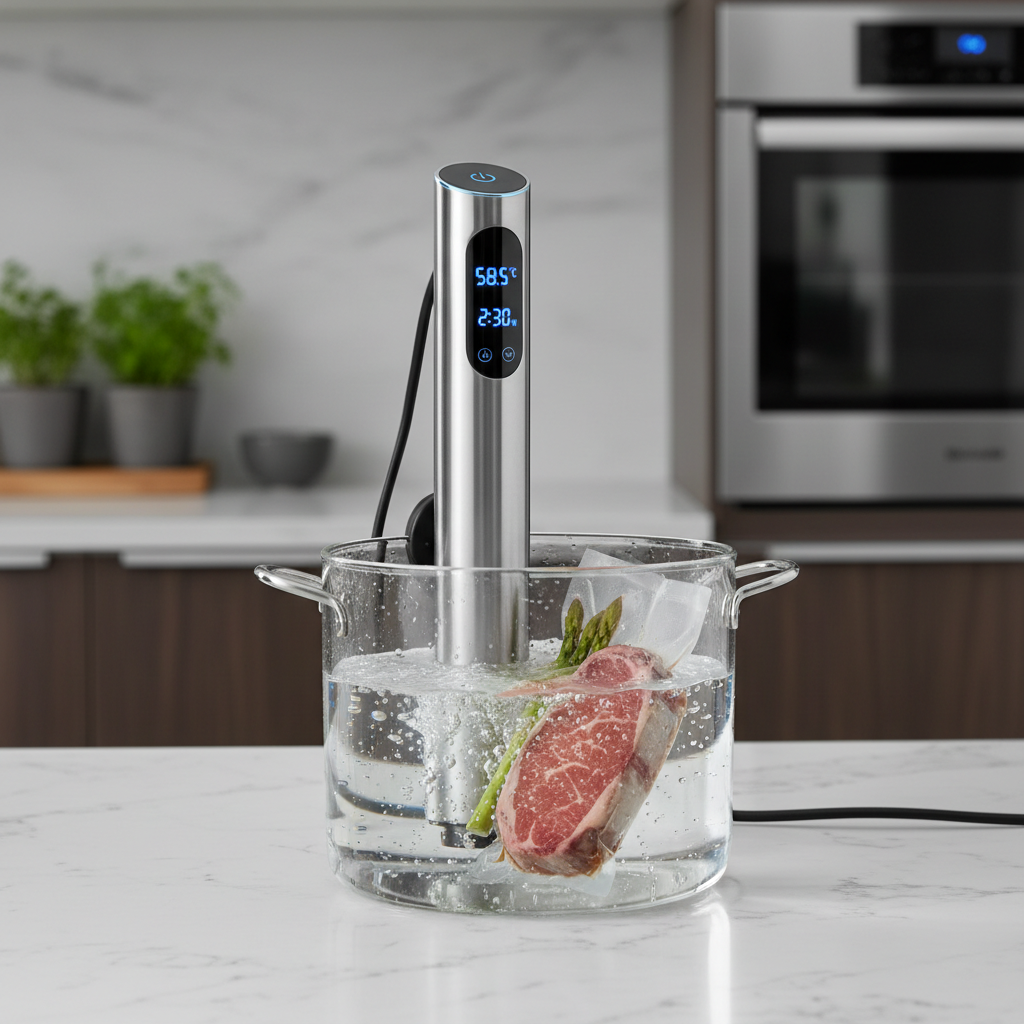
The sous vide process begins with sealing your ingredients—meats, vegetables, fruits, and even eggs—in vacuum-sealed bags. Once sealed, you place the bags in a water bath that is heated to a pre-determined temperature. The immersion circulator maintains this temperature consistently, ensuring even cooking throughout the food. Because the water can only reach the set temperature, your food will never exceed it, which is the crux of achieving perfect doneness every time.
The beauty of sous vide lies not only in its precision but also in its versatility. You can explore a wide range of ingredients and texture profiles. From tenderizing tough cuts of meat to highlighting the vibrant flavors of seasonal veggies, sous vide cooking opens up endless possibilities for creativity in the kitchen. The long, slow cooking process breaks down proteins, enhances flavors, and helps retain moisture, ensuring that your final dish bursts with both taste and texture.
Benefits of Sous Vide Cooking
Unmatched Precision
One of the foremost advantages of sous vide cooking is the ability to control temperature with remarkable accuracy. While traditional cooking methods often rely on intuition and experience, sous vide gives you a specific target, eliminating the guesswork. For instance, if you want a steak cooked to medium-rare (about 130°F or 54°C), your circulation device can maintain that precise temperature for as long as you want without risk of overcooking.
>Tenderness and flavor are unchangeably linked when it comes to sous vide cooking. This method allows us to unlock the best qualities of our ingredients with minimal effort.
Consistency
Sous vide cooking excels in delivering consistent results every time. When you cook food in a water bath, the low, controlled heat ensures that the food is cooked evenly throughout. This consistency is particularly useful when preparing large quantities, as you can replicate the success of individual servings across multiple portions. The even heating eliminates hot and cold spots, ensuring every bite of your dish has the same great flavor and texture.
Enhanced Flavor and Texture
Because sous vide cooking involves sealing food in bags, it locks in moisture and flavors that would normally escape through steam or evaporation in traditional cooking methods. This results in a more intense flavor profile. For example, vegetables cooked sous vide retain their vibrant color and nutritional content because they are cooked at lower temperatures and for shorter periods of time compared to boiling or steaming.
Convenience and Ease of Use
For those with busy lifestyles, sous vide offers a level of convenience that can be a game-changer. You can set up your sous vide immersion circulator, drop in your vacuum-sealed bags, and leave them to cook while you focus on other tasks. Whether you're prepping for a dinner party or meal prepping for the week ahead, sous vide allows you to multitask effortlessly.
Professional chef tip: Prepare your proteins in advance and store them in the fridge or freezer. You can sous vide them on the same day you want to serve, or cook larger quantities on the weekend for meal prep.
Essential Equipment for Sous Vide Cooking
Immersion Circulator
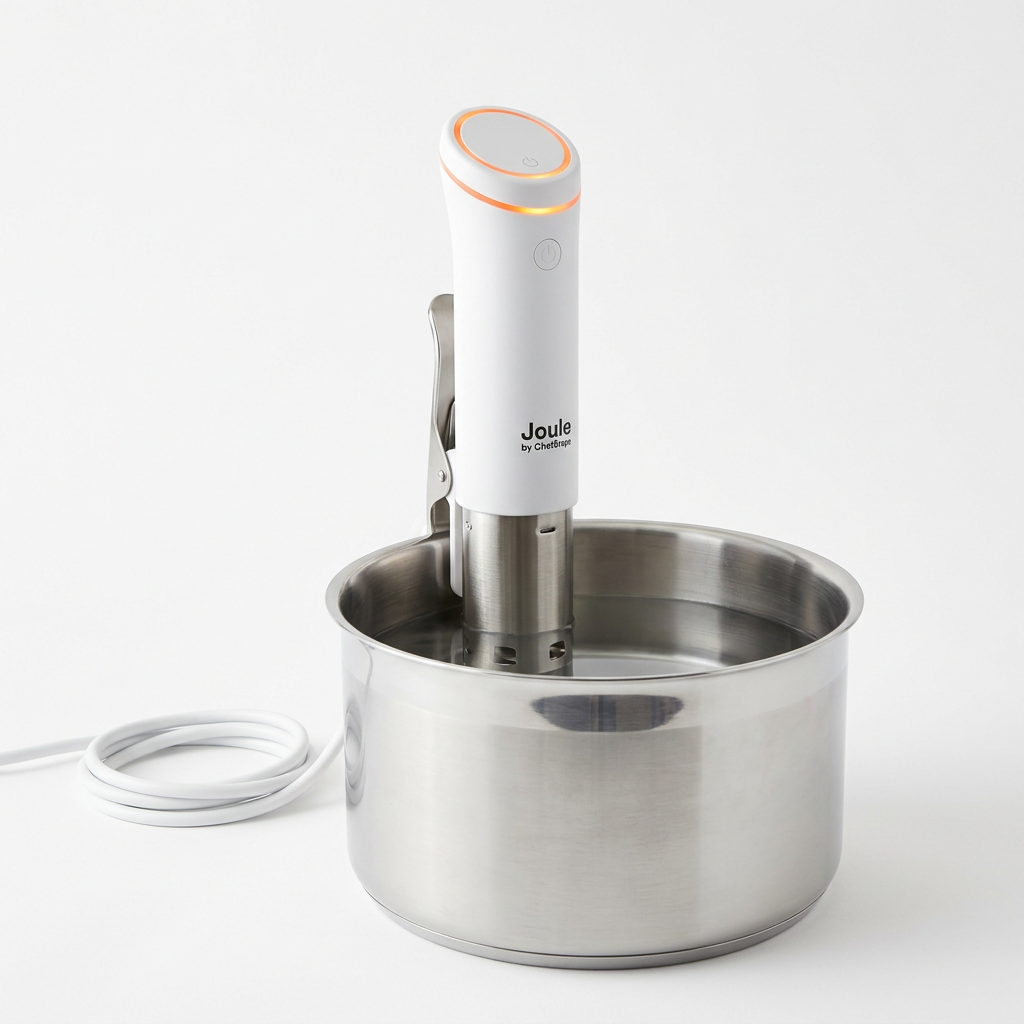
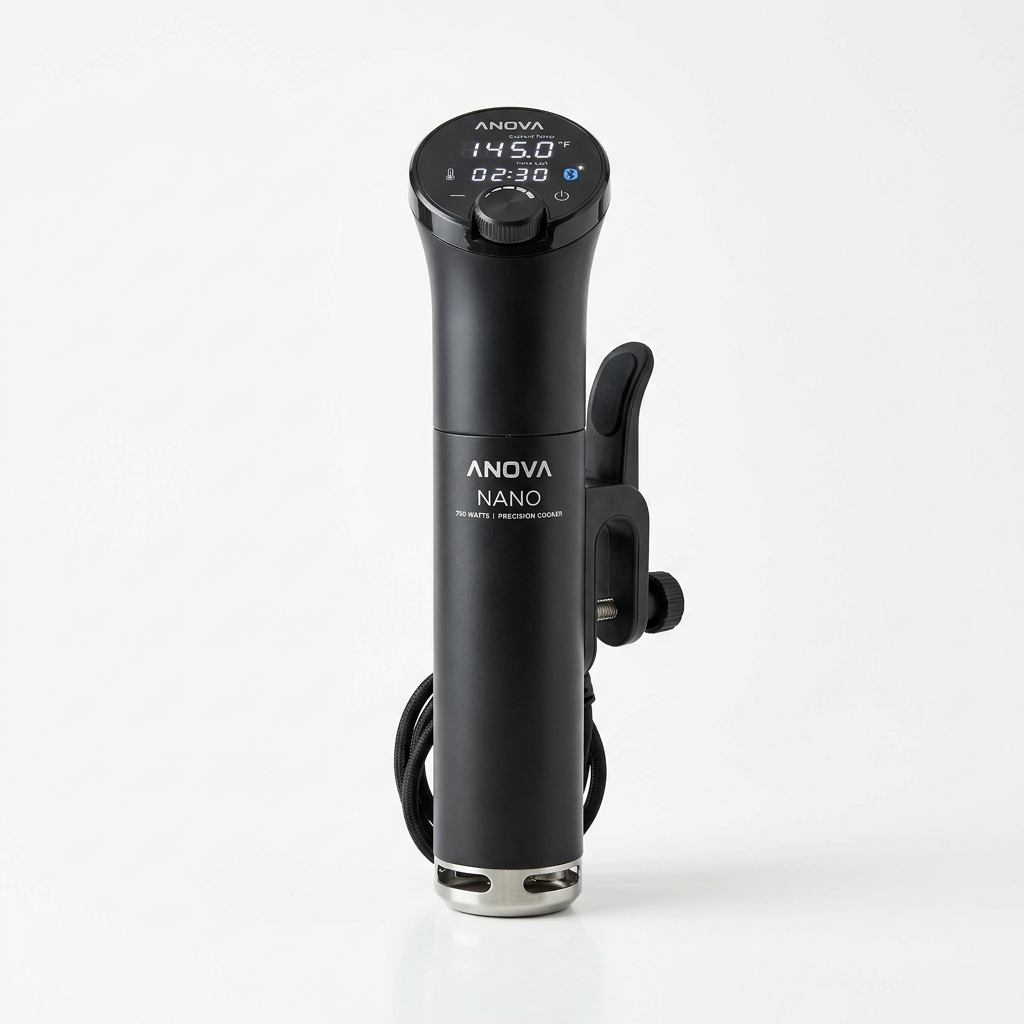
The cornerstone of sous vide cooking is the immersion circulator. It heats the water to the desired temperature and keeps it circulating, ensuring that the heat is distributed evenly. There are many models available in various price ranges, but features to look for include:
Vacuum Sealer
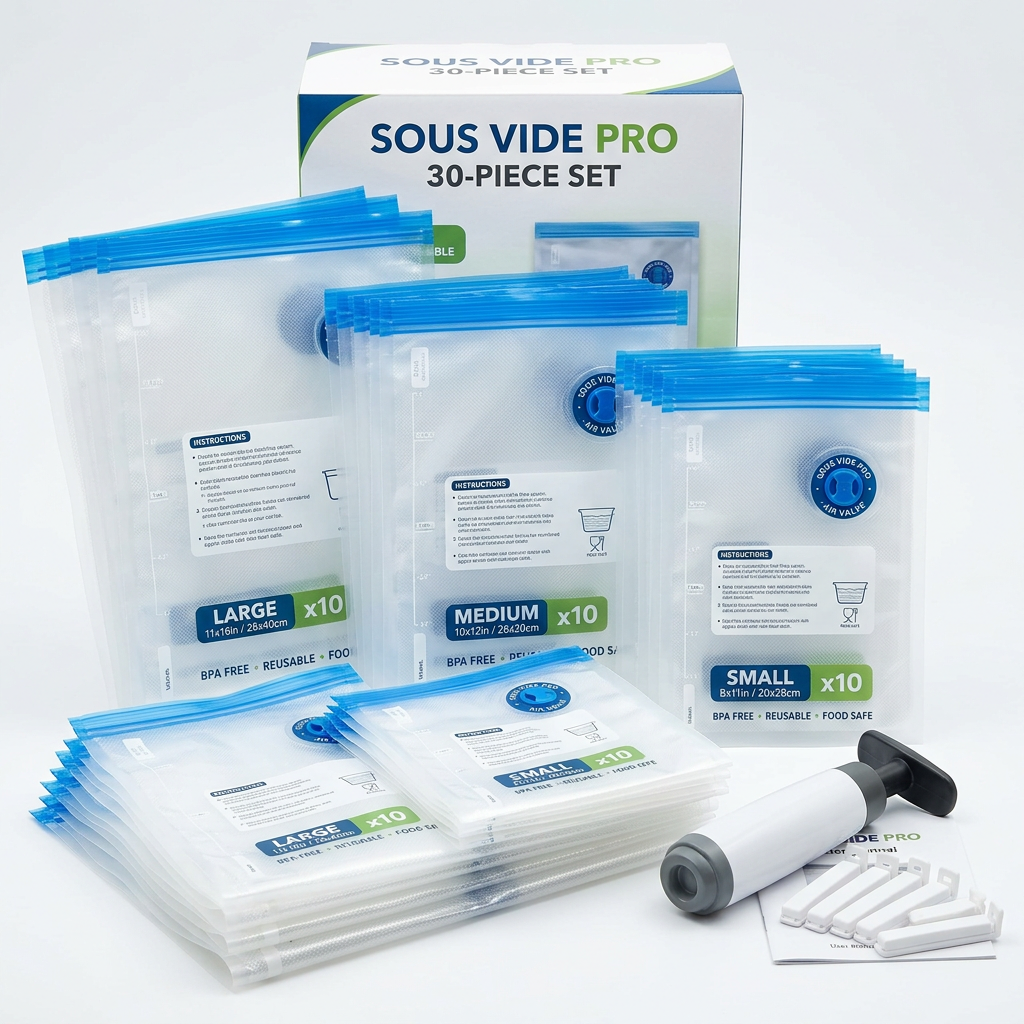
A quality vacuum sealer is essential for sous vide cooking. It removes air from the bag to prevent the food from oxidizing and ensures that the bag remains submerged in the water bath. Some commonly recommended methods of sealing include:
Containers
While specialized sous vide containers exist, any large pot or container can do the trick as long as it can hold enough water, and is tall enough to have the water bath reach the necessary depth. Some cooks prefer:
Accessories
Having the right accessories can enhance your sous vide cooking experience. These may include:
Understanding Sous Vide Times and Temperatures
Meats
One of the highlights of sous vide cooking is its ability to render meats perfectly. Here’s a guide on how to achieve the best outcomes for various cuts of meat.
#### Steak
>“Perfectly cooked steak should be a rite of passage for any home cook venturing into sous vide. Each temperature brings a unique texture that has to be tasted to be believed.”
For best results, sear the steak on high heat immediately after removing from the water bath for a perfect crust.
#### Pork
Pork can also be cooked at lower temperatures, such as 130°F (54°C) for a more tender, silky texture.
#### Chicken
Sous vide chicken is exceptionally moist and flavorful, making it preferable to traditional methods that can dry out the meat.
Vegetables
For vegetables, the times and temperatures vary significantly based on their type and desired texture.
#### Carrots
#### Asparagus
#### Potatoes
Eggs
Egg cooking sous vide can yield incredibly rich and creamy results unmatched by traditional cooking methods.
Learning to cook eggs through sous vide allows you to achieve ideal texture variations that may not be possible with other methods.
Food Safety in Sous Vide Cooking
While sous vide is a safe method of cooking when done correctly, it’s essential to understand the principles of food safety to avoid foodborne illnesses.
Cooking Times and Temperatures
Always ensure you're cooking your food long enough at the right temperatures to kill off harmful bacteria. Use a reliable source like the USDA guidelines as a point of reference.
Storage Guidelines
Searing and Finishing
Searing your sous vide proteins right after they exit the water bath is essential for food safety. Cooking for a short time on high heat can achieve a nice crust and kill any surface bacteria that may linger, making your meal perfectly safe to eat.
Culinary Techniques to Elevate Your Sous Vide Game
Flavor Infusion
One advanced technique to consider when using sous vide is flavor infusion. Since the vacuum sealing process traps flavors within the bag, you can enhance your protein or vegetables with various seasonings, herbs, and aromatics.
Browning
After sous vide cooking, a quick browning or caramelization on the stovetop or grill gives your meal that appealing visually and texturally crispy finish. Always dry the surface of proteins before searing to achieve maximum browning.
Sous Vide Combinations
Experiment with combining sous vide cooking with other methods to create layered dishes. For instance, follow sous vide cooked steak with a flash grill to develop a charcoal aspect in the flavor, or sous vide cook vegetables, then roast them to amplify their natural sweetness.
Conclusion
As we have explored in this comprehensive guide, sous vide cooking is a precision-driven technique that presents an array of learning and culinary opportunities for home cooks looking to elevate their skills. The ability to control temperature and timing while ensuring flavorful, tender, and consistent results transforms the cooking experience into a creative journey rather than just a task.
By mastering the basics and understanding the temperatures and times needed to cook meats, vegetables, and eggs to perfection, you can begin to experiment with this remarkable technique. Don’t forget to prioritize food safety practices, incorporate layers of flavor, and explore pairings of different cooking methods to fully realize the versatility of sous vide cooking.
With sous vide in your culinary arsenal, you will not just be cooking meals; you will be crafting deeply satisfying experiences that leave a lasting impression on your family and friends. So, gear up, grab your immersion circulator, and begin your adventure into the precise and thrilling world of sous vide cooking!
This guide will empower you to take your skills to the next level and ensure that your cooking not only delights but also surprises, making you the chef of your own culinary story. Enjoy the process, experiment boldly, and most importantly, have fun in your kitchen!
(Word count: 2,090)
Get the Next Recipe
Weekly recipes, techniques, and gear picks — straight to your inbox.
