Sous Vide Cooking: Precision Temperature Perfection
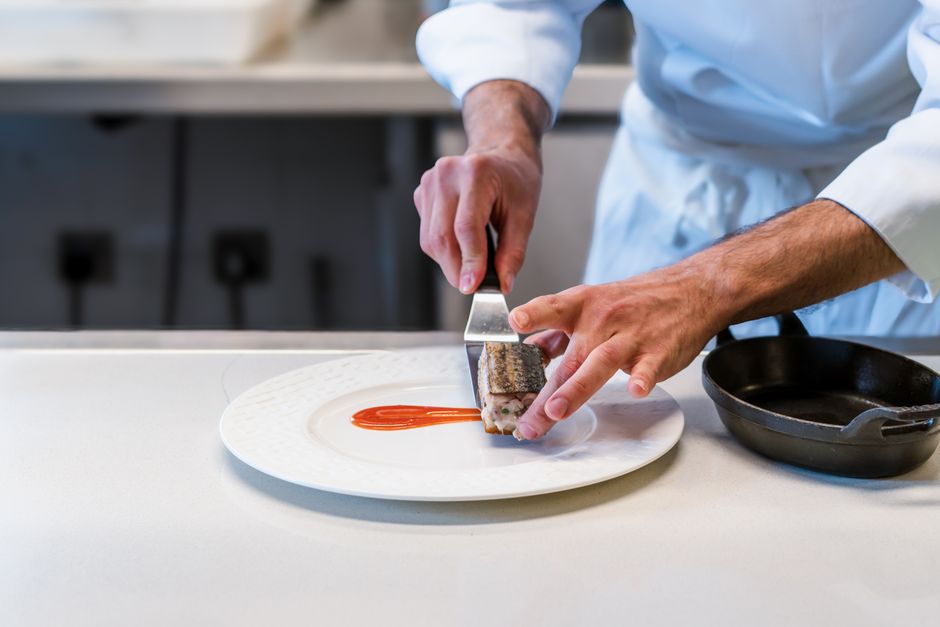
Sous vide cooking has become a revolutionary technique in the culinary world, captivating home cooks and professional chefs alike with its promise of precision and consistent results. By utilizing a method where food is vacuum-sealed in a bag and immersed in a precisely controlled water bath, sous vide takes the guesswork out of cooking. This technique ensures that your ingredients are cooked evenly, infusing them with the flavors of herbs and seasonings while maintaining their natural moisture. The result? Dishes that are not only tender and juicy but packed with flavor and perfectly cooked to your desired doneness.
Imagine a perfectly cooked steak, seared to perfection on the outside yet cooked to a uniform medium-rare from edge to edge. This culinary dream is now achievable with sous vide cooking, which eliminates the typical challenges of traditional cooking methods. No more worry about overcooking your proteins or uneven heat distribution. Perfectly cooked vegetables, fragrant soups, and delightful desserts are all well within reach. Whether you’re an aspiring chef or a home cook looking to elevate your skills, understanding the sous vide principle will transform your kitchen adventures.
As with any cooking technique, mastering sous vide does require some knowledge and practice. However, the rewards are plentiful. From how to get started with the right equipment to nuanced tips for achieving flavor perfection, this comprehensive guide will prepare you to incorporate sous vide into your culinary repertoire. Prepare yourself to embark on a journey of temperature perfection that can elevate even the simplest meal into a restaurant-quality experience.
What Is Sous Vide?
At its core, sous vide translates to "under vacuum" in French, which describes the process precisely. The food is sealed in an airtight bag — typically made of plastic — and cooked in a water bath at a controlled temperature. The water bath ensures that the food is heated evenly, enveloping the ingredients and cooking them gently over an extended period. This method not only enhances the texture and flavor of the dish but also allows for an incredible level of control over cooking times and temperatures.
One of the significant advantages of sous vide cooking is its flexibility with time. Food can be held at a specific temperature for extended periods without degradation in quality, making it nearly impossible to overcook. While traditional cooking methods rely on high heat to cook food quickly, sous vide takes a different approach, favoring lower temperatures over longer periods. For instance, steaks can be cooked at 130°F for several hours while retaining a perfect medium-rare doneness.
Over the years, sous vide cooking has gained popularity thanks to advancements in technology. Previously achievable only with specialized equipment available to professional kitchens, modern immersion circulators are now widely available for home cooks. These user-friendly devices make sous vide accessible, and the simplicity of use only adds to its growing allure.
Equipment Essentials for Sous Vide Cooking
To successfully embark on a sous vide cooking journey, you need a few key pieces of equipment. Understanding and investing in the right tools can make all the difference in your cooking experience and the final outcome of your dishes. Here’s a breakdown of essential tools you’ll need:
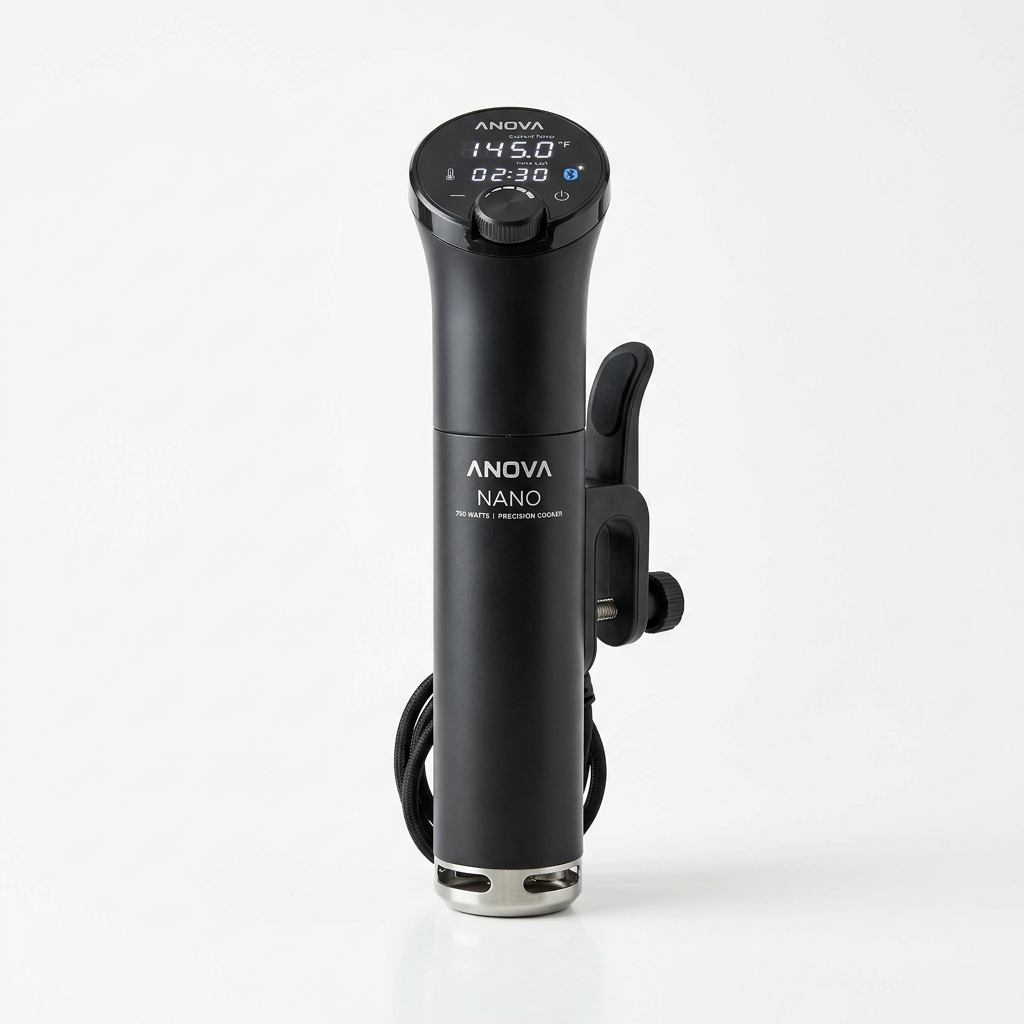
Immersion Circulator
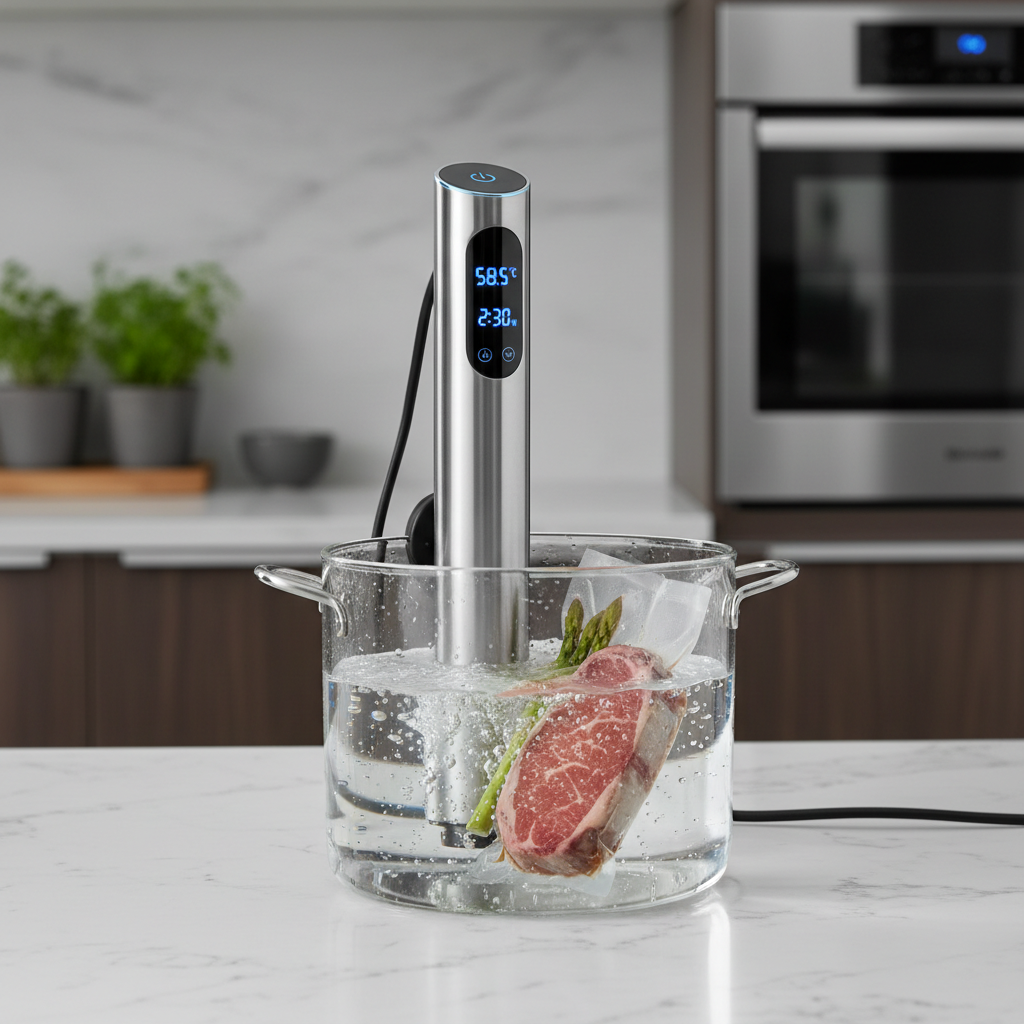
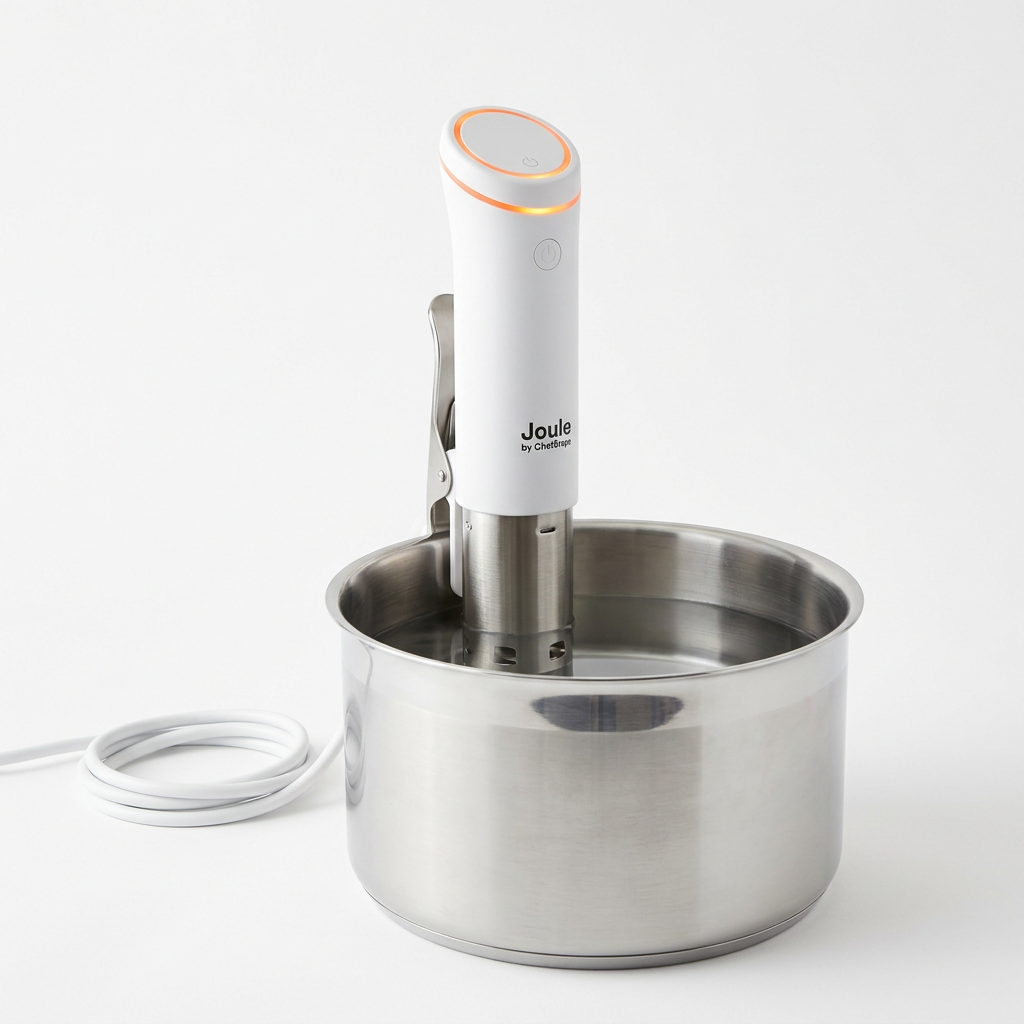
An immersion circulator is the heart of sous vide cooking. It heats the water to a precise temperature and circulates it, ensuring that it remains consistent throughout the cooking process. Whether you choose a budget-friendly model or a high-end version with smart connectivity, look for features like:
Vacuum Sealer
While some cooks opt for the water displacement method (submerging a zip-top bag to push the air out), investing in a vacuum sealer can enhance your sous vide experience. A vacuum sealer removes air from bags, reducing the likelihood of floatation during the cooking process, which can affect temperature consistency. Factors to consider include:
Sous Vide Bags
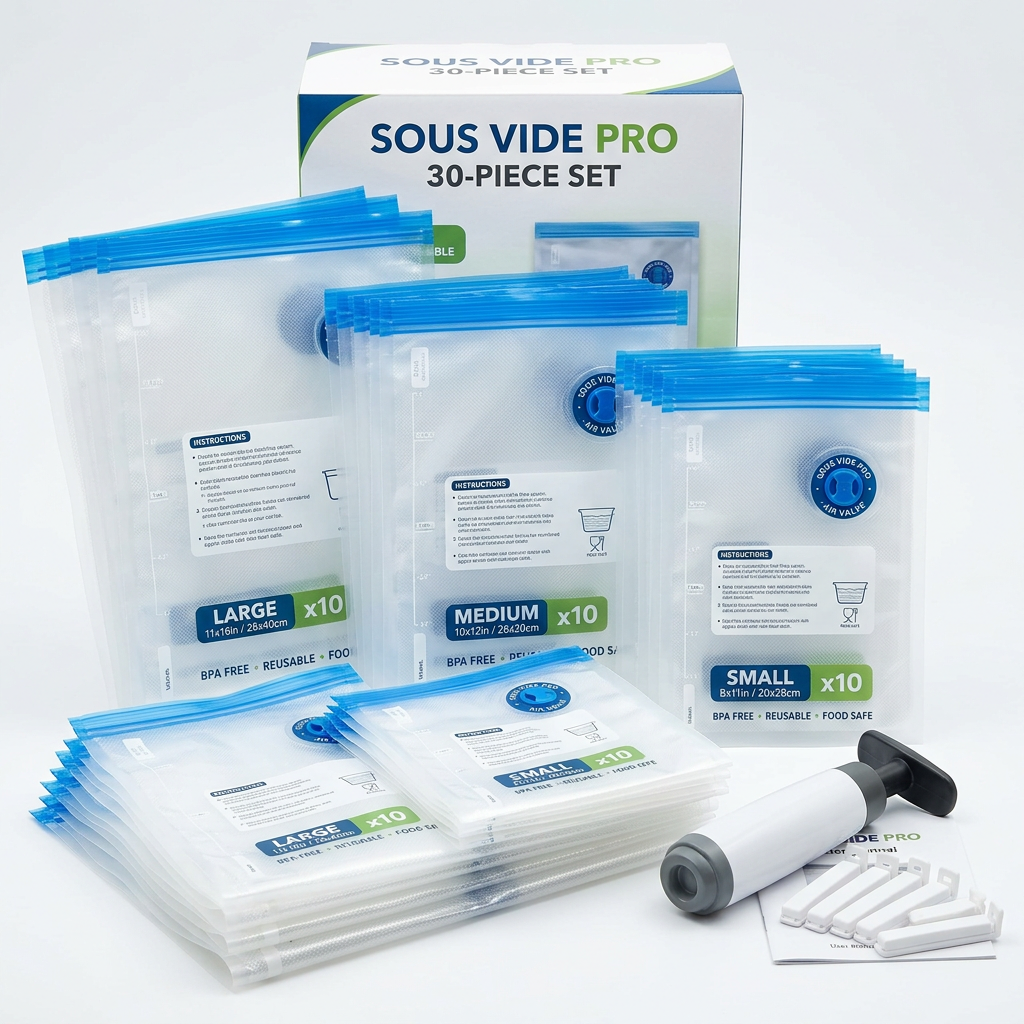
Choosing the right bags is crucial for a successful sous vide cooking experience. You can use specialized sous vide bags or even heavy-duty zip-top bags if you don’t have a vacuum sealer. Consider these points:
Additional Tools
Aside from the primary equipment, some additional tools can make sous vide cooking more enjoyable:
Choosing the Right Cooking Temperatures and Times
One of the most exciting aspects of sous vide cooking is the ability to tailor both the temperature and cooking time to achieve your preferred level of doneness, uniqueness that distinguishes this technique from traditional methods. Different proteins require finely-tuned conditions, and understanding the science of cooking at specific temperatures is vital.
Proteins: A Temperature Guide
Here’s a temperature chart to help you navigate the sous vide cooking process, specifically for various proteins:
- Rare: 120°F for 1-2 hours
- Medium-Rare: 130°F for 1-4 hours
- Medium: 140°F for 1-4 hours
- Medium-Well: 150°F for 1-4 hours
- Well-Done: 160°F for 1-4 hours
- Tender and Juicy: 140°F for 1.5-4 hours
- Fully Cooked: 165°F for 1-4 hours
- Medium-Rare: 140°F for 1-4 hours
- Medium: 145°F for 1-4 hours
- Soft Boiled: 145°F for 60 minutes
- Hard Boiled: 165°F for 40 minutes
It’s important to note that the longer you cook, the more tender the meat may become; however, be mindful not to overcook it. Also, time and temperature are interconnected with regards to food safety and texture. For meats, USDA guidelines recommend specific times to eliminate harmful bacteria while ensuring a tender outcome.
Vegetables and More
Vegetables also benefit from sous vide cooking, often yielding vibrant colors and flavorful intensities. Here’s how to visualize optimal temperatures for popular vegetables:
Witness how sous vide can elevate not just proteins but entire meals through precision cooking! Experiment with herb and spice infusions throughout the cooking process to enhance flavors.
Flavor Infusion Techniques
A hallmark of sous vide cooking is its ability to enhance flavors by utilizing aromatics and seasoning during the cooking process. When food is vacuum-sealed, flavors meld and intensify, resulting in culinary creations that pack a punch!
Using Aromatics Effectively
Infusing food with herbs and spices during sous vide cooking is key. Here’s how to get started:
Experimenting with Flavor Profiles
Sous vide allows for culinary creativity when it comes to flavor profiles. Consider the following ideas for unique combinations:
Best Practices for Seasoning
Season your food before sealing; however, remember:
Finishing Techniques: Searing and Serving
After your meal has been sous vide cooked to perfection, finishing it with a quick sear or grill is crucial for taste and presentation. The contrast of a beautifully seared exterior and a tender center is unparalleled.
Proper Searing Methods
Here’s a step-by-step guide to achieving a perfect sear:
Final Presentation
How you plate and present your finished sous vide dishes can elevate them from home-cooked to restaurant-quality:
Batch Cooking and Meal Prep with Sous Vide
Another advantage of sous vide cooking is its suitability for batch cooking and meal prepping. When done correctly, you can prepare multiple servings efficiently, saving time during the busy week.
Planning Your Meal Prep
Reheating Techniques
Reheating sous vide-cooked meals is straightforward and preserves the quality:
Safety Considerations with Sous Vide Cooking
Food safety is paramount in sous vide cooking. Understanding the rules is crucial to avoid any potential hazards:
Essential Safety Tips
Understanding Sous Vide Time and Temperature Relationships
It’s worth noting that different proteins and ingredients have varying degrees of time-temperature relationships to ensure safety and culinary quality. Sous vide cooking has been regarded as one of the safest forms of cooking due to the low temperatures and extended cooking times, as it allows the food to effectively pasteurize.
Conclusion
Sous vide cooking is a blend of science and artistry that allows home cooks to achieve precision temperature perfection consistently. As you embark on your sous vide journey, remember the importance of understanding your equipment, mastering temperatures and times, enhancing flavors through aromatic infusion, and perfecting your finishing techniques. With practice, experimentation, and creativity, you’ll turn sous vide cooking into a magic wand that elevates your culinary creations to new heights.
By incorporating sous vide into your kitchen repertoire, you have the opportunity to rediscover not just your favorite dishes but also those that you never imagined would be within your reach. Happy cooking!
Get the Next Recipe
Weekly recipes, techniques, and gear picks — straight to your inbox.
