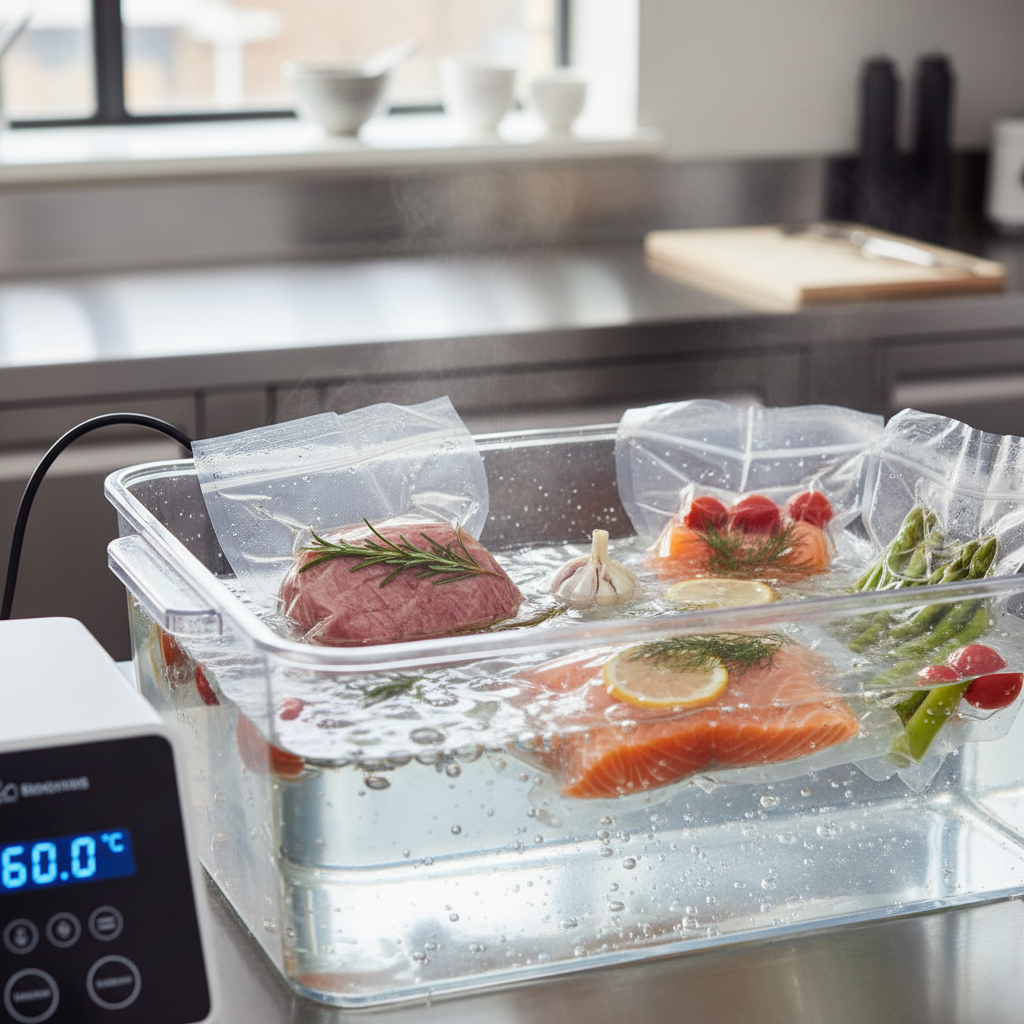
Sous Vide Cooking: Precision Without Compromise
Sous vide cooking is a technique that has transcended the kitchen boundaries of professional chefs and entered the homes of avid food enthusiasts. Sous vide, which translates to "under vacuum" in French, involves cooking food in a temperature-controlled water bath, allowing for precision and consistency that is difficult to achieve with traditional cooking methods. By sealing ingredients in vacuum bags and immersing them in water heated to exact temperatures, you can create perfectly cooked dishes that retain their moisture, flavor, and nutrients. This method has revolutionized the culinary world, ensuring that every dish comes out perfectly without the risk of overcooking.
As a cooking method, sous vide is often lauded for its ability to produce restaurant-quality results, making it an appealing option for home cooks who wish to elevate their skills. Whether you’re preparing a tender steak, delicate vegetables, or even desserts, sous vide allows for an unparalleled level of control. You can infuse flavors, achieve precise cook times, and even hold food at a particular temperature for extended periods without the worry of deterioration. This flexibility and precision are what set sous vide apart from more conventional cooking methods.
In this blog post, we will dive deep into the world of sous vide cooking. We’ll explore its history, discuss the equipment you’ll need, outline the steps to get started, and provide insights into the myriad of foods you can create using this technique. Throughout the post, you’ll find expert tips, essential temperature guidelines, and even some culinary anecdotes that underscore the joy and creativity that sous vide cooking can inspire in your kitchen.
The History of Sous Vide
Origins and Culinary Development
The technique of sous vide can trace its roots back to the 18th century, yet it gained widespread popularity in the culinary world only in the 1970s. Its true prominence emerged when chefs began to experiment with cooking food in sealed plastic bags at precisely controlled temperatures. Early pioneers, such as Georges Pralus and Bruno Goussault, recognized the advantages of sous vide in terms of flavor preservation and texture enhancement.
Pralus, known for his work at the Troisgros restaurant in France, was among the first to develop the sous vide technique with foie gras. He found that cooking duck in a vacuum-sealed bag at a low temperature preserved the rich flavors and created a luscious texture. This cooking method offered a revelation for chefs aiming for perfection, and soon, it was being adopted in fine dining establishments across the globe.
The Science Behind Sous Vide
Sous vide cooking merges culinary art with science. The fundamental principle relies on the application of heat at a precise temperature over an extended period, allowing food to cook evenly without the risk of burning or drying out. The key is to understand the behavior of proteins when they are subjected to different temperatures.
When food is cooked using traditional methods, the heat often penetrates from the exterior to the interior, leading to uneven cooking. Sous vide eliminates this issue as the surrounding water bath ensures an even distribution of heat. This results in more consistent textures, allowing proteins, especially meats, to be cooked to their ideal doneness throughout.
Through this meticulous control, you can achieve desired textures, such as the perfect steak cooked evenly from edge to edge at medium-rare, which is typically around 130°F (54°C). The circulation of water also means that flavors and nutrients are preserved, making sous vide cooking not only an effective method but also a healthier choice.
Modern Trends and Home Adoption
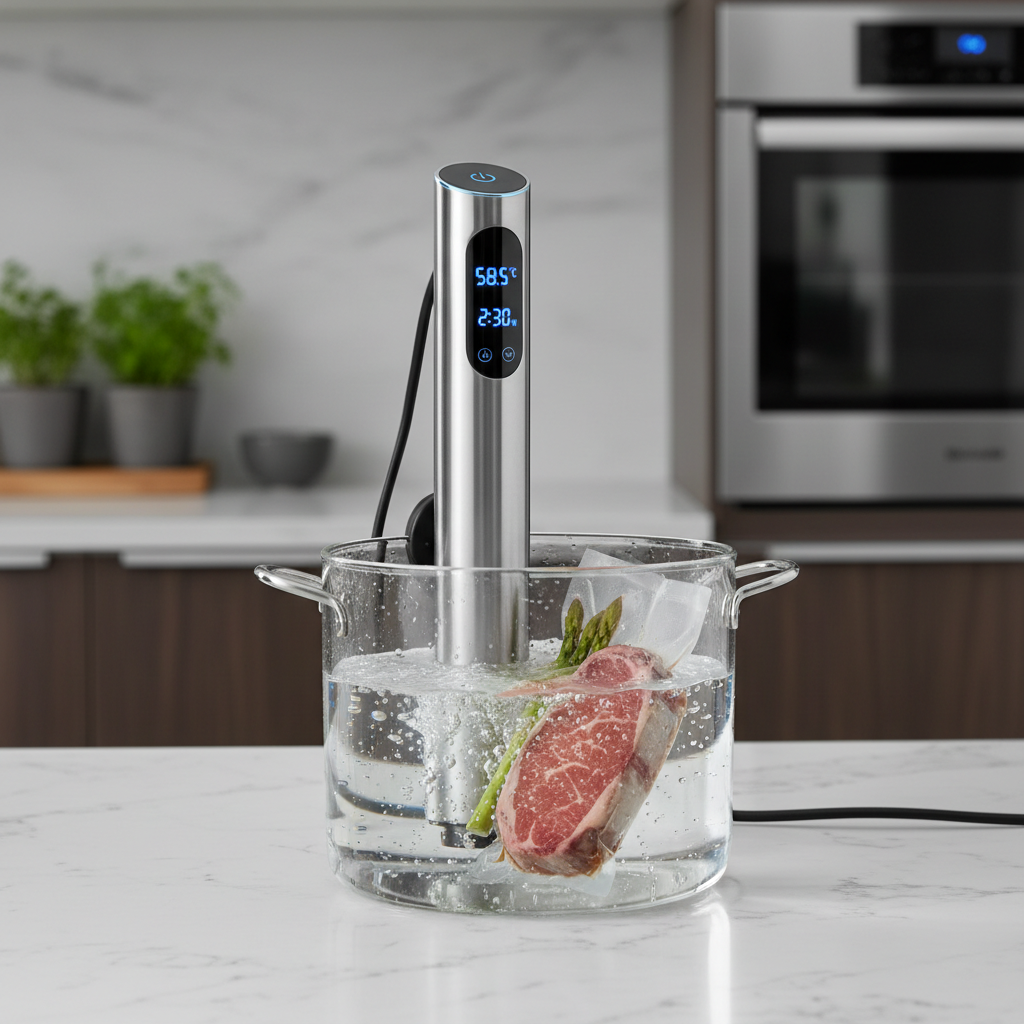
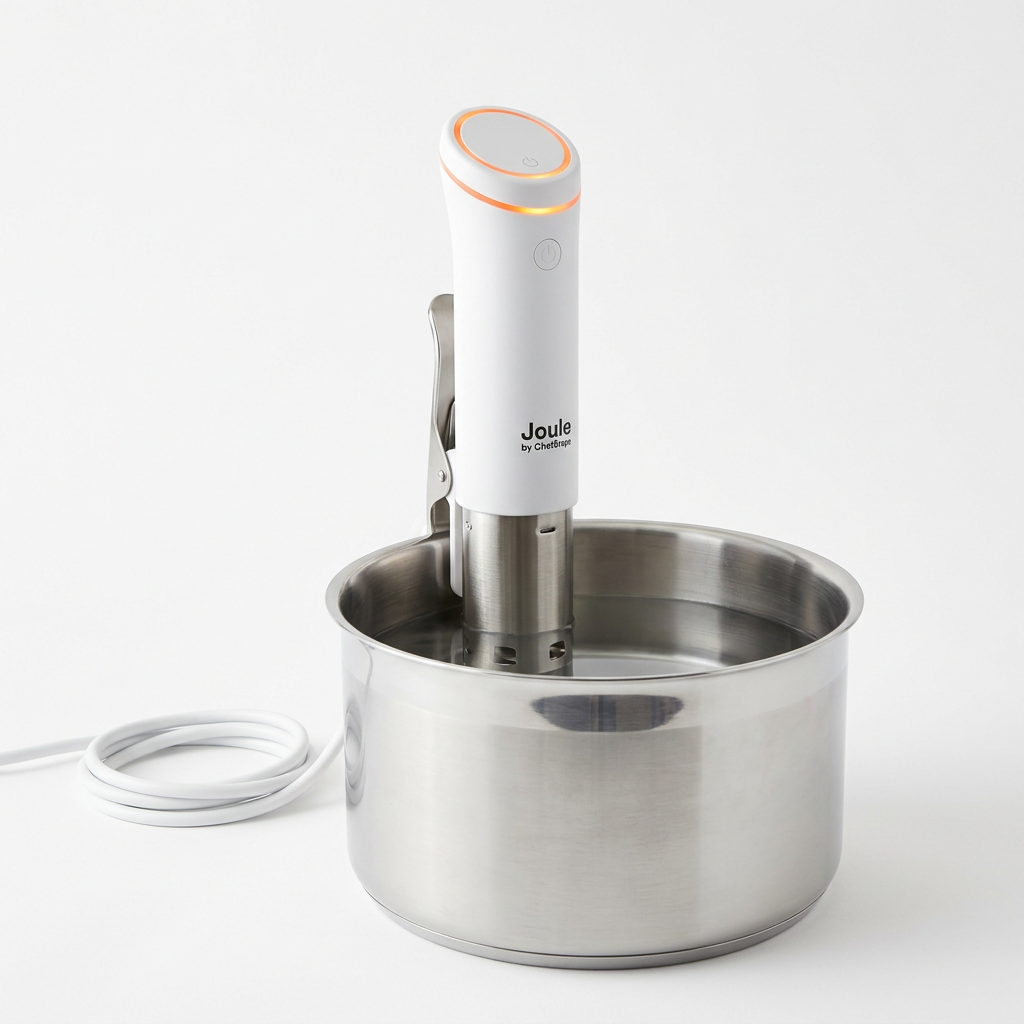
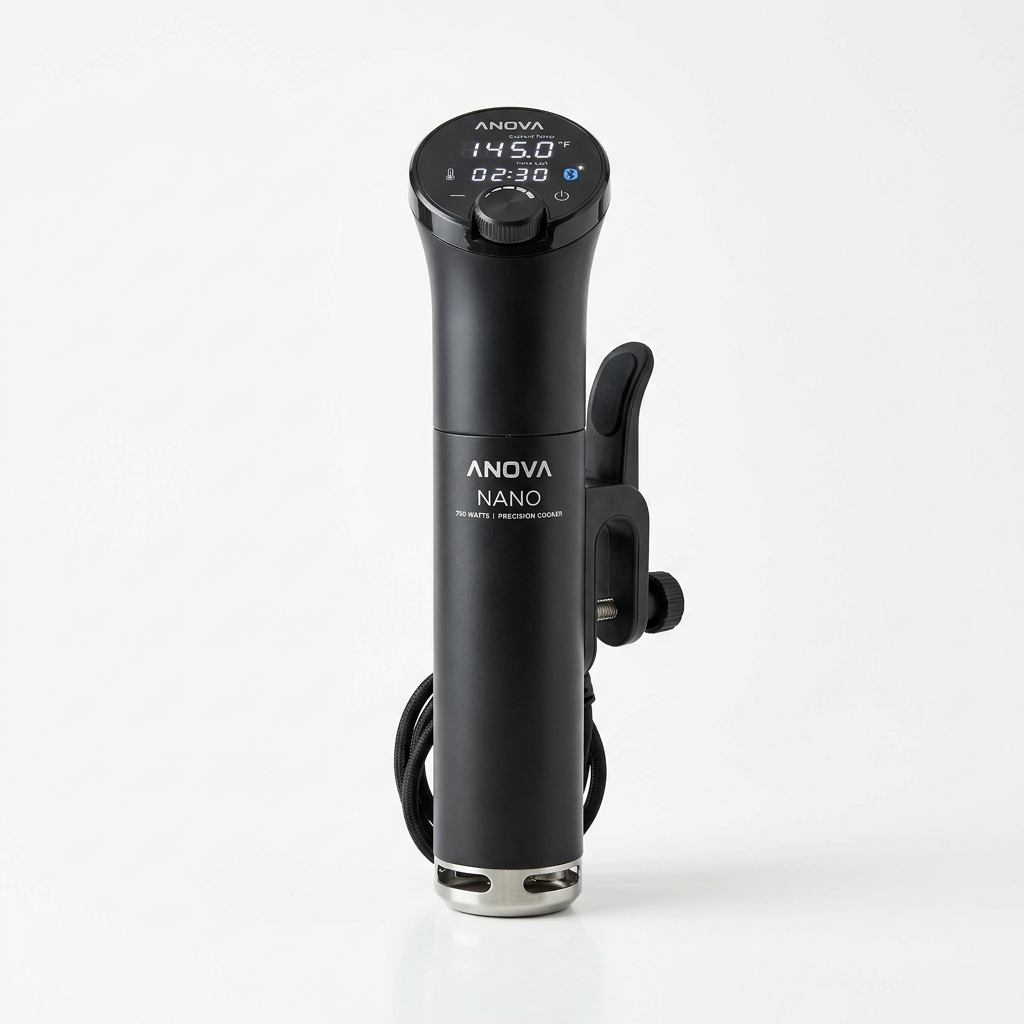
The rise of sous vide has been influenced by the increasing availability of immersible cookers and countertop machines, making this once niche cooking method accessible to home chefs. Brands like Anova and Joule have garnered significant attention for creating user-friendly sous vide devices that integrate smart technology, allowing users to control their cooking via smartphone applications.
As more home cooks become aware of the benefits of sous vide, the trend has expanded to various cuisines and food types. Today, it is not just a method for meats; a diverse range of ingredients—from vegetables and eggs to infusions and custards—can be prepared using sous vide, encouraging culinary creativity in the home kitchen.
Essential Equipment for Sous Vide Cooking
Must-Have Tools and Machines
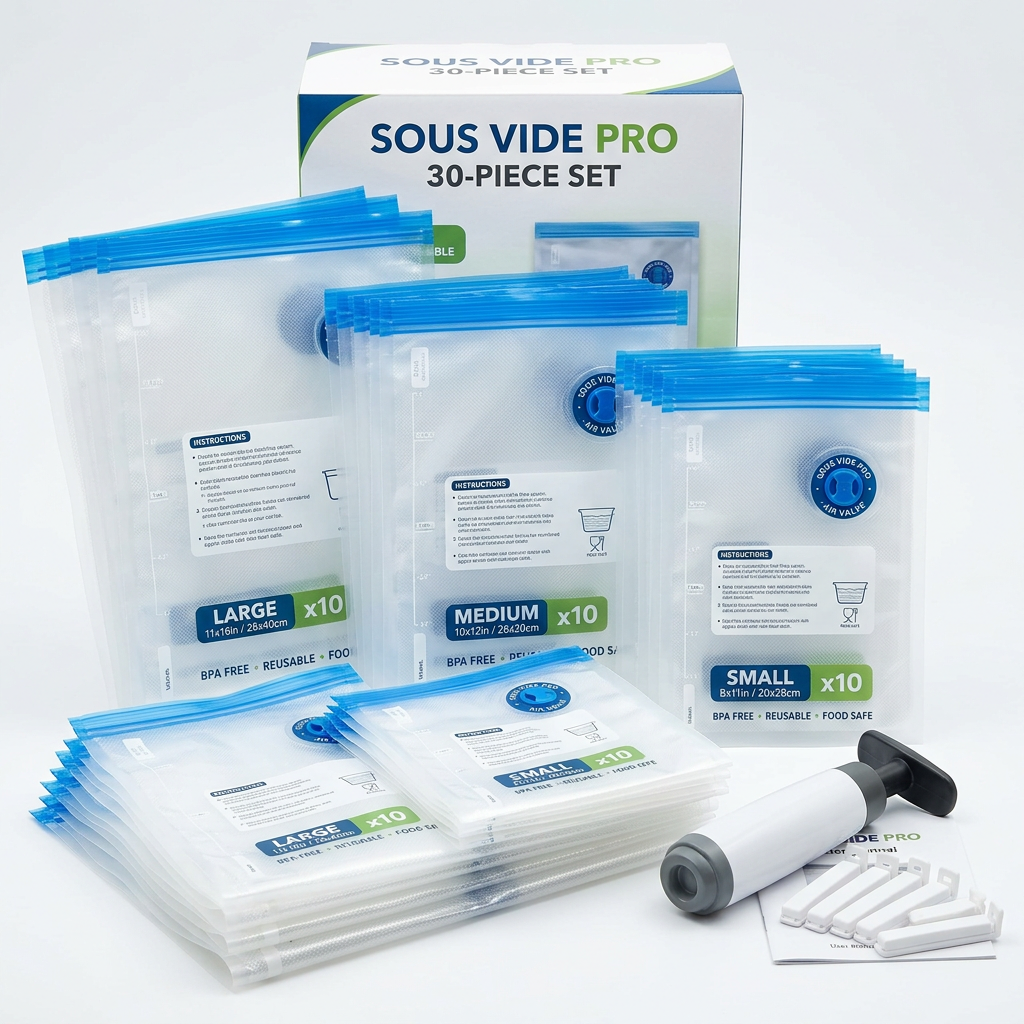
To embark on your sous vide journey, you'll need a few essential pieces of equipment:
Finding the Right Sous Vide Cooker
When selecting your sous vide cooker, consider features such as:
Managing the Cooking Process
Setting up your sous vide station is crucial for a seamless cooking process. Here’s a step-by-step guide to preparing your sous vide equipment:
Pro Tip: Always check the water level during cooking to prevent the circulator from running dry. Adding a lid or covering the container with plastic wrap can help reduce evaporation.
Getting Started with Sous Vide Cooking
Preparing Your Ingredients
The beauty of sous vide lies in its versatility; almost any ingredient can be cooked using this method. Here are a few tips and guidelines for preparing various foods:
Packing Techniques
Proper packing ensures your food cooks evenly. Here are some techniques to consider:
Cooking Times and Temperatures
Temperature and time are crucial in sous vide cooking. Here’s a handy chart for reference:
- Rare: 120°F (49°C) for 1-2 hours
- Medium-rare: 130°F (54°C) for 1-4 hours
- Medium: 140°F (60°C) for 1-4 hours
- Medium-well: 150°F (66°C) for 1-4 hours
- Chicken breast: 140°F (60°C) for 1-4 hours
- Whole chicken: 150°F (66°C) for 4-6 hours
- Asparagus: 185°F (85°C) for 10-15 minutes
- Carrots: 183°F (84°C) for 1-2 hours
Finishing Your Sous Vide Dishes
Once your food has cooked in the sous vide bath, it's often advisable to finish it with a quick sear or broil to enhance flavor and presentation. Here are a few finishing techniques:
"Sous vide cooking is not just about temperature; it’s about unlocking flavors and textures in every bite."
Culinary Applications of Sous Vide
Cooking Proteins with Precision
The versatility of sous vide is most evident in its applications in cooking proteins.
#### Sous Vide Steak
Using sous vide to cook steak allows for a precise and repeatable result every time. Begin by seasoning your steak liberally with salt and pepper or your choice of marinade. Place it in a vacuum-sealed bag and cook. For example, cooking a ribeye at 130°F (54°C) for 2 hours will give you a rich, tender cut, finishing it with a quick sear on a hot grill yields a restaurant-level dish.
#### Chicken Breast
The challenge of achieving juicy chicken breast is met head-on with sous vide. Cooking it at 140°F (60°C) for 1.5 hours breaks down the proteins perfectly without drying it out. The result is a tender, moist chicken that can be sliced for salads or sandwiches or served as a main dish with a sauce.
Vegetables Reimagined
Sous vide isn’t just for meats; it’s equally transformative for vegetables, allowing you to extract focused flavors and perfect textures.
#### Carrots and Broccoli
Cooking vegetables sous vide preserves color and nutrients. Carrots cooked at 183°F (84°C) for 1-2 hours results in tender, sweet pieces that can be simply seasoned or flamboyantly plated. Similarly, broccoli cooked at 185°F (85°C) for about 15-20 minutes retains its bright green hue and a slight crunch.
Infused Oils and Flavored Butters
Sous vide can also be used to create infused oils and flavored butters that add depth to your dishes.
Desserts Made Simple
Sous vide even extends into dessert territory, offering creative culinary possibilities.
#### Sous Vide Custards
Creating custards can be tricky, but sous vide simplifies the process. Prepare a traditional custard mix and pour it into jars or bags, cooking them at 180°F (82°C) for 60-90 minutes. This technique allows for a perfectly smooth custard without the risk of curdling.
#### Poached Fruit
Seasonal fruits such as pears or apples can be poached sous vide in a syrup, enhancing their natural sweetness. For poached pears, combine sugar, water, and spices, then cook the pears at 180°F (82°C) for approximately 45 minutes for a tasty dessert reminiscent of summer.
"Elevate simple ingredients to culinary masterpieces with sous vide."
Troubleshooting Common Sous Vide Challenges
Overcooking Dilemmas
While sous vide minimizes the chances of overcooking, challenges can still arise if you’re not mindful.
Water Level and Temperature Control
Maintaining the water level is essential, especially during long cooking sessions.
Storage and Reheating Techniques
Sous vide cooked foods can be stored and reheated with ease.
Final Thoughts
Sous vide cooking is more than just a trend—it's an invaluable technique that allows home cooks to harness the power of precise temperature control to enhance flavors and textures. By blending technology with culinary skills, sous vide can help you create dishes that impress family and friends while also expanding your culinary repertoire.
Whether you're cooking meats to perfect tenderness, crafting vibrant vegetables, or indulging in luxurious desserts, sous vide empowers you with consistency and creativity. So, embrace the art of sous vide cooking and let your culinary skills flourish through precision without compromise.
As you venture forth in your sous vide culinary journey, keep exploring recipes, experimenting with flavors, and honing your technique. With each dish you create, you’ll find the joy and satisfaction that comes from elevating your cooking skills into something extraordinary.
Now, grab your sous vide cooker and get ready to transform your kitchen into a haven of creativity and culinary delight!
Word count: 2,040
Get the Next Recipe
Weekly recipes, techniques, and gear picks — straight to your inbox.
