
Sous Vide Cooking: The Modern Precision Technique
In the culinary world, the pursuit of perfection often leads us down various paths, each filled with techniques that strive to elevate our dishes. Among these methods, sous vide cooking has emerged as a revolutionary technique that combines precision, consistency, and delicious outcomes. "Sous vide," which translates from French to "under vacuum," encapsulates the essence of this technique. It involves cooking food at controlled temperatures in a water bath, resulting in flavors and textures that are simply unattainable through traditional cooking methods. As we delve into this method, home cooks will discover not only the science behind it but also the art and nuances that make it a preferred technique among professional chefs.
The beauty of sous vide lies in its simplicity and the level of control it provides. Unlike conventional cooking methods that rely on intuition and guesswork, sous vide allows for exact temperature settings, ensuring that proteins are fully cooked yet remain juicy and tender. For instance, cooking a steak at a precise temperature of 130°F (54°C) for a couple of hours guarantees that the meat achieves the desired doneness throughout, without the risk of overcooking. This precise temperature control also makes it possible to incorporate enhanced flavoring techniques, such as marinating or seasoning prior to the cooking process, which permeate the food as it cooks in vacuum-sealed bags.
As more home cooks seek to replicate restaurant-quality dishes, sous vide cooking offers an accessible means to achieve culinary brilliance without the complexities that often accompany professional techniques. Whether you’re a novice eager to dive into the world of culinary arts or an experienced home cook looking to refine your skills, mastering sous vide can profoundly change your approach to cooking. In the coming sections, we will explore the sous vide cooking process, delve into the essential equipment needed, share valuable tips and tricks, and provide a variety of recipes that will inspire your culinary journey.
Understanding Sous Vide Cooking
What Is Sous Vide?
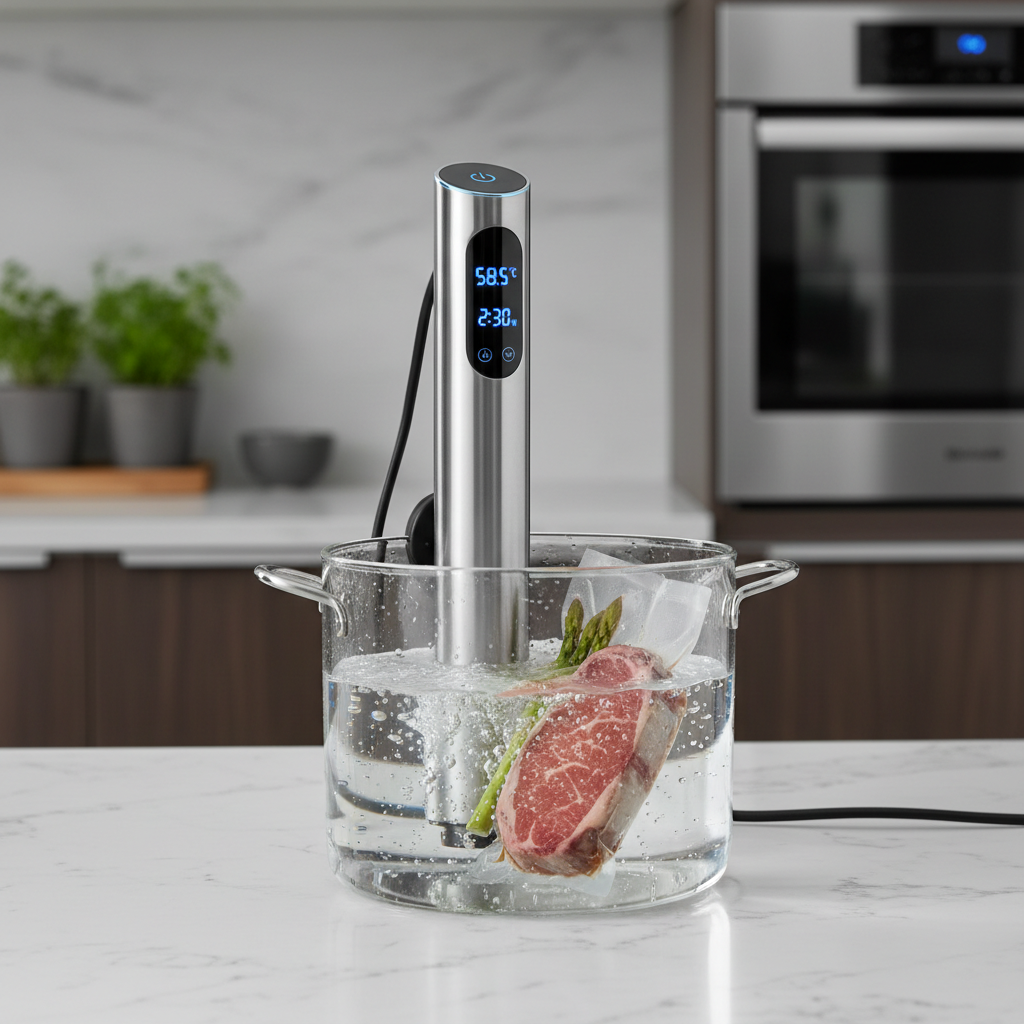
At its core, sous vide cooking involves placing food in a heat-stable pouch, expelling the air (often using a vacuum sealer), and immersing it in a water bath set to a specific temperature. This method offers a unique interplay of science and culinary art. The food is slowly cooked in its own juices, which enhances flavor while preventing moisture loss — this is particularly beneficial for proteins, vegetables, and even desserts.
One of the remarkable aspects of sous vide is the ability to maintain food quality over extended cooking times. Traditional cooking methods often require a fine balance of timing and temperature. In contrast, sous vide allows you to achieve consistent results without the fear of undercooking or overcooking. The key lies in the science of heat transfer. Since the water bath is set at a lower, more precise temperature compared to conventional cooking, food can be cooked evenly and thoroughly, leading to incredible texture and taste.
Most essential in this process is understanding the concept of pasteurization, which is the process by which harmful bacteria are killed by heat. Cooking at precise temperatures for specific durations ensures that food not only reaches the target doneness but is also safe to eat. For instance, a chicken breast cooked at 140°F (60°C) for one hour is safe and remains tender.
The Sous Vide Process
The sous vide process consists of several steps, each critical to achieving the optimal results. Here’s a breakdown of the main steps involved:
Each of these steps plays a vital role in achieving profound flavors and textures, and understanding the intricacies of each can set you on the path to mastering sous vide cooking.
Essential Equipment for Sous Vide Cooking
Sous Vide Immersion Circulator
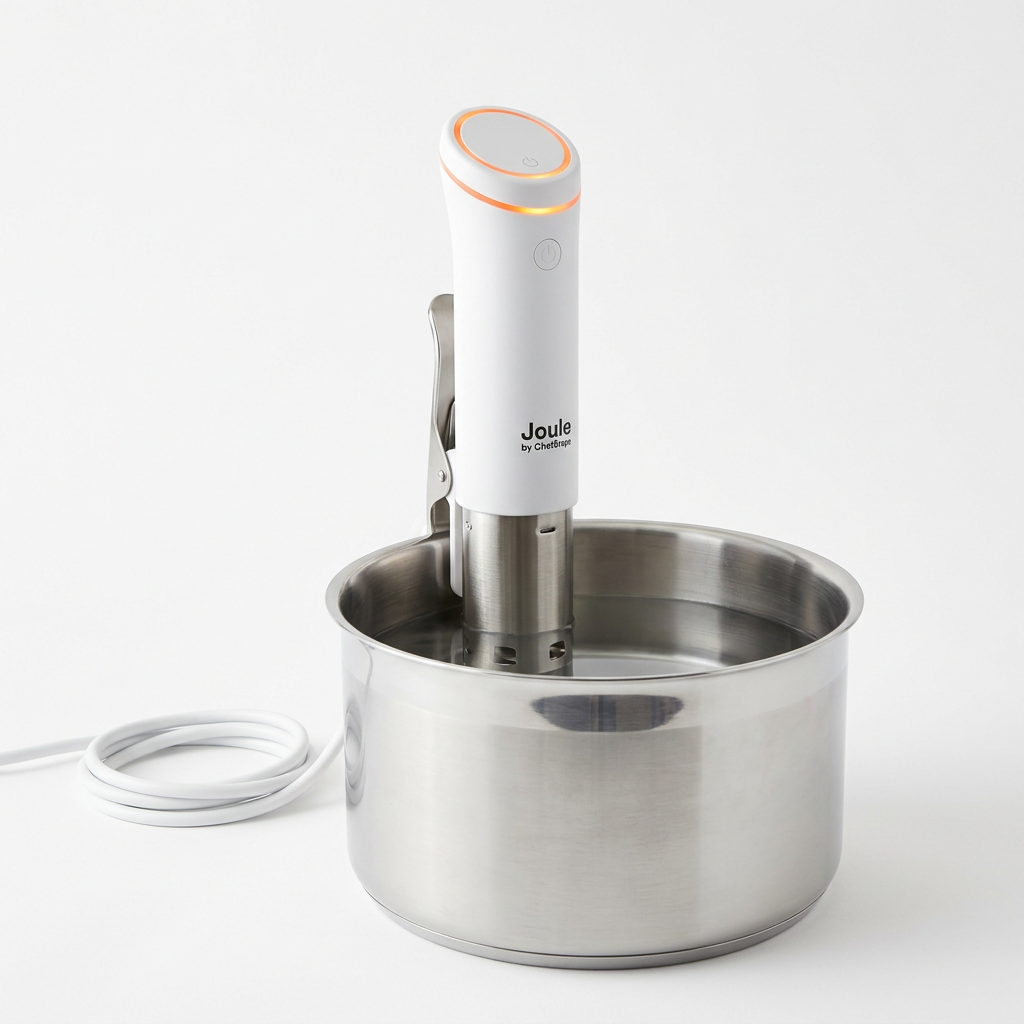
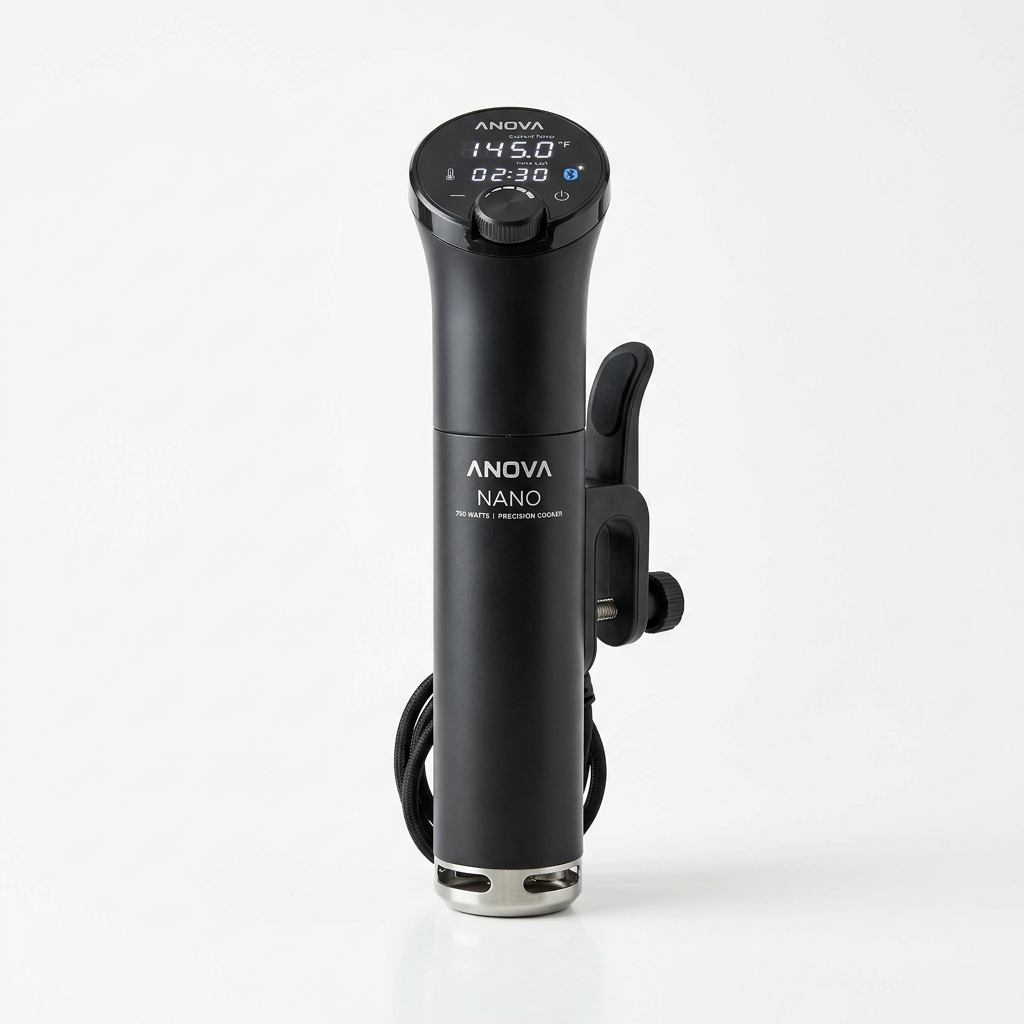
An immersion circulator is the primary tool for sous vide cooking. It heats water to a precise temperature and circulates it, ensuring even heating throughout the cooking process. When selecting an immersion circulator, consider features such as:
Popular options on the market include brands like Anova, Breville, and Joule, known for their durability and accuracy.
Sous Vide Bags
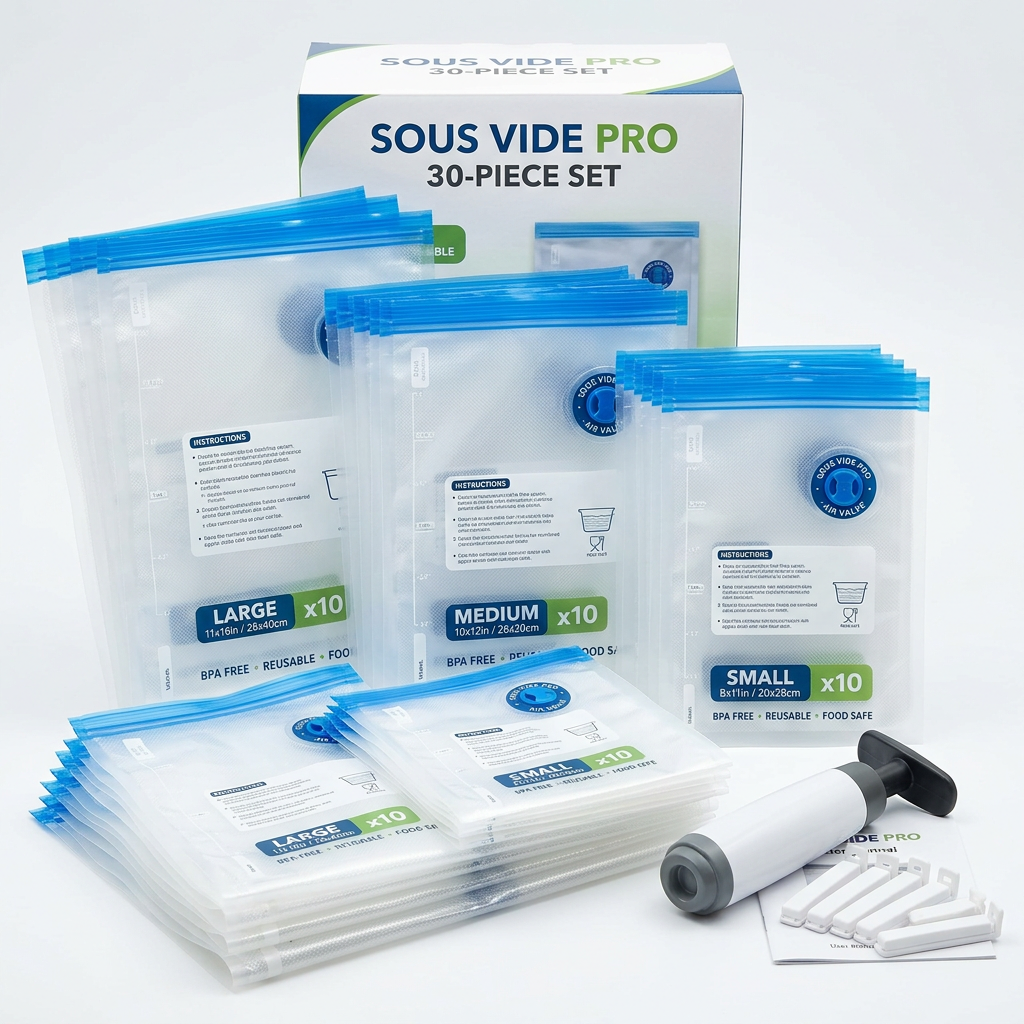
The types of bags you use can significantly affect the cooking process. There are two primary categories of bags for sous vide cooking:
It's essential that the bag is rated for sous vide use, ensuring it won’t leach chemicals into your food during the cooking process.
Water Container
You’ll need a container that can hold water and heat it adequately. While many home cooks use a stockpot, specialized containers with lids are available, allowing for better insulation and minimizing water evaporation. When selecting a water container, consider:
Optional Accessories
While the bare essentials are an immersion circulator and bags, several additional tools can enhance your sous vide experience:
"The journey of sous vide cooking begins with the right tools — invest in quality, and you'll elevate your culinary game."
Understanding Time and Temperature
The Science of Sous Vide Timing
One of the great benefits of sous vide is the flexibility in cooking times. While traditional cooking may have strict timing for achieving desired doneness, sous vide adjustments can lead to incredible outcomes without compromising quality.
Understanding how time affects texture is essential:
General Time and Temperature Guidelines
To assist you in your sous vide adventures, here are some recommended time and temperature guidelines for various proteins:
- Medium: 140°F (60°C) for 1-4 hours
- Well-done: 165°F (74°C) for 1 hour
- Rare: 120°F (49°C) for 1-4 hours
- Medium rare: 130°F (54°C) for 1-2 hours
- Medium: 140°F (60°C) for 1-4 hours
- Medium: 140°F (60°C) for 1-4 hours
- Well done: 160°F (71°C) for 1 hour
- Carrots: 183°F (84°C) for 1-2 hours.
It is vital to note that these times are not rigid; they can vary depending on the thickness of the piece being cooked. A general rule of thumb is to cook for 1 hour for every inch of thickness.
The Importance of Pasteurization
Understanding pasteurization is crucial for safe sous vide cooking. Cooking food at low temperatures for an extended time can effectively kill common pathogens. Here are some guidelines to ensure food safety:
- At 130°F (54°C), hold for 1 hour to pasteurize.
- At 165°F (74°C), pasteurization occurs almost instantly; at 145°F (63°C), maintain for at least 1 hour.
- At higher temperatures (e.g., 145°F (63°C)), the same time frames apply.
"Timing is everything in sous vide; a single hour can redefine the tenderness of your dish."
Flavoring and Seasoning in Sous Vide
The Versatility of Seasoning
One of the often-overlooked advantages of sous vide is the infusion of flavor. When food is vacuum-sealed and placed in a water bath, herbs, spices, and marinades permeate more deeply than they would through conventional cooking, leading to greater flavor absorption.
Here are a few methods to enhance flavors:
"In sous vide, the art of seasoning is magnified — don’t shy away from bold flavors."
Recipe Examples for Flavoring
#### Herb-Infused Chicken Breast
- 2 chicken breasts
- 2 tablespoons olive oil
- 1 tablespoon fresh thyme (or 1 teaspoon dried)
- Salt and pepper to taste
- Season the chicken with olive oil, thyme, salt, and pepper.
- Place in a vacuum-sealable bag, remove air, and seal.
- Cook in a water bath at 140°F (60°C) for 1-2 hours.
- Sear in a hot pan before serving to add a crispy exterior.
#### Garlic Butter Steak
- 2 ribeye steaks
- 2 tablespoons unsalted butter
- 2 cloves garlic, minced
- Salt and pepper to taste
- Fresh rosemary or thyme
- Season the steaks generously with salt and pepper.
- In a small bowl, mix butter with garlic and herbs. Spread evenly on steaks.
- Seal in a vacuum bag and cook at 130°F (54°C) for 1-2 hours.
- Sear in a hot skillet for a minute per side for a delicious crust.
Balancing Flavors
Beyond just seasoning, balancing flavors is essential for any dish. This means considering acidic components, sweetness, and spice. Here are some tips:
Expanding upon flavor extraction is vital. The ensuing complexity of flavors can lead to an elevated dish and sets sous vide cooking apart from other methods.
Sous Vide Recipes to Try
Sous Vide Carrots
Ingredients:
#### Instructions:
Sous Vide Egg Bites
Ingredients:
#### Instructions:
Perfectly Cooked Salmon
Ingredients:
#### Instructions:
These recipes are a foundation; feel free to customize them according to your preferences or available ingredients.
Common Mistakes and Troubleshooting
Mistakes and Tips
Troubleshooting Techniques
- Solution: Always check temperatures, especially if transitioning from traditional methods.
- Solution: Adjust your seasoning and consider longer marinating times; herbs and spices can take time to develop in sous vide.
- Solution: Revisit your cooking times, as thickness and density play a role. Adjust accordingly.
Final Thoughts
Sous vide cooking is more than just a trend; it’s a method that can transform how you approach flavor, texture, and the overall cooking experience in your home kitchen. By embracing this technique, you not only elevate your culinary skills but also open up a world of possibilities that traditional methods may not offer. From perfectly cooked proteins to vibrant vegetables, each sous vide dish promises consistent and delicious meals that will impress family and guests alike.
Armed with the right equipment, knowledge of timing and temperatures, and a flair for flavoring, any home cook can embark on a journey towards sous vide mastery. As you explore recipes and techniques, remember that experimentation is the heart of cooking. So go ahead, unleash your creativity, and let sous vide become an essential part of your culinary repertoire. Whether you're preparing a casual dinner or a special occasion feast, sous vide allows you to cook with precision, ensuring your dishes are truly unforgettable.
With each meal you prepare, you'll find that sous vide isn’t just a cooking method; it's an adventure full of tastes, textures, and techniques waiting to be discovered. Dive in and let your culinary creations speak for themselves!
Get the Next Recipe
Weekly recipes, techniques, and gear picks — straight to your inbox.
