
Sous Vide for Home Cooks: Precision Cooking Without the Restaurant Equipment
Sous vide cooking has steadily gained momentum among home cooks, transforming the landscape of modern culinary practices with its promise of precision, consistency, and flavor retention. This technique, which involves sealing food in a bag and immersing it in a water bath at a controlled temperature, allows you to achieve results that were once only achievable in professional kitchens. The allure of sous vide lies in its simplicity and effectiveness—cooks can create perfectly cooked proteins, vibrant vegetables, and even desserts without the constant monitoring that traditional cooking methods require. Through sous vide, the barrier to restaurant-quality cooking at home has notably diminished, making it an appealing choice for both novice and seasoned chefs alike.
One of the most compelling aspects of sous vide is its versatility; it can be applied to a wide range of ingredients and cooking styles. From steak and chicken to vegetables and eggs, the sous vide technique delivers exceptional results while preserving the integrity and natural flavors of the ingredients. Additionally, sous vide cooking allows for enhanced seasoning, as food marinates in its own juices during the cooking process. This results in flavors that are more concentrated and perceptible than in conventional cooking methods. The ability to master such a technique can be transformative for any cook looking to hone their skills and enhance their culinary repertoire.
While the idea of sous vide might seem intimidating at first glance, especially regarding the need for special equipment, this post aims to demystify the process and arm home cooks with the knowledge needed to excel. With the availability of immersion circulators and vacuum sealers at various price points, achieving sous vide mastery has never been more attainable. Whether you’re seeking perfectly cooked steak for a mid-week dinner or want to impress guests with gourmet-level dishes, this guide will provide you with everything you need to know to effectively incorporate sous vide cooking into your kitchen.
Understanding Sous Vide Cooking
The Science Behind Sous Vide
Sous vide, which translates to "under vacuum" in French, combines the simplicity of slow cooking with the precision of modern technology. The science behind sous vide revolves around the concept of temperature control. By cooking food at lower temperatures for extended periods, sous vide allows for a greater degree of control over the doneness and texture of your food. Unlike traditional methods that rely on high heat and quick cooking times, sous vide uses consistent, low temperatures that don’t exceed the desired doneness.
This method is particularly advantageous because it eliminates the risk of overcooking. For instance, when cooking steak to medium-rare, the maximum temperature is around 130°F (54°C). If cooked conventionally, even a few minutes of overexposure to high heat can lead to tough, dry meat. In contrast, sous vide allows you to maintain that exact temperature for as long as necessary, ensuring that the entire piece of meat reaches the right doneness without sacrificing moisture or tenderness.
Seasoning also plays a crucial role in sous vide cooking. The food is typically seasoned and vacuum-sealed before being submerged in the water bath. This ensures that the flavors permeate the ingredients, resulting in deliciously seasoned dishes. Furthermore, because the food is cooked in its juices, you’ll often find that the flavor is more intense and rich. This is especially true for proteins, which absorb marinades and seasonings during the cooking process.
Equipment Needed for Sous Vide
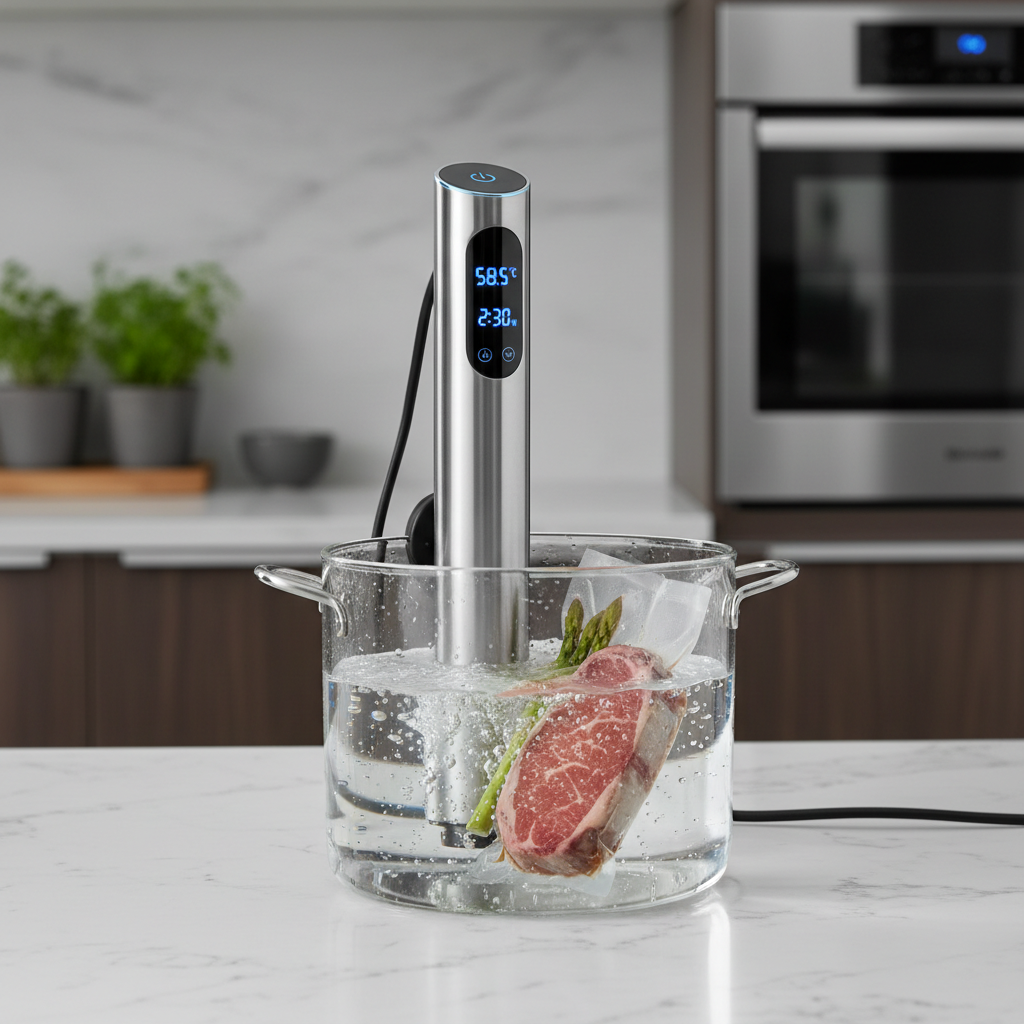
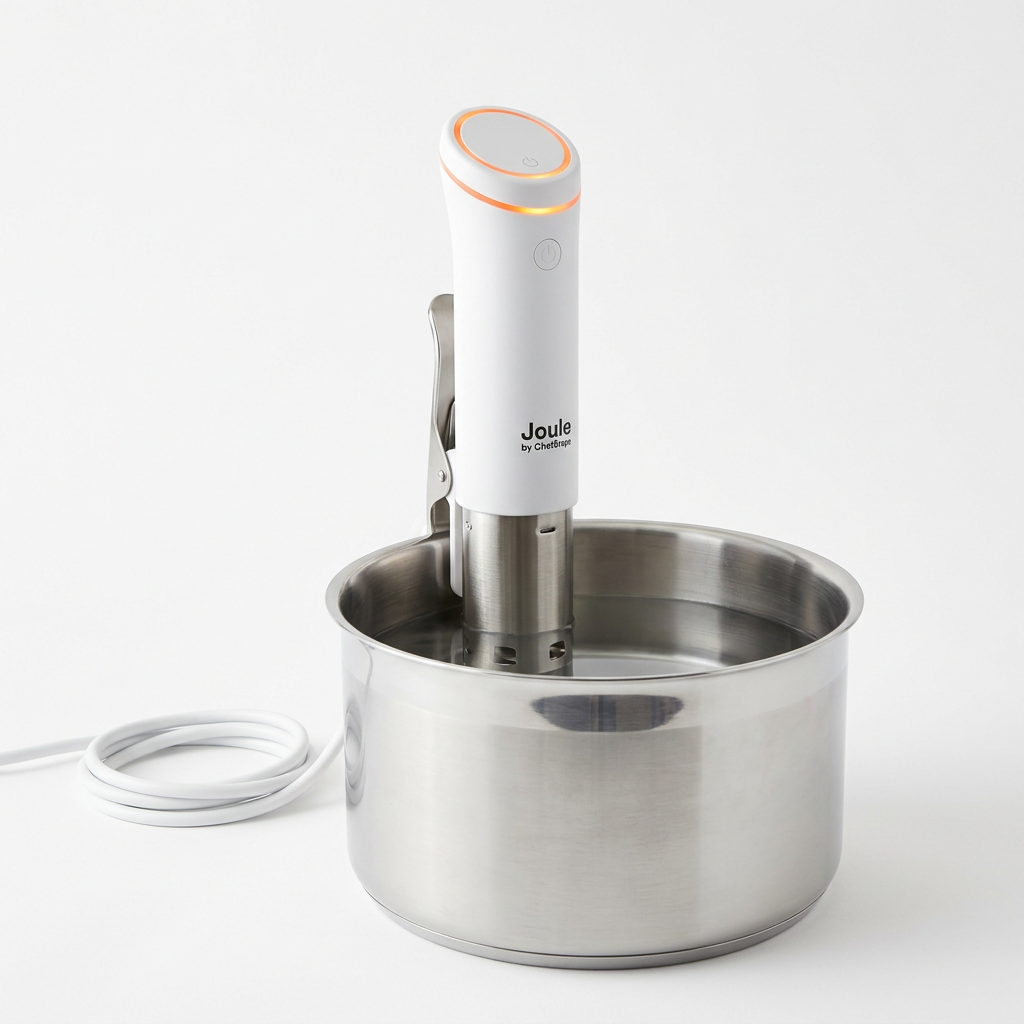
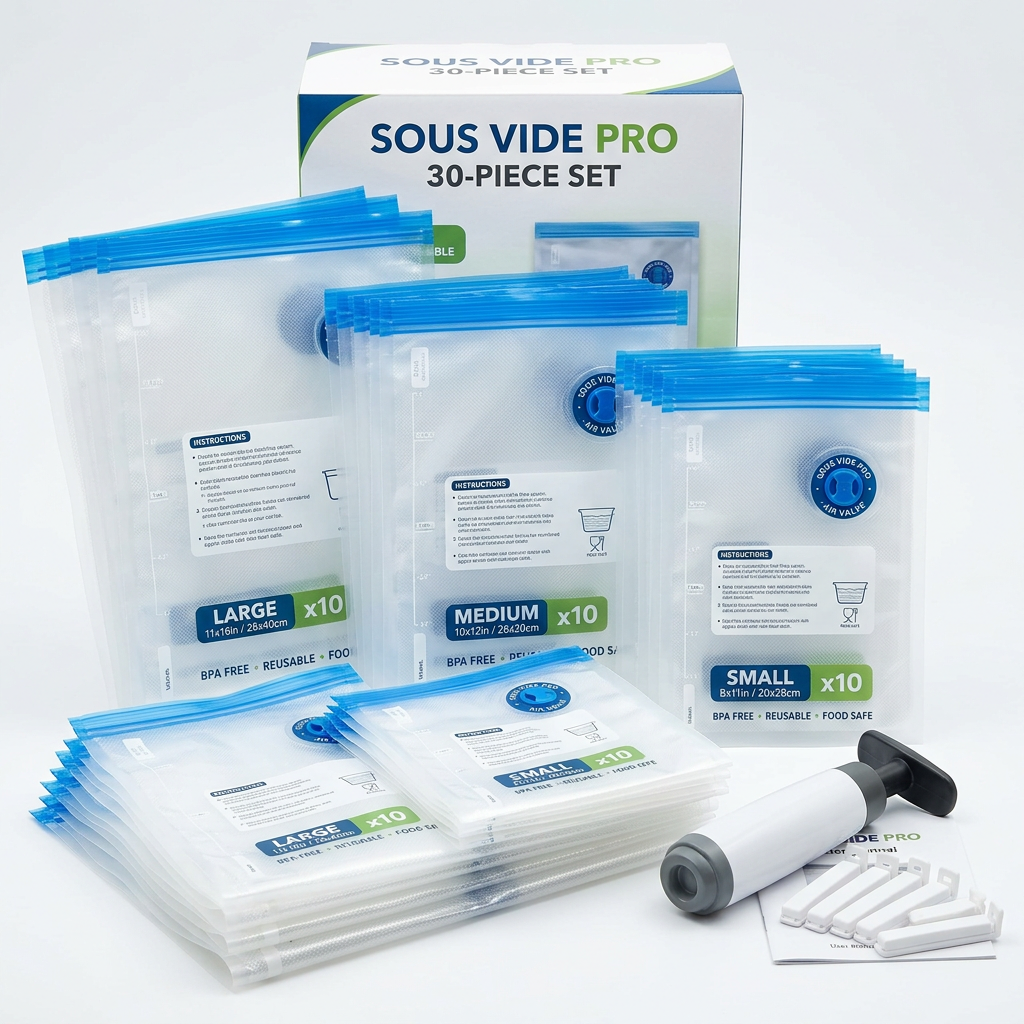
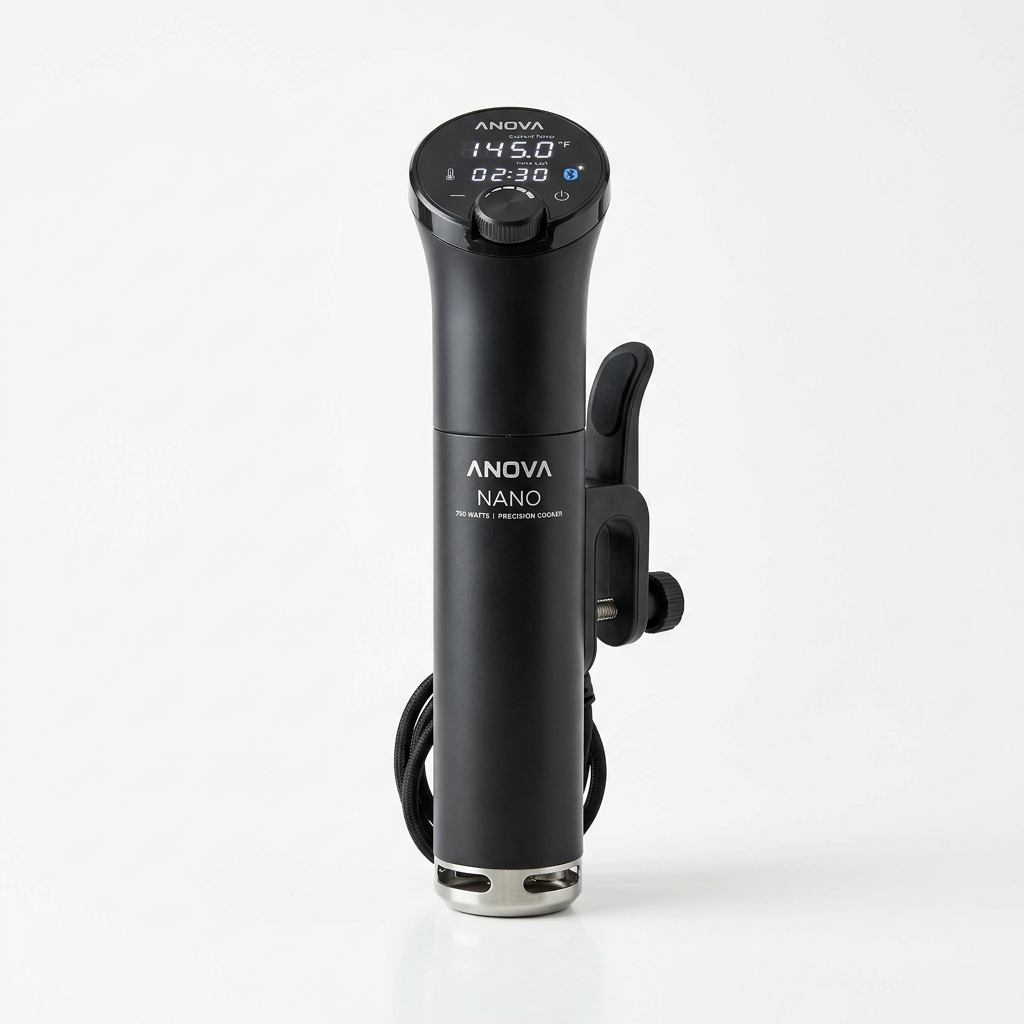
Using sous vide at home does require some specific equipment, though many of the essentials can be easily acquired at reasonable prices:
While sous vide cooking has traditionally been associated with costly restaurant equipment, the advent of accessible home models has expanded its availability to everyone, allowing amateurs to explore advanced techniques with relative ease.
Preparing for Sous Vide Cooking
Food Selection
One of the most gratifying aspects of sous vide is the variety of ingredients that can be prepared using this technique. However, not all foods are created equal. When selecting ingredients for sous vide cooking, choose those that will benefit most from low-and-slow cooking times. Here are some ideal categories to consider:
Preparing Ingredients
Proper preparation of your chosen ingredients is essential for achieving optimal results. Follow these general steps to ensure everything is ready for sous vide cooking:
Cooking Temperature and Times
Understanding the correct temperatures and cooking times is at the core of successful sous vide cooking. Here’s a comprehensive overview of common sous vide cooking times and temperatures for various proteins:
- Rare: 120°F (49°C), 1-4 hours
- Medium-Rare: 130°F (54°C), 1-4 hours
- Medium: 140°F (60°C), 1-4 hours
- Medium-Well: 150°F (66°C), 1-4 hours
- Well Done: 160°F (71°C), 1-4 hours
- 165°F (74°C), 1-4 hours
- Medium: 140°F (60°C), 1-4 hours
- Well Done: 160°F (71°C), 1-4 hours
- Rare: 110°F (43°C), 30-45 minutes
- Medium: 125°F (52°C), 30-45 minutes
- Well Done: 145°F (63°C), 30-45 minutes
- 183°F (84°C), 1-2 hours
Remember that sous vide cooking is very forgiving; the time ranges provided mean that you can cook at the lower end of the time spectrum for a tender result or extend it for even more benefits in texture and flavor without compromising the outcome.
Cooking with Sous Vide
The Sous Vide Process
Now that you have your ingredients prepared and know your temperatures and times, it’s time to explore the sous vide cooking process:
Common Mistakes to Avoid
While sous vide cooking is simple, there are pitfalls for beginners that should be avoided:
"Sous vide isn’t just about cooking; it’s about mastering precision and getting the best flavors from your ingredients."
Advanced Techniques
Once you’ve got the basics of sous vide down, you might want to experiment with more advanced techniques. Here are a few options to elevate your sous vide game:
Flavoring Your Sous Vide Dishes
Building Flavor Profiles
Flavoring food for sous vide is an art that takes time and consideration. When preparing your ingredients, think about how the flavors will meld during cooking. Some effective approaches include:
Experimenting with Flavor Combinations
Don’t shy away from experimentation! Sous vide offers flexibility in flavor combinations. Consider these interesting pairings:
Remember, cooking sous vide allows for less volatile flavors since food cooks in a sealed environment, so take the opportunity to play with flavors that might not thrive in more high-heat cooking methods.
Conclusion
Adopting sous vide cooking at home is about stepping into the world of precision, patience, and enhanced flavor. With the right knowledge, tools, and techniques, any home cook can turn everyday ingredients into extraordinary meals. From understanding the principles behind sous vide to choosing the right equipment and perfecting your techniques, each step brings you closer to unlocking the full potential of this versatile cooking method.
As you embark on your sous vide journey, don’t hesitate to experiment and adapt the techniques to your tastes and preferences. The world of sous vide is vast, and the nuances of flavors, textures, and cooking times will only deepen your appreciation for culinary arts. Embrace the process, take care with food safety, and transform your home cooking into a gourmet experience that leaves nothing to be desired.
With careful attention and practice, you’ll find sous vide can make a robust difference in your kitchen, turning you into the confident and skillful chef you've always aspired to be. Happy cooking!
Get the Next Recipe
Weekly recipes, techniques, and gear picks — straight to your inbox.
