Sous Vide Mastery: Achieving Perfect Precision Every Time
Sous vide cooking has transformed the culinary landscape, enabling home cooks and professionals alike to achieve perfect results with minimal effort. By utilizing this precise cooking method, you can avoid the common pitfalls of traditional techniques that often lead to overcooked or undercooked dishes. The beauty of sous vide lies in its ability to control temperature at a microscopic level, allowing proteins and vegetables to retain their moisture, flavor, and nutritional value. This method creates a level of tenderness that is hard to achieve through conventional means, making it increasingly popular among those who seek perfection in their culinary pursuits.
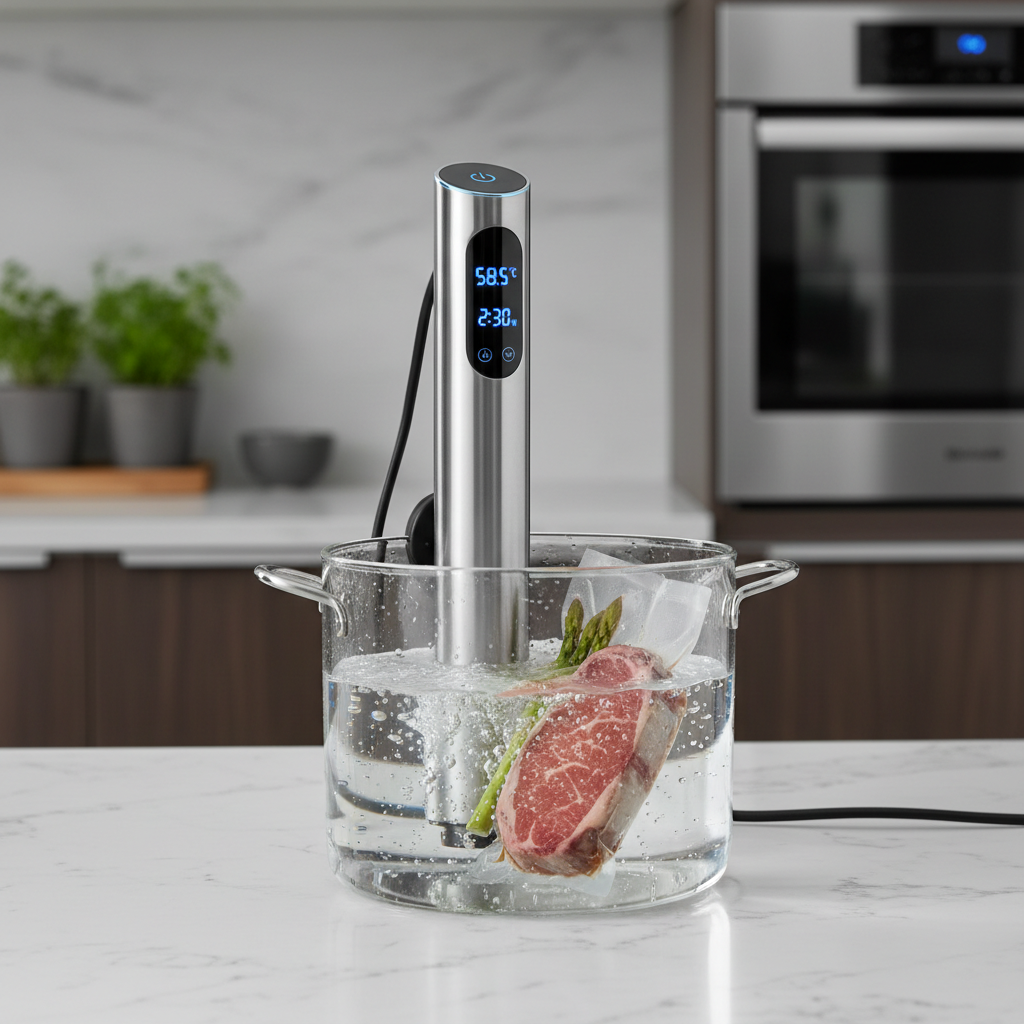
As you embark on your sous vide journey, it’s essential to grasp not only the technical aspects but also the underlying principles that make this method so effective. The sous vide technique involves sealing food in vacuum-sealed bags and immersing them in water heated to a carefully controlled temperature. This ensures that food cooks evenly and thoroughly without the risk of overdoing it. When you understand how to use sous vide effectively, you unlock a world of culinary possibilities from crafting tender meats to infusing unique flavors into vegetables and sauces.
What sets sous vide apart from other cooking techniques is its precision. Unlike stovetop cooking, which can have inconsistent heat distribution, the sous vide method provides an even cooking environment. This means that each bite of food will have the same level of doneness, ensuring that your guests are treated to a consistently excellent dish. This level of detail can elevate your home cooking and expand your repertoire, whether you’re preparing a simple weeknight dinner or hosting a special occasion.
Understanding the Sous Vide Technique
At its core, sous vide (French for "under vacuum") is about cooking food in a temperature-controlled water bath. The food is sealed in vacuum bags to eliminate air exposure, ensuring uniform cooking and moisture retention. As we explore more about this technique, it’s crucial to understand the fundamental principles that underpin successful sous vide cooking.
The Science Behind Sous Vide
Sous vide is founded on the principles of heat transfer and temperature control. When food is submerged in water that's set at a precise temperature, it gradually heats at an even rate throughout. This means that the heat penetrates the food slowly and evenly, allowing for perfect cooking without the risk of burning or drying out.
Essential Equipment for Sous Vide Cooking
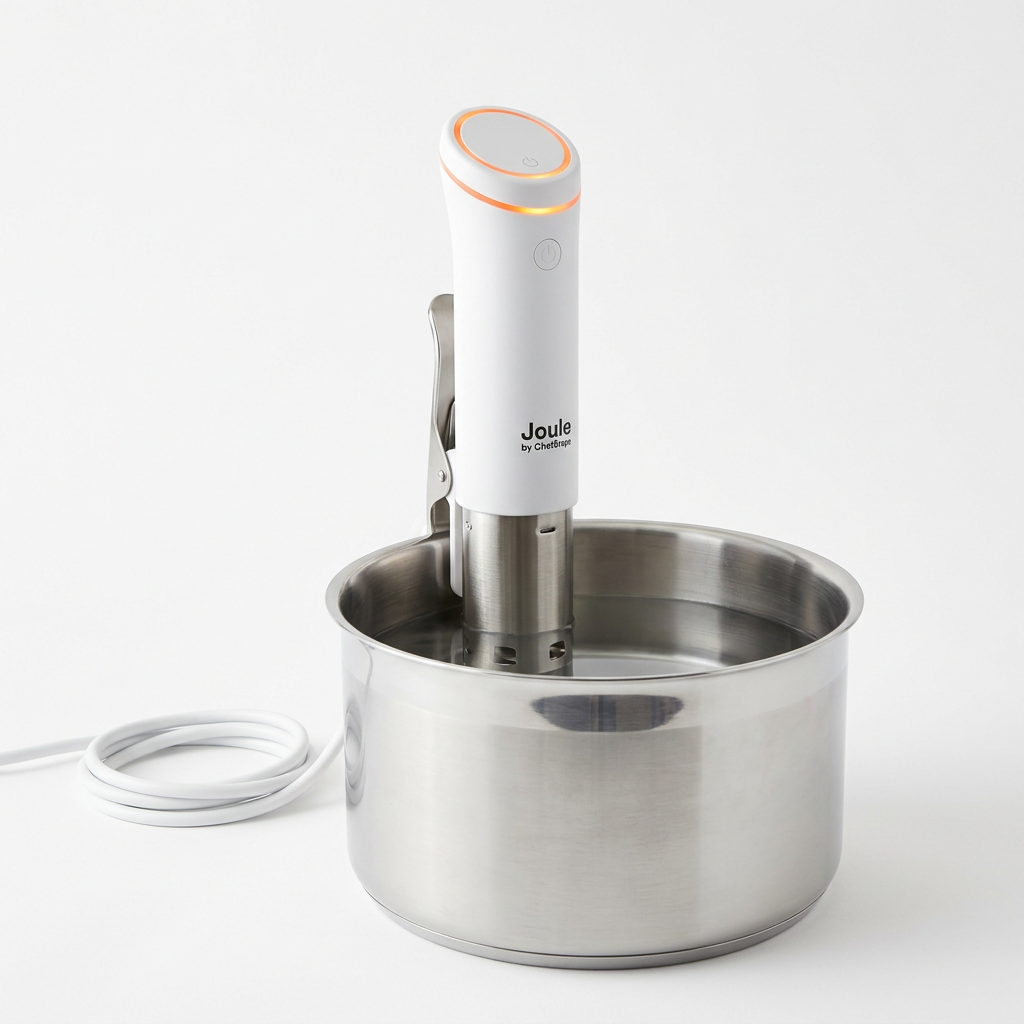
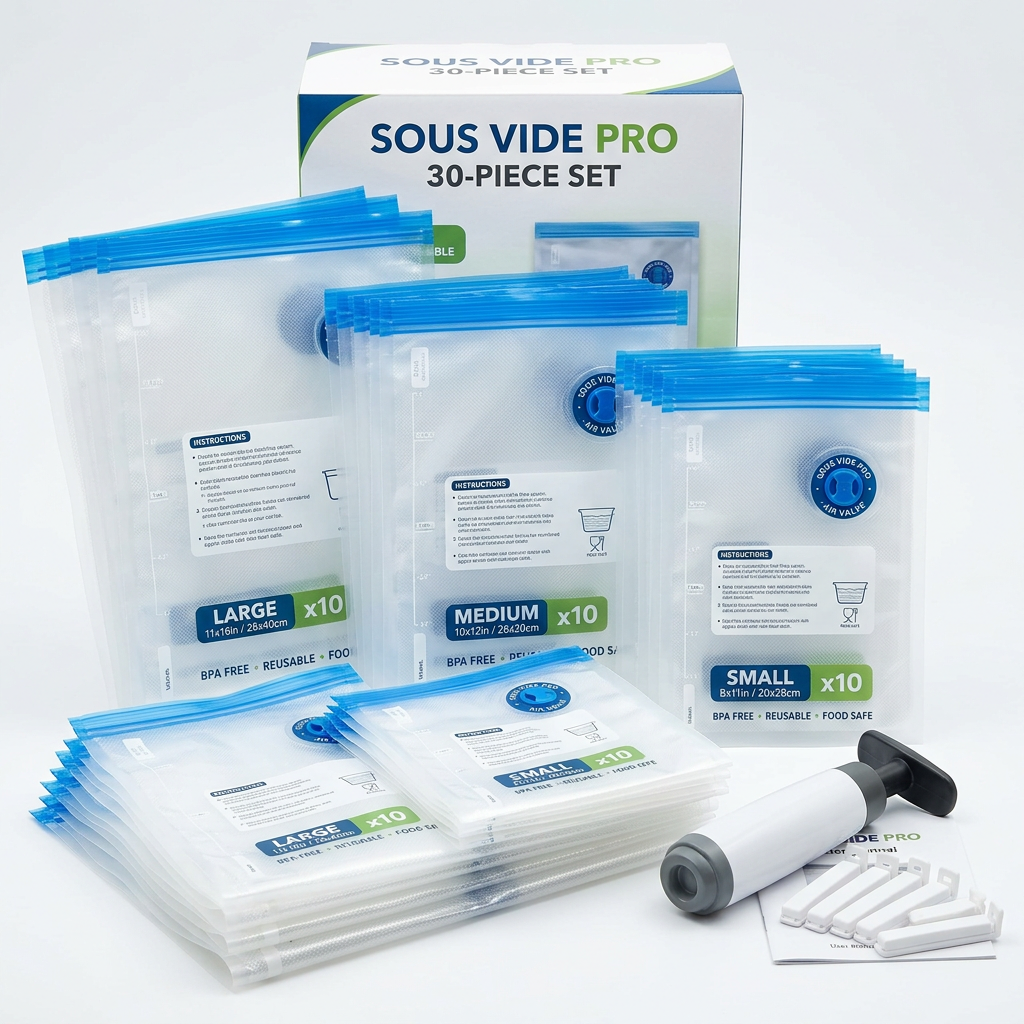
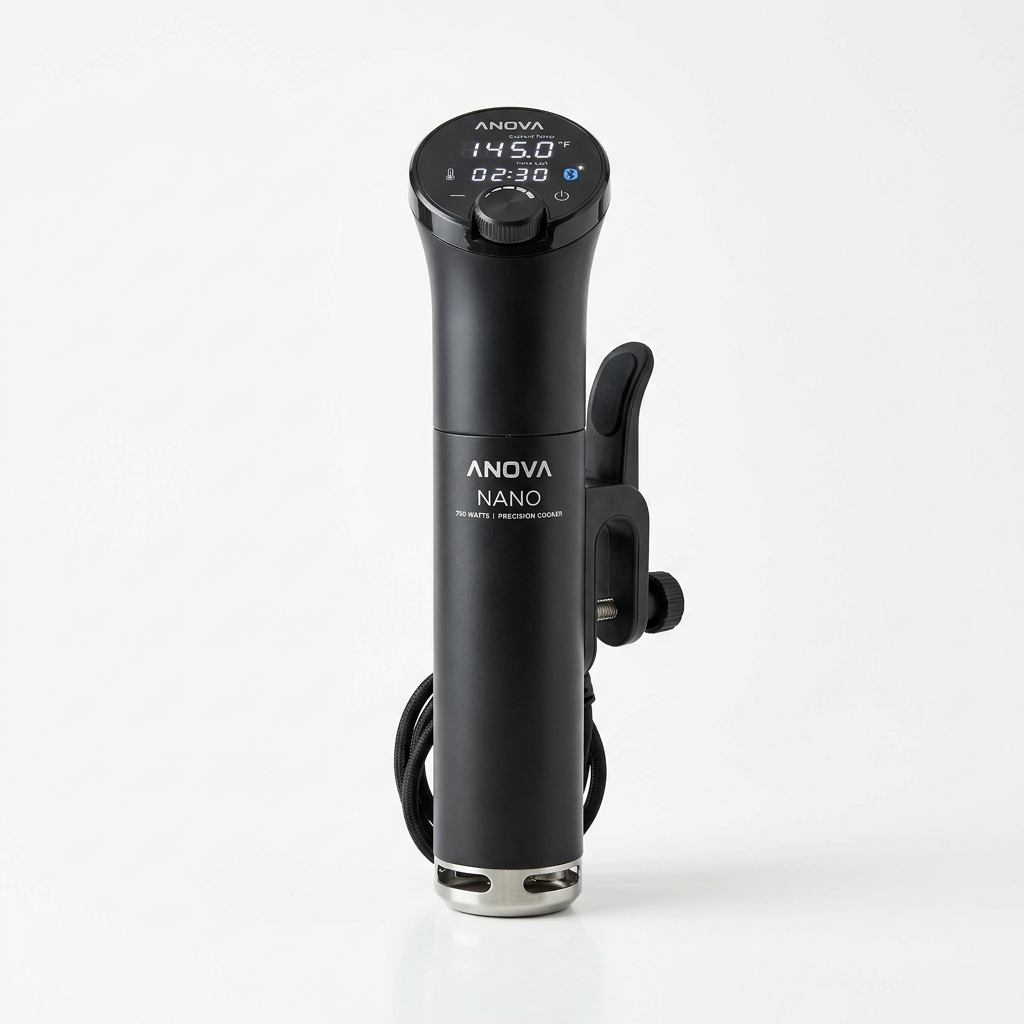
To embark on your sous vide adventure successfully, having the right equipment is paramount. While you don’t have to break the bank, a few essential pieces will significantly elevate your cooking experience.
To Sous Vide or Not to Sous Vide?
While sous vide is highly versatile, it’s not always the go-to method for every dish. Some foods may benefit from traditional cooking methods due to their desired texture and flavor profiles. Let’s look at instances when you might prefer sous vide over other techniques and vice versa.
"Sous vide isn't just about convenience; it’s a transformative technique that respects the integrity of the ingredients."
Getting Started with Sous Vide Cooking
If you're new to sous vide cooking, starting with simple recipes can help you build confidence. The good news is that even the most basic sous vide recipes can yield impressive results. Let’s delve into how to get started successfully.
Step-by-Step Sous Vide Process
- Chicken Breast: 140°F (60°C) for 1-4 hours
- Medium Steak: 130°F (54°C) for 1-4 hours
- Carrots: 183°F (84°C) for 1-2 hours
Sous Vide Timing Guide
Getting timing right can be the difference between spectacular and mediocre results. Below is a quick guide to common sous vide cooking times and temperatures based on different foods:
#### Proteins
#### Vegetables
This guide provides a great start, but don’t hesitate to experiment once you feel comfortable!
Flavor Infusion Techniques
One of the unique aspects of sous vide cooking is the ability to infuse flavors deeply. Because the food is vacuum-sealed, it can absorb spices, herbs, and marinades more effectively than most traditional cooking methods.
Infusing with Herbs and Spices
Adding herbs and spices directly to your sous vide bags allows the flavors to permeate deeply into meats and vegetables. Here are some ideas to kickstart your infusions:
#### Flavor Pairing Tips
Understanding which flavors complement each other can elevate your sous vide dishes. Here are some classic pairings to keep in your culinary arsenal:
Let flavors meld for at least 30 minutes before cooking, and feel free to experiment with various combinations to find your favorites!
Advanced Techniques: Infusing Oils and Sauces
For an elevated profile, you can also infuse oils and sauces sous vide style. Here’s how:
Once completed, you’ll have a deeply flavored oil ready for drizzling or sautéing.
Sous Vide Cooking for Sous Vide Beginners
As a beginner, you might feel overwhelmed when diving into sous vide cooking. This section will help you navigate common challenges and understand essential techniques that can lead you to success.
Safety Considerations
While sous vide cooking is tremendously safe, it’s important to follow basic food safety protocols:
Common Mistakes to Avoid
When learning sous vide cooking, be wary of the following common pitfalls:
Recipes for the Novice Cook
To help you get started with sous vide cooking, here are some beginner-friendly recipes that will build your confidence and skills.
#### Sous Vide Chicken Breast
- 2 chicken breasts
- Salt and pepper
- Fresh herbs (thyme, rosemary, or dill)
- Lemon slices
1. Season the chicken breasts generously with salt, pepper, and herbs.
2. Place chicken in a bag with a few slices of lemon. Vacuum seal.
3. Set the sous vide cooker to 140°F (60°C) and cook for 1-2 hours.
4. Remove from the bag and sear in a hot pan for a minute on each side to develop a crispy exterior.
#### Sous Vide Steak
- 2 steaks of your choice (ribeye or sirloin)
- Salt and pepper
- Garlic and herbs for flavor
1. Season steaks with salt, pepper, and any desired herbs or garlic.
2. Vacuum seal the steaks and cook in a water bath set to 130°F (54°C) for 2-3 hours.
3. Heat a skillet to high heat and sear the steaks for 1-2 minutes on each side before serving.
"Cooking sous vide opens a world of precision and flavor enhancement, making even the simplest dishes extraordinary."
Tips for Elevating Your Sous Vide Skills
As you become more comfortable with sous vide, integrating advanced skills and techniques can enhance your culinary creations.
Experimenting with Time and Temperature
Taking a riff off traditional cooking methods can be beneficial. If you desire a steak that’s even more tender, consider cooking it at a lower temperature for a longer time. This method gradually breaks down the fatty tissues, resulting in an incredibly juicy piece of meat.
Sous Vide for Meal Prep
Sous vide is an excellent tool for meal prep, allowing you to prepare multiple servings of various proteins or vegetables in one go. Here’s how to make it work for you:
Incorporating Sous Vide into Multi-Stage Cooking
Advanced cooks can use sous vide as a primer in multi-stage cooking processes. For instance:
Conclusion
Mastering sous vide cooking is a journey that enhances both your skills and the level of sophistication in your meals. With precise temperature control, deep flavor infusion, and flexibility in execution, sous vide allows cooks of all skill levels to produce consistently exceptional dishes.
By understanding the science behind this cooking method, investing in the right equipment, and practicing with a variety of foods, you’ll gain the confidence needed to elevate your cooking. Whether you are prepping for a casual dinner with friends, an elaborate event, or meal prepping for the week, sous vide presents opportunities to wow your guests while exploring new culinary horizons.
Now, go invest in that immersion circulator and unlock the secrets of sous vide cooking. The precision and creativity await you in the water bath, where each meal can be a perfect expression of both technique and taste. This mastery is, indeed, something to behold—let your culinary adventure begin!
Get the Next Recipe
Weekly recipes, techniques, and gear picks — straight to your inbox.
