
Sous Vide Mastery: Precision Cooking for Perfect Results
Sous vide cooking has surged in popularity, transforming the way both home cooks and professional chefs approach food preparation. This method, which entails cooking food in a vacuum-sealed bag submerged in a temperature-controlled water bath, allows for unparalleled precision in temperature control. With sous vide, you can achieve results that are otherwise unattainable using traditional cooking methods, yielding tender meats, perfectly cooked vegetables, and even flawlessly baked desserts. By mastering sous vide, you add a formidable tool to your culinary arsenal that elevates your cooking to new heights.
The beauty of sous vide lies in its ability to consistently produce perfect results every time. When cooking proteins, for example, the precise temperature prevents overcooking, ensuring your steak is succulently medium-rare from edge to edge. Similarly, vegetables maintain their vibrant colors and nutrients thanks to the gentle cooking process. This technique might seem complex at first, but once you understand the fundamentals, it becomes second nature. Additionally, the hands-off nature of sous vide allows you to prepare dishes while engaging in other activities, making it as convenient as it is impressive.
Before diving into the how-tos of sous vide cooking, it is essential to grasp its underlying principles. The method hinges on two crucial aspects—temperature and time. By selecting the correct temperature for the desired doneness and adjusting the cooking time based on the thickness of the food, you gain complete control over the outcome. This post will guide you through the intricacies of sous vide cooking, offering tips, techniques, and recipes that will enhance your culinary repertoire.
Understanding the Sous Vide Technique
To appreciate the sous vide technique, we need to start by understanding the basics of how it works. Sous vide translates to "under vacuum" in French, referring to the process of sealing food in a bag to cook it evenly. Unlike conventional cooking methods that rely on high heat and direct exposure, sous vide employs low-temperature water baths to gently cook food. This results in culinary magic—perfectly tender and flavorful dishes every time.
The Science Behind Sous Vide Cooking
Sous vide relies heavily on science and the principles of thermal conduction. When submerged in a precise water temperature, the food warms up slowly and evenly, allowing it to cook throughout while retaining moisture and flavor. Each ingredient has an ideal cooking temperature that corresponds to its desired doneness, and cooking in a water bath ensures these temperatures are maintained consistently.
- Steak: 129°F for medium-rare, 135°F for medium
- Pork: 145°F for medium
- Chicken: 165°F for traditional, or 150°F for tender results
- Eggs: 167°F for hard-boiled, 145°F for soft-boiled
Benefits of Sous Vide Cooking
Sous vide cooking has several benefits that make it an appealing choice for many home cooks:
Essential Equipment for Sous Vide
To begin mastering sous vide cooking, you will need some essential equipment. Below is a rundown of the necessary tools you'll want to have in your kitchen.
Sous Vide Immersion Circulator
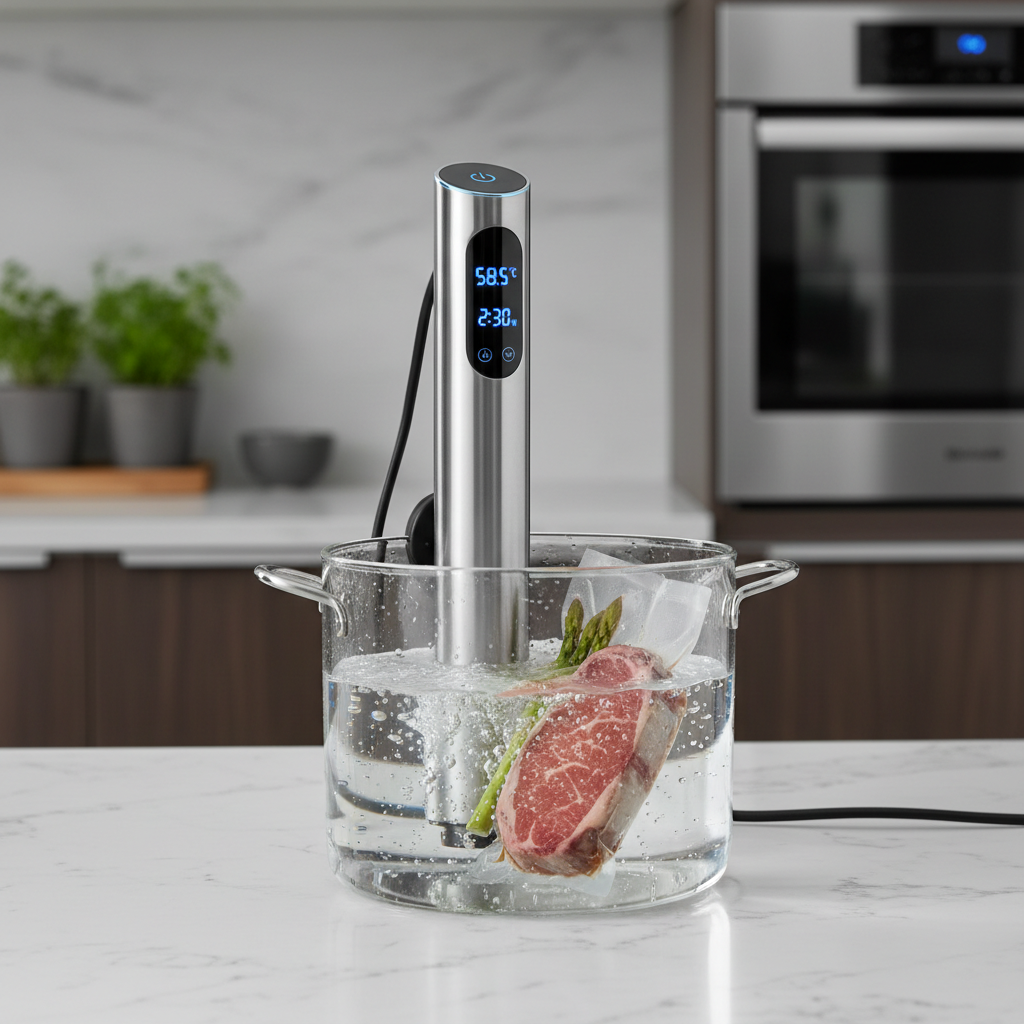
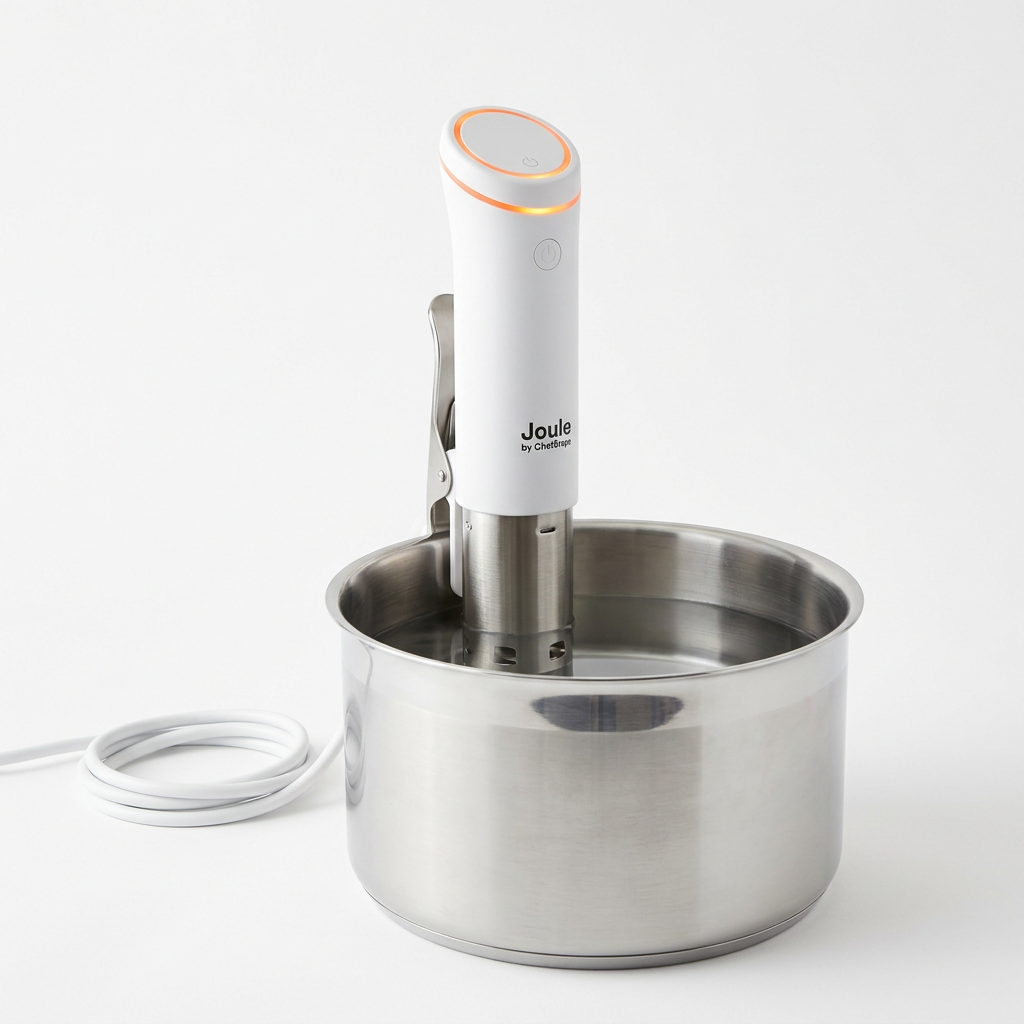
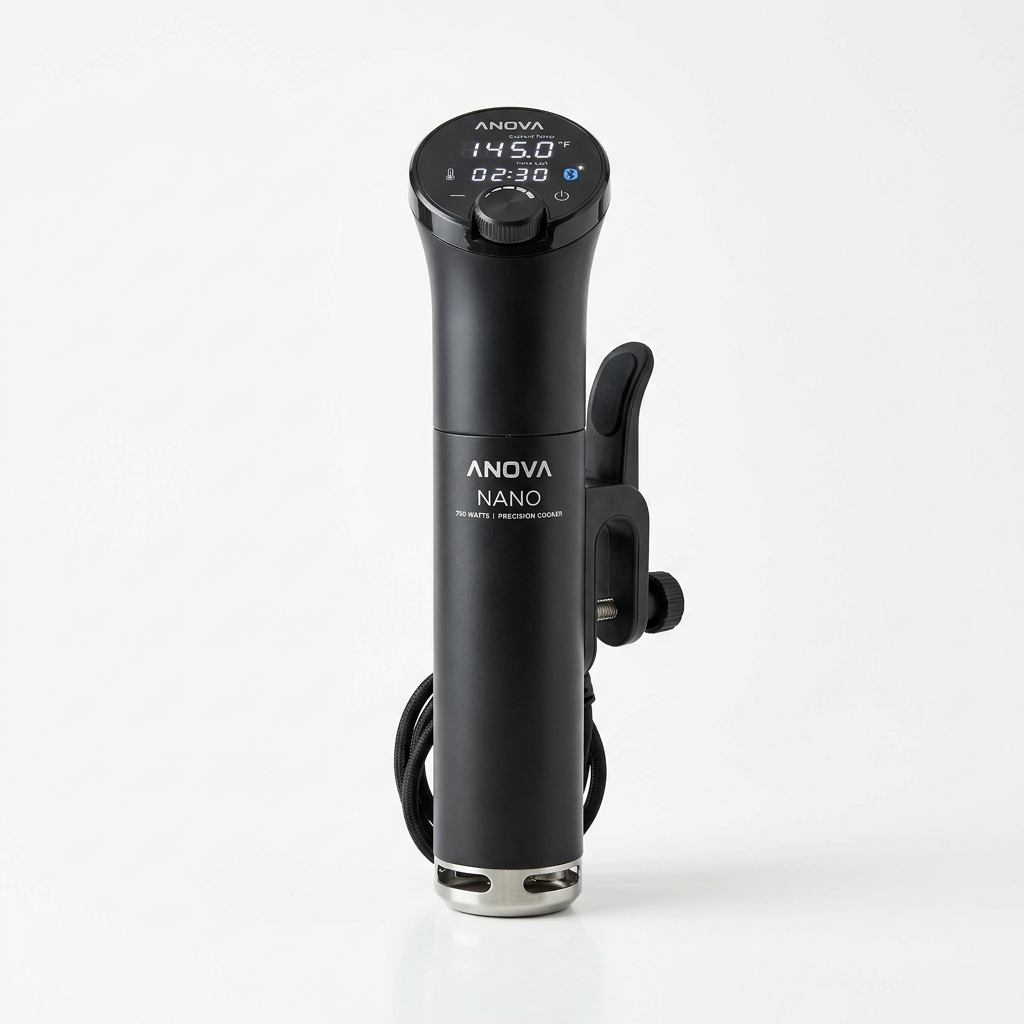
At the heart of sous vide cooking is the immersion circulator, a device that heats the water and maintains a constant temperature. When selecting a circulator, consider factors like power, temperature range, and noise level. Many models have user-friendly interfaces, allowing you to easily set your desired temperature and cooking time.
Vacuum Sealer
Vacuum sealing food before cooking is crucial to the sous vide process. This not only prevents water from entering the bag but also ensures that the food cooks evenly. While traditional vacuum sealers are the best choice, you can also use the water displacement method if you don’t have one—just submerge a zip-top bag in water until it’s nearly full, squeezing out the air, and seal it shut.
Containers
You’ll need a container for your water bath. Many home cooks use large stockpots; however, for longer cooking times, a dedicated sous vide container with a lid is ideal. This prevents evaporation and helps maintain temperature.
Bags and Clips
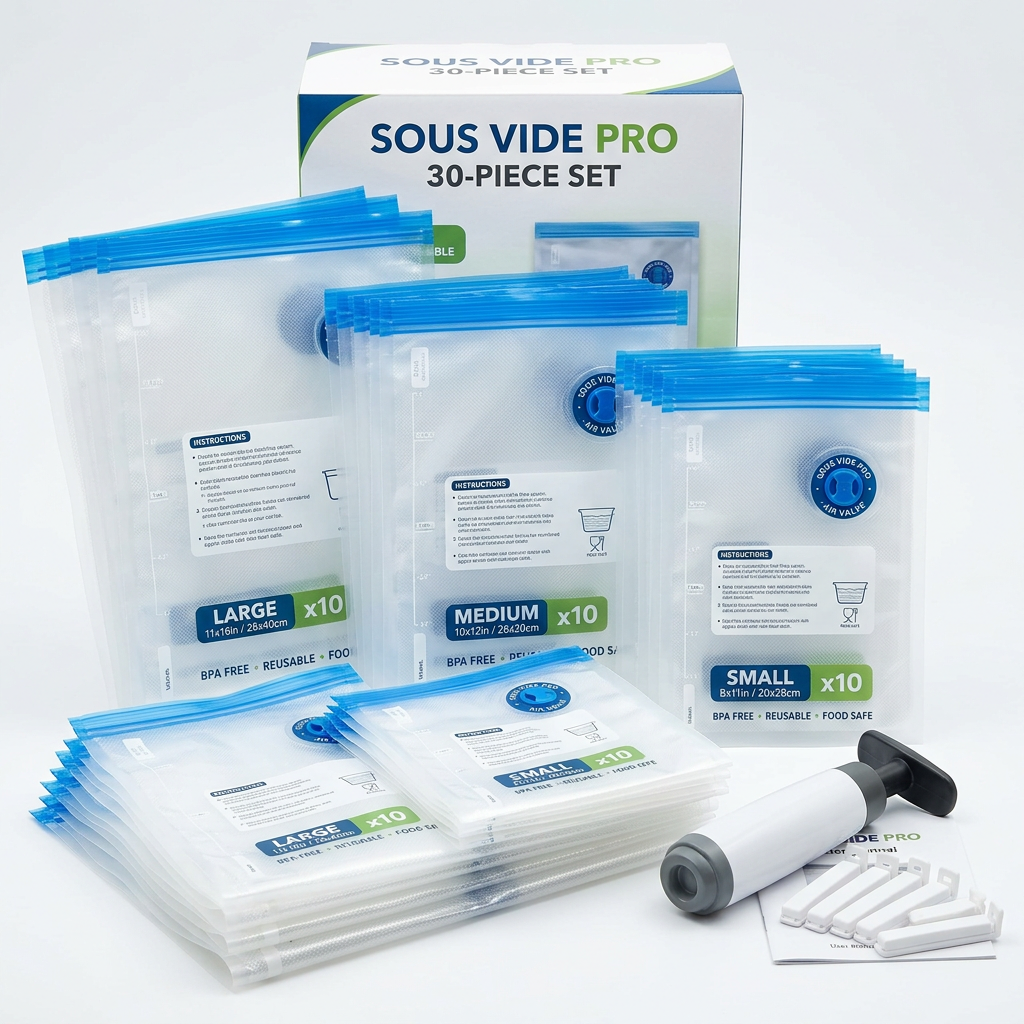
While you can use zip-top bags, purpose-made sous vide bags or reusable silicone bags are highly recommended, as they are designed to withstand the cooking process. Additionally, clips can help secure the bags to the side of the container, preventing them from floating.
Preparing Food for Sous Vide
Once you're equipped for sous vide cooking, it’s time to prepare your food. Proper preparation is key to achieving the best results, so let’s walk through it step by step.
Choosing Ingredients
The quality of your ingredients will significantly impact the final outcome. When selecting proteins, opt for high-quality cuts of meat, fish, or poultry. Fresh, in-season vegetables should be your go-to for sous vide vegetable dishes. Don’t forget to consider seasonal herbs and spices for flavor layering.
Prepping Your Food
Common Mistakes to Avoid
While sous vide is a forgiving cooking method, certain pitfalls can affect your results:
Cooking with Sous Vide
Now comes the most exciting part—cooking! Once your food is prepped and bagged, it’s time to place it in the water bath.
Setting Up Your Sous Vide
Cooking Times
Cooking times can vary greatly based on the ingredients and desired results. Here are some common proteins and recommended cooking times:
Ending the Sous Vide Cooking Process
Once your food is done cooking, remove the bags from the water bath. Be cautious—the bags can be hot. You’ll often want to sear or finish your dishes to add texture and flavor:
“Sous vide is about mastering automation. When you remove the stress of timing and temperature variation, you open up a world of culinary possibilities.”
Sous Vide Recipe Inspirations
To truly harness the power of sous vide cooking, let’s explore some delicious and approachable recipes. Each of these recipes highlights how sous vide can transform your everyday cooking.
Perfectly Cooked Steak
#### Ingredients
#### Instructions
Herb-Infused Vegetables
#### Ingredients
#### Instructions
Sous Vide Egg Bites
#### Ingredients
#### Instructions
Cleaning and Maintaining Sous Vide Equipment
Once you've finished cooking, taking care of your sous vide gear is essential for longevity and performance.
Cleaning Your Immersion Circulator
Caring for Vacuum Seal Bags
Container Maintenance
Troubleshooting Common Sous Vide Issues
Every cooking technique comes with its quirks, and sous vide is no exception. Here are common problems you might encounter, along with their solutions.
Floating Bags
If bags float to the surface, water won’t circulate properly, affecting cooking. Solutions include:
Overcooked Food
If your food feels overcooked, several factors could be at play:
Undercooked Protein
If meat seems undercooked after sous vide:
Conclusion
Sous vide cooking offers a pathway to culinary excellence marked by precision and flavor. This method not only simplifies the complexities of cooking but also ensures results that can rival those served in five-star restaurants. With the right equipment, techniques, and recipes, you can master sous vide and transform your home-cooked meals into extraordinary culinary experiences.
Through our journey together, we’ve explored the ins and outs of sous vide, from understanding the science behind it to learning how to prepare, cook, and maintain your equipment effectively. Embrace this method, experiment with flavors, and enjoy the consistently remarkable results that sous vide cooking can provide. Whether preparing a weekend dinner for family or hosting a special event for friends, sous vide will undoubtedly become your go-to technique for achieving perfectly cooked dishes every time.
By incorporating these principles into your cooking routine, you're not just preparing food—you're crafting masterpieces, one precise temperature at a time. Happy cooking!
Get the Next Recipe
Weekly recipes, techniques, and gear picks — straight to your inbox.
