
Sous Vide Mastery: Precision Cooking for Perfect Results Every Time
The kitchen is a sacred space for many, where culinary dreams are brought to life, treasured recipes are passed down through generations, and experimental dishes are born. Among all the methods of cooking, the sous vide technique stands out for its precision and consistency, transforming everyday food preparation into an art form. This cooking method, which translates from French as "under vacuum," allows chefs to cook food to the exact desired doneness while retaining moisture and flavor. It is no wonder that sous vide has gained popularity in restaurants and home kitchens alike. If you’ve ever struggled with overcooked steak or unevenly prepared vegetables, sous vide might just be the technique you never knew you needed.
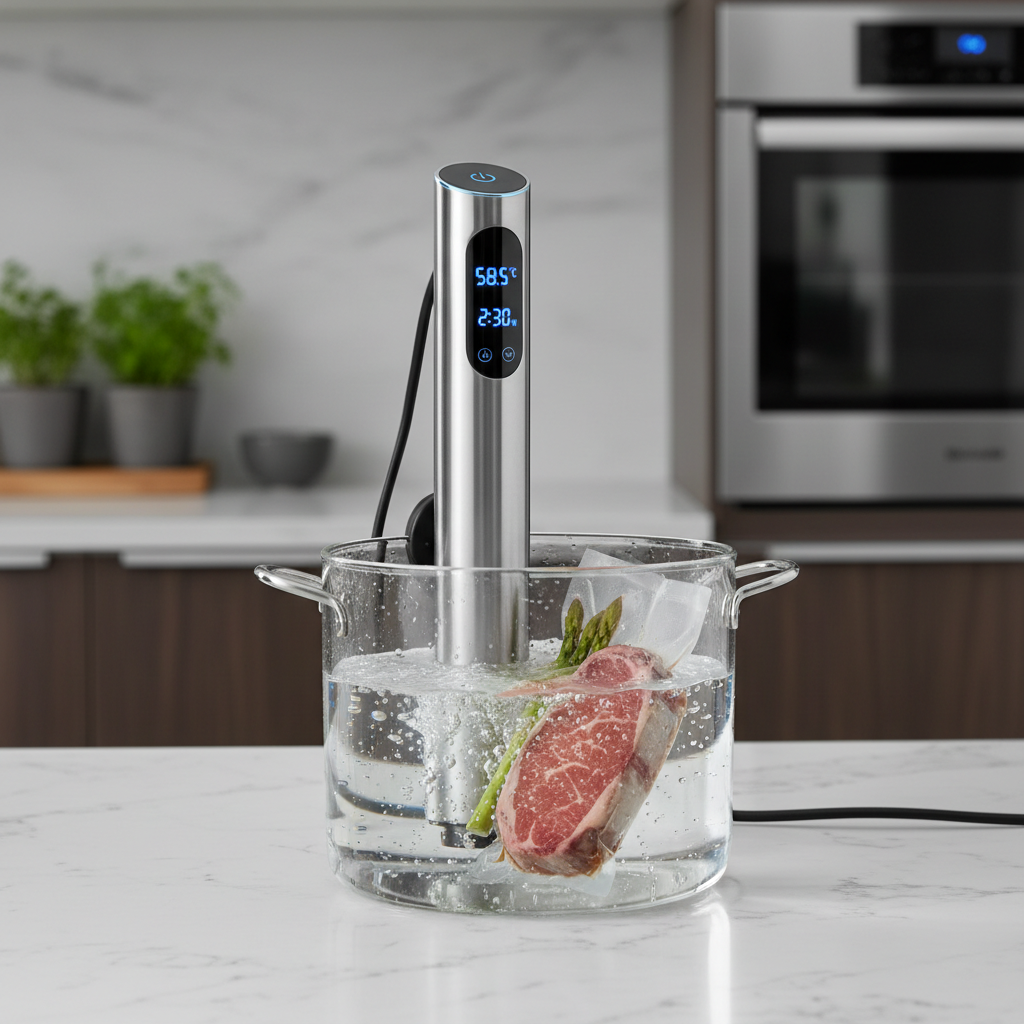
At its core, sous vide involves sealing food in a bag and submerging it in a temperature-controlled water bath. This method allows for even cooking and precise temperature control, enabling you to achieve perfect results every time, whether you're working with delicate fish or tough cuts of meat. The best part? Once the food is sous vide, you can store it until you're ready to finish it off with a quick sear or grill. This flexibility makes sous vide an ideal technique for busy weeknights or entertaining guests. So, grab your immersion circulator and let’s dive deep into mastering the art of sous vide cooking.
In this comprehensive guide, we will explore everything there is to know about sous vide cooking—from the basics of equipment and ingredients to advanced techniques and flavor pairings. Throughout this journey, I will share professional tips, common pitfalls to avoid, and interesting applications of sous vide that might inspire your next culinary adventure. Prepare to elevate your home cooking to a professional level, where precision meets creativity, ensuring that every dish you present is nothing short of spectacular.
Understanding Sous Vide
Sous vide cooking might seem complex, but at its heart, it’s a simple technique grounded in the principles of science and culinary precision. One of the key tenets of sous vide is the ability to accurately control temperature. This is crucial because different ingredients have varying optimal cooking temperatures that ensure texture and flavor are preserved. When meats are cooked at a much lower temperature for an extended period, they become incredibly tender as the connective tissues break down without the risk of overcooking—something traditional cooking methods often struggle to achieve.
How Sous Vide Works
Here’s a straightforward summary of how sous vide works:
With its simple yet effective approach to cooking, sous vide not only helps retain flavors but also enhances the overall dining experience. You'll find that ingredients cooked this way carry a depth of flavor and tenderness that other methods may miss out on.
The Science Behind Temperature Control
Temperature is the cornerstone of sous vide cooking. You can’t just pick any temperature—understanding the science behind food safety and doneness is crucial. Each type of protein or vegetable has its optimal cooking temperature. For instance, a chicken breast cooked to 140°F for 1.5 hours will be tender and juicy, while cooking it to a higher temperature will result in a dry piece of meat.
Here’s a quick reference for common ingredient temperatures:
- Rare: 125°F (52°C) for 1-2 hours
- Medium Rare: 130°F (54°C) for 1-4 hours
- Medium: 140°F (60°C) for 1-4 hours
- Tender Pork Loin: 140°F (60°C) for 1-4 hours
- Pulled Pork: 165°F (74°C) for 12-24 hours
- Breast: 140°F (60°C) for 1.5 hours
- Thigh: 165°F (74°C) for 1-4 hours
It is essential to have a reliable immersion circulator that maintains the water temperature consistently. A quality unit can make all the difference in achieving the desired results.
Essential Equipment for Sous Vide Cooking
To embark on your sous vide journey, you’ll need to equip yourself with the right tools. While the concept of sous vide may sound sophisticated, the fundamental equipment is quite accessible for home cooks.
Immersion Circulator
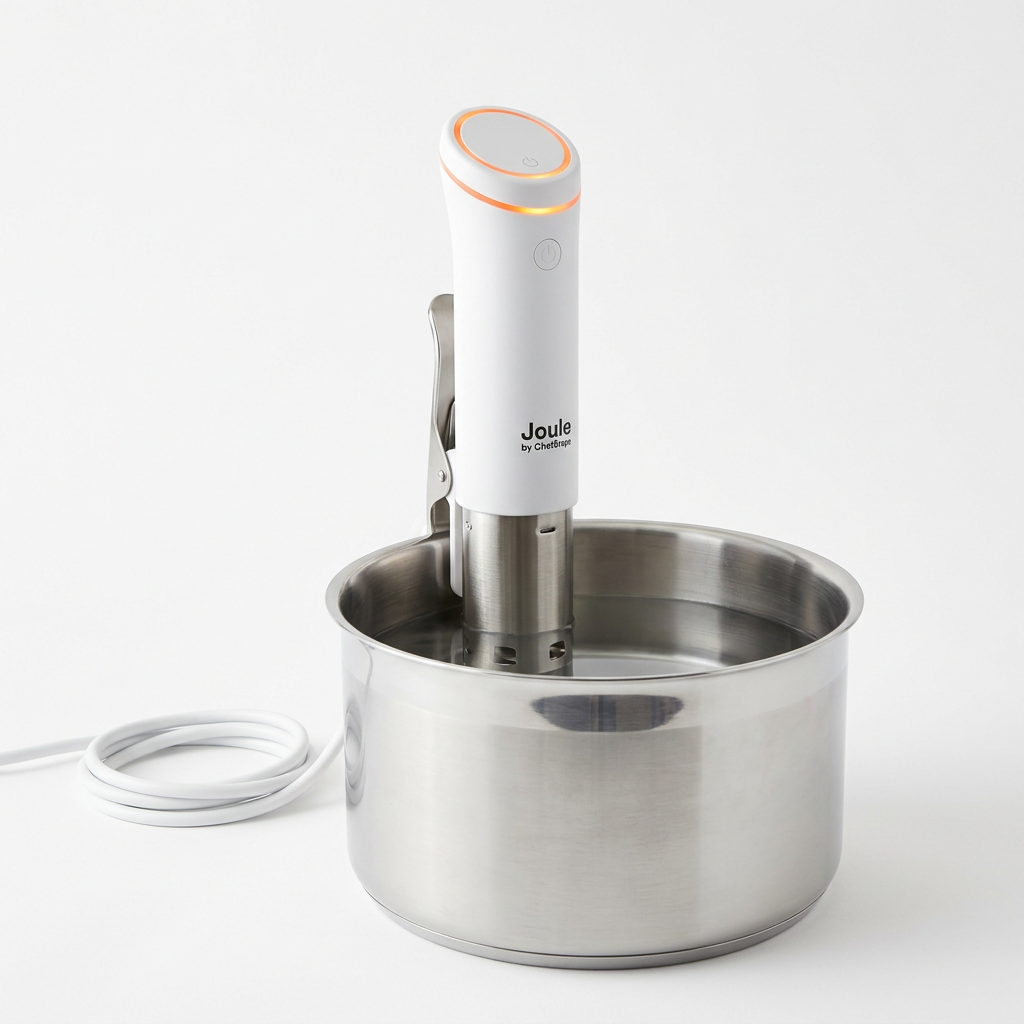
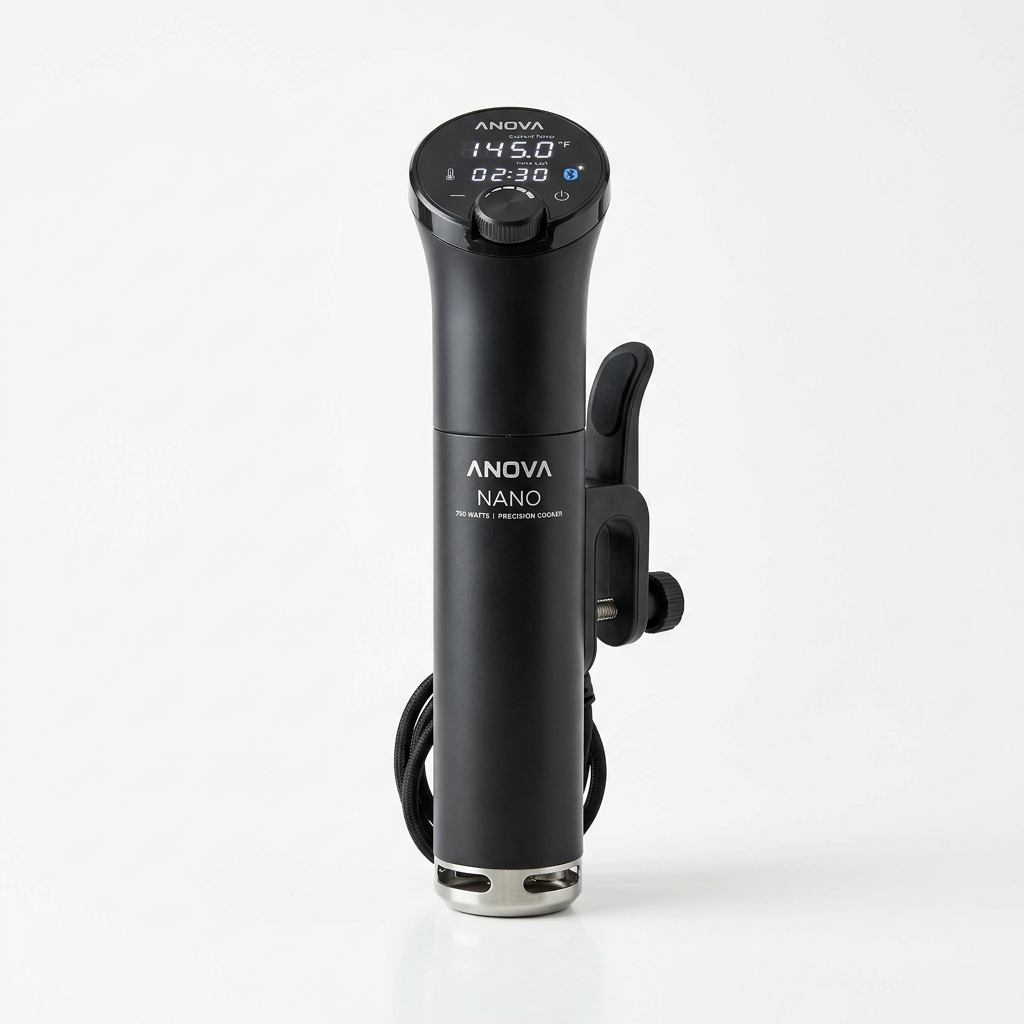
At the heart of the sous vide process is the immersion circulator, which heats the water and keeps it at a constant temperature. You'll want to look for model features like:
Vacuum Sealer
Vacuum sealing your food is a critical step in sous vide cooking. While you can use zip-top bags as a cheaper alternative, a vacuum sealer can provide a better seal, leading to improved cooking performance and flavor retention. You should look for:
Sous Vide Bags
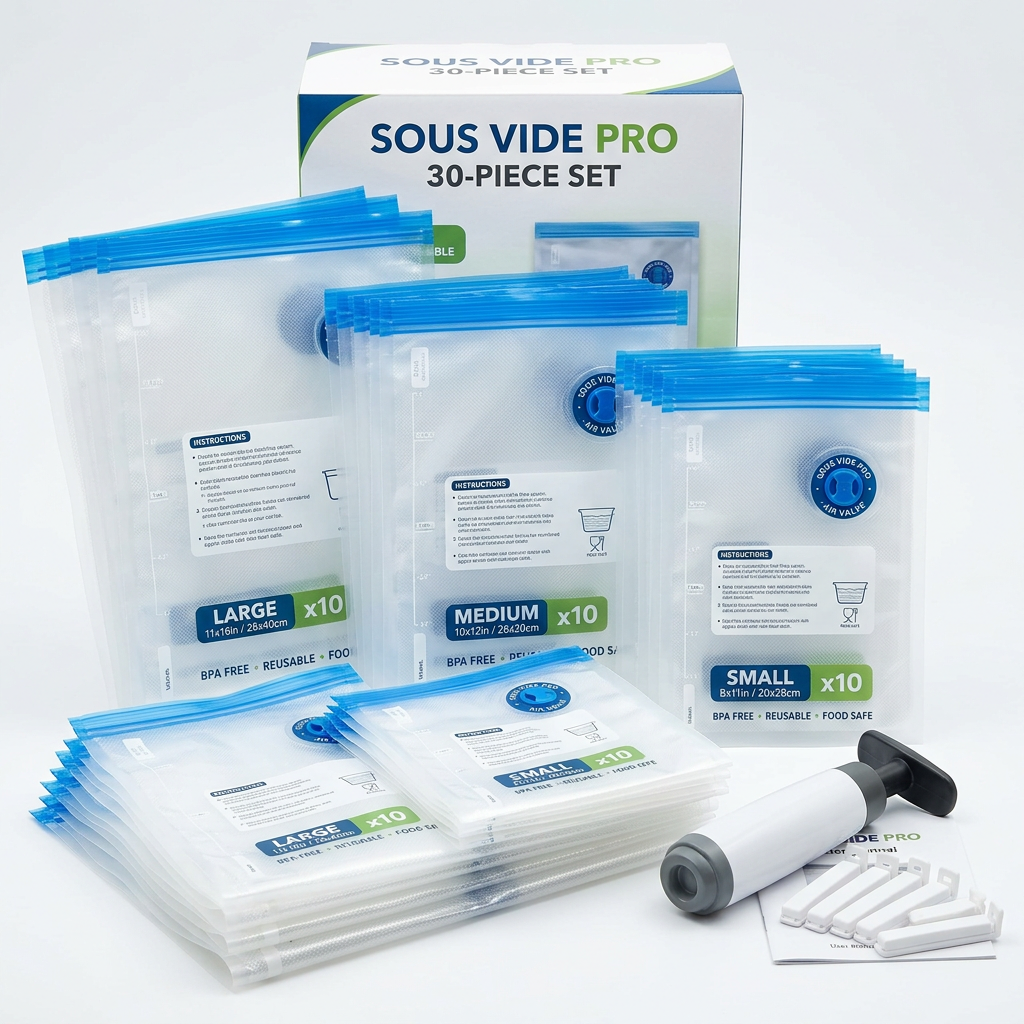
While some cooks swear by zip-top bags for sous vide, regular sous vide bags can enhance the cooking process. They are designed to withstand the heat of the water bath and avoid leaching harmful chemicals. When selecting bags, consider the following:
Container for Water Bath
You’ll need a container to hold the water and the food to be cooked. A large stock pot is fine, but for prolonged cooking, specialized sous vide containers that have marked measurements and come with lids can help reduce evaporation and maintain temperature.
Kitchen Scale
While not strictly necessary for sous vide, a kitchen scale is invaluable for measuring ingredients accurately. This ensures that the food and seasonings are balanced, which is particularly important in sous vide where the cook time and temperature are so precise.
"Sous vide is not just a cooking technique; it's a method to harness precision and elevate everyday ingredients into extraordinary dishes."
Preparing Ingredients for Sous Vide
Preparing your ingredients is a critical step to achieving great results with sous vide cooking. It’s important to understand that the way you treat the ingredients before the cooking process can influence the final flavor and texture.
Seasoning Your Food
Seasoning food for sous vide is different from traditional methods due to the absence of significant moisture loss during cooking. The key is to marinate or season appropriately. Here are some methods:
- A simple marinade recipe for chicken:
- 1/4 cup olive oil
- Juice of 1 lemon
- 2 cloves garlic, minced
- Salt and pepper to taste
Sealing Methods
Sealing techniques are crucial for capturing the steam and flavors inside the bags. The two primary methods are:
Cooking Times
Timing is everything in sous vide cooking. Not only must you hit the right temperature, but you must also know how long to cook your food:
Pro Tip: Always refer to a sous vide cooking reference chart or app for the best results and adjusted cooking times based on the thickness of your ingredient.
Cooking Techniques and Tips
Once you've prepared your ingredients, it's time to start cooking. The beauty of sous vide lies in its versatility and ease, enabling you to experiment with various techniques and flavors.
Finishing Techniques
Finishing techniques are what give your sous vide creations that restaurant-quality finish. After the sous vide cooking process, you may want to consider one of these methods:
Layering Flavors
With sous vide, you can layer flavors more intricately. Here are some ideas:
Troubleshooting Common Issues
Every cooking technique has its quirks, and sous vide is no exception. Here are some common issues you may encounter:
Recipe Inspirations
Now that you understand the fundamentals of sous vide cooking, it’s time to get into some delicious recipes to inspire your next cooking adventure. Each of these recipes is designed to be beginner-friendly while showcasing the precision and versatility of sous vide.
Sous Vide Steak
One of the most celebrated recipes in sous vide cooking is the perfect steak. Here’s how you can master it:
- 2 ribeye steaks (about 1.5 inches thick)
- Salt and pepper to taste
- 2 tablespoons of oil for searing
- Fresh thyme or rosemary (optional)
1. Season: Generously season the steaks with salt and pepper, and optionally add thyme or rosemary.
2. Seal: Place them in a vacuum-sealed bag, removing as much air as possible.
3. Cook: Set your immersion circulator to 130°F (54°C) for medium-rare and cook for 1-2 hours.
4. Sear: Once finished, remove from the bag and pat dry. Heat oil in a skillet over high heat and sear the steaks for 1-2 minutes per side until browned.
Sous Vide Vegetables
Delicious sous vide vegetables can be an easy complement to any dish.
- 1 lb asparagus, trimmed
- 2 tablespoons olive oil
- Salt and pepper to taste
1. Season: Place asparagus in a bag with olive oil, salt, and pepper.
2. Seal and Cook: Set immersion circulator to 185°F (85°C) and cook for 10-15 minutes.
3. Finish: Serve as a side, or toss it on the grill for added smoky flavor.
Sous Vide Pork Chops
Say goodbye to dry pork chops with this simple sous vide recipe:
- 2 pork chops (about 1 inch thick)
- 1 tablespoon Dijon mustard
- Garlic powder, salt, and pepper to taste
1. Season: Rub pork chops with mustard, garlic powder, salt, and pepper.
2. Seal: Place in a vacuum-sealed bag.
3. Cook: Set immersion circulator to 140°F (60°C) and cook for 1-4 hours.
4. Sear: Pat dry and sear in a hot pan for a couple of minutes on each side before serving.
"Sous vide cooking is about embracing precision to achieve dining experiences that you thought were reserved for high-end restaurants."
Sous Vide and Meal Prep
Sous vide cooking is not just about impressive dinner parties; it can also drastically simplify meal prep. You can batch cook various proteins and vegetables, storing them in the refrigerator for daily meals.
Meal Prep Basics
Reheating sous vide Meals
The beauty of sous vide meals is how they retain their quality upon reheating. To reheat:
Conclusion
Sous vide cooking is a revolutionary technique that allows home cooks to achieve the level of precision and quality once only found in high-end restaurants. With the meticulous control of temperature and time, you can transform ordinary ingredients into extraordinary meals, ensuring perfect tenderness and flavor in every dish. The knowledge you gain about temperature science, equipment selection, and finishing techniques will empower you to take ownership of your kitchen and explore cooking in entirely new ways.
As you incorporate sous vide into your cooking repertoire, remember the importance of patience and consistent practice. The world of sous vide is vast and versatile—don’t hesitate to experiment with different ingredients, flavors, and cooking times to find what works best for you. Whether you’re meal prepping for the week or impressing your friends at a dinner party, this technique will surely deliver stunning results.
In mastering sous vide cooking, you not only elevate your skills but also deepen your appreciation for the culinary arts. So go ahead, dive into your next sous vide adventure, and enjoy the thrill of precision cooking that guarantees perfect results every time! Happy cooking! (2001 words)
Get the Next Recipe
Weekly recipes, techniques, and gear picks — straight to your inbox.
