Sous Vide Mastery: Precision Cooking for Restaurant-Quality Results at Home
Sous vide cooking has rapidly evolved from a gourmet technique confined to upscale restaurants to a beloved method for home chefs looking to achieve restaurant-quality results without a steep learning curve. At its core, sous vide allows you to cook food to perfection by immersing it in a water bath at a precise temperature for an extended period. This method enhances the flavors and textures of ingredients, creating dishes that tantalize the palate. Whether you’re looking to achieve a perfect medium-rare steak or tender, flaky fish, sous vide offers unparalleled control over your cooking, setting the stage for culinary success.
One of the key attractions of sous vide is its precision. Unlike traditional cooking methods that often lead to overcooked or unevenly cooked dishes, sous vide ensures that your food reaches the desired doneness throughout. The process locks in moisture and flavors, resulting in dishes that are succulent and brimming with taste. Moreover, the ability to infuse flavors directly into the food through marinades or seasonings before sealing introduces a depth of flavor that amplifies the final dish.
In addition to being precise, sous vide cooking is remarkably forgiving. Once you’ve set your water bath to the desired temperature, you can walk away, multitask, and attend to other cooking elements, knowing that your sous vide meal is virtually foolproof. This flexibility makes it an ideal technique for busy home cooks looking to experiment with high-end gastronomy while maintaining control over their kitchen time. Throughout this post, we will explore the fundamental concepts, techniques, equipment, and tips you need to master sous vide cooking at home.
Understanding Sous Vide Cooking
Sous vide, which means “under vacuum” in French, involves vacuum-sealing food in a plastic bag and immersing it in a water bath set to a specific temperature. This process eliminates thermal gradients, allowing heat to distribute evenly around the food.
The Science Behind Sous Vide
At the heart of sous vide is the concept of thermal conductivity. Water is an efficient conductor of heat, ensuring that food reaches a consistent temperature throughout. When cooked sous vide, the food rises to the temperature of the water but not above it, minimizing the risk of overcooking.
"Sous vide cooking is the science of maintaining temperature precision, which leads to exceptional flavors and textures."
Moreover, cooking at lower temperatures for longer times breaks down collagen in tougher cuts of meat, transforming them into succulent, tender bites without drying them out. The secrets lie in selecting the right temperature and timing; for example, cooking beef at 130°F for 48 hours can yield a buttery, mouth-watering steak, while cooking at 140°F for just a few hours might produce a firmer texture.
Key Benefits of Sous Vide Technique
There are several reasons to incorporate sous vide into your culinary repertoire:
Essential Equipment for Sous Vide Cooking
While sous vide cooking shines in its ease and effectiveness, having the correct equipment is crucial to mastering this technique. Here’s a rundown of the essential tools you’ll need.
Water Bath and Immersion Circulator
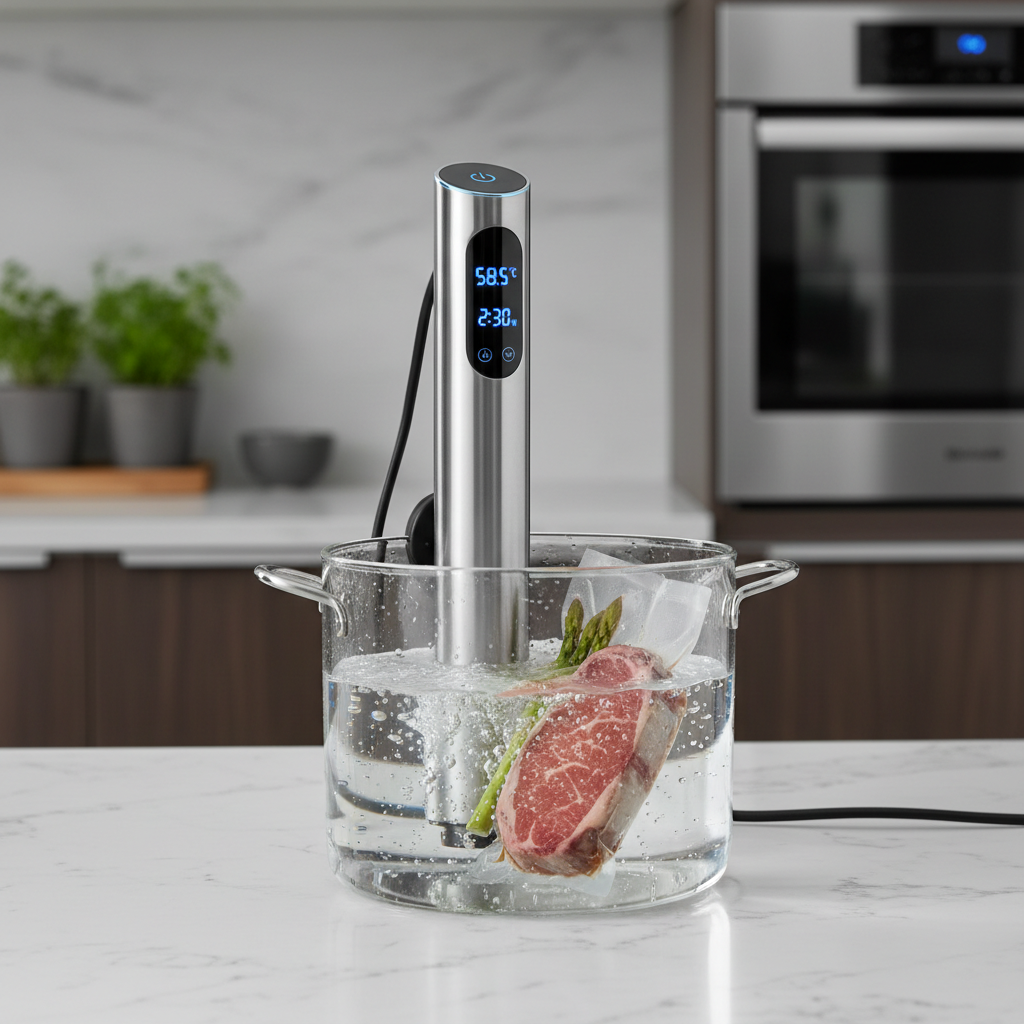
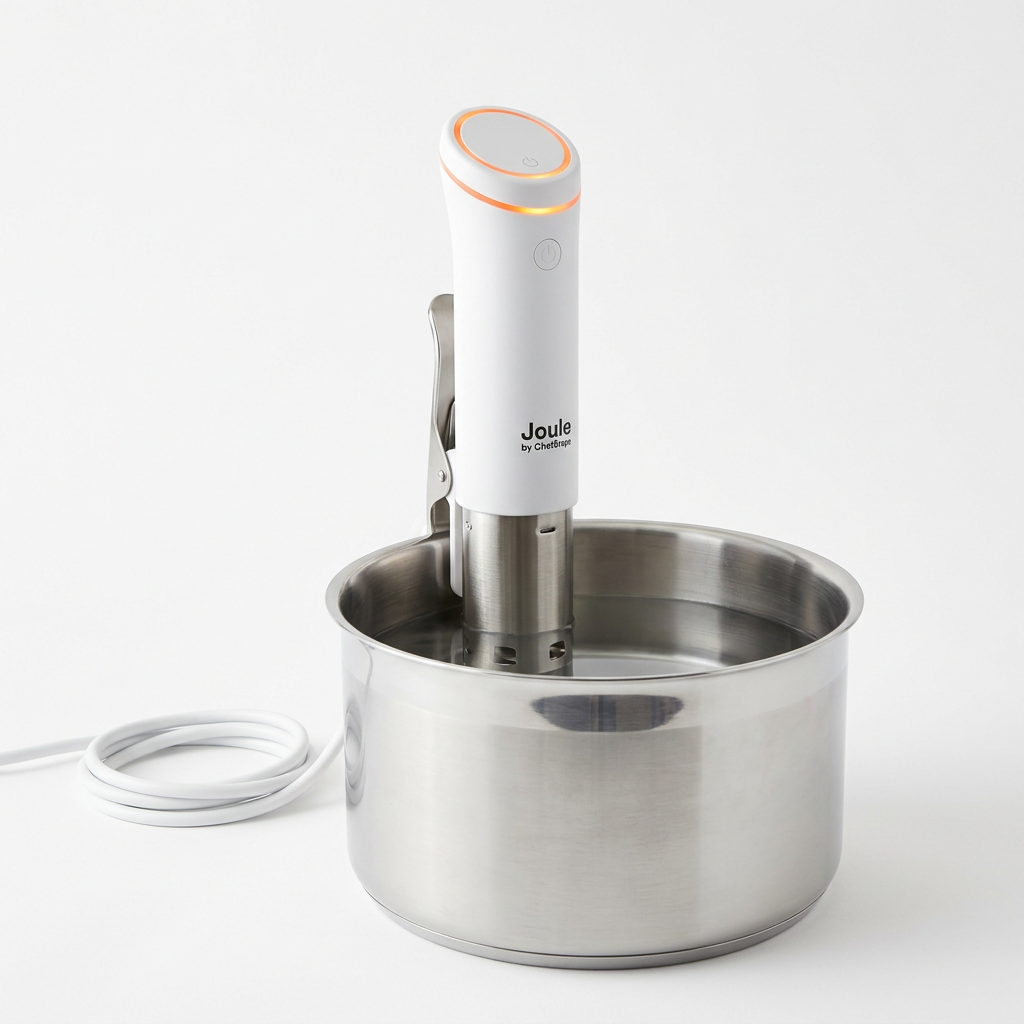
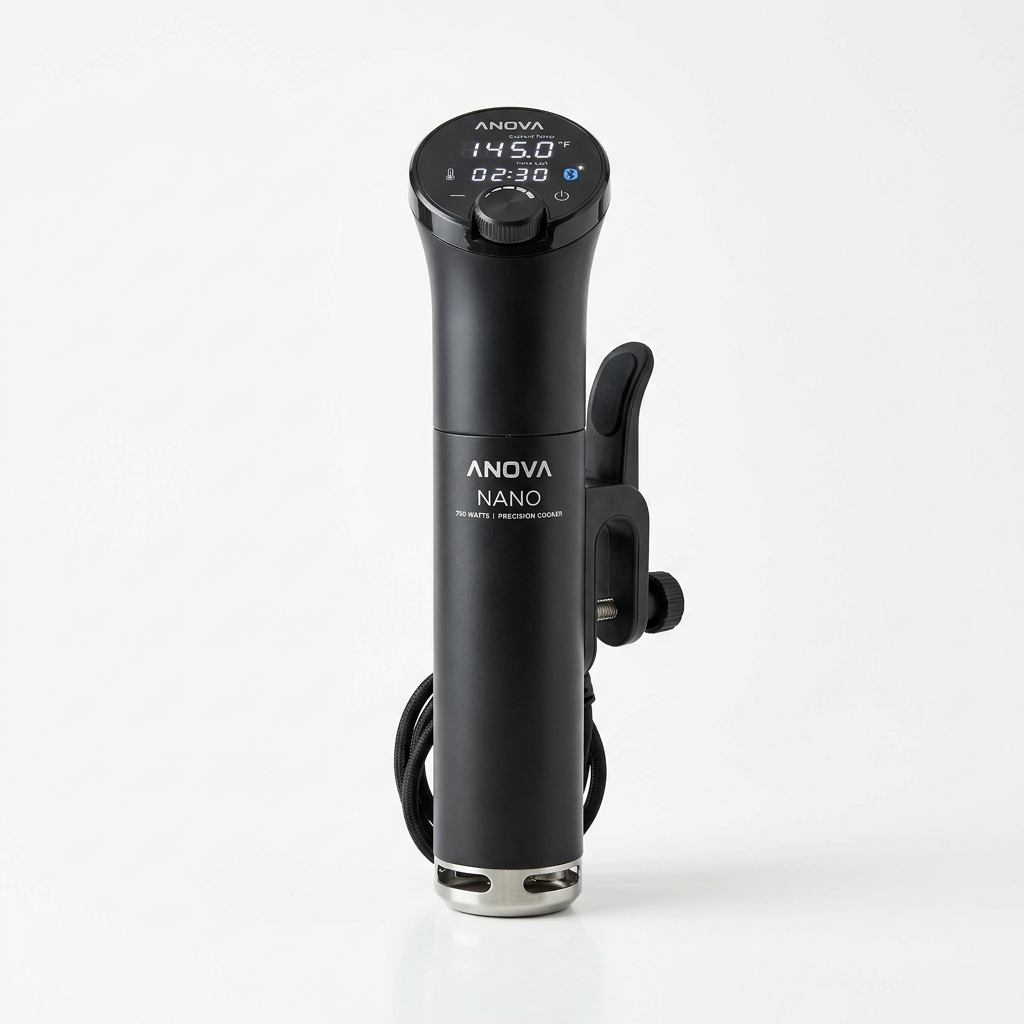
The heart of sous vide cooking is the immersion circulator. This gadget heats the water and maintains the desired temperature throughout the cooking process. When choosing a circulator, look for:
Some popular immersion circulators include the Anova Culinary Precision Cooker and the Joule by ChefSteps. Both are user-friendly and highly recommended by culinary professionals.
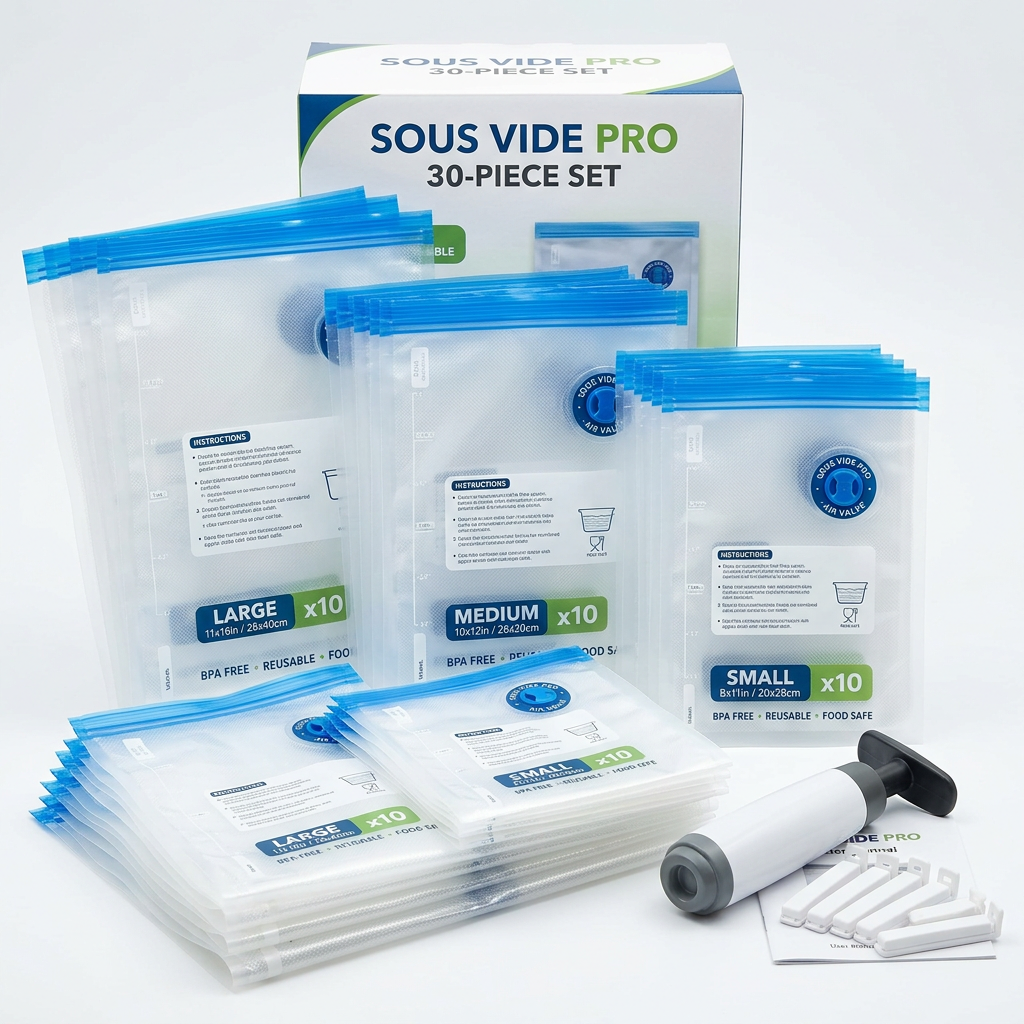
Vacuum Sealer
A vacuum sealer is another pivotal piece of equipment. It removes air from bags, creating a tight seal that keeps foods submerged and prevents freezer burn.
Water Containers and Bins
While capable circulators can manage various volumes, choosing the correct container is essential for effective heat distribution:
Optional Yet Helpful Accessories
Beyond the essentials, consider adding these accessories:
Mastering Sous Vide Techniques
Understanding the foundational techniques of sous vide cooking will enable you to explore its full potential. It's essential to know how to prepare food, set the temperature, and manage timing effectively.
Preparing Foods for Sous Vide
The first step is selecting quality ingredients. Proper preparation also enhances the cooking process:
- Ribeye steak for its luxurious marbling.
- Salmon for its delicate, fatty texture.
- Use fresh herbs like thyme or rosemary for a fragrant touch.
- Consider adding aromatics such as garlic or shallots.
“Greater flavor is achieved when you season before sealing, allowing the food to marinate and infuse during cooking.”
Setting the Temperature and Time
Determining your sous vide temperature and timing is critical. Here’s a basic guide for common proteins:
- Temperature: 140°F
- Time: 1.5 to 3 hours
- Temperature: 145°F
- Time: 1 to 2 hours
- Temperature: 130°F
- Time: 1 to 4 hours
- Temperature: 125°F
- Time: 45 minutes to 1 hour
Finishing Techniques
After cooking sous vide, your food often requires a finishing technique to develop colors and textural contrasts:
"No sous vide dish is complete without a finishing touch, be it a quick sear or a smoky grill, to elevate your dish visually and texturally."
Common Mistakes and How to Avoid Them
When adopting a new culinary technique, mistakes are common. Understanding these pitfalls can help ensure your sous vide cooking is successful from the start.
Overcrowding the Water Bath
One major pitfall is overcrowding your water bath. Here’s how to avoid it:
Incorrect Timing and Temperature
Choosing the wrong temperature or timing may lead to suboptimal results. Always keep these guidelines in mind:
Forgetting to Chill
If you plan to store cooked sous vide food, make sure to chill it properly. Here’s how:
Recipes to Elevate Your Sous Vide Skills
Exploring recipes is one of the best ways to embrace and enhance your sous vide skills. Here are a few standout dishes to try.
Sous Vide Steak
A classic application of sous vide is cooking steak. Here’s how to do it perfectly every time.
- 1 ribeye steak
- Salt and pepper
- Fresh thyme sprigs
- Season the steak generously with salt and pepper.
- Place in a vacuum bag with thyme. Seal the bag.
- Preheat your immersion circulator to 130°F.
- Cook for 2 hours.
- Remove the steak, pat dry with paper towels.
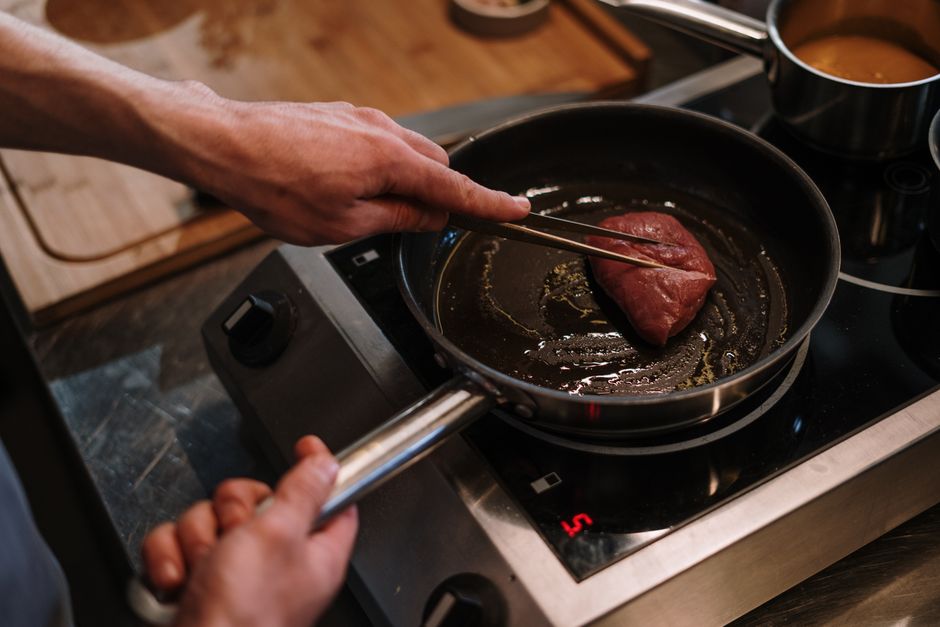
- Sear in a hot skillet with oil for 1-2 minutes on each side.
- Rest for a few minutes before slicing.
Sous Vide Carrots
A perfect side dish that retains nutrients and color.
- 1 pound of carrots, peeled
- 1 tablespoon of butter
- Salt and pepper
- Cut the carrots into uniform pieces.
- Season and place in a vacuum bag with butter. Seal.
- Set the circulator to 183°F.
- Cook for 1 hour.
- Quickly sauté in the same skillet used for the steak for extra caramelization.
Sous Vide Egg Bites
Perfect for breakfast or snacks, these egg bites are creamy and flavorful.
- 4 large eggs
- ½ cup of cottage cheese
- Salt and pepper
- Chopped vegetables or herbs of choice
- Blend eggs, cottage cheese, salt, and pepper until smooth.
- Pour the mixture into small jars with a sprinkle of vegetables/herbs on top.
- Set circulator to 172°F.
- Cook for 1 hour.
- Allow to cool slightly before consuming, or refrigerate for later.
Troubleshooting and FAQs
Even with sous vide's tremendous precision, challenges can arise. Here are some common issues and solutions.
Why is My Food Not Cooking Properly?
If you suspect that your food isn't cooking correctly, consider the following:
Can I Cook Frozen Food Sous Vide?
Absolutely! Cooking from frozen is effective and doesn’t require thawing. Simply increase the cooking time by around 30 minutes or more, depending on the thickness of the food.
How Do I Clean My Sous Vide Equipment?
Cleaning is straightforward with sous vide. Wipe down your immersion circulator with a damp cloth and ensure that your container is free from any residue.
Conclusion
Sous vide cooking unlocks a world of culinary possibilities, allowing home chefs to achieve restaurant-quality meals with ease and precision. By mastering the fundamental techniques, investing in the right equipment, and understanding the nuances of timing and temperature, you can elevate your culinary skills and delight your family and friends with extraordinary dishes.
Remember that cooking is as much an art as it is a science. Be patient and experiment with different flavors, ingredients, and cooking times to discover what works best for your palate. As you grow more comfortable with sous vide techniques, you’ll find new ways to incorporate them into your everyday cooking, turning even the simplest meals into extraordinary dining experiences.
Whether you’re whipping up a gourmet dinner or meal prepping for the week, sous vide empowers you to control every aspect of your cooking, ensuring exceptional flavor and tender textures with every bite. With this newfound technique under your belt, you’ll never look at home cooking the same way again. Now, it’s time to roll up your sleeves, set your circulator, and make culinary magic happen!
Total word count: 2,056 words.
Get the Next Recipe
Weekly recipes, techniques, and gear picks — straight to your inbox.
