
Sous Vide Mastery: Precision Cooking That Transforms Your Kitchen
The kitchen has long been viewed as a place of intuition, a space where the rhythm of the blade against a cutting board and the sizzle of butter in a pan dictate the success of a meal. For decades, home cooks were taught that greatness in the kitchen was an elusive quality, reserved for those with a "feel" for the flame. Yet, the advent of precision temperature control has shifted the paradigm entirely, turning guesswork into a systematic science. Sous vide, a technique once whispered about in the hallowed halls of Michelin-starred establishments, has finally found its way into the home kitchen, democratizing the art of the perfect medium-rare steak and the impossibly tender short rib.
At its core, sous vide—which translates literally to "under vacuum"—is not just a trend; it is a fundamental rethinking of how we apply thermal energy to proteins, vegetables, and even desserts. By sealing food in airtight pouches and submerging them in a precisely controlled water bath, we eliminate the aggressive, uneven heat of a traditional stove or oven. The result is a level of consistency that is physically impossible to achieve through conventional roasting or searing methods. As we peel back the layers of this technique, you will discover that mastering the water bath is less about technical complication and more about embracing a new philosophy of patience and precision.
Stepping into the world of sous vide is an invitation to elevate your culinary repertoire from "good enough" to "consistently professional." It requires a shift in mindset: instead of watching a clock and poking a piece of meat to gauge its doneness, you trust in the equilibrium of the water bath. Whether you are a weekend warrior looking to impress dinner guests or a dedicated home cook seeking to perfect the elusive textures of fine dining, the following guide will serve as your blueprint. We are going to explore the mechanics of the machine, the science behind the temperatures, and the art of the finishing sear that brings it all together. Welcome to a new era of cooking, where the results are as predictable as they are spectacular.
The Mechanics of Sous Vide: Understanding the Science
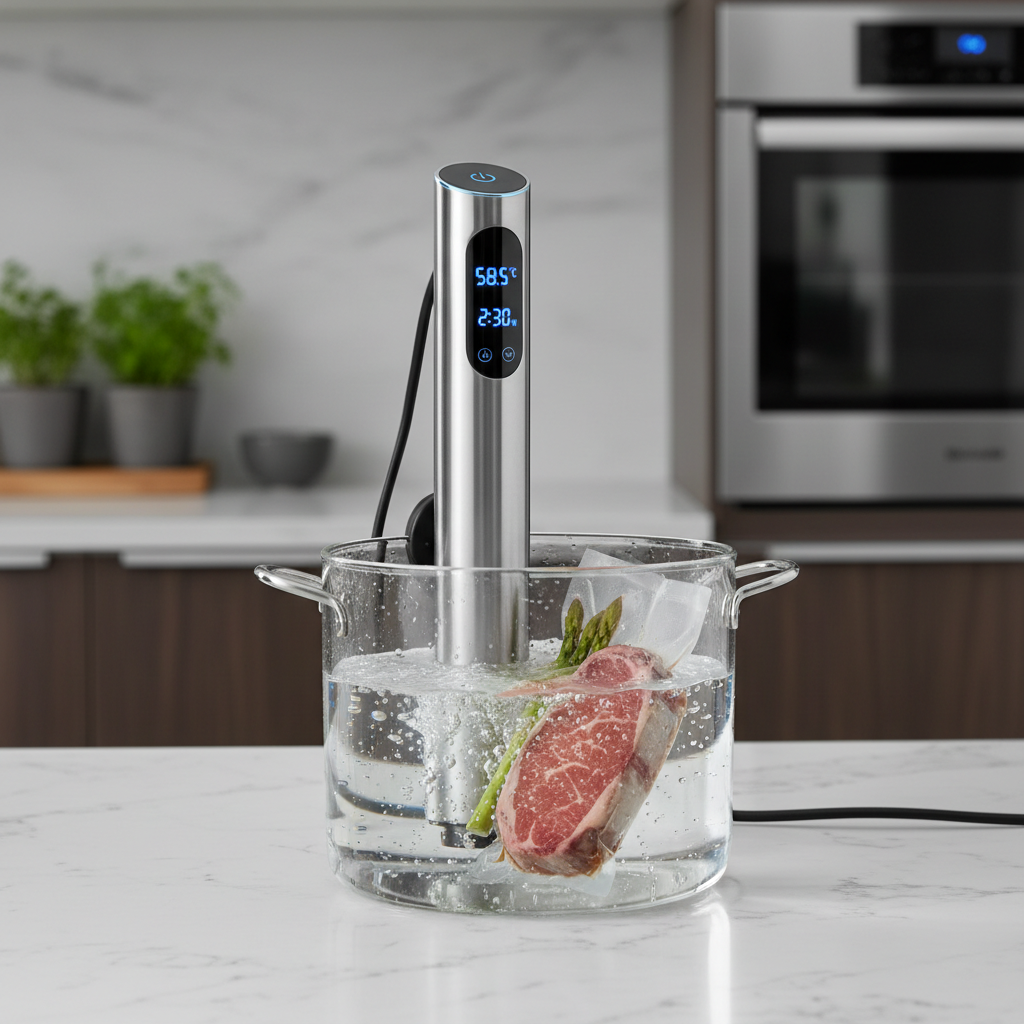
To master sous vide, one must first respect the physics of heat transfer. Unlike the intense, drying heat of a convection oven, which relies on ambient air to cook the surface of a product, water is a significantly more efficient medium for thermal conductivity. When you set your immersion circulator to a specific degree, you are creating a thermal envelope that prevents your food from ever exceeding that temperature. This is the "magic" of sous vide; it is physically impossible to overcook a steak if the water bath is set to 130 degrees Fahrenheit, even if you leave it in for an extra hour.
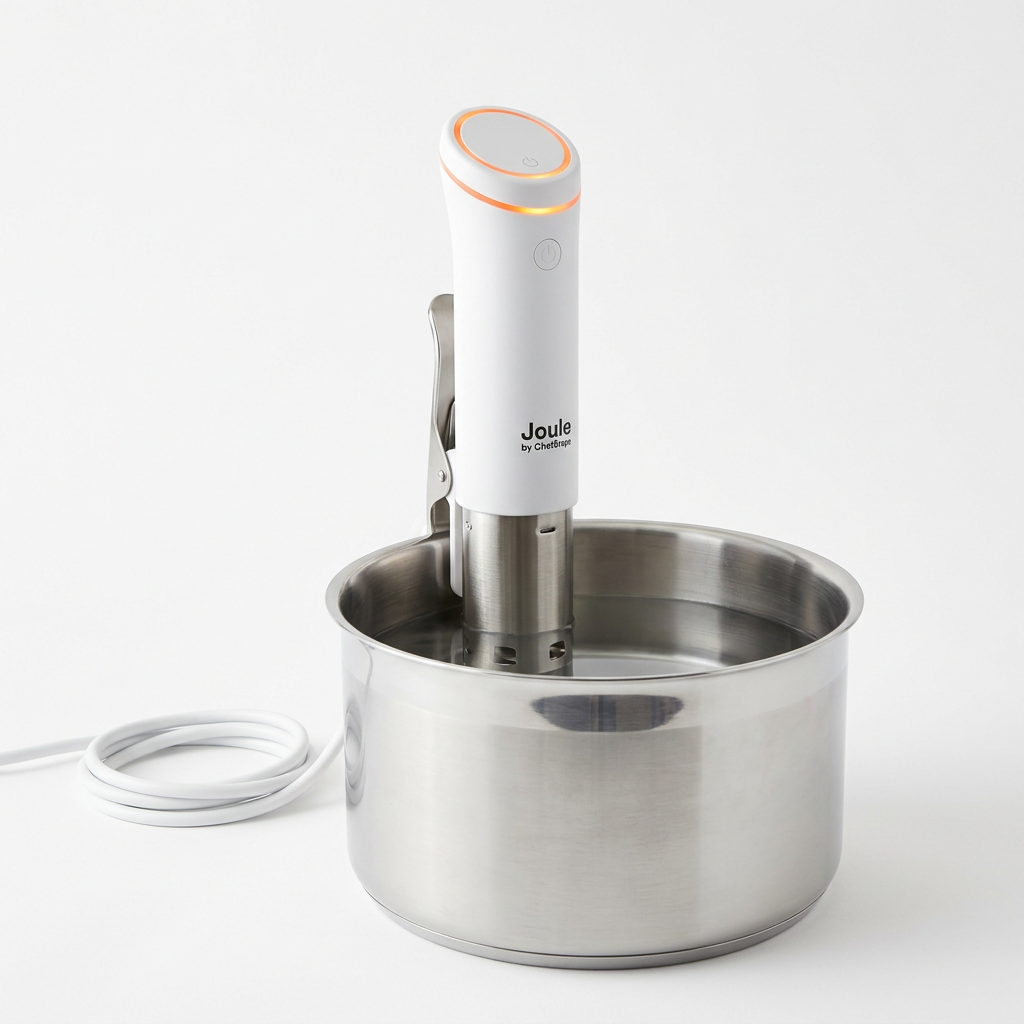
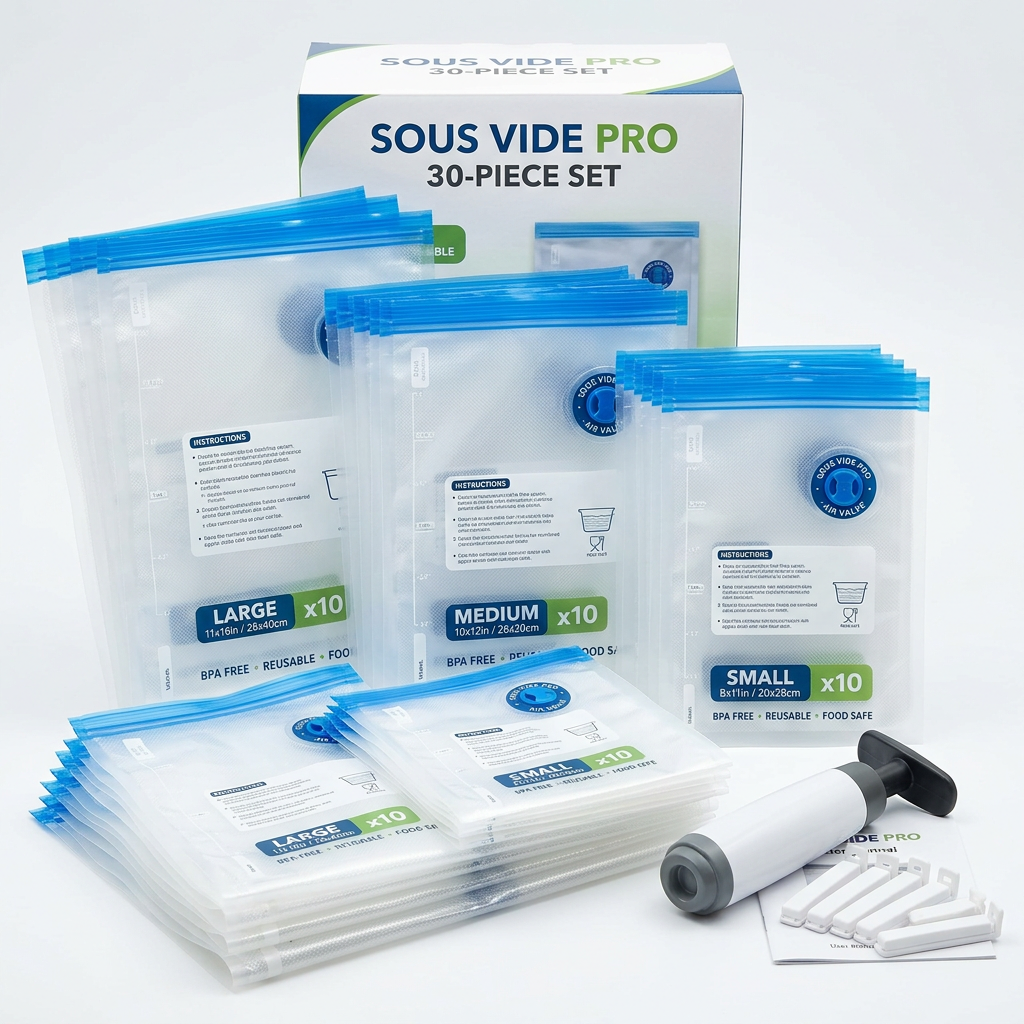
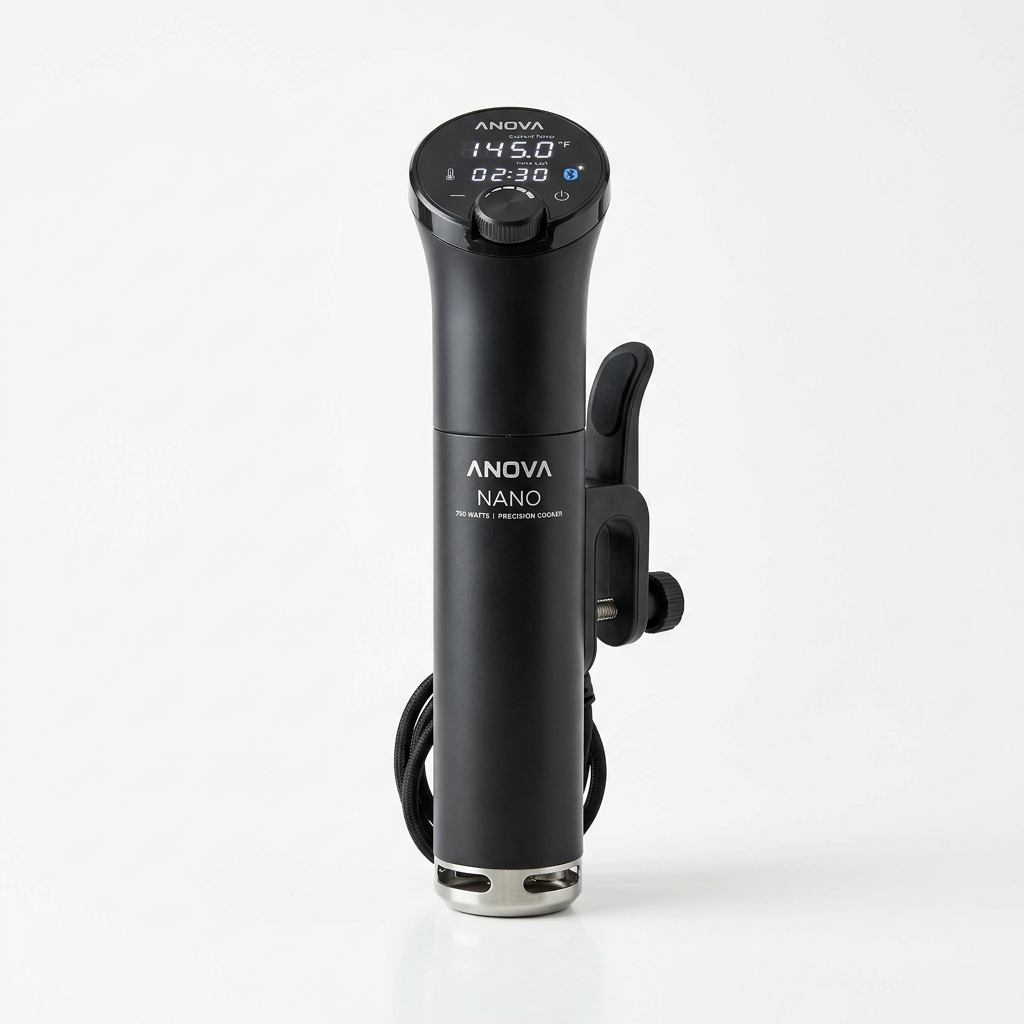
The equipment itself is surprisingly humble. Most home setups consist of a precision immersion circulator, a deep container for water, and a way to remove air from the cooking vessel. You don't necessarily need a fancy chamber vacuum sealer to get started; standard freezer-grade ziplock bags utilizing the "water displacement method" are perfectly adequate for most tasks. The goal is to remove as much air as possible to ensure full surface contact between the bag and the water, allowing for an even distribution of heat across the entire surface of the protein.
When you remove the variable of time—or rather, when you redefine its importance—you open up doors to textures that were previously inaccessible. Meat fibers consist of muscle proteins and collagen. Traditional methods of cooking, like braising, require hours of intense heat to break down collagen into gelatin. With sous vide, we can hold a piece of protein at a precise, lower temperature for an extended period, allowing enzymes to gently break down connective tissue without ever drying out the muscle fibers. This is the difference between a dry, stringy pot roast and a succulent, butter-like short rib that holds its shape.
"The beauty of sous vide is that it allows the cook to focus on the preparation and the plate, rather than the panic of the searing pan. It is, quite simply, the ultimate tool for stress-free precision."
Temperature Calibration and Safety
Understanding the relationship between time and temperature is the most critical aspect of this craft. For instance, cooking a steak at 130°F results in a perfect edge-to-edge medium-rare. However, if you are cooking a piece of pork loin, you might prefer 140°F for a slightly more traditional, succulent finish. It is vital to note that food safety guidelines state that holding food between 40°F and 140°F for extended periods can allow bacteria to flourish. Therefore, when cooking for longer than four hours, it is best to stay above the 130°F threshold to ensure safety.
The Water Displacement Method
For those just beginning, don't rush to buy a vacuum sealer. The water displacement method is an elegant, professional hack. Place your food in a high-quality, BPA-free bag, seal all but one corner, and slowly lower the bag into the water. The pressure of the water will push the air out through the open corner. Once you reach the zip-lock seam, seal it completely. This achieves a near-vacuum environment that is more than sufficient for the vast majority of your cooking needs.
Mastering Proteins: The Art of the Perfect Sear
When we discuss proteins in the context of sous vide, we are really discussing two distinct stages: the thermal bath and the Maillard reaction. The water bath handles the internal temperature, but it lacks the heat necessary to create the complex, nutty flavors that come from browning. This is where the kitchen torch, the cast-iron skillet, or the charcoal grill comes into play. Once your protein is removed from the bag, it is essential to pat the surface bone-dry with paper towels. Any moisture on the surface will create steam, which prevents the crust from developing properly.
The searing process should be quick and intense. Whether you are using a high-smoke-point oil like grapeseed or avocado oil in a screaming-hot cast-iron pan, or finishing your meat over a chimney starter of charcoal, the goal is to add color and texture in under 60 seconds per side. If you spend too much time searing, you will introduce a grey band of overcooked meat underneath the crust, which defeats the purpose of the sous vide process entirely. Think of the sear not as a cooking step, but as a finishing touch, much like seasoning with salt.
Consistency is the hallmark of the professional. By learning how different cuts react to the bath, you can build a personal catalog of "favorites." A ribeye, for instance, thrives at 131°F for two hours, yielding a texture that is impossibly tender while retaining the distinct bite of a quality steak. Conversely, a tougher cut like a brisket can be cooked for 48 hours at 145°F, transforming it into something that cuts like butter but retains the integrity of a premium roast. The ability to control these outcomes is what will elevate your home cooking to a level that your dinner guests will struggle to believe came from your kitchen.
Timing Tables for Beef
Rare (120°F - 125°F):* 1-2 hours depending on thickness.
Medium-Rare (130°F - 134°F):* 1-3 hours.
Medium (135°F - 144°F):* 1-3 hours.
The Secret of Surface Dryness
Never underestimate the power of the paper towel. I often see home cooks skip this step, leading to limp, unappealing crusts. Take your time. Place the protein on a wire rack and let it air dry for a few minutes before applying high heat. For even better results, refrigerate the bagged protein for 15 minutes after the bath to chill the exterior slightly; this allows you to sear for longer without heating the center, resulting in a deeper, crunchier crust.
Vegetable Perfection: Rethinking Texture
Vegetables are the unsung heroes of the sous vide world. In traditional cooking, we often boil or steam our vegetables, which inevitably leads to a loss of nutrients, vibrant color, and texture. Because we often cook vegetables at higher temperatures than meat—usually between 183°F and 190°F—the structure of the vegetable fibers softens evenly without becoming mushy or waterlogged. When you cook carrots or asparagus sous vide, they retain their structure and color, but possess an intense, concentrated sweetness that is rarely achieved by other means.
The trick with vegetables is to add a small amount of fat and seasoning directly into the bag. A knob of butter, a pinch of sea salt, and a sprig of fresh thyme can transform a standard bundle of carrots into a bistro-quality side dish. The fat helps to distribute the salt and flavor compounds across the surface of the vegetable while it cooks in the water bath. Because the vegetables are sealed, none of that precious flavor escapes into the cooking liquid; it remains trapped in the bag, infusing every bite with maximum intensity.
Furthermore, sous vide vegetables are remarkably versatile for meal prep. You can cook a large batch of potatoes or root vegetables ahead of time and leave them in their vacuum-sealed bags in the refrigerator for several days. When you are ready to serve, simply pull them out, give them a quick sear in a pan with some brown butter, and they are ready to go. This level of organization is how professional chefs maintain their composure during a busy dinner service, and it is a trick you should absolutely steal for your own kitchen.
"Vegetables cooked sous vide are a revelation. You realize that you weren't avoiding eating your greens because of the taste, but because of the texture. Once you experience a perfectly tender, vibrant snap-pea or carrot, you will never boil them again."
Advanced Techniques: Infusions and Aromatics
One of the most overlooked aspects of sous vide is the ability to use the bag as a pressurized infusion chamber. Because the environment is sealed, you can use aromatic compounds—citrus zests, fresh herbs, whole spices—with incredible efficiency. When you cook an oil or a spirit infusion using a traditional method, the volatile aromatics often evaporate into the air. In a vacuum-sealed bag, those oils have nowhere to go but into the protein or the liquid you are working with.
Consider a simple garlic-infused oil. By putting raw garlic, high-quality olive oil, and some rosemary into a bag and cooking it at 140°F for two hours, you create a depth of flavor that would take weeks to develop in a pantry jar. This technique works wonders for marinades as well. Since the vacuum pressure forces the liquid into the tissue of the meat, a 30-minute sous vide "marination" can be as effective as a 24-hour soak in a conventional bowl.
For the adventurous cook, this extends to desserts as well. Infusing cream or milk for custards, crème brûlée, or even homemade ice cream bases is a game-changer. You can place your dairy, sugar, and vanilla bean in a bag, hold it at 170°F for an hour, and result in a base that is perfectly tempered and deeply infused with flavor. It is a clean, efficient, and deeply satisfying way to work with delicate ingredients that might otherwise scramble or burn on a direct flame.
Creating Signature Infusions
Troubleshooting the Common Hurdles
Even with the precision of a machine, things can occasionally go wrong. The most common complaint among beginners is that the texture of their meat is "mushy." This is almost always a result of overcooking, specifically with proteolytic enzymes. Some fruits—like pineapple, kiwi, or papaya—and certain types of fish can turn to a puree if cooked too long because these foods contain enzymes that break down proteins at a rapid rate. The solution is simple: cook these items for shorter periods or blanch the fruit first to denature the enzymes.
Another frequent challenge is the "floaters." When cooking dense vegetables like potatoes or beets, air pockets can form inside the bag or the produce itself, causing the bag to bob at the surface of the water. If your bag isn't fully submerged, the food will cook unevenly. To fix this, keep a small, food-safe clip or a heavy stainless steel spoon in the bag to act as a weight. Ensuring your produce is fully submerged is the only way to guarantee the consistent, edge-to-edge cooking you are striving for.
Finally, let us address the issue of the "gray band." If you finish your steak in a pan and it comes out looking like an overcooked, uniform color, your pan was not hot enough, or your meat was too wet. Remember the rule of the dry surface. If you are struggling with the heat of the pan, consider using a blowtorch. A culinary torch allows you to apply intense, pinpoint heat to the surface of the meat without heating the inside at all. It is the ultimate tool for achieving that deep, professional-looking crust on a sous vide steak.
Common Troubleshooting Checklist
Mushy Texture:* Check your cook time. Are you using enzymatic fruits? Reduce the time.
Uneven Browning:* Is the surface dry? Are you using enough fat in the pan?
Floating Bags:* Add a weight (a spoon or a stainless steel clip) to the bag.
Bland Flavor:* Are you seasoning heavily before bagging? Remember that you can always season more at the end, but you need salt in the bag to penetrate the meat.
The Professional Mindset: Mise en Place and Beyond
At the heart of every great chef is the concept of mise en place—"everything in its place." Sous vide is arguably the best technique for a home cook to adopt this professional mindset. Because the cooking process is so predictable, you can prepare your dinner hours, or even days, in advance. You can have your steak in the bath while you finish your side dishes or prepare the salad. When you are ready to eat, you simply open the bag, sear the protein, and plate.
This approach removes the chaos from the kitchen. Instead of standing over a stove, frantically turning a steak and worrying about whether it is cooked through while the sauce burns, you are focused on the presentation. You have the time to make a beautiful, emulsified pan sauce using the juices left in the bag. You have the time to perfectly plate your vegetables. By outsourcing the temperature control to your immersion circulator, you reclaim the joy of cooking, allowing you to focus on the artistry rather than the mechanics.
As you grow more comfortable with these tools, look for ways to experiment with temperatures that fall outside of the standard recommendations. What happens when you cook a salmon fillet at 115°F instead of 125°F? What is the texture difference between a 24-hour beef short rib and a 72-hour one? Keep a journal of your results. Note the temperature, the duration, and your subjective experience of the texture. This data is your personal path to mastery, and it will serve you far better than any recipe book ever could.
Conclusion
The journey into sous vide mastery is one of discovery. It challenges the conventional wisdom that suggests we must stand over a hot stove to produce a quality meal. By embracing precision, we are not losing the soul of cooking; rather, we are removing the obstacles that keep us from achieving the best version of our ingredients. Whether you are searing a dry-aged steak to perfection, creating the most tender vegetables you have ever tasted, or exploring the depths of infused oils and custards, the immersion circulator is your constant companion.
It is easy to become overwhelmed by the technology, but remember that the machine is only as good as the cook operating it. Respect the safety guidelines, pay attention to your prep work, and never ignore the importance of a good sear. With these fundamentals in place, you will find that your kitchen becomes a much more welcoming, efficient, and creative space. Do not be afraid to fail, to experiment, and to adjust your settings based on your own palate. After all, the beauty of this method is that it is infinitely repeatable and infinitely adjustable.
As you incorporate these techniques into your weekly routine, you will find that your guests—and your own family—will begin to notice a marked difference in the quality of the food you serve. You are no longer guessing; you are applying science to the pursuit of culinary perfection. Embrace the process, trust the temperature, and enjoy the freedom that comes with knowing that your meal is being handled with the precision it deserves. This is the new standard of home cooking, and you are officially leading the way.
Final Thoughts: The Future of Your Kitchen
As we close this guide, remember that the most important ingredient in any kitchen remains your own passion for the process. Sous vide is a powerful technique, but it is just one of many in your toolkit. Use it to gain confidence, but never stop learning. Explore the intersection of traditional roasting and sous vide finishing—the so-called "hybrid" methods. Continue to seek out the best ingredients you can afford, as precision heat will only highlight the quality of your product, not fix the flaws of a poor one.
The transition from a home cook to a culinary master is not marked by a single recipe or a single piece of equipment, but by a commitment to consistency and a desire to understand the "why" behind the "how." You have taken the first step by investing in your knowledge of sous vide. Carry that inquisitive spirit forward. Whether you are cooking for one or twenty, the ability to control heat with such exacting standards is a superpower that will pay dividends in delicious, memorable meals for years to come.
Stay curious, keep your blades sharp, and above all, keep cooking. The precision you have learned here is merely the foundation for the creative experiments that await you. Your kitchen is now a laboratory of taste, and the possibilities are limited only by your imagination. Happy cooking, and may your sear always be golden and your proteins always perfectly tender. The art of the meal is in your hands, and with these techniques, you have the precision to ensure every single bite is a triumph.
Get the Next Recipe
Weekly recipes, techniques, and gear picks — straight to your inbox.
