Sous Vide Mastery: The Science Behind Perfect Precision Cooking
The culinary world is often shrouded in mystery, filled with complex techniques that seem reserved for those who have spent decades in professional kitchens. Yet, the most profound shift in modern gastronomy hasn't come from a new style of plating or an exotic ingredient, but from the humble application of thermal science. Sous vide, a French term meaning "under vacuum," has transitioned from the secretive labs of molecular gastronomists to the countertop of the home cook. By sealing food in a bag and cooking it in a precisely controlled water bath, we eliminate the guesswork that plagues traditional methods like pan-searing or oven-roasting. It is the ultimate tool for achieving consistent, restaurant-quality results that simply cannot be replicated by intuition alone.
At its core, sous vide is an exercise in heat transfer and protein chemistry. When we roast a piece of meat in an oven, we are battling a temperature gradient; the exterior is inevitably scorched before the center reaches the target internal temperature. With immersion circulation, the water bath is set to the exact temperature of the desired doneness, meaning the protein can never overcook. This transformative approach allows for the perfect medium-rare steak, tenderized tough cuts that melt like butter, and delicate vegetables that retain their vibrant color and structural integrity. For the home cook, it represents the bridge between amateur experimentation and true kitchen mastery.
If you have ever found yourself hovering over a pan, thermometer in hand, panicked that your thick-cut ribeye might turn into a dry piece of shoe leather, then you are ready to embrace this technique. Understanding the science behind the immersion circulator provides a sense of liberation, granting you the confidence to execute a dinner party menu without the stress of timing everything to the second. We are about to strip away the intimidation factor and look at the thermodynamics, the equipment, and the specific nuances that turn good food into extraordinary experiences. Let us dive into the precision of the water bath and discover why, when things go wrong, we have no one to blame but the chef.
Understanding the Thermodynamics of Precision
The primary beauty of sous vide cooking lies in its ability to defy the traditional limits of heat exposure. In standard cooking, heat moves from the environment to the surface, and then slowly infiltrates the interior of the food. By the time the core reaches 130°F, the edges have often passed the threshold of "perfect" and entered the territory of "dry." Precision temperature control flips this dynamic, as the medium—water—is a far more efficient conductor of heat than air. Because the water bath is held at the target temperature, the food gradually reaches equilibrium with its environment, ensuring that the entire cut is cooked to an identical, uniform degree of doneness from edge to edge.
The Role of Immersion Circulators
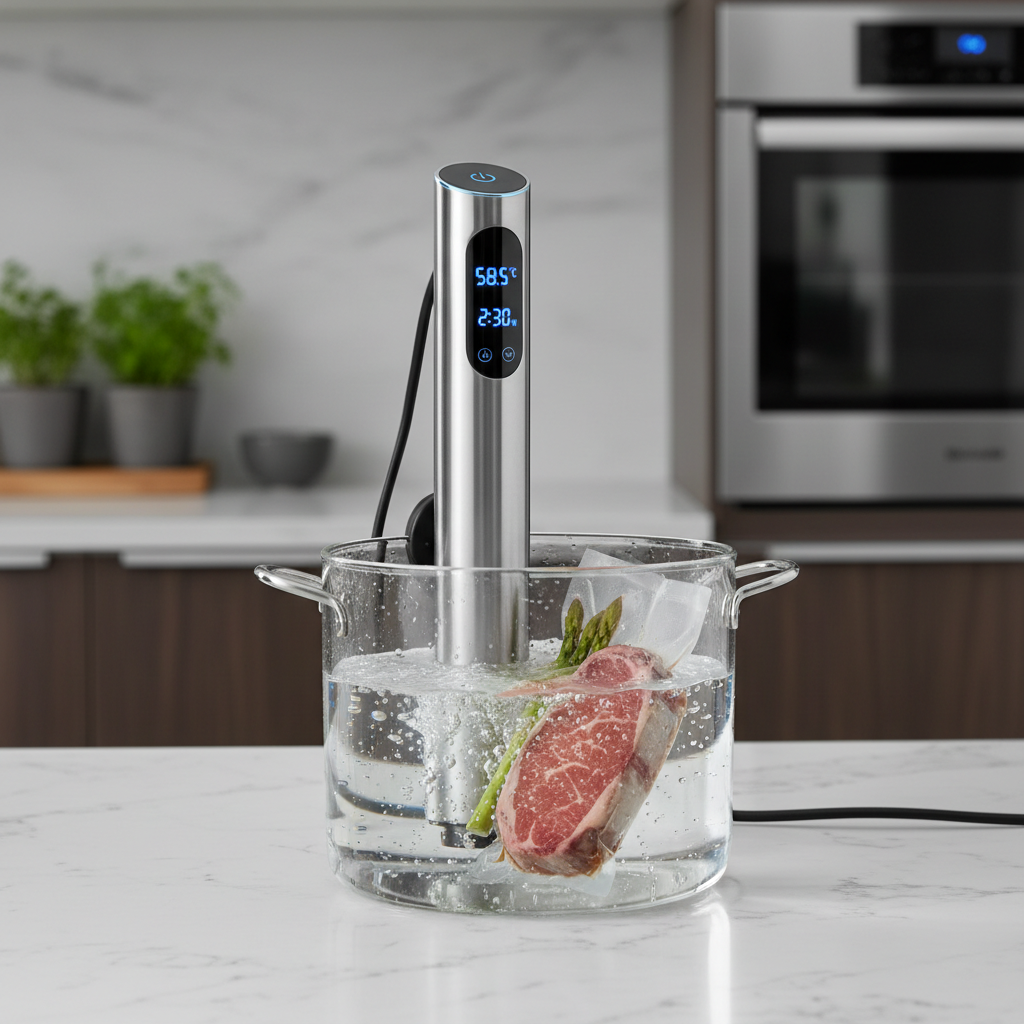
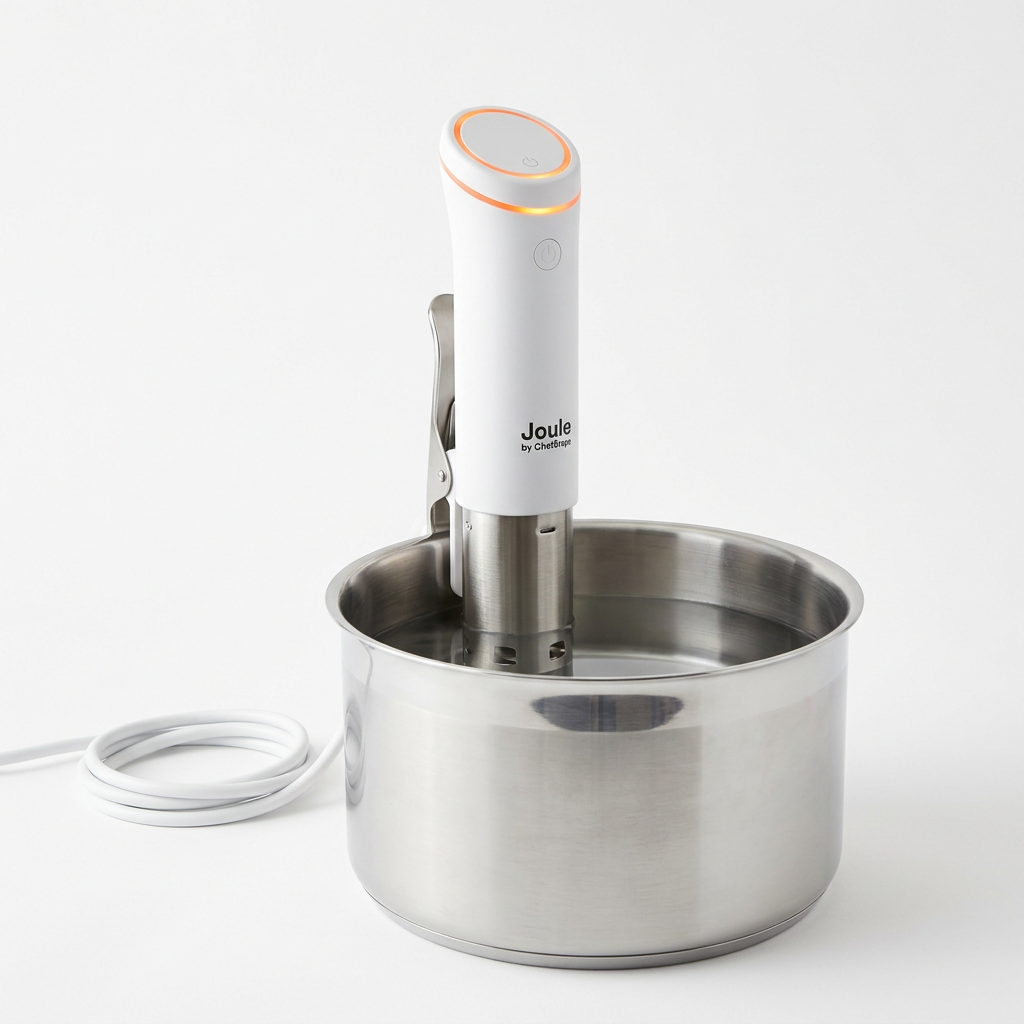
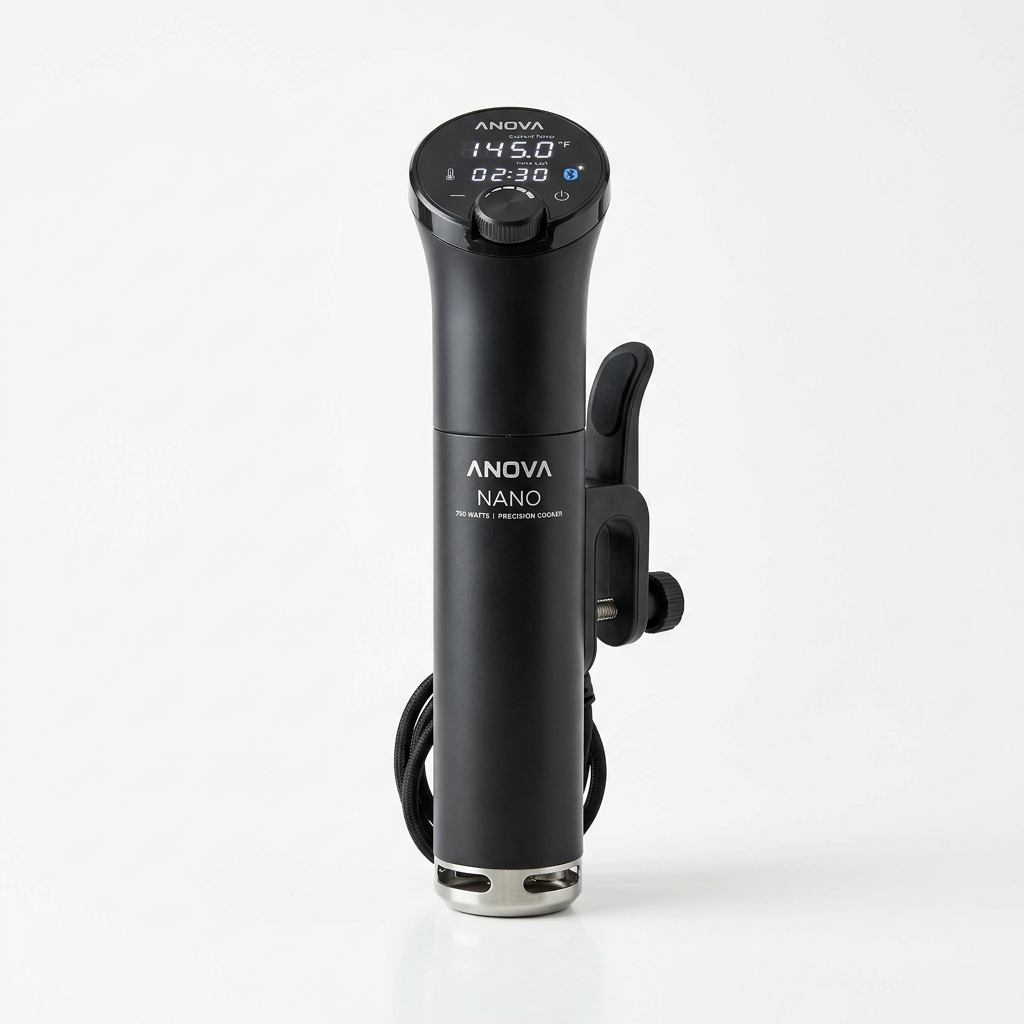
At the heart of the setup is the immersion circulator, a device that does three things: it heats the water, it senses the temperature with high accuracy, and it circulates the liquid to prevent cold spots. For a professional result, the water must be in constant motion. Without this circulation, the area immediately surrounding the protein would drop in temperature as the food absorbs the heat, leading to uneven cooking. Modern devices allow for temperature adjustments within 0.1°F, which is essential when working with delicate proteins like fish or eggs, where a swing of even two degrees can result in a significant change in texture.
Vacuum Sealing and Water Displacement
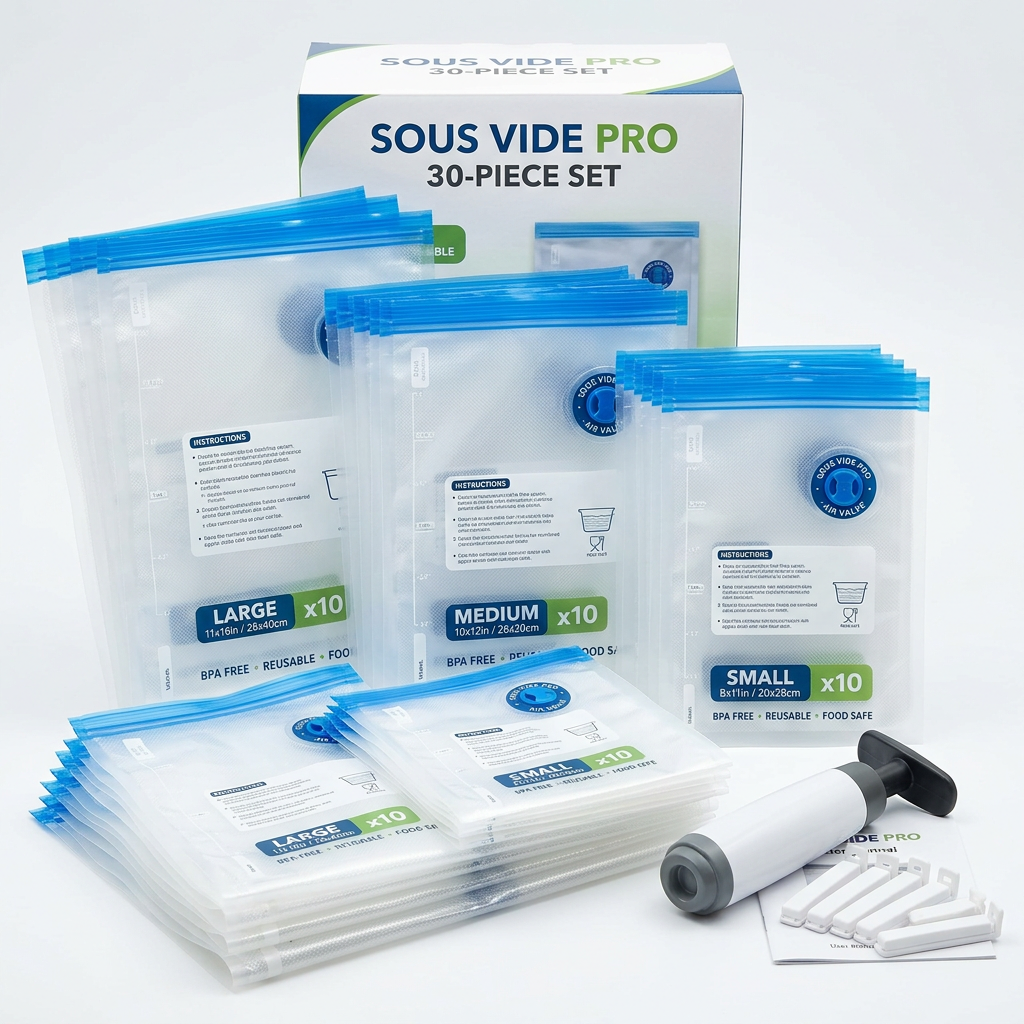
While commercial vacuum sealers are the gold standard, home cooks have several options to achieve the necessary environment. The displacement method is a brilliant, cost-effective technique for those without a dedicated machine. By placing your seasoned protein in a high-quality, BPA-free freezer bag and slowly lowering it into the water, the water pressure forces the air out of the bag. Once the opening of the bag is at the water line, you simply seal it shut. This creates an airtight seal that ensures optimal contact between the protein and the water, facilitating uniform thermal conduction without the need for expensive hardware.
"The magic of sous vide isn't just in the temperature; it is in the time. By extending the duration of heat exposure, we can manipulate proteins at a molecular level, transforming tough collagen into luxurious gelatin that traditional quick-cooking methods simply cannot touch."
Mastering Protein Tempering and Timing
One of the most common mistakes home cooks make is failing to respect the relationship between time and texture. While precision keeps the temperature stable, time is the variable that determines how the internal structure of the meat changes. For a tender cut like a filet mignon or a ribeye, you are simply looking to reach the target temperature, which typically takes between one and two hours depending on the thickness. However, if you are working with a tougher cut like short ribs, brisket, or a pork shoulder, you are actually utilizing the prolonged heat exposure to break down connective tissues into succulent, buttery textures that hold their shape.
Temperature Guides for Beef
For beef, the spectrum is wide, and your preference dictates the setting. Most enthusiasts gravitate toward the following ranges for a consistent internal temperature:
The Dangers of Over-Cooking Tough Cuts
There is a misconception that because the water is at a low temperature, you can leave food in the bath forever. This is not true. If a delicate piece of fish is left for too long, it will turn into a mushy paste because the enzymes continue to work on the proteins. Conversely, if a tough cut of meat is left for too long—perhaps 48 to 72 hours at a high temperature—the muscle fibers can become overly shredded and stringy. The goal is to reach that "sweet spot" where the collagen has fully converted to gelatin but the muscle fibers retain their integrity.
Post-Bath Finishing Techniques
The most critical final step in any sous vide process is the sear. Because the meat comes out of the bath perfectly cooked but looking unappealingly pale, it requires a high-heat finish to achieve the Maillard reaction. This is the chemical reaction between amino acids and reducing sugars that gives browned food its distinctive flavor. Whether you use a heavy cast-iron skillet with butter and herbs or a high-powered kitchen blowtorch, the sear must be lightning-fast. You want to color the surface without penetrating the interior and raising the internal temperature, which would undo all your hard work in the water bath.
Aromatics and Seasoning Strategies
Seasoning a protein before it enters a vacuum bag is different from seasoning it for the grill. In a vacuum-sealed environment, salt, herbs, and spices act differently. The lack of air means that the aromatics are pressed directly against the surface of the meat for hours on end, which can intensify flavors in unexpected ways. For example, fresh garlic can sometimes develop a metallic or off-putting flavor when cooked for a long duration, so it is often better to use garlic powder or sauté the garlic before adding it to the bag.
Salt Ratios and Timing
Salting before sous vide is a debated topic. If you salt for too long, the meat can take on a cured, ham-like texture. For quick-cook proteins like fish or chicken breasts, salting right before bagging is perfectly acceptable. For longer cooks, such as 24-hour beef short ribs, it is often safer to salt sparingly before bagging and then apply your final seasoning after the sear. This ensures that you have control over the moisture loss and the final flavor profile of the dish.
Infusing Flavors
You have an incredible opportunity to infuse oils, herbs, and fats directly into the protein. Think of your bag as a closed system for flavor. A sprig of rosemary, a few slices of fresh ginger, or a knob of grass-fed butter can permeate the protein far more deeply than they would in a traditional sauté. However, be cautious with liquid marinades. Too much liquid can make the sealing process difficult and may result in the protein being boiled rather than cooked in its own juices. Stick to dry rubs or concentrated flavorings to get the best result.
"True culinary intuition is a myth; it is really just an accumulation of failed experiments. Sous vide allows you to move from guessing to knowing, providing a baseline of excellence that turns every home kitchen into a professional-grade laboratory."
Vegetables and Fruits: The Sous Vide Advantage
While meat is the most popular application for the sous vide technique, the true mastery of this method comes from its effect on produce. Vegetables have a rigid cell wall structure composed of pectin. In traditional boiling or steaming, the high heat required to soften these cell walls often causes the vegetable to become mushy and lose its color before it is fully cooked. With a circulator, you can cook carrots, asparagus, or cauliflower at precise temperatures—typically between 180°F and 185°F—where the pectin breaks down just enough to make them tender while they remain structurally sound and vibrant.
The Science of Pectin Breakdown
By controlling the temperature, you can achieve textures that are impossible with standard cooking. You can create a "snappy" asparagus that is cooked through but still has a bite, or carrots that have the texture of butter. It is crucial to use a little fat, such as olive oil or butter, in the bag with the vegetables to help conduct the heat evenly across the surface of the produce. Because vegetables are denser than meat, they often require a higher temperature to ensure they reach that perfect state of tenderness without requiring extra cooking time.
Glazing and Finishing
After removing the vegetables from the bag, you can toss them in the bag juices (which contain concentrated natural sugars) and reduce them in a pan for a natural, glossy glaze. This captures the essence of the vegetable that would otherwise be lost in the water of a boiling pot. This method is particularly effective for roots like parsnips, beets, and potatoes, which benefit from the slow, consistent heat that draws out their natural sweetness without turning them into a starchy puree.
Common Pitfalls and How to Avoid Them
Even with the best equipment, mistakes happen. One of the most common issues is bag leakage, which can ruin your entire dinner and potentially damage your circulator. Always double-check your seals, especially if you are using liquids or heavy aromatics. If you have any doubts, use two bags—the "double-bag" method is a simple insurance policy that is well worth the extra cent. Another issue is the "float factor." Some vegetables and lighter proteins will want to float to the top of the water bath, which results in uneven cooking. Use a dedicated weight or a heavy spoon to keep the contents fully submerged.
Managing Air Pockets
If you notice small air pockets in your bag, don't panic. These pockets act as insulation, preventing the water from touching the protein. While it doesn't always spell disaster, it can result in a "raw" spot on the surface. If you are using a vacuum sealer, ensure you are using the correct setting for moist or dry foods. If you are using the displacement method, take an extra thirty seconds to slowly guide the air out. The goal is to have the bag cling to the protein like a second skin.
Maintaining the Water Bath
Your circulator requires maintenance. Over time, mineral deposits from your tap water can build up on the heating element and the impeller. A simple cleaning every few months with a mixture of water and white vinegar will keep your machine running at its optimal capacity. If the machine struggles to maintain the set temperature, it is almost always a sign that the circulation is blocked by calcium buildup or that the intake is obstructed by debris. Keep the machine clean to ensure that your precision remains exactly that—precise.
Advanced Techniques: Eggs and Infusions
Once you have mastered the basics of protein and vegetables, it is time to move on to the more esoteric applications of sous vide, such as the legendary "63-degree egg." This specific temperature creates an egg with a yolk that is creamy and custard-like, while the white is delicate and set but not rubbery. This is a texture that is virtually impossible to achieve in a boiling pot. The consistency of the 63-degree egg has become a hallmark of fine dining, and with a sous vide setup, it is easily achievable for a brunch at home.
Culinary Infusions
The precision of the water bath is also perfect for making infused oils, spirits, or even custard bases for ice cream. Because you can hold a liquid at a very specific temperature, you can extract the oils from herbs or spices without ever burning them. This makes for incredibly intense flavor profiles that are clean and clear. Whether you are crafting a basil-infused olive oil for a salad or a vanilla bean extraction for a dessert, the constant heat allows for a gentle, thorough infusion that saves time and maximizes efficiency.
Dessert Applications
Sous vide is a powerhouse for pastry chefs as well. Crème brûlée and flan benefit immensely from the consistent heat, which prevents the eggs from curdling and ensures a perfectly smooth custard every time. Simply portion your custard into glass jars, place them in the bath, and you will have a perfect dessert ready to be torched or chilled. The beauty of this is that the temperature is low enough that the texture remains velvety, avoiding the grainy quality that often happens when custard is overbaked in a traditional oven bain-marie.
"The difference between a home cook and a chef is not the amount of gear in the kitchen; it is the understanding of the variables. When you remove the variability of heat, you are left with the purity of the ingredient."
Troubleshooting the "Blame The Chef" Mindset
When we talk about "Blaming the Chef," we are really talking about taking full accountability for the process. In the past, if a steak was overcooked, we could blame the grill, the heat fluctuations of the oven, or the timing of the timer. With sous vide, those variables are gone. If a meal fails, it is a matter of preparation. Did you set the temperature too high for the duration? Was the bag sealed poorly? Did you fail to sear the meat properly? These are all controllable factors that you, the chef, can refine with every attempt.
Refining Your Results
If your results aren't exactly what you wanted, keep a culinary journal. Note the thickness of the steak, the exact temperature of the bath, the time spent, and the quality of the sear. Did the steak have enough moisture left? Was the crust deep enough? By tracking these small data points, you transform from a cook following a recipe into a scientist perfecting a craft. Don't be afraid to experiment with slight variations; if a recipe calls for two hours, try one hour and forty-five minutes next time. See how the texture changes.
The Evolution of the Home Chef
Ultimately, the goal of adopting sous vide technology is not to make your life more complicated, but to simplify the most difficult aspects of cooking. It is about creating more time to enjoy your guests, to prepare your sides, and to focus on the presentation of the dish. Once you move past the initial hurdle of learning the mechanics, you will find that your kitchen feels more manageable. You will stop worrying about whether the chicken is dry or if the roast is undercooked, and start focusing on the flavors, the wine pairings, and the company at your table.
Final Thoughts
The journey to culinary mastery is never-ending, but tools like the immersion circulator provide a roadmap that makes the path much clearer. We have explored the thermodynamics of precision, the importance of bagging techniques, and the nuances of timing and temperature for everything from steaks to delicate vegetables. By embracing the science behind the food, we move away from the anxiety of the "what-if" and into a realm of consistent, repeatable excellence. It is time to set aside the old anxieties of the stovetop and step into the era of precision.
Remember that the equipment is merely an extension of your own intention. Whether you are cooking a high-end ribeye for an anniversary dinner or a simple batch of asparagus for a Tuesday night, the level of care you put into your preparation will always reflect in the final result. Keep your machine clean, your seals tight, and your curiosity high. There is always a better way to do something, and with the sous vide method, you have the ultimate laboratory to explore those possibilities.
So, the next time you step into the kitchen, don't just rely on your instincts. Rely on your data, your technique, and your commitment to the craft. If the meal is perfection, you deserve the credit. If it falls short, you have the roadmap to understand exactly why, allowing you to improve for the next time. That is the philosophy of the modern chef: constant learning, total precision, and an unwavering commitment to the science of flavor. Go forth and cook with the confidence that only precision can provide, and enjoy the culinary rewards that follow.
Get the Next Recipe
Weekly recipes, techniques, and gear picks — straight to your inbox.
