
Sous Vide Precision: Cooking at the Molecular Level
In the realm of culinary arts, the phrase "cooking at the molecular level" might sound like a concept reserved for high-end restaurants or avant-garde cookbooks. However, it has become increasingly accessible to the home cook, allowing them to create restaurant-quality dishes with ease and precision. At the heart of this movement lies the technique known as sous vide. Originating from the French term meaning "under vacuum," sous vide involves cooking food slowly and evenly in a water bath at a precisely controlled temperature. This method brings out the true essence of ingredients, allowing for flavor enhancement and texture development that traditional methods may struggle to achieve.
Sous vide cooking is revolutionizing the way we understand food preparation. It is grounded in scientific principles, where maintaining a consistent temperature is crucial. With traditional cooking, achieving the desired doneness often results in sacrificing moisture, tenderness, or flavor. Sous vide eliminates these compromises by cooking food slowly over hours, allowing proteins to break down properly while retaining their moisture and enhancing their natural flavors. Imagine biting into a perfectly cooked steak that is tender from edge to edge—a feat that is reliably possible through sous vide.
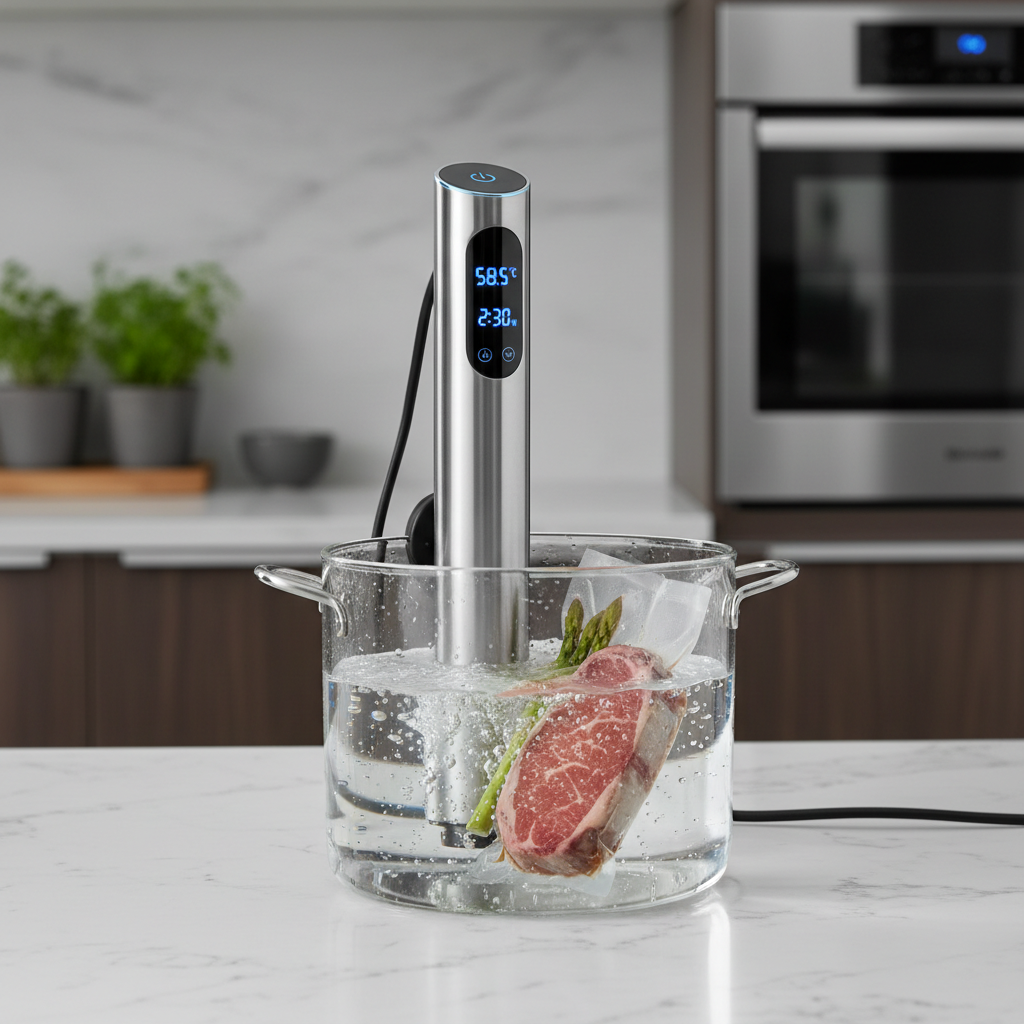
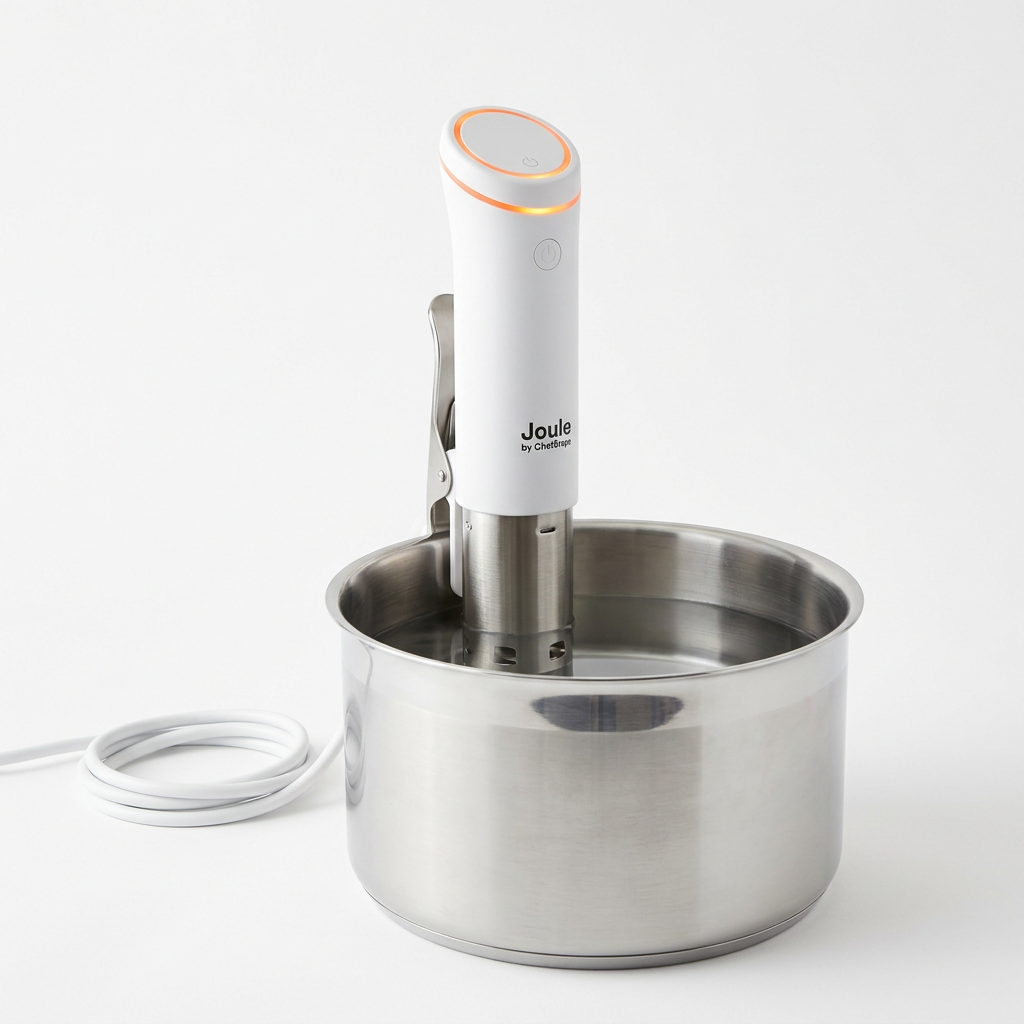
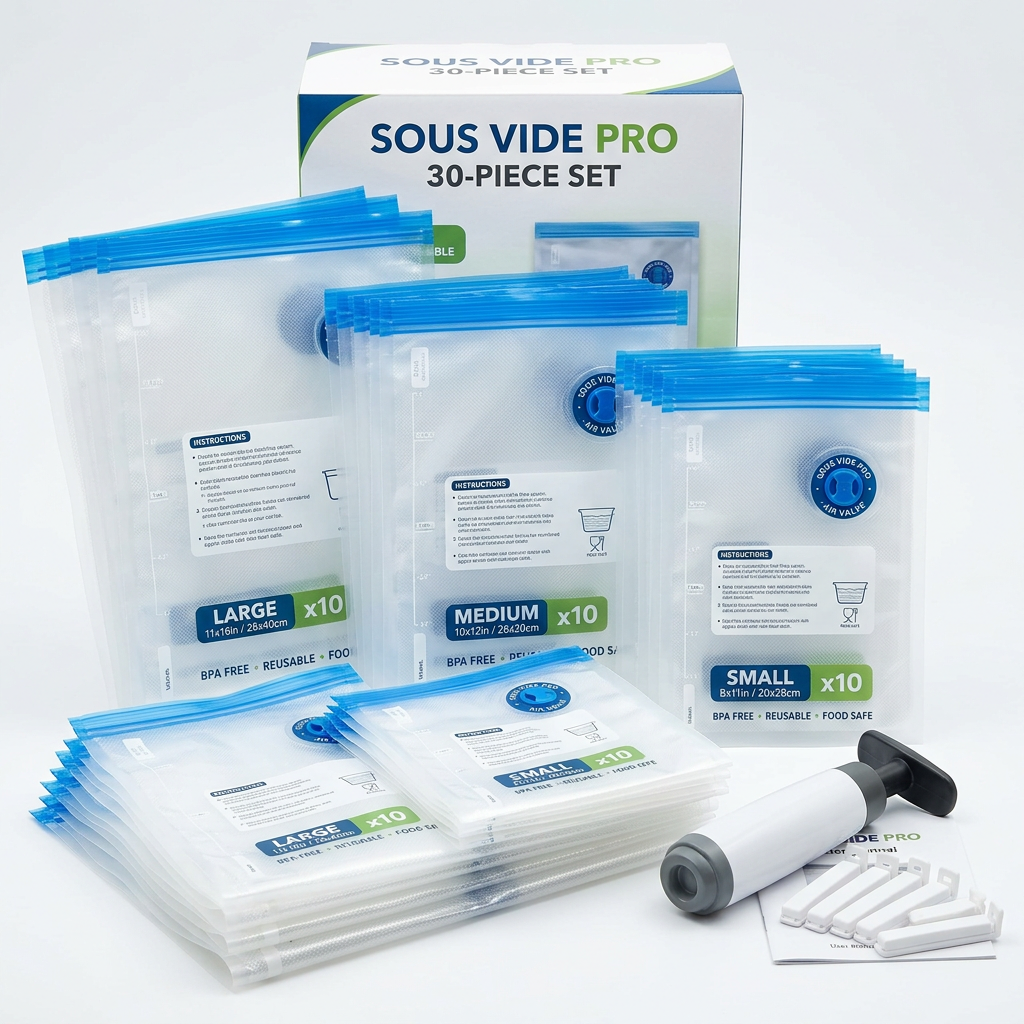
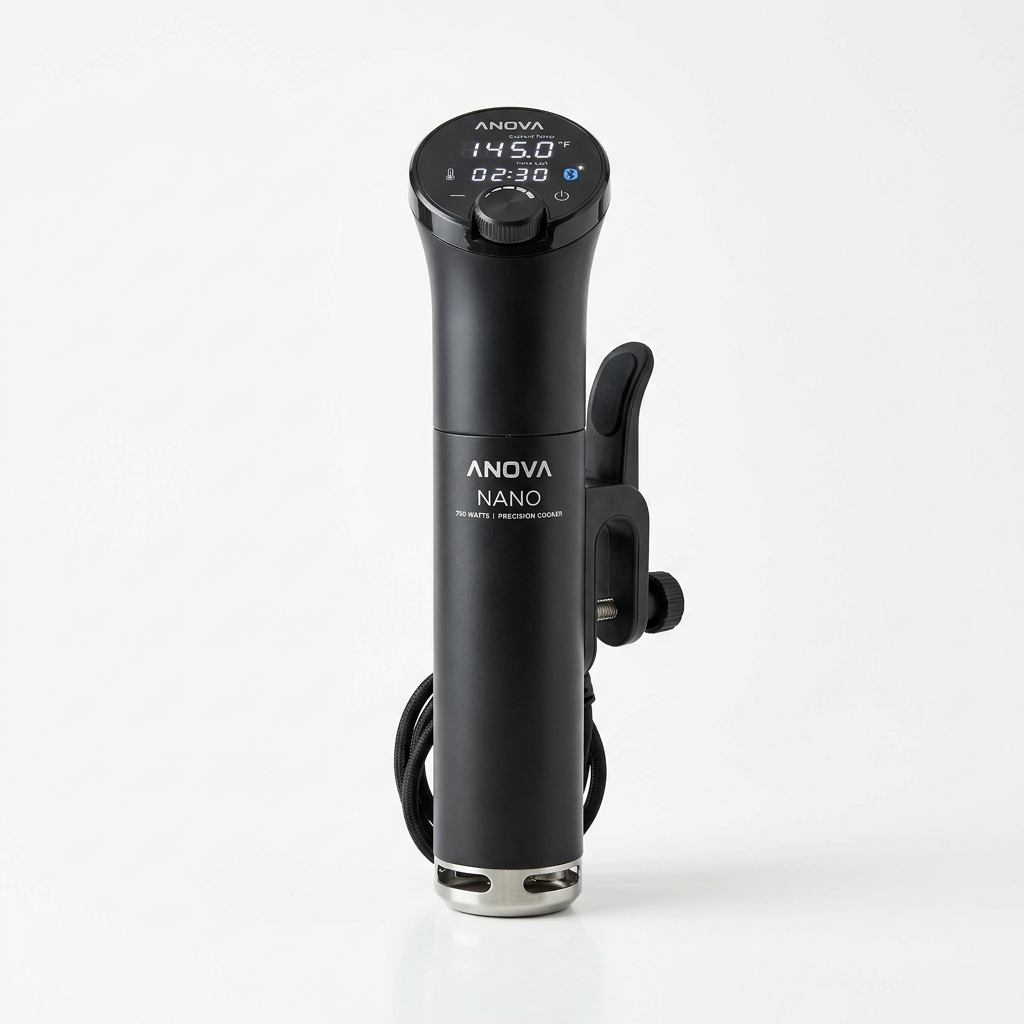
For home chefs eager to explore this technique, the journey begins with a few essential tools. A sous vide immersion circulator is the primary piece of equipment, allowing you to heat and circulate water at a precise temperature. Additionally, vacuum-sealed bags or heavy-duty freezer bags play a crucial role in ensuring that flavors are sealed in while preventing water from entering. Once you have these basics in place, you can embark on an exciting culinary adventure that goes beyond simple recipes; you’ll be crafting dishes that celebrate the science of cooking.
Understanding the Sous Vide Technique
Sous vide is not just a method; it's a mindset shift that emphasizes control, precision, and patience in cooking. The core of sous vide lies in its ability to maintain consistent temperatures throughout the cooking process. This method differs significantly from traditional cooking techniques like grilling or roasting, where temperature fluctuations can lead to unevenly cooked food. By using sous vide, you can achieve a level of doneness that would be nearly impossible to replicate through conventional means.
The Science Behind Sous Vide
Cooking sous vide is rooted in the principles of thermodynamics and culinary chemistry. When food is heated, the proteins begin to denature, which affects the texture and flavor of the finished product. Sous vide allows you to control the temperature carefully, meaning you can bring proteins to the desired doneness without overcooking them. For example, cooking a piece of beef at 131°F (55°C) for several hours will yield a perfectly medium-rare result that maintains moisture and tenderness.
Another fascinating aspect of sous vide is the way flavors develop. The vacuum-sealed environment means that spices and aromatics permeate the food more effectively than surface cooking methods. This leads to a more profound flavor infusion. Whether cooking a simple chicken breast or an elaborate dish, the sous vide technique can elevate even the most mundane ingredients into something extraordinary.
Temperature Control
One of the most critical components of sous vide cooking is temperature control. Different foods require specific temperatures to ensure they are both safe to eat and optimally cooked. Here’s a quick reference guide for some common sous vide cooking temperatures:
- Rare: 120°F (49°C)
- Medium Rare: 130°F (54°C)
- Medium: 140°F (60°C)
- Medium Well: 150°F (65°C)
- Well Done: 160°F (71°C)
- Juicy & Tender: 140°F (60°C) for 1-4 hours
- Traditional: 165°F (74°C) for instant pasteurization
- Carrots: 183°F (84°C) for 1 hour
- Broccoli: 185°F (85°C) for 5-10 minutes
Essential Tools for Sous Vide
To effectively execute sous vide cooking, you’ll need a few foundational tools that take the technique from theory to practice. Here’s a list of the essential tools you’ll require:
When buying a sous vide immersion circulator, consider one that has a digital display, adjustable temperature settings, and operates quietly. Many home cooks opt for models that can be clipped onto the side of pots and containers, making them versatile for various setups.
Preparing Food for Sous Vide Cooking
Once you have your tools ready, the next step is to prepare your ingredients. Preparing for sous vide cooking is slightly different from traditional methods. Here is a step-by-step guide to help you master the prep phase:
Selecting Ingredients
When it comes to sous vide, freshness is paramount. Choose high-quality ingredients—this is crucial since the cooking method will amplify their natural flavors. Whether it's a cut of meat or a seasonal vegetable, selecting the best produce will significantly impact the dish’s outcome.
Seasoning and Marinating
Before vacuum sealing, think about how you want to season your food. Here are a few pointers:
Vacuum Sealing Food
Once your food is seasoned, it’s time to seal it. If you’re using a vacuum sealer, place your items inside the bag, ensuring they're spread out without overlapping to achieve even cooking. If you're using a zip-top bag, employ the water displacement method:
It’s essential to make sure that the bag is sealed tightly to prevent water from entering during the cooking process.
Cooking Food Sous Vide
With your food prepped and sealed, it’s time to dive into the cooking process. Here’s how you can do it, ensuring precision and safety throughout.
Setting Up Your Sous Vide
Monitoring the Process
While sous vide is a largely hands-off process, monitoring the water temperature is still important. Most immersion circulators have a digital display that shows the current temperature. This will help you maintain an optimal cooking environment.
“Sous vide cooking is as much about patience as it is about precision. The best results often come from giving your ingredients the right amount of time to transform.”
Finishing Techniques
After the designated cooking time has elapsed, it’s time to bring your dish to life. Sous vide proteins often require finishing techniques to deliver that perfect texture and attractive presentation. Here’s what to do:
Common Mistakes and How to Avoid Them
The art of sous vide cooking can be a learning experience, particularly for beginners. Here are some common pitfalls and how to avoid them:
Underseasoning
Many home cooks make the mistake of underseasoning before sealing. Since sous vide cooking enhances the natural flavors of the food, it’s easy to underestimate the amount of salt or seasoning needed. Always taste your seasoning at the initial preparation stage to ensure it's sufficient.
Incorrect Temperature Settings
Cooking at the wrong temperature can either lead to undercooked food or loss of tenderness. Always double-check your immersion circulator’s temperature settings, and refer to reliable data for cooking times. If you're unsure, it's better to err on the side of lower heat for longer rather than higher heat for less time.
Not Following Safety Guidelines
Sous vide cooking revolves around food safety, especially if you’re cooking proteins at lower temperatures. Always ensure that:
Failing to Adjust Cooking Times for Thickness
Cooking times depend heavily on the thickness of the food. A thicker steak may require significantly longer cooking times than a thinner one. Always reference guidelines for thickness and use a thermometer to verify doneness if you're unsure.
Recipes to Get Started with Sous Vide
Once you're familiar with the sous vide process and common pitfalls, it’s time to dive into the fun part: creating delicious dishes. Below are three sous vide recipes that are perfect for beginners.
Sous Vide Chicken Breast with Lemon and Thyme
#### Ingredients:
#### Instructions:
Sous Vide Steak with Garlic Butter
#### Ingredients:
#### Instructions:
Sous Vide Vegetables Medley
#### Ingredients:
#### Instructions:
Conclusion
Sous vide cooking is not merely a passing trend; it is a revolutionary technique that empowers home cooks to produce meals with unparalleled precision and flavor. Temperature control and even cooking converge beautifully in this method, transforming ordinary ingredients into extraordinary meals. From perfectly cooked meats to vibrant vegetables, the possibilities are virtually endless.
By embracing sous vide, you’re not just improving your cooking skills—you're diving into a world where culinary science meets artistry. Each dish you prepare is a testament to control, patience, and a passion for flavor. Whether you're just starting out or looking to elevate your existing cooking repertoire, sous vide offers a gateway to achieving culinary excellence.
So, gear up, set your temperature, and prepare to unleash your culinary creativity with sous vide. The kitchen is waiting, and it’s time to create spectacular dishes that will leave your friends and family asking, “How did you make this?”
Get the Next Recipe
Weekly recipes, techniques, and gear picks — straight to your inbox.
