
Sous Vide Mastery: Precision Cooking That Transforms Your Kitchen
Welcome to the frontier of home cooking, where the lines between a frantic kitchen and a professional-grade culinary laboratory begin to blur. For decades, the secret weapon of world-class restaurants has been a quiet, unassuming method that relies on time and temperature rather than frantic flipping or aggressive searing. Sous vide, French for "under vacuum," is no longer just for high-end dining rooms; it is a transformative approach that allows you to achieve a level of consistency that was once considered impossible for the home cook. By embracing this technique, you are taking the guesswork out of your dinner and stepping into a realm where every steak, egg, and vegetable is cooked to absolute perfection, every single time.
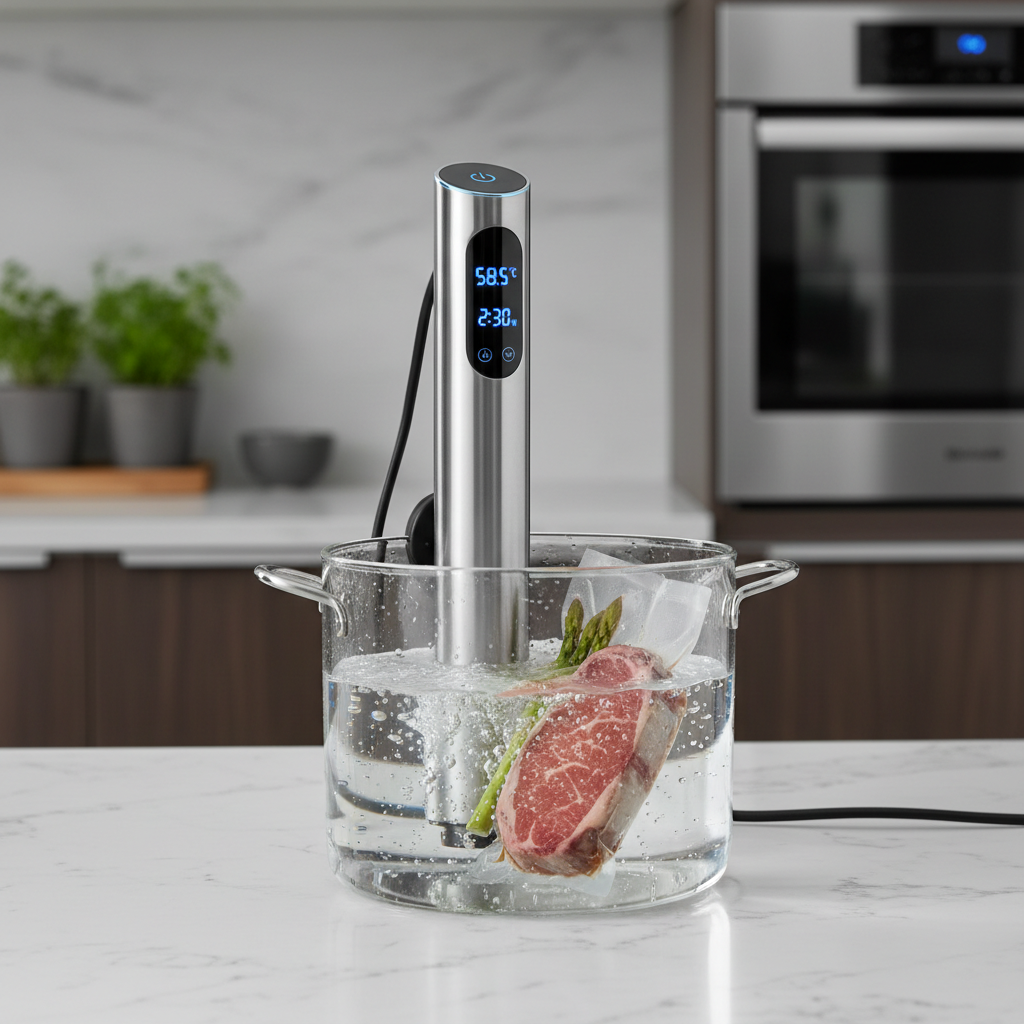
When you first begin your journey into precision cooking, it is natural to feel a bit intimidated by the jargon and the gear. Do not let the terminology fool you; at its core, this is a remarkably simple process of sealing food in a bag and submerging it in a circulating water bath maintained at a precise temperature. This environment ensures that your protein or vegetable reaches the exact internal temperature you desire, without the risk of overcooking or the uneven gradients of traditional heat sources. Whether you are aiming for a buttery, medium-rare ribeye or a delicate, creamy carrot confit, this technology provides the ultimate safety net for the modern chef.
As we dive deeper into this guide, I want to shift your mindset away from watching the clock or poking a piece of meat to check for doneness. In the world of sous vide, you are the master of the environment, not a slave to the stove. You will discover that the true beauty of this method lies in its ability to tenderize tough cuts of meat over long periods, while preserving the vibrant integrity of delicate aromatics. Let us peel back the curtain on this incredible culinary secret and explore how you can turn your humble kitchen into a place of true precision cooking.
The Architecture of Precision: Essential Gear and Setup
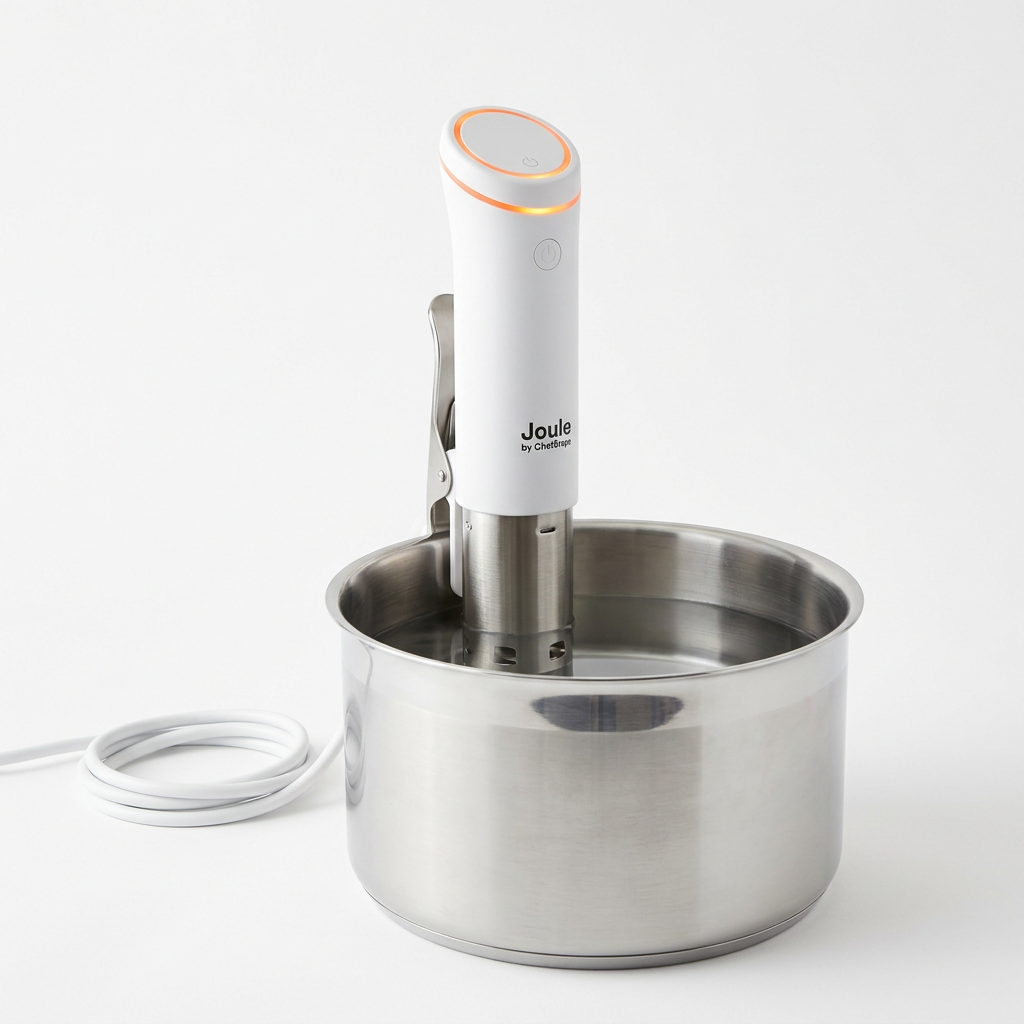
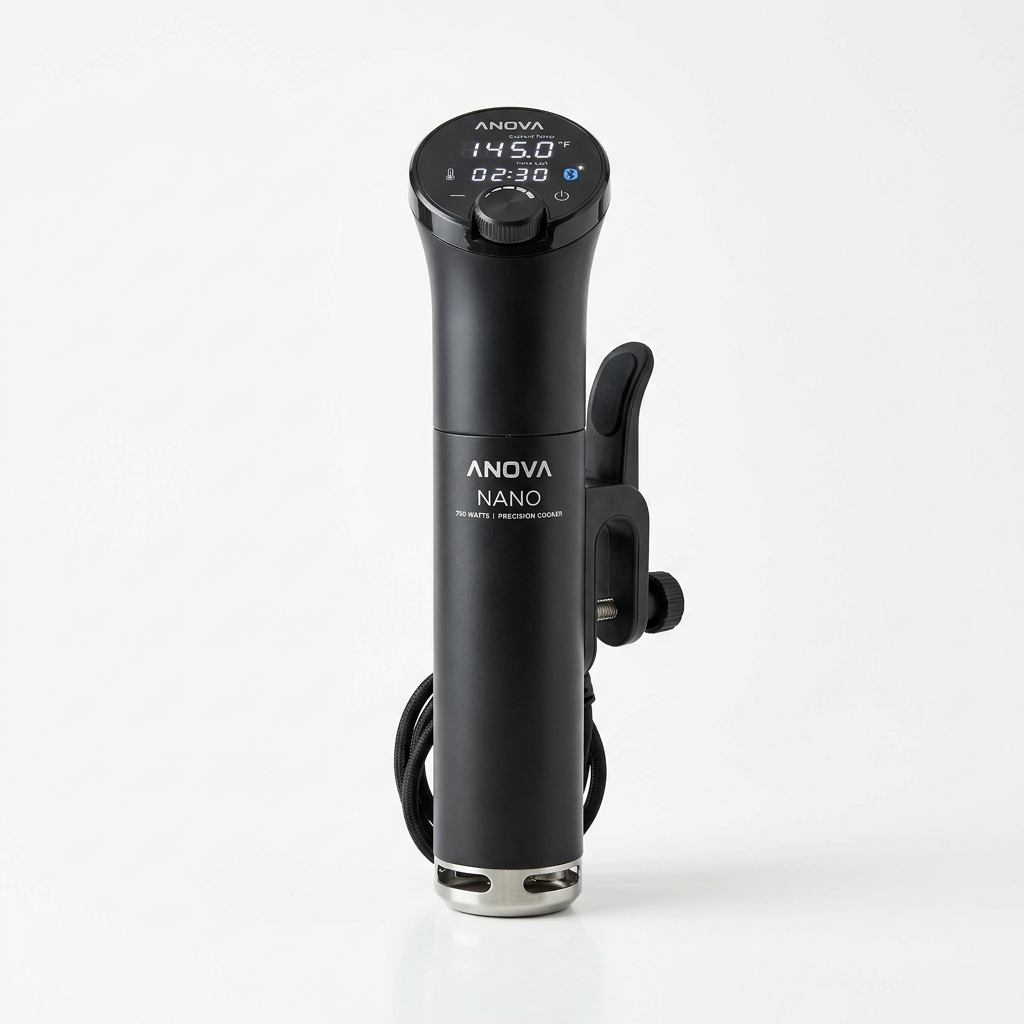
To begin your evolution, you need to understand the fundamental mechanics that drive this style of cooking. At the center of your setup is the immersion circulator, a device that heats the water and keeps it moving to eliminate hot or cold spots. Think of this as the heart of your operation, ensuring the thermal energy is evenly distributed throughout the vessel. When shopping for a circulator, prioritize stability and flow rate; a consistent, powerful pump will ensure that even in a large pot or container, your food is being bathed in a uniform, controlled heat.
Alongside the circulator, you will need a reliable vessel. While a large stockpot often suffices for shorter cooks, those planning on doing long-term tenderization projects—like a 48-hour short rib—should invest in a polycarbonate container. These containers have better insulation properties than thin metal pots and often come with precision-cut lids that minimize evaporation. Evaporation is the silent enemy of the long-term sous vide cook, as it can cause your water level to drop, potentially exposing your immersion circulator or leading to temperature fluctuations that disrupt the process.
The Importance of Vacuum Sealing and Air Displacement
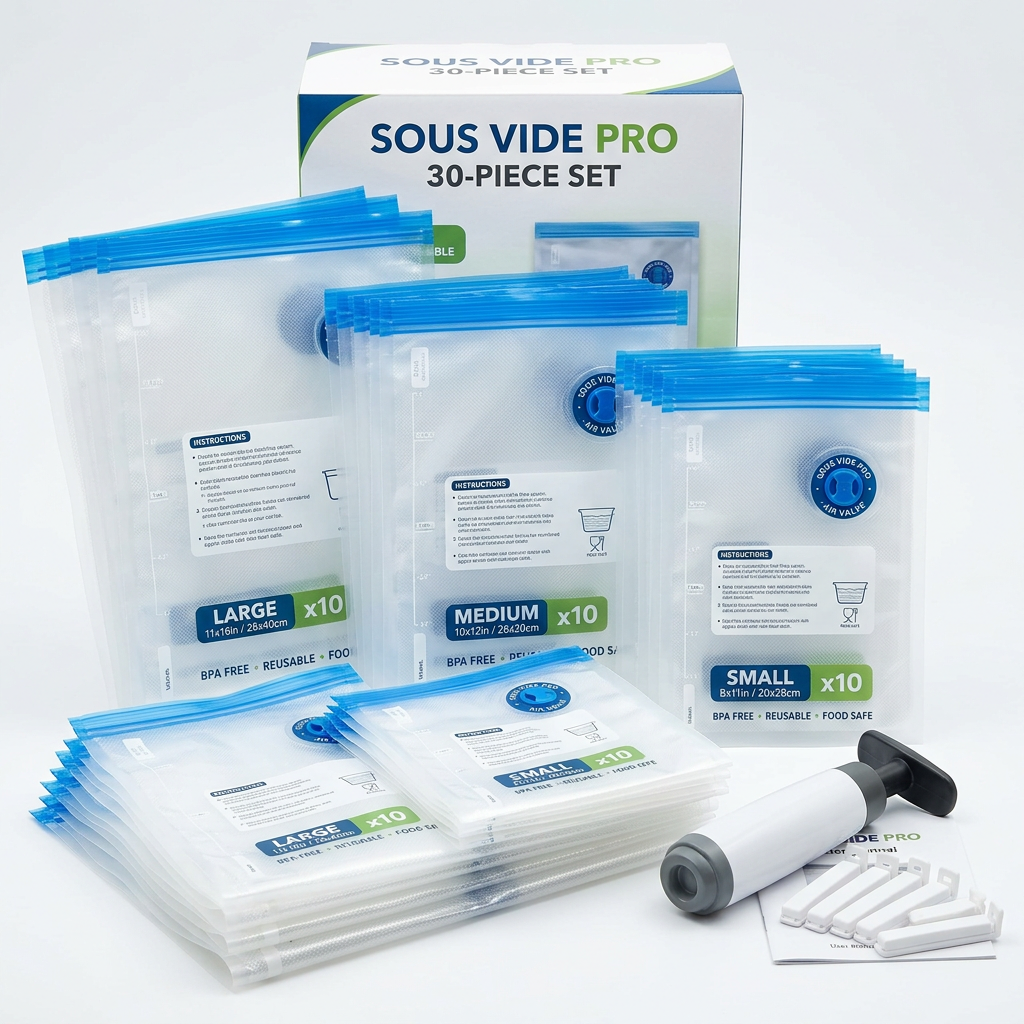
The seal is not just about keeping the juices inside the bag; it is about heat transfer efficiency. If air pockets remain between your food and the plastic, you create an insulating barrier that prevents the water from effectively heating the ingredient. For most applications, a vacuum sealer is the preferred tool. It removes the atmosphere around the food, drawing the bag tight against the fibers and ensuring that the item and the heat source are in intimate, constant contact.
If you are not ready to invest in a machine, the water displacement method is a brilliant, cost-effective alternative. Simply place your food in a high-quality, BPA-free freezer bag, seal it most of the way, and slowly lower it into a container of water. The pressure of the water will force the air out of the bag; once you reach the seal, lock it tight. This simple hack delivers results that are nearly indistinguishable from high-end machines, making precision cooking accessible to everyone.
"Sous vide is not just a cooking technique; it is a philosophy of patience and precision that respects the chemistry of food, turning the home kitchen into a laboratory of flavor."
Mastery of Proteins: Steaks, Chops, and The Perfect Sear
The most frequent reason home cooks gravitate toward sous vide is the pursuit of the "perfect steak." How often have you stood over a cast-iron skillet, panicking as the crust browns while the inside threatens to slide past medium-rare? With this method, you dial in your desired doneness—say, 130°F for a vibrant, edge-to-edge medium-rare—and simply walk away. Because the water bath cannot exceed your target temperature, it is physically impossible to overcook your meat, granting you a level of peace of mind that no other technique can provide.
Timing is the variable here. A standard 1-inch thick steak only needs about one to two hours to reach thermal equilibrium. However, the true benefit emerges when you leave it in for an extra hour, allowing the muscle fibers to relax and the fat to render slightly. Once the bath is complete, the exterior will look pale and unappealing—this is normal. You must finish with a hard sear in a ripping-hot cast-iron skillet, ideally with a touch of high-smoke-point oil like avocado oil and a knob of butter. The result is a steak with a deep, dark crust and a tender, uniform interior that would make a steakhouse chef weep with envy.
Understanding Temperature and Doneness Ratios
When cooking proteins, you should follow a reliable chart to ensure safety and desired texture. For beef, 120°F is very rare, 130°F is medium-rare, 140°F is medium, and 150°F is medium-well. However, don't stop at the temperature; consider the thickness of the cut. A thicker piece of meat requires more time for the center to catch up to the exterior. For instance, a 2-inch thick pork chop might need 3 hours to ensure the center is perfectly pasteurized and tender.
Beef (Ribeye/Striploin):* 130°F for 1-2 hours.
Pork (Chops):* 140°F for 1.5-2 hours for a juicy, blushing finish.
Chicken (Breast):* 145°F to 150°F for 1-1.5 hours to achieve a texture that is remarkably moist and nothing like the dry chicken we are used to.
Fish (Salmon):* 120°F for 30-40 minutes for a buttery, melting consistency.
The Art of Vegetables: Texture and Flavor Preservation
Vegetables are the unsung heroes of the water bath, yet they are often overlooked by newcomers. Unlike meat, which relies on temperature to denature proteins, vegetables rely on temperature to break down pectin—the structural glue that holds cell walls together. In traditional boiling or steaming, the high heat (212°F) causes vegetables to become mushy and lose their vibrant color and nutrients. By cooking vegetables at lower temperatures—usually between 180°F and 190°F—you can achieve a texture that is tender but still offers a pleasant "bite," while sealing in all the natural sugars and volatile aromatic compounds.
Imagine carrots that taste more like carrots than you ever thought possible, or potatoes that are infused with rosemary and garlic in every single bite. Because you are sealing the vegetables with aromatics, fat, and seasonings, the cooking environment acts as a flavor infusion chamber. The lack of water means your herbs and spices are not diluted by a large pot of boiling liquid; instead, they are forced into the fibers of the vegetable, creating a depth of flavor that is truly remarkable.
Creating the Perfect Vegetable Confit
To achieve a classic confit-style finish, add a fat source to the bag—butter, duck fat, or olive oil—along with your aromatics. For carrots, try a ratio of 2 tablespoons of butter for every pound of carrots, along with a pinch of sea salt and a sprig of fresh thyme. Seal these and cook at 185°F for one hour. The result will be a vegetable that is incredibly buttery, vibrant in color, and perfectly seasoned. This technique allows you to prep vegetables hours before guests arrive; simply keep them in the bag in the bath until you are ready to serve.
"The true magic of precision cooking is that it allows the home chef to achieve results that are perfectly repeatable, stripping away the anxiety of service and replacing it with the calm confidence of a master."
Long-Cooks: The Secret to Tougher Cuts
The most transformative aspect of this technique is how it treats connective tissue. Tougher cuts like short ribs, brisket, or lamb shoulder are loaded with collagen. In traditional braising, you have to cook these for hours until they are falling apart, but the exterior often ends up dry or stringy. In the water bath, you can hold these cuts at a precise, lower temperature (such as 144°F for 48 hours for short ribs), allowing the collagen to slowly convert into gelatin without the muscle fibers becoming overcooked or losing their moisture.
This process is a revelation for the host who wants to serve an impressive feast without spending the entire day tethered to the stove. You can begin your short ribs on a Thursday and serve them on a Saturday night. By the time they come out of the bag, they will be as tender as a filet mignon, but with the rich, deep flavor characteristic of slow-cooked, marbled meat. This level of planning is how professional kitchens maintain such high standards during a rush; they are simply finishing, not cooking, the proteins to order.
Safety and Pasteurized Precision
Safety is paramount when cooking for extended durations. When holding food at temperatures below 130°F for more than four hours, you run the risk of bacterial growth. This is why it is critical to always maintain your bath at a safe zone—typically 130°F or higher for long-duration cooks. When you use the right temperatures, you are not just cooking; you are pasteurizing the food, making it safer to hold in the refrigerator for later use. This makes "cook-ahead" meal prepping incredibly effective, as you can shock the bags in an ice bath after the long cook and store them for weeks.
Safety Tip:* Always ensure your immersion circulator is properly calibrated.
Efficiency:* Use an ice bath to rapidly chill vacuum-sealed bags if you intend to store them in the fridge.
Consistency:* The secret to restaurant-quality food is not the ingredients alone; it is the unwavering control over the process.
Advanced Techniques: Eggs and Infusions
We cannot discuss this method without addressing the humble egg. The egg is perhaps the most difficult ingredient to cook perfectly because the yolk and the white coagulate at different temperatures. An egg yolk starts to set around 150°F, while the white requires closer to 180°F to become firm. This leads to the classic problem of rubbery whites or runny yolks. Sous vide allows you to cook an egg at 147°F for exactly one hour, producing a yolk that is creamy and custard-like, while the white is delicate and tender. It is a texture that is impossible to replicate in a frying pan.
Beyond eggs, you can use the controlled environment for infusions. Need a high-quality vanilla extract or a complex citrus-infused gin? Simply combine your alcohol and botanicals in a sealed bag and set the bath to a gentle 130°F for a few hours. The heat accelerates the extraction of essential oils, giving you the results of a weeks-long infusion in just a fraction of the time. This is also a fantastic way to make house-made flavored oils or intense meat stocks that are packed with depth.
The Science of Texture Control
By manipulating the temperature by just one or two degrees, you can control the "set" of your ingredients. This is especially useful for custards or ganaches. A traditional crème brûlée requires a water bath in the oven, which is notoriously prone to "scrambled" results. By bagging your custard base and placing it in a precision bath, you eliminate the risk of a bain-marie boiling over or the oven temperature fluctuating. You get a perfectly smooth, uniform texture every time, which you can then pour into ramekins and torch to order.
Troubleshooting Common Culinary Blunders
Even with the best technology, you might encounter minor hurdles. One common issue is the floating bag. This usually happens when air remains trapped or the contents are light. Ensure you are using enough weight or proper displacement. If a bag floats, it isn't getting the thermal exposure it needs to reach equilibrium. Another issue is the "leaking bag," which often happens when sharp bones poke through the plastic. Always double-seal your bags if you are working with bony cuts, or wrap the bones in a small piece of parchment paper before placing them in the bag to protect the plastic.
Another area where home cooks often struggle is with the finishing step. Many people spend hours in the bath only to ruin the final result by searing for too long or in a pan that isn't hot enough. Remember: the sear is only for flavor and color. It should last no longer than 60 seconds per side. If you need a longer sear, you are likely missing the goal of the bath, which is to already have the interior perfectly cooked. Keep a towel nearby to pat the surface of the protein bone-dry before it touches the heat; moisture is the enemy of the Maillard reaction.
Professional Chef Tips for Better Results
Pat dry:* Moisture on the surface of meat will steam, not sear. Dry your protein thoroughly with paper towels before hitting the pan.
Salt early:* Feel free to season your steaks or chops before sealing them; the salt will penetrate during the cook, but don't over-salt, as it can change the texture of delicate meats like fish.
Resting:* While sous vide doesn't require the long resting period of a traditionally roasted steak, letting it sit for a few minutes after the sear helps the juices stabilize.
Aromatics:* Do not add raw garlic or onions to long cooks, as they can produce an off-flavor. Sauté them first, or use garlic powder/onion powder for better results.
"A great meal is rarely about luck; it is about the mastery of heat and time. Once you control those two variables, you no longer have to hope for a good result—you can guarantee it."
Conclusion: Elevating Your Culinary Journey
Precision cooking is a journey that changes how you view the kitchen. It shifts your perspective from being a frantic cook fighting the stove to a confident curator of heat and flavor. As you master these techniques—whether it’s the perfect medium-rare steak, the tender, infused carrot, or the impossibly creamy egg—you will find that your confidence grows. You will begin to experiment, adjusting temperatures by a single degree to find your own version of "perfect," and you will find that your dinner parties become more relaxed, predictable, and consistently impressive.
This technique is not a replacement for traditional cooking; it is a powerful tool to add to your repertoire. There is still a place for the high-heat stir-fry, the roasting pan, and the classic braise. However, by understanding the power of a water bath, you bridge the gap between amateur effort and professional outcome. Keep experimenting with your times, your temperatures, and your flavor profiles. The more you use these tools, the more intuitive the science will become, and the more you will realize that the real "secret" to professional cooking was never a complex recipe, but the simple, unwavering pursuit of precision.
As you step away from this post and back into your own kitchen, challenge yourself to try one new recipe this week. Do not focus on the complexity of the dish; focus on the temperature and the timing. Master the basics, and the advanced culinary heights will reveal themselves to you naturally. Remember, whenever you find yourself struggling with a traditional method, think about how you might apply precision and patience to the problem. The most delicious results are often found in the calmest of preparations. Happy cooking, and may every meal you serve be a testament to your newfound skill.
Final Thoughts: The Future of Your Kitchen
As we wrap up this exploration into the world of precision, it is important to reflect on why we cook in the first place. For many of us, it is a way to nourish our loved ones and show our creativity. Sous vide provides a unique opportunity to do both with unmatched efficiency. It clears up your schedule, reduces the stress of timing multiple dishes, and ensures that you can spend more time enjoying the conversation and the wine rather than hovering over a hot stove. It is a technique that gives back to the chef just as much as it gives to the diner.
The evolution of home cooking is moving toward better technology and more scientific understanding. By adopting these methods, you are placing yourself at the forefront of that movement. Do not stop at just following the charts; use them as a foundation to explore your own preferences. Perhaps you prefer your salmon just a bit firmer, or your brisket with a slightly different texture. Precision allows you to make these micro-adjustments and lock them in as your signature style.
Finally, remember to embrace the journey. There will be times when a bag leaks, or a piece of meat isn't quite as tender as you expected. Use those moments to refine your technique and learn more about the chemistry of your food. Every master chef started exactly where you are right now—armed with a bit of equipment and a desire to make something truly great. Keep honing your skills, keep testing your temperatures, and most importantly, keep enjoying the process. Your kitchen is now your laboratory, and the possibilities for your next dinner are truly endless. Thank you for joining me on this deep dive into the art of precision—now go forth and cook something extraordinary.
Get the Next Recipe
Weekly recipes, techniques, and gear picks — straight to your inbox.
