
Sous Vide Precision: Perfectly Cooked Protein Every Time
Sous vide cooking has taken the culinary world by storm, and for good reason. This method, which translates from French to "under vacuum," allows for precise temperature control that results in perfectly cooked proteins every time. While traditional methods can result in overcooked or unevenly cooked meat, sous vide stands out by ensuring that the entire cut of protein reaches the desired doneness without ever exceeding it. Whether you’re looking to impress family and friends or simply elevate your weeknight dinners, mastering sous vide techniques will open up a whole new world of culinary possibilities.
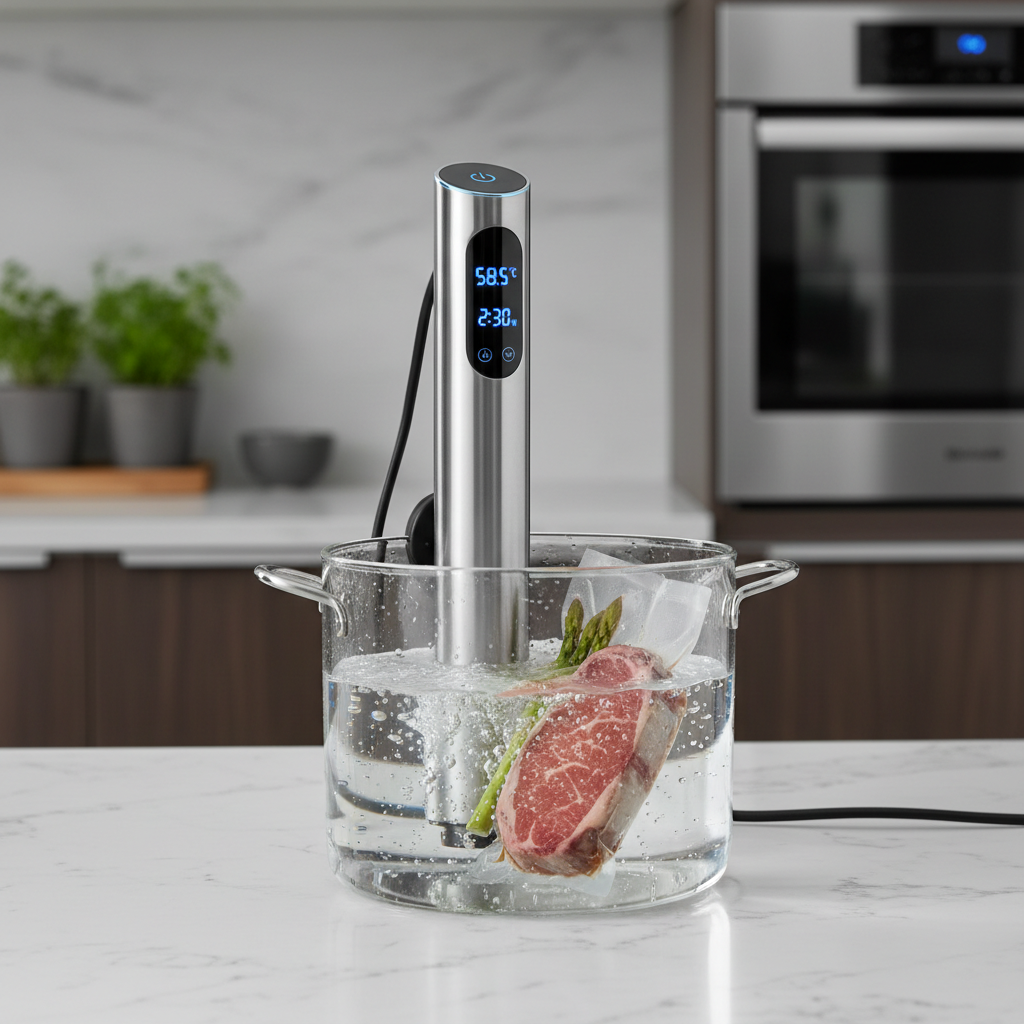
At its core, sous vide cooking involves sealing food in a bag and immersing it in a water bath that is heated to a specific temperature. The water circulates to maintain a consistent temperature, delivering a uniform cook throughout the entire piece of meat. While it might sound complicated, sous vide is surprisingly forgiving and easy to learn. Virtually anyone can achieve gourmet-quality results with just a few simple tools and techniques. Imagine a perfectly medium-rare steak cooked throughout, with a juicy texture that melts in your mouth—that's the sous vide magic.
Another exciting aspect of sous vide cooking is its versatility. Not only can you cook various proteins such as beef, poultry, fish, and pork, but you can also use this technique for vegetables and even eggs. The precise temperatures mean you can experiment with different flavor infusions and marinades without the risk of overcooking. As you develop your skills, you’ll find that sous vide can inspire creativity in your cooking, leading to impressive dishes that will delight your taste buds and thrill your guests. Let’s dive deeper into the techniques, tips, and tricks that will help you harness the full potential of sous vide cooking.
Understanding Sous Vide
Sous vide is not just a cooking method; it's a science that allows chefs to control the cooking process in remarkable ways. Understanding the foundational principles of sous vide helps demystify the cooking process, making it more accessible for home cooks who wish to embrace this technique. At its heart, sous vide relies on consistent temperature control, which allows food to cook for extended periods without the risk of drying out or losing flavor.
The Science of Sous Vide Cooking
When cooking food, the temperature at which you cook directly influences its texture and flavor. Protein structure changes as it heats, and those transformations can differ based on temperature. Traditional cooking usually involves high heat and quick cooking times, resulting in moisture loss and often uneven results. In contrast, sous vide utilizes low temperatures for prolonged periods, allowing proteins to cook evenly throughout, retaining their juices and enhancing their flavor profiles.
For example, beef cooked at 135°F (57°C) for an hour will be medium-rare and juicy throughout, while chicken cooked at 145°F (63°C) will be moist and tender. This method leverages the principle of heat transfer through water, which is far more efficient than air, resulting in even cooking without the risk of overcooking.
Key Equipment for Sous Vide Cooking
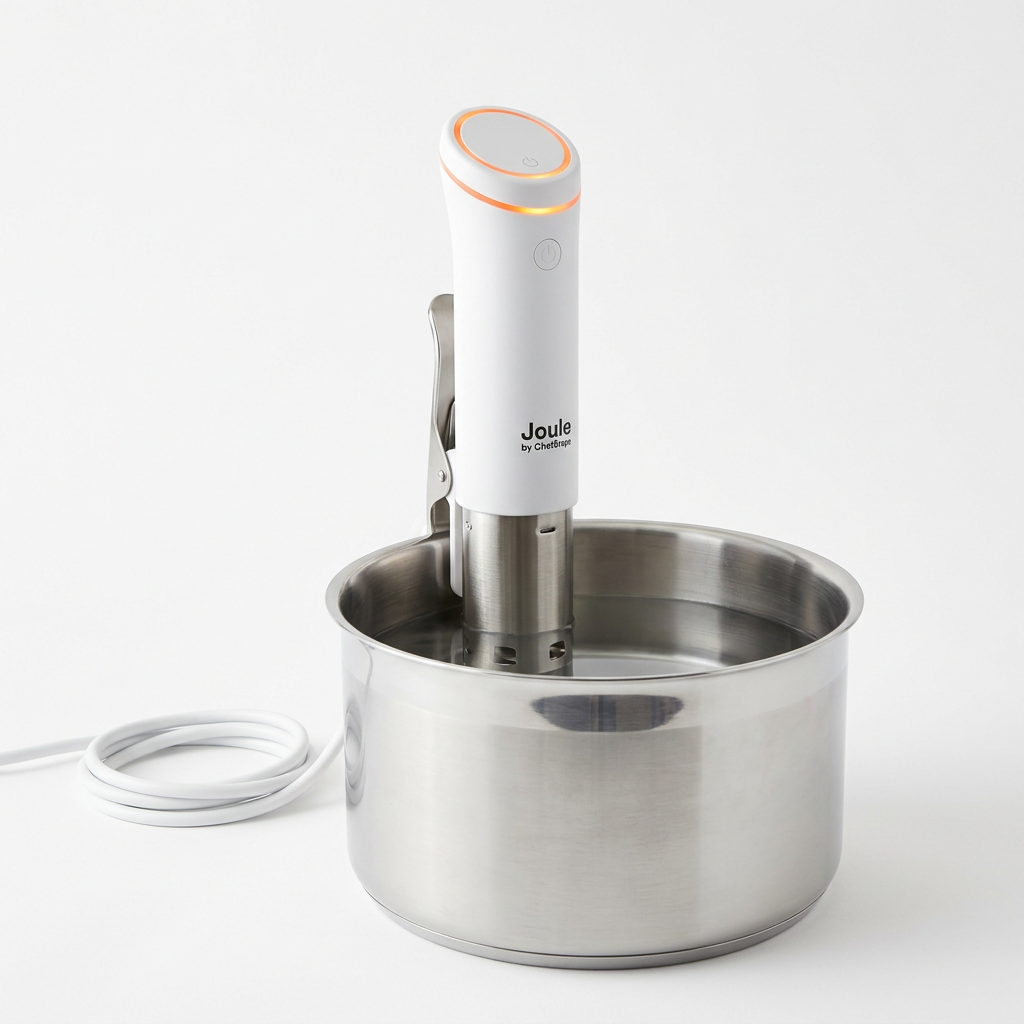
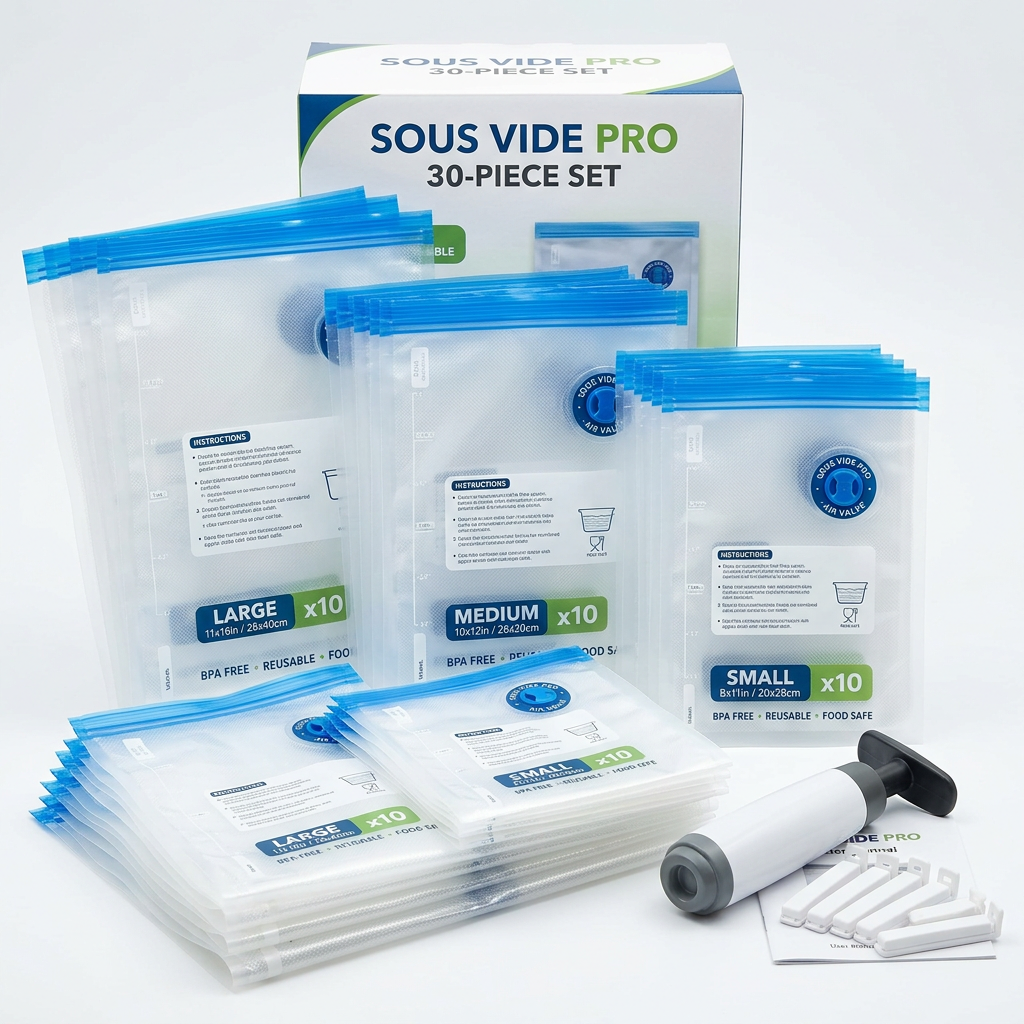
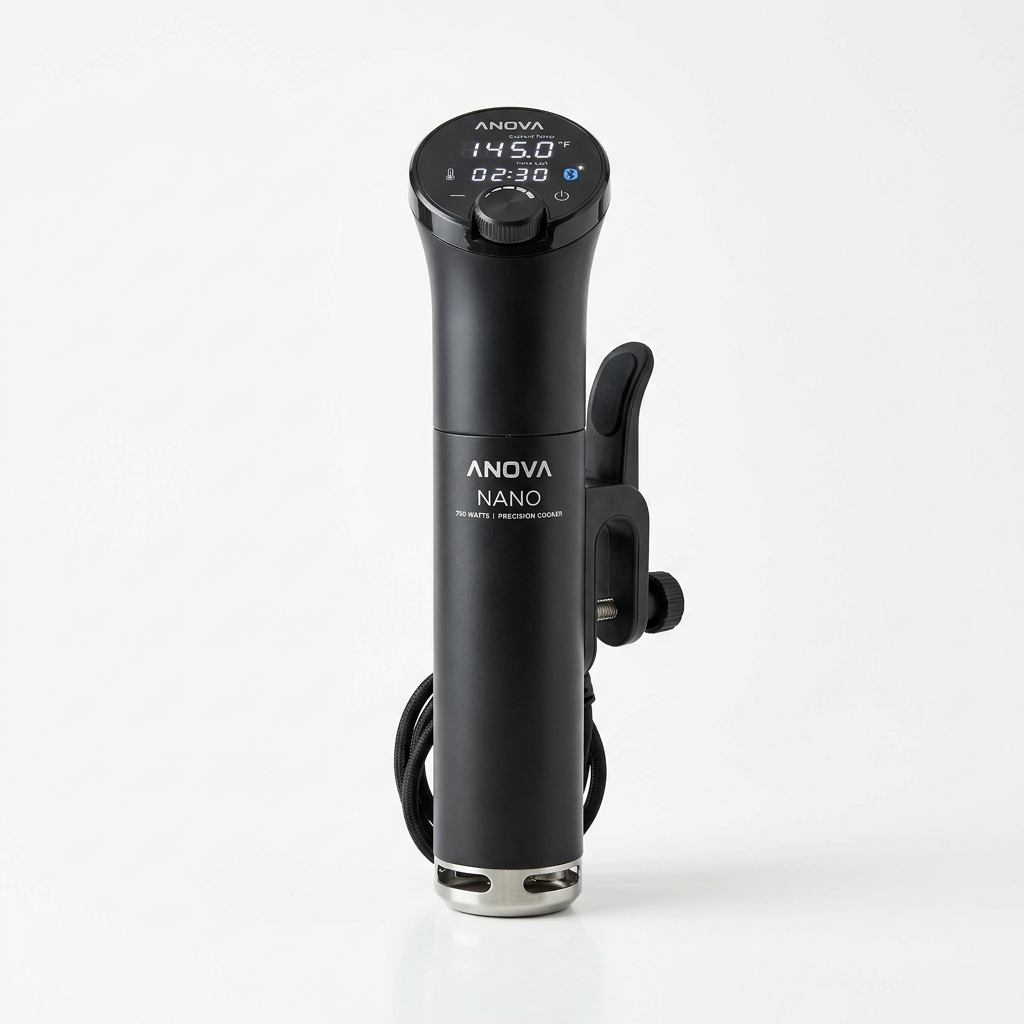
To begin your sous vide journey, you don't need a kitchen full of high-end gadgets. The basics include:
Essential Sous Vide Temperatures and Times
Here’s a quick reference guide for the most popular proteins and recommended cooking temperatures and times:
These temperatures offer excellent starting points; remember that sous vide cooking is largely forgiving. You can choose to cook for longer than the minimum time without risking overcooking your food; it could, in fact, enhance tenderness and flavor.
The Sous Vide Process
Understanding the actual steps involved in sous vide cooking is vital for any aspiring cook. Here, we break it down into manageable components to ensure that you can seamlessly create expertly cooked proteins.
Step 1: Preparing the Protein
Start by selecting your protein. When choosing proteins for sous vide, consider those that benefit from longer cooking times. Often, less expensive cuts can be transformed into tender delights using the sous vide method.
Step 2: Setting Up the Sous Vide Bath
Step 3: Cooking the Protein
Once your water bath is ready and your protein is bagged, it’s time to cook.
Step 4: Finishing Touches
When the cooking time is up, remove your protein from the bag and dry it off with paper towels—this is crucial for achieving a beautiful sear if you choose to finish your dish in a pan or on a grill.
"The beauty of sous vide cooking lies not just in the results, but in the process—a meticulous dance of temperature, timing, and care."
Flavor Enhancements in Sous Vide Cooking
One of the joys of sous vide is its ability to infuse flavors more deeply into proteins and vegetables than traditional cooking methods. This section delves into how to amplify your sous vide dishes to elevate them even further.
The Power of Marinades
Marinating proteins before sealing them for sous vide cooking can yield remarkable results. Because sous vide cooking takes place in a vacuum-sealed environment, marinades penetrate deeper and can flavor the protein in a way traditional marinating cannot.
- 1 part acid
- 3 parts oil
- Salt and spices to taste
Using Herbs and Aromatics
Adding fresh herbs, garlic, or aromatic vegetables can dramatically alter the flavor profile of your dish.
Infusing Flavors into Vegetables
Don’t neglect vegetables when using the sous vide method! They can benefit from precise cooking just as much as proteins.
Advanced Sous Vide Techniques
Once you feel comfortable with the basics of sous vide cooking, it's time to explore some advanced techniques that can take your culinary prowess to the next level.
Sous Vide Multi-Tasking
Sous vide allows you to efficiently prepare multiple components of a dish simultaneously. Cooking different proteins and vegetables in the same bath can maximize your time.
Sous Vide for Desserts
Sous vide is not strictly for savory dishes; you can also create delicious desserts with it.
Preparing Eggs Sous Vide
Eggs cooked sous vide are an exceptional treat. By adjusting the temperature, you can achieve various textures, from soft-boiled to custardy.
"Sous vide cooking transforms your relationship with food. It turns time into an ally rather than an enemy."
Common Pitfalls and Troubleshooting
As with any cooking method, challenges will inevitably arise while learning sous vide. Familiarizing yourself with common pitfalls will ensure that you can troubleshoot effectively when necessary.
Overcooking
One of the biggest misconceptions is that sous vide allows you to cook food for an indefinite time without consequence—this is not entirely true.
Equipment Failures
Despite being a straightforward process, all equipment can fail.
Flavors Turning Too Intense
Sometimes marinades can turn overpowering when cooked for an extended time.
Conclusion
Sous vide cooking is an incredible technique that transforms the way home cooks approach protein preparation. It brings precision, consistency, and depth of flavor into the kitchen, turning even novice cooks into culinary experts with minimal fuss. By understanding the science, mastering the timing, experimenting with flavors, and devouring the knowledge from advanced concepts, you can elevate every meal to a new gourmet level.
The beauty of sous vide lies not only in the remarkable results it delivers but also in its ability to inspire creativity and comfort in the kitchen. The warmth and satisfaction derived from crafting a perfectly cooked piece of protein is something every cook should savor. Begin your sous vide journey and unlock the potential within your kitchen—your taste buds will thank you!
With practice, patience, and a willingness to experiment, the world of sous vide cooking is yours. Each dish will build your confidence and creativity, proving that with sous vide precision, perfectly cooked protein is within your reach every time. Turn your home kitchen into a five-star restaurant experience and enjoy the delight of serving exceptional meals that showcase your newfound culinary prowess.
Get the Next Recipe
Weekly recipes, techniques, and gear picks — straight to your inbox.
