Sous Vide Precision: Temperature Guide for Perfect Proteins Every Time
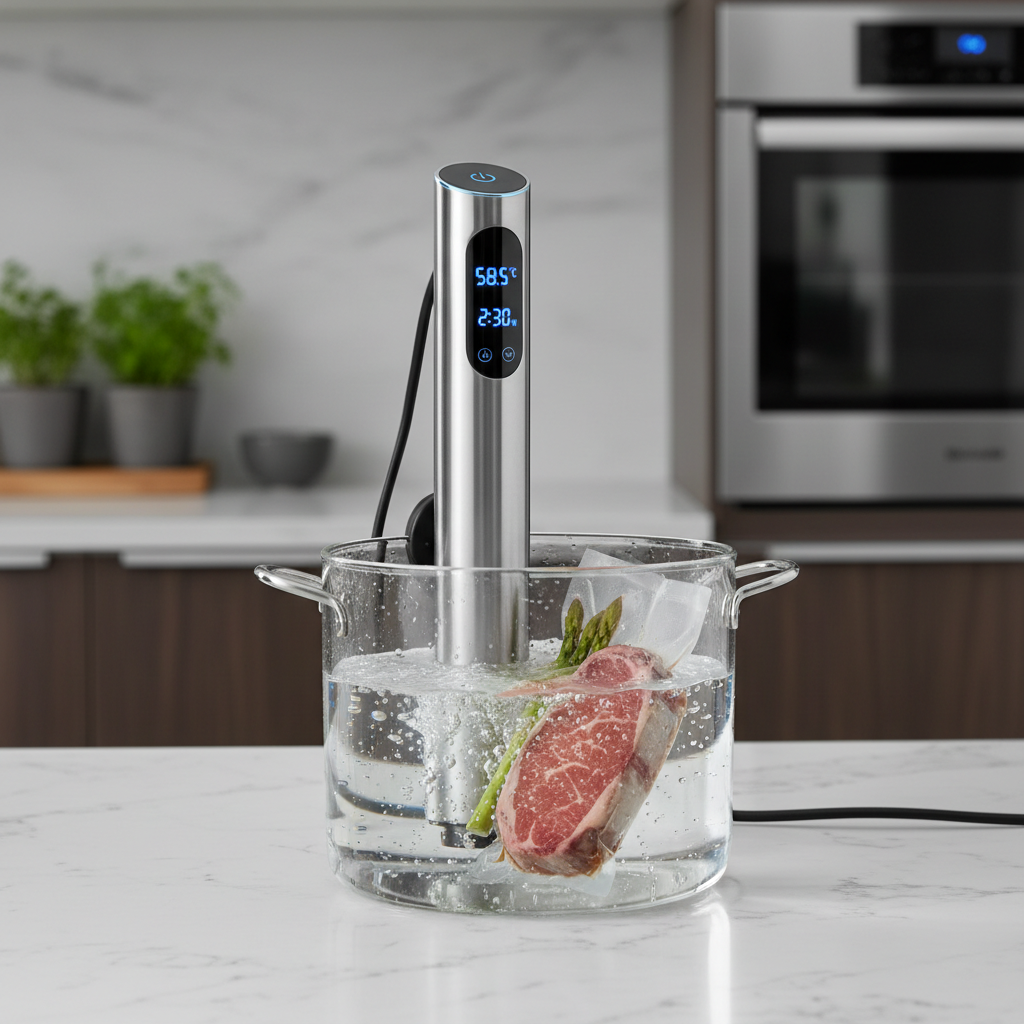
Sous vide cooking is revolutionizing the way we prepare food at home. For years, it has been a favored technique among professional chefs, renowned for creating perfectly cooked meats and vegetables every time. At its core, sous vide, which translates from French as "under vacuum," involves sealing food in a vacuum-sealed bag and immersing it in a water bath at a precisely controlled temperature. This technique allows for exceptional flavor retention, tenderness, and moisture that you simply cannot achieve through traditional cooking methods.
One of the biggest advantages of sous vide cooking is its ability to eliminate the guesswork often involved in cooking proteins. Home cooks can achieve steak cooked to a beautiful medium-rare, chicken that is perfectly juicy, and vegetables that retain a vibrant color and crispness. With an understanding of the right temperatures and times for different proteins, you can take your home cooking to a whole new level, impressing family and friends alike with dishes that taste as if they were crafted by a Michelin-starred chef.
As we dive into the world of sous vide, this guide will serve as your comprehensive resource for mastering the temperature and timing needed to achieve perfection with every dish. You’ll learn the fundamentals of sous vide, how to utilize this technique for various proteins, and discover some tips and tricks that will help you avoid common pitfalls along the way. So, prepare to elevate your culinary skills and impress with the precision and consistency that sous vide cooking can deliver.
Understanding Sous Vide Cooking
Sous vide is not just another trendy cooking technique; it’s a method that fundamentally changes how food is prepared. The process begins by sealing food inside a plastic pouch, which is then submerged in a water bath. The water is heated to a specific temperature — often, this is lower than traditional methods — and the food is cooked for an extended period. By maintaining a consistent temperature, sous vide achieves evenly cooked food, reducing the risk of overcooking.
The Science Behind Sous Vide
The scientific principles of sous vide cooking ensure that your proteins are cooked evenly from edge to edge. Unlike traditional grilling or frying, which can create hot and cold spots, sous vide cooking uses water as a heat transfer medium, which distributes heat evenly. This means that every part of the protein reaches the desired doneness without any risk of drying out.
The key is to understand doneness temperatures and how they relate to cooking times. For instance, cooking beef steak to a perfect medium-rare requires precision; historically, achieving this texture involved perfecting timing and heat on the stovetop or grill. With sous vide, you simply set the water bath to 130°F and let the steak cook for an hour or two, yielding a result that is impossible to replicate through conventional methods.
Benefits of Cooking Sous Vide
This consistent and reliable method of cooking opens doors for adventurous home cooks willing to explore new culinary horizons.
Getting Started with Sous Vide
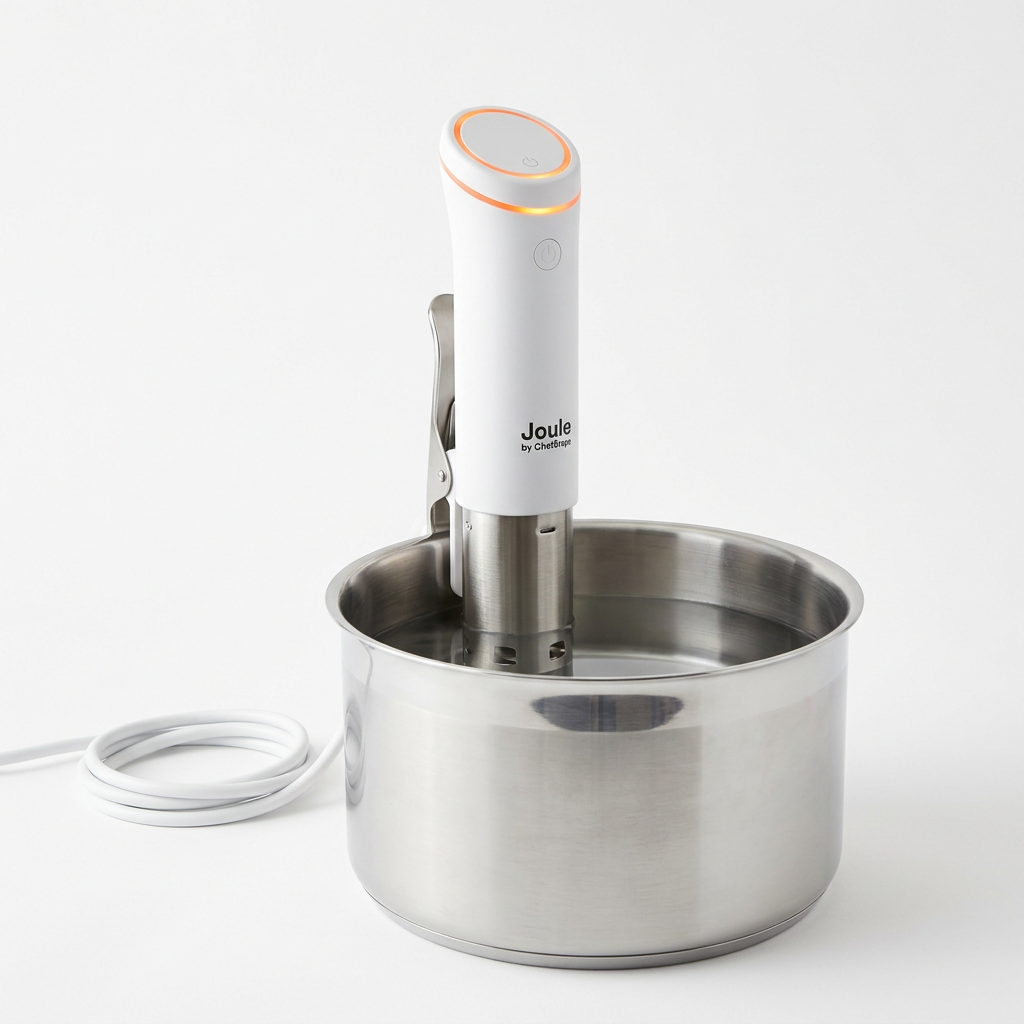
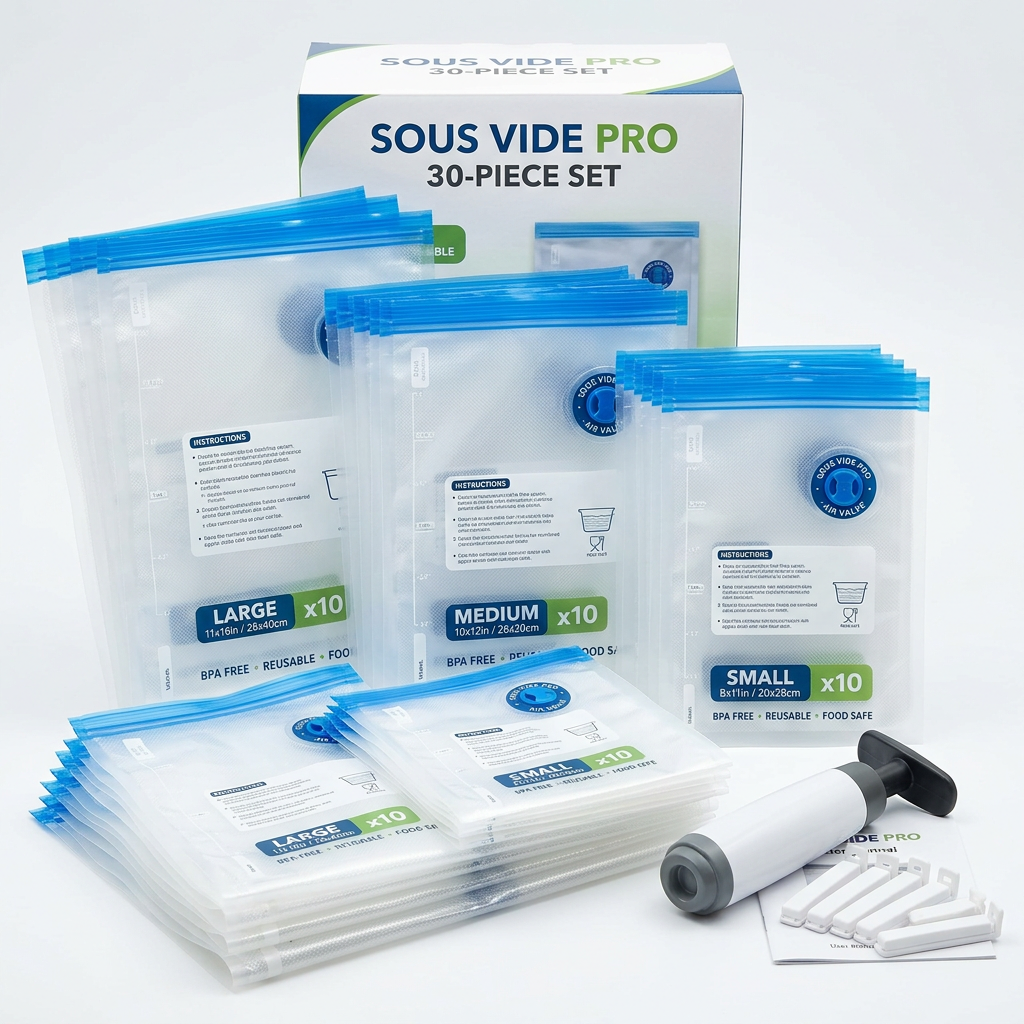
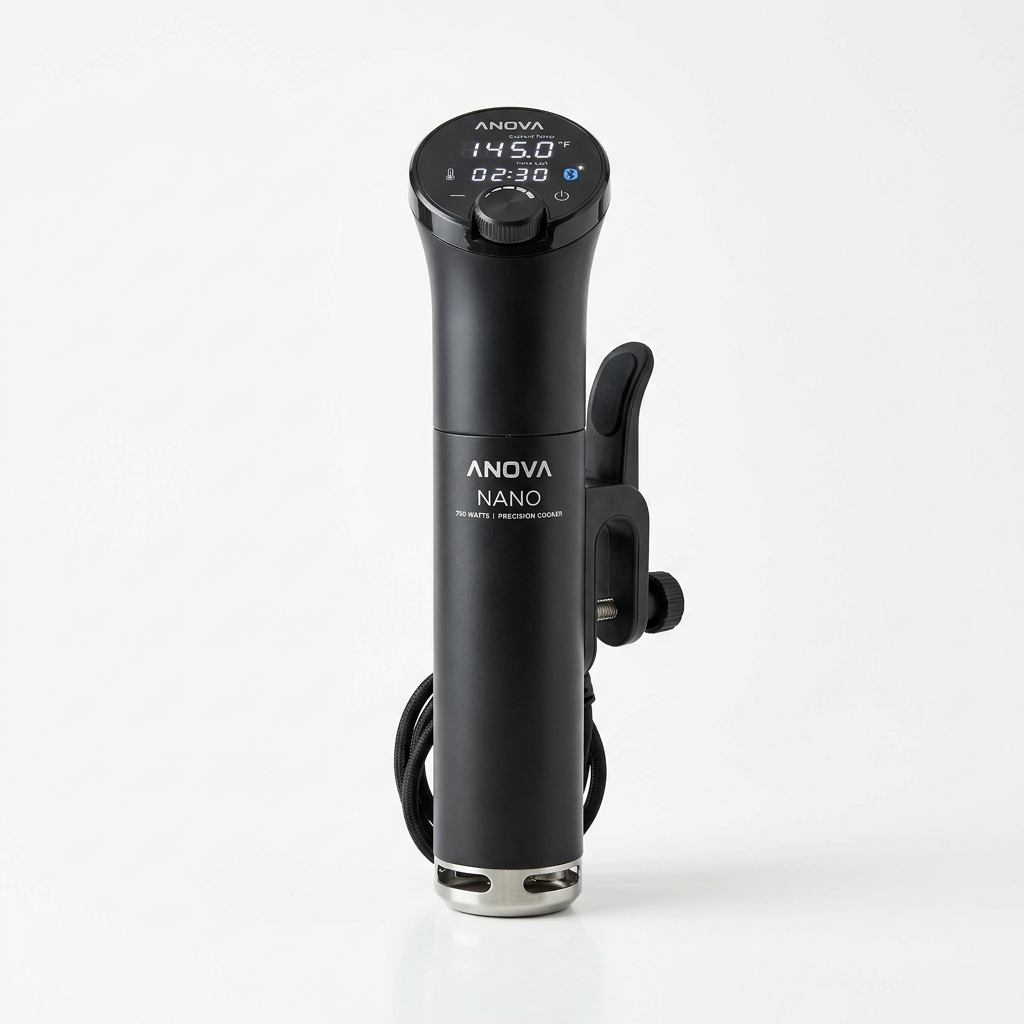
To successfully embark on your sous vide journey, there are several essential tools and equipment you will need. Let's explore what you will require and how they work together to create perfectly cooked proteins.
Essential Equipment
Preparing the Food
Once you have the right equipment, the next step is to prepare your proteins properly for cooking. Here is a basic step-by-step guide:
Timing Your Cook
Timing can be flexible in sous vide cooking, but it’s important to keep the following guidelines in mind:
Remember that increasing the time will not negatively impact the flavor or tenderness but rather improve the overall outcome.
Perfecting Sous Vide Proteins
With an understanding of the basics of sous vide in place, it’s time to break down the nuances of cooking specific proteins to perfection. Each type of protein has its ideal temperature and timing, and knowing how to adjust these variables can lead to superior results.
Pork: Juicy and Flavorful
Pork is often perceived as tricky to cook due to concerns about dryness. However, sous vide eliminates this issue by maintaining moisture throughout the cooking process.
- Temperature: 140°F (for a juicy finish) or 160°F (for traditional well-done texture).
- Cooking Time: 1.5 to 4 hours.
- Tip: Finish by searing in a pan with olive oil to create a caramelized crust.
- Temperature: 140°F for tender, juicy meat.
- Cooking Time: 2 to 4 hours depending on the thickness.
- Chef’s Secret: Brining pork chops before sous vide cooking helps intensify flavor and adds moisture.
Poultry: Tender and Safe
Chicken, turkey, and duck benefit immensely from sous vide’s precision. Here’s how you can master poultry:
- Temperature: 140°F.
- Cooking Time: 1.5 to 4 hours.
- Recommendation: Add herbs such as thyme or dill in the bag for flavor enhancement.
- Temperature: 150°F.
- Cooking Time: 4 to 6 hours for even cooking.
- Finishing Steps: It’s often beneficial to torch or broil the skin for a crispy finish after sous vide cooking.
- Temperature: 135°F for medium-rare.
- Cooking Time: 2 to 3 hours.
- Finishing Tip: Searing the duck breast skin-side down in a skillet will render the fat, leading to crispiness.
Beef: A Cut Above
With beef, sous vide allows you to achieve degrees of doneness that are hard to replicate through traditional means. Whether cooking a filet mignon or tougher cuts, sous vide gives the edge that home cooks crave.
- Temperature: 129°F for a perfect medium-rare.
- Cooking Time: 1 to 3 hours.
- Searing Technique: Use clarified butter in a hot skillet to enhance flavor when finishing.
- Temperature: 155°F.
- Cooking Time: 24 to 36 hours to reach optimum tenderness.
- Cooking Tip: Seal with spices and smoke flavoring for a deliciously smoky result.
- Temperature: 135°F.
- Cooking Time: 1 to 3 hours.
- Flavor Boost: Consider wrapping the filet in bacon before sealing for an extra flavor boost.
Fish: Delicate and Flavorful
Fish is perhaps one of the easiest proteins to prepare using sous vide, providing a melt-in-your-mouth experience typically reserved for fine dining.
- Temperature: 125°F for a buttery texture.
- Cooking Time: 45 to 60 minutes.
- Flavor Add-ins: Lemon slices or dill can be added to enhance flavor.
- Temperature: 130°F.
- Cooking Time: 30 to 45 minutes.
- Professional Tip: Pair the dish with a lemon béarnaise sauce for a gourmet finish.
- Temperature: 140°F.
- Cooking Time: 30 to 45 minutes.
- Key Idea: Quickly sear shrimp on high heat for a caramelized outer texture.
Vegetables: A New Approach
While sous vide is primarily known for cooking proteins, it can also revolutionize vegetable preparation. Cooking vegetables sous vide maximizes flavor and preserves nutrients, resulting in vibrant and delicious side dishes.
Root Vegetables
Root vegetables are perfect candidates for sous vide cooking, as they become tender without losing their texture.
- Temperature: 183°F.
- Cooking Time: 1 to 2 hours.
- Flavor Additions: Add a touch of honey or thyme for a sweet and savory profile.
- Temperature: 185°F.
- Cooking Time: 1 to 2 hours.
- Finishing Touch: Toss cooked potatoes with olive oil, salt, and fresh herbs before serving.
Greens and More
Greens and other vegetables can also benefit from sous vide, allowing for precise cooking that retains their color and crunch.
- Temperature: 180°F.
- Cooking Time: 10 to 15 minutes.
- Tip for Best Results: Season lightly, as the flavor can become concentrated.
- Temperature: 185°F.
- Cooking Time: 30 to 60 minutes.
- Final Step: Drizzle with lemon juice and a sprinkle of sea salt before serving.
Advanced Techniques
As you become comfortable with sous vide, consider experimenting with advanced techniques, such as infusing oils or creating flavor-packed stock by vacuum-sealing vegetables with herbs and spices before cooking them sous vide.
Safety Considerations in Sous Vide Cooking
As with any cooking method, food safety is paramount in sous vide cooking. Cooking at low temperatures for extended periods can create conditions favorable for bacteria growth if not done carefully.
Understanding Pasteurization
The essential principle to remember is that food must reach a certain temperature for a specified amount of time to effectively kill harmful bacteria. The USDA outlines how long different proteins must sit at various temperatures to achieve safety according to their acidity and moisture content.
Reducing Risks
To minimize risks of bacteria growth:
Conclusion
Sous vide cooking isn't just a modern trend; it’s a transformational technique that empowers home cooks to create delicious dishes effortlessly. With the ability to achieve perfect precision every time, you don’t have to fear overcooked proteins or lost flavors. Understanding the basic principles — from choosing the right temperatures for various proteins to mastering the subtleties of cooking times — enables you to elevate your cooking game significantly.
As you embrace sous vide, remember that practice makes perfect; don’t shy away from experimenting with various proteins and cooking times. Allow your creativity to shine through as you explore new flavor combinations, sides, and finishes that complement your sous vide creations.
Ultimately, sous vide is all about control and enjoyment in the kitchen. Armed with the knowledge and techniques outlined in this guide, you can cook confidently, impressing your guests and family with meals that exude a touch of culinary finesse. Happy cooking!
Get the Next Recipe
Weekly recipes, techniques, and gear picks — straight to your inbox.
