
Sous Vide Science: Precision Cooking at Home
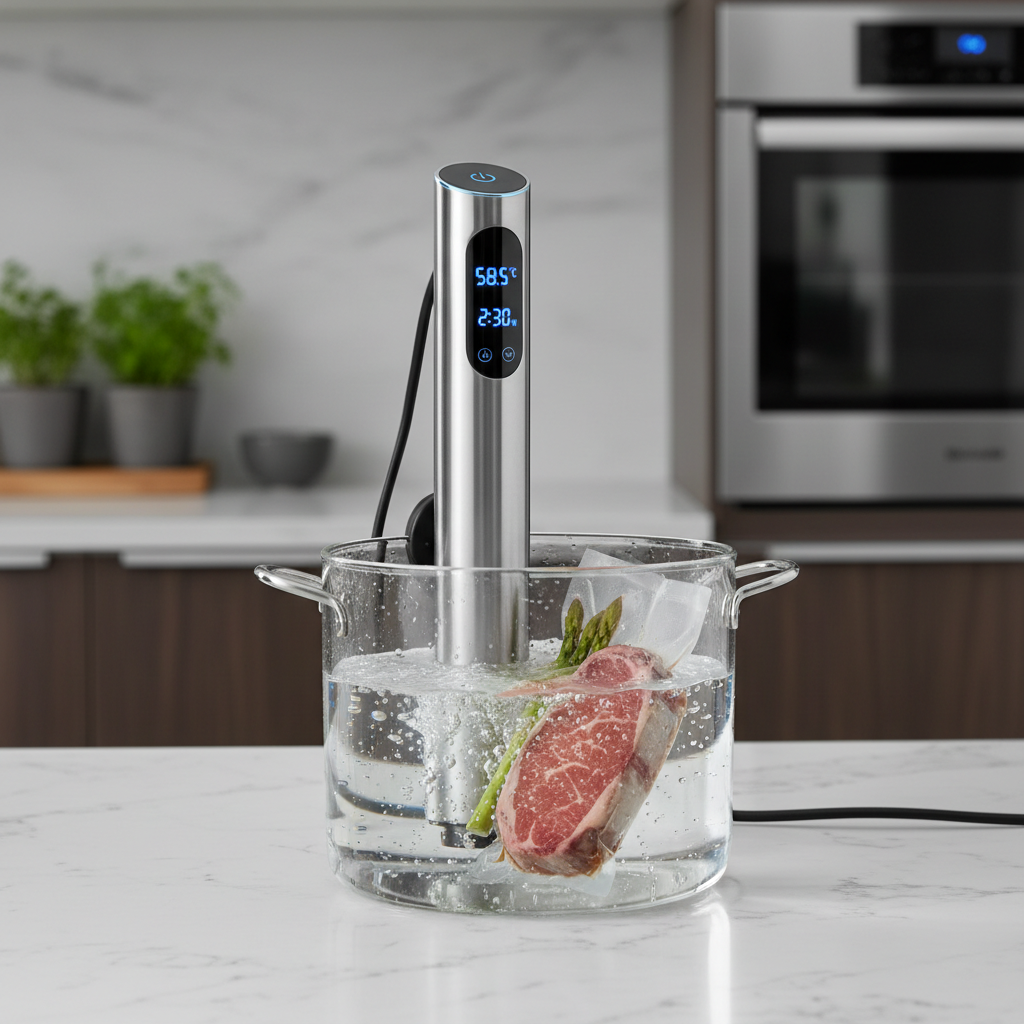
The culinary world has seen a revolution in recent years, with innovative cooking techniques that elevate the flavors and textures of foods like never before. Among these methods, sous vide stands out as a frontrunner, offering home cooks a unique way to achieve restaurant-quality results with minimal effort. At its core, sous vide—the French term meaning "under vacuum"—involves sealing food in a bag and immersing it in a water bath at a precisely controlled temperature for an extended period. This method enables even cooking throughout the food, preserving moisture and enhancing flavors, making it a demystifying experience for those willing to take the plunge.
As you embark on your sous vide journey, you'll discover that patience and precision are paramount. Unlike traditional cooking methods that often rely on the heat of a frying pan or oven, sous vide demands careful attention to temperature control. The adventure is well worth the effort; with sous vide, you can achieve texture and tenderness in meats that are otherwise difficult to replicate. Imagine biting into a steak cooked to a perfect medium-rare edge to edge, or tender vegetables that maintain their vibrant color and nutrients. This technique not only capitalizes on the science of cooking but also opens up new dimensions of flavor that every home cook yearns to master.
For those apprehensive about the science behind sous vide, fear not—this technique is accessible to everyone, provided that you have the right tools and a willingness to learn. As we delve deeper into the sous vide method, you will gain insights into its history, the essential equipment, cooking times, and temperatures for various ingredients, benefits, and techniques to ensure your dishes consistently impress. Get ready to embrace the sous vide revolution and take your cooking to a whole new level.
The History of Sous Vide
Early Beginnings
The concept of sous vide dates back to the 18th century when food preservation methods were still primitive. Initially, sous vide was practiced as a means of extending the shelf life of food through vacuum sealing. It wasn’t until the 1970s that chefs began experimenting with this technique in professional kitchens, notably with the work of Georges Pralus at the renowned restaurant Troisgros in France. Pralus discovered that cooking foie gras sous vide not only improved texture but helped maintain its natural juices. This exploration led to the gradual adoption of sous vide in haute cuisine, but it remained largely confined to professional chefs until the advent of affordable sous vide equipment.
Sous Vide Takes Off
In the early 2000s, sous vide made a grand entrance into the home cooking scene. With the rise of low-cost immersion circulators and vacuum sealers, eager home cooks could now replicate the dishes once reserved for fine dining. Chef Thomas Keller, known for his exceptional culinary artistry, embraced sous vide and popularized it through his cookbooks and restaurants. Keller’s influence, along with the accessibility of home sous vide devices, sparked a wave of enthusiasm across kitchens worldwide, making precision cooking a staple for those seeking to hone their skills.
The Sous Vide Culture Today
Today, sous vide is more than just a cooking method; it has become a culinary movement, inspiring thousands of home cooks to experiment and innovate. The online community surrounding sous vide is vast, featuring countless recipes, videos, and tips shared amongst cooking enthusiasts. The ability to archive dishes at specific temperatures has changed the way we approach cooking. With tools like the precision cooker and vacuum sealers readily available, anyone can channel their inner chef and explore the uncharted territories of sous vide.
Essential Sous Vide Equipment
Immersion Circulator
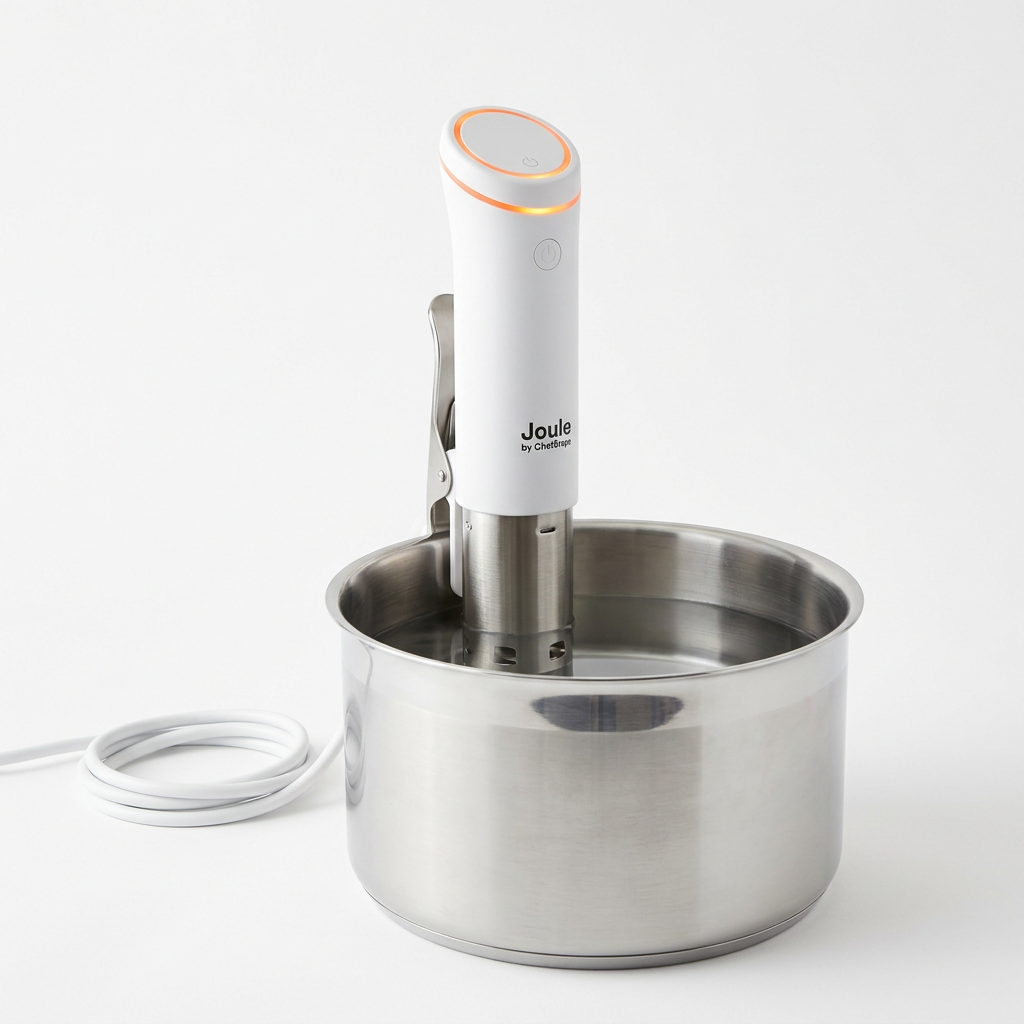
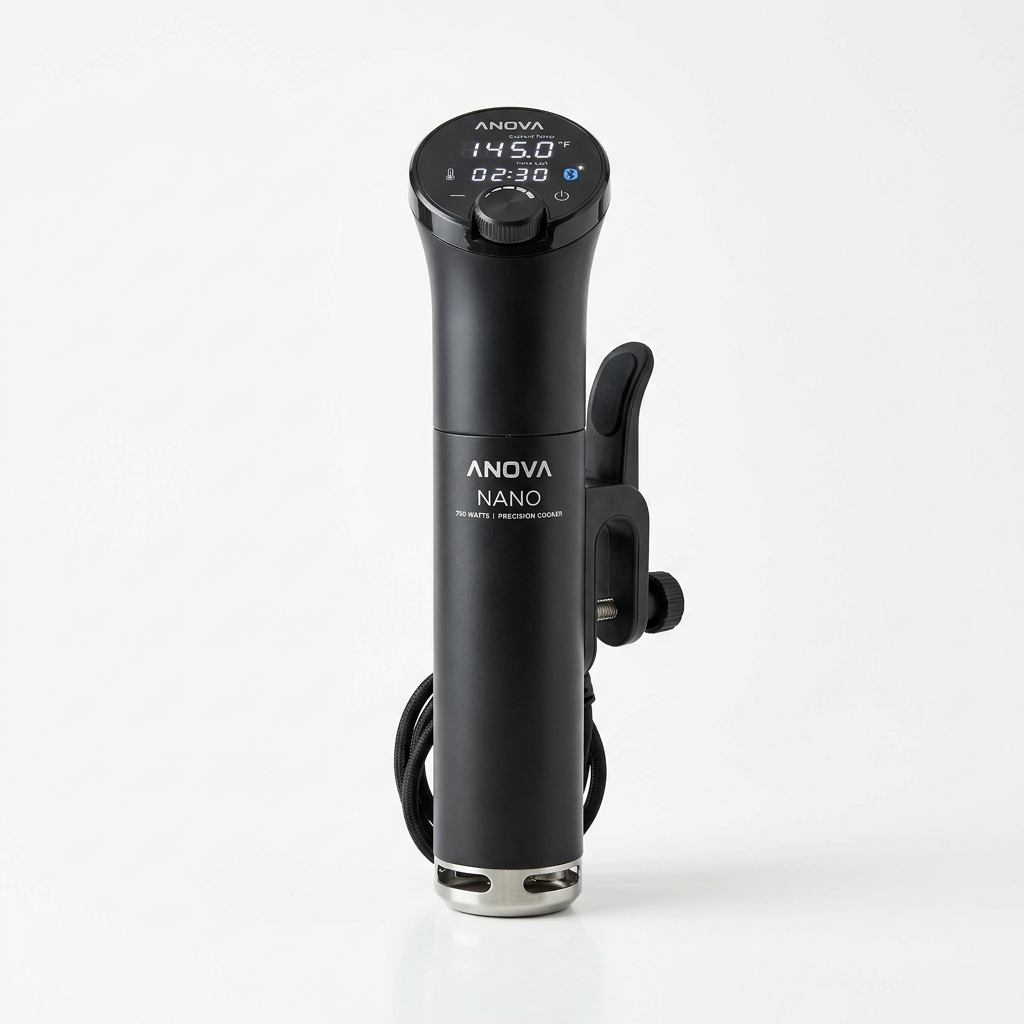
The immersion circulator is the heart of the sous vide method. This piece of equipment heats the water to the desired temperature and maintains it consistently throughout the cooking process. When shopping for an immersion circulator, look for features such as:
Vacuum Sealer
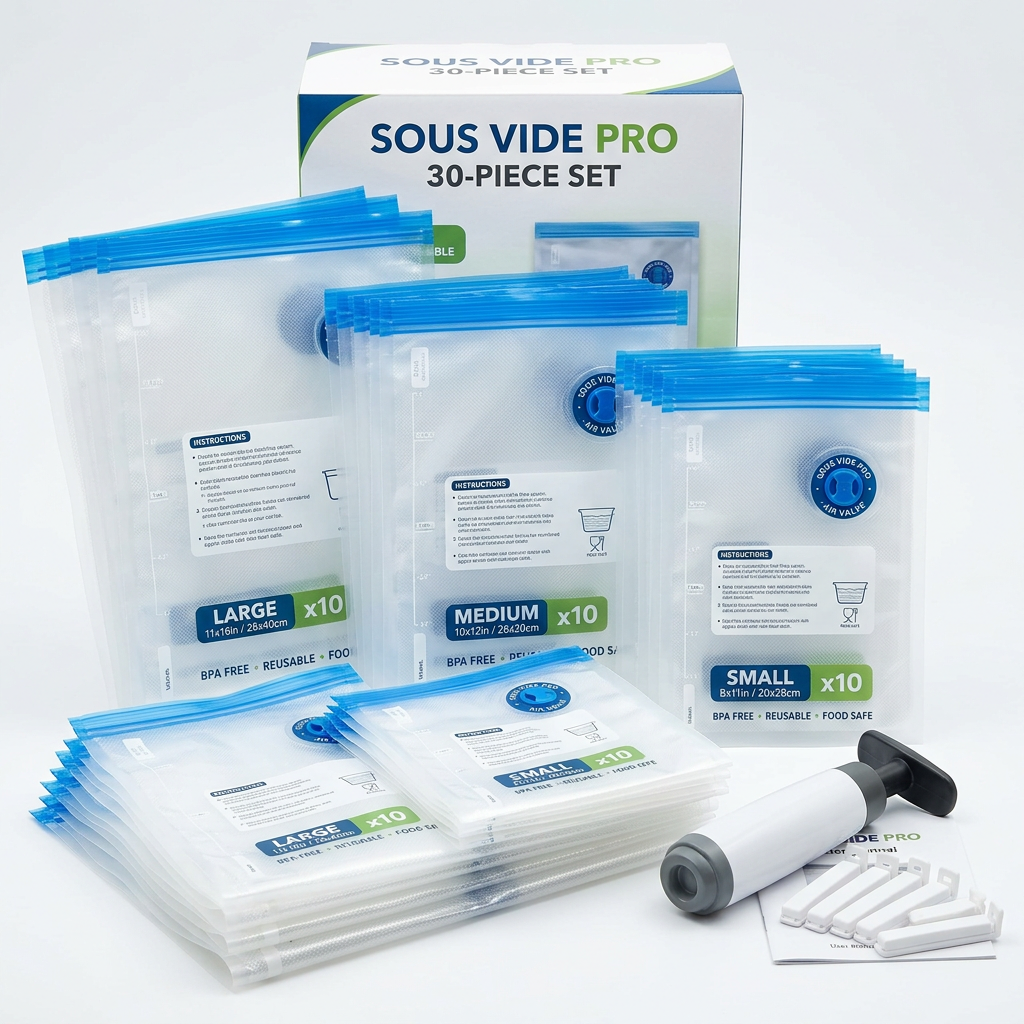
While sous vide can technically be done with zip-top bags, a vacuum sealer is essential for achieving optimal results. This device removes air from bags containing your food, preventing oxidation and enhancing flavor retention. Here are some tips for choosing a vacuum sealer:
Temperature-Proof Containers
While a purpose-built sous vide container is ideal, you can make do with any large pot—just ensure it can accommodate the circulator and hold enough water. Here’s what to look for:
Getting Started with Sous Vide Cooking
Preparing Ingredients for Sous Vide
Preparation is key to a successful sous vide experience. Start by selecting high-quality ingredients. Here are the steps you should follow:
Determining Cooking Times and Temperatures
Each ingredient has specific temperature and timing guidelines for optimal results. Here’s a quick reference guide:
Sous Vide Cooking Process
Once everything is prepared, it's time to begin cooking. Follow these steps to ensure smooth sailing through the sous vide process:
Flavor Enhancements for Sous Vide
Infusions and Marinades
Sous vide offers the unique advantage of infusing flavors much more effectively than traditional methods. Since the food is sealed, flavors can't escape during the cooking process. You can enhance your dishes by adding:
Finishing Techniques
While sous vide results in perfectly cooked food, a final sear can elevate the dish to gastronomic glory. To finish your sous vide steaks or chicken:
“Sous vide allows you to get flavors into food that traditional cooking methods simply can’t match.”
Experimenting with Flavors
The beauty of sous vide is in its versatility. Feel free to experiment with different flavors and textures. Consider trying:
Common Sous Vide Challenges and Solutions
Overcooking Concerns
Many home cooks worry about overcooking their sous vide dishes. The beauty of sous vide, however, is that the food will not exceed the set temperature. Here’s how to mitigate concerns:
Equipment Maintenance
Proper maintenance of your sous vide equipment ensures long-lasting performance. Here are some essential tips:
Troubleshooting Common Issues
Here are some common challenges you might encounter, along with solutions:
Advanced Sous Vide Techniques
Sous Vide for Batch Cooking
One of the significant advantages of sous vide cooking is the ability to prepare meals in batches without compromising quality. Here are the steps to employ batch cooking effectively:
Sous Vide for Meal Prep
Meal prepping with sous vide can simplify your weekly cooking while preserving flavors. Here’s how to implement it:
Unique Applications for Sous Vide Cooking
Sous Vide Desserts
Sous vide isn’t limited to savory dishes. Sweet applications abound. Consider trying:
Sous Vide Pickling
Bring an exciting twist to your pickling with sous vide. Here’s a quick guide:
Conclusion
Embracing the art of sous vide cooking can truly transform your culinary repertoire, bringing precision, flavor, and tenderness that are hard to achieve with traditional methods. This technique allows you to elevate basic ingredients to gourmet status with effortless elegance. Whether you’re a novice or a seasoned chef, sous vide cooking offers an invitation to experiment, explore, and enjoy the science of cooking like never before.
By investing in the right tools, preparing your ingredients with care, and embracing patience, you too can transcend ordinary cooking and develop dishes that delight every palate. So, as you step into the world of sous vide, remember to push boundaries, refine your techniques, and—most importantly—enjoy the journey of culinary exploration.
With each experiment, you’ll build confidence and expand your skill set, proving that with sous vide, the possibilities are truly limitless. If you ever find your sous vide journey daunting, just remind yourself: it’s all about precision and patience, and every dish brings you one step closer to your culinary masterpiece. So plug in your immersion circulator, gather your ingredients, and let the precision cooking adventure begin!
Get the Next Recipe
Weekly recipes, techniques, and gear picks — straight to your inbox.
