
Sous Vide Secrets: Achieving Steakhouse-Quality Meat at Home
When it comes to cooking meat, achieving that perfect steakhouse-quality finish has traditionally been a challenge for home cooks. For years, the secret to a great steak was thought to lie in the type of cut you use and the method of cooking, whether it be grilling or pan-searing. However, the charmingly misunderstood method of sous vide has revolutionized the way we think about cooking meats. With sous vide, you can cook steak to the exact doneness you desire every single time, eliminating the guesswork and providing an unparalleled meal experience at home.
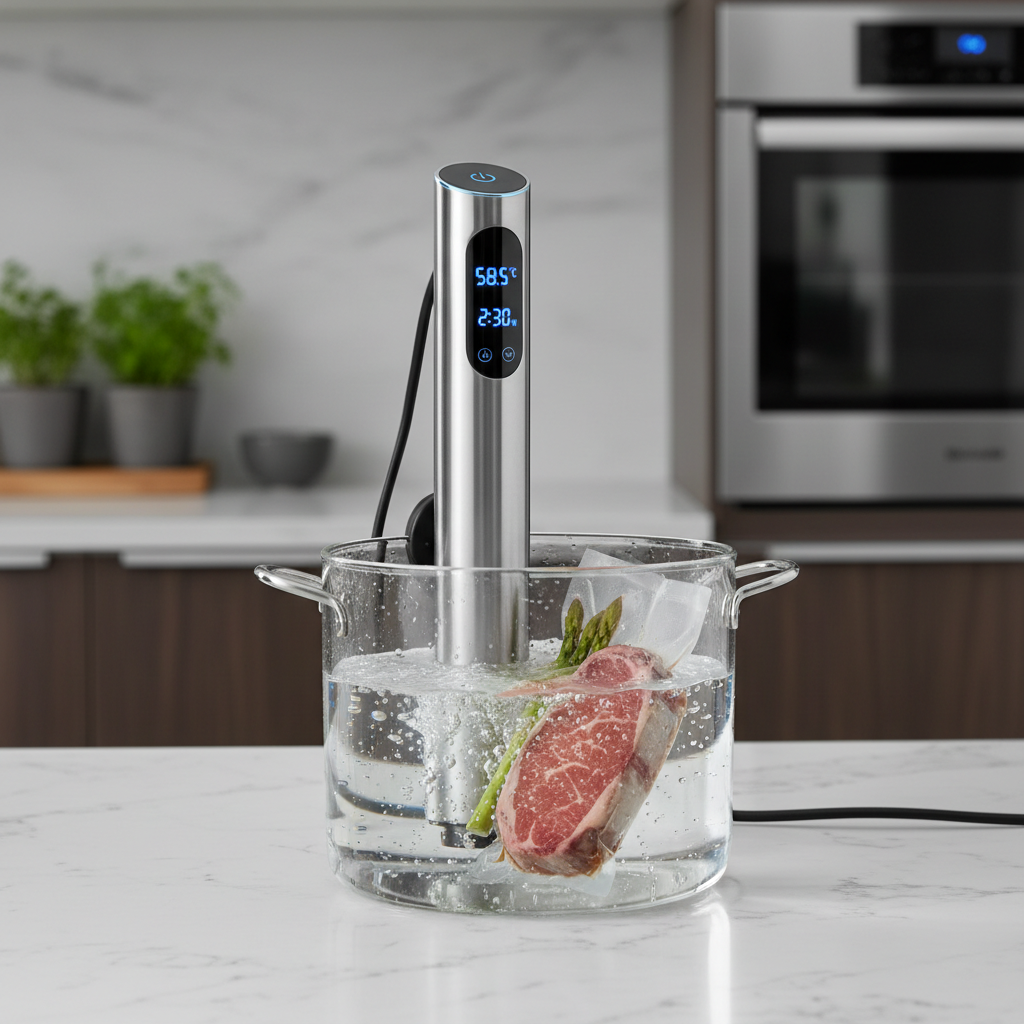
The sous vide process involves sealing the meat in a vacuum bag and immersing it in a water bath held at a precise temperature. This method guarantees that the meat cooks evenly and retains its moisture, ensuring you won’t end up with a dry, overcooked piece of meat. One of the beauties of this technique is its suitability for various cuts of meat—from the humble flank steak to the luxurious filet mignon—affording you the chance to indulge at any price point while still achieving restaurant-worthy results.
In this guide, we'll dive deep into the art of sous vide cooking, sharing tips on how to select the right cuts of meat, the ideal temperature settings, and how to finish your steak with a glorious sear that seals in flavor while showcasing amazing textures. You'll soon find that mastering sous vide can open doors to culinary creativity you never knew existed, making every meal an occasion to celebrate.
What is Sous Vide?
Sous vide, which translates from French to "under vacuum," refers to a cooking method involving food sealed in bags and cooked in a water bath at precisely controlled temperatures. Unlike traditional cooking methods that may use varying heat levels and times, sous vide allows for uniform cooking throughout the food, resulting in enhanced flavor and texture.
Why Choose Sous Vide?
"Sous vide cooking truly empowers home chefs, making it possible to replicate steakhouse results in your own kitchen."
Essential Equipment for Sous Vide Cooking
To get started with sous vide, you don't need a professional kitchen setup, but there are some essential tools that will make the process easier and more effective.
Immersion Circulator
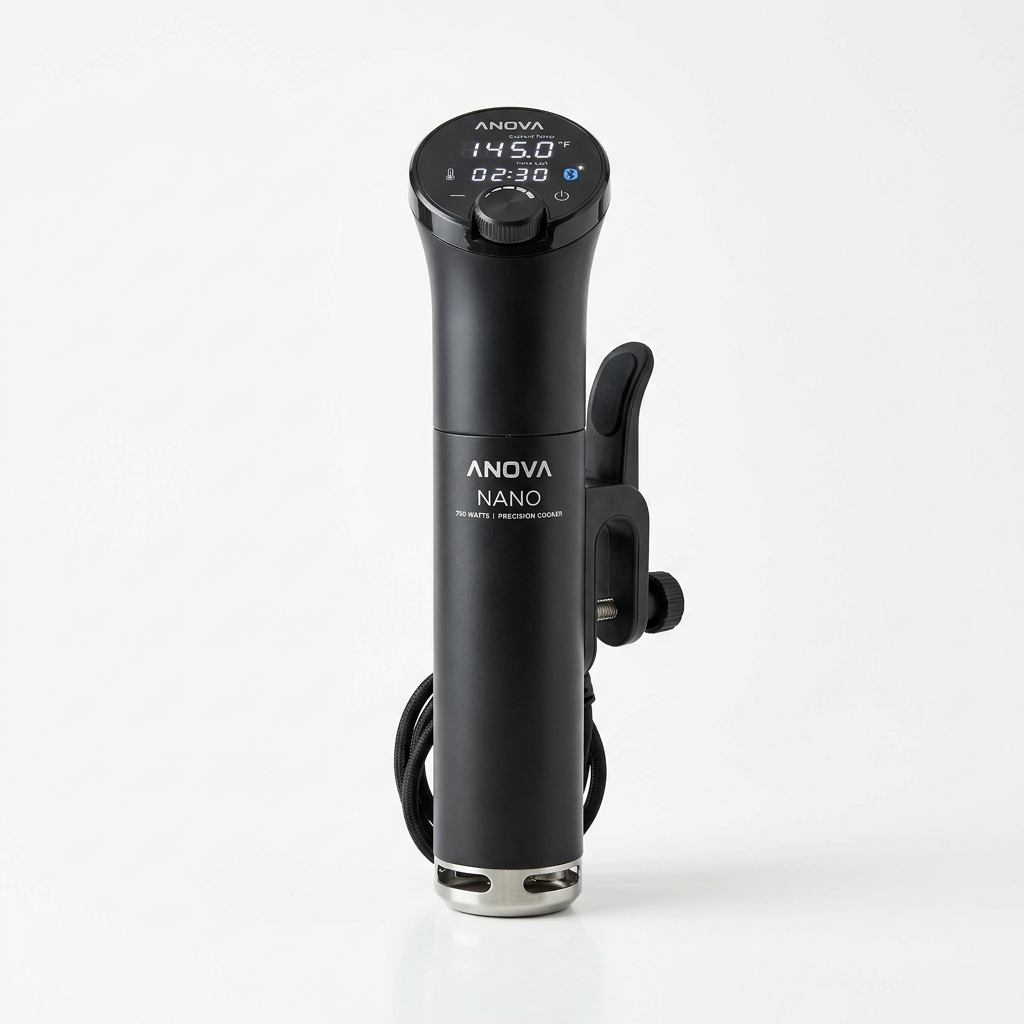
At the core of sous vide cooking is an immersion circulator. This device heats the water and keeps it at a constant temperature, meaning you can go about your other kitchen tasks without worrying about fluctuations. Some popular brands include Anova, Joule, and Sansaire.
Vacuum Sealer
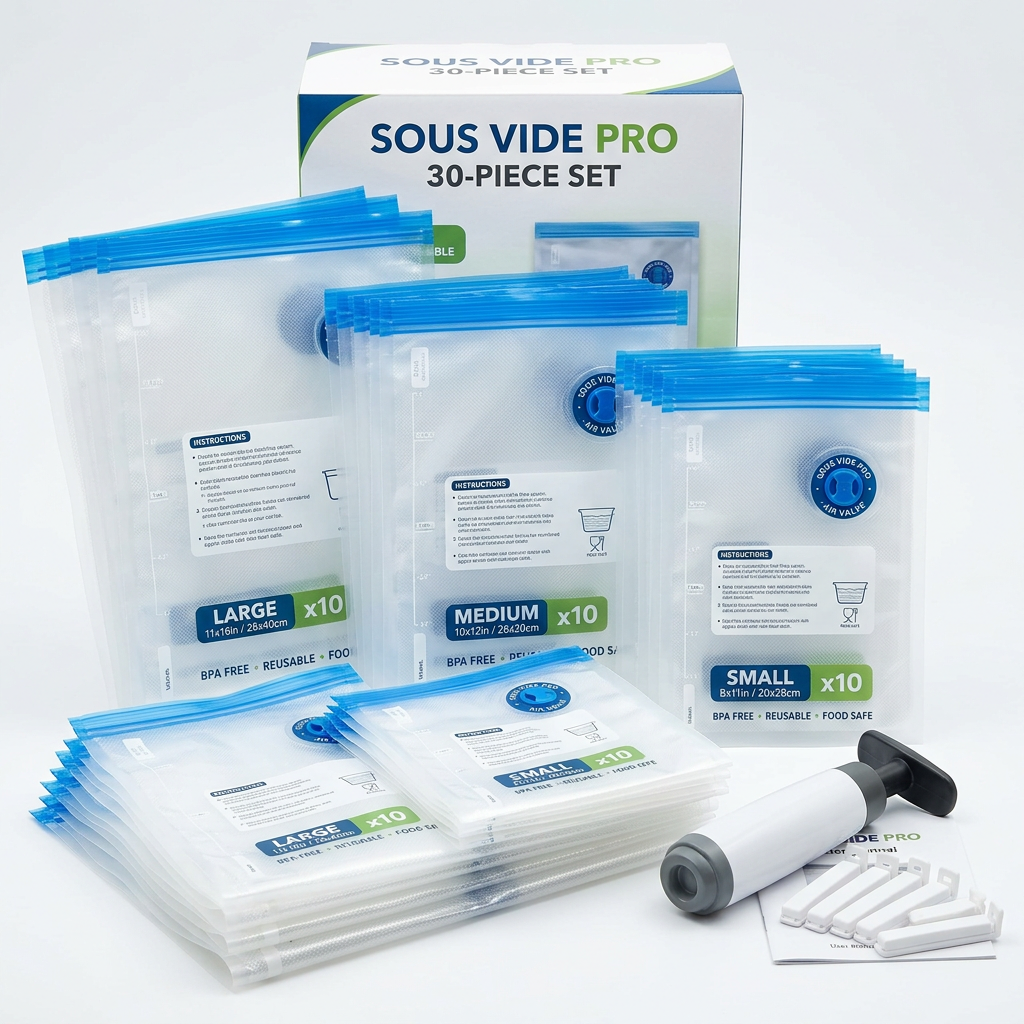
A vacuum sealer is another key tool. It removes air from the bags to create a perfect seal. While you can use zipper-lock bags in a pinch, a vacuum sealer will provide better results by reducing the risk of the bag floating during cooking.
Sous Vide Bags
While dedicated sous vide bags can be purchased, you can also use heavy-duty freezer bags. Ensure that they are made from BPA-free plastic to avoid leaching during the cooking process.
A Reliable Pot
You’ll need a pot big enough to hold your immersion circulator and the amount of water required to cover the food entirely. Many home cooks opt for large, deep stock pots, but plastic containers also work well.
Optional Accessories
Choosing the Right Cut of Meat
Not all cuts of meat are created equal when it comes to sous vide cooking. Several factors influence the choice, including tenderness, flavor, and fat content.
Tender Cuts
Tough Cuts
Interestingly, sous vide is magnificent for tough cuts too. Cuts like brisket, chuck roast, and flank steak benefit greatly from the prolonged cooking times, which help to break down connective tissues and render them meltingly tender.
To get the best results, follow these general guidelines for cooking times and temperatures:
Understanding Marbling
Marbling refers to the streaks of fat found within the muscle. Well-marbled cuts can still remain juicy and flavorful even after prolonged cooking times. When selecting meat, look for a good distribution of fat, as this will lend the sous vide process a richness in flavor that’s hard to beat.
Preparing Your Meat for Sous Vide
Once you've chosen the right cut, preparing the meat becomes the next crucial step in the sous vide process. Proper preparation ensures that flavors infuse well and textural qualities are maximized.
Seasoning Techniques
Vacuum-Sealing the Meat
To vacuum-seal, follow these steps:
"Sealing flavors within the bag is akin to capturing a snapshot of the perfect dish before creating your masterpiece."
Cooking with Sous Vide
Now for the exciting part: cooking with sous vide.
Setting Up the Sous Vide Bath
Cooking Time
Once the water bath reaches your target temperature, it’s time to add your meat:
Innovations in Cooking Time
While traditional sous vide usually revolves around longer cooking times for tougher cuts, one of the great secrets of home sous vide cooking is flexibility. You can experiment with shorter cooking times for tender cuts.
Finishing Touches: Searing Your Steak
Once your sous vide cooking is complete, it's time to finish the steak—this is the step that elevates it to restaurant-quality.
Searing Techniques
- Preheat your cast iron skillet on high heat.
- Add a high smoke point oil, such as canola or vegetable oil.
- Remove the steak from the bag and pat it dry with paper towels to allow for a proper sear.
- Sear each side for 1-2 minutes until a brown crust forms.
- Preheat your grill to a high temperature.
- As with pan-searing, ensure that the steak is well-dried and lightly oiled.
- Grill for approximately 1-2 minutes on each side until seared to your liking.
- Use a culinary blow torch to carefully sear the outside of your steak. This method is exceptional for providing an even and controlled crust without overcooking the meat.
"The final sear is the exclamation point that announces a well-crafted dish. It seals in flavor while providing a comforting crunch that contrasts beautifully with a tender interior."
Resting Your Meat
After searing, it’s essential to let the steak rest for 5-10 minutes. This allows the juices to redistribute throughout the meat, making sure that every bite is luscious and juicy.
Slicing and Serving
When slicing your sous vide steak, always go against the grain. Cut across the fibers in order to enhance tenderness with each bite. Serve with your favorite sides—be it roasted vegetables, creamy potatoes, or a fresh salad—pairing should elevate the taste experience rather than overshadowing the beautifully prepared meat.
Pairing and Serving Suggestions
Sauces and Accompaniments
- Deglaze the pan used for searing with red wine and simmer until reduced by half. Add a pat of butter for creaminess.
- Make a compound butter with fresh herbs, garlic, and a touch of lemon zest. Allow it to melt on top of the warm steak for added richness.
- A zesty Argentinian sauce made from parsley, garlic, red pepper flakes, and olive oil. An excellent topping for grilled meats and adds a refreshing kick.
Wine Pairing
Troubleshooting Common Issues
Like any cooking method, sous vide can be problematic if not done correctly. Here are some common issues and their solutions:
Additional Tips
Conclusion
Embracing sous vide cooking can dramatically elevate your culinary skills and allow you to create steakhouse-quality meals in the comfort of your home. The precision, ease, and delicious results of this method can transform any ordinary dinner into a feast worthy of celebration. By mastering the basics—from choosing the right cut to achieving a perfect sear—you'll find yourself empowered to explore various meats, flavors, and techniques.
Don't shy away from experimentation; cooking is as much about enjoying the journey as it is about serving up delicious dishes. As you become more comfortable with sous vide technology, you may discover it leads to innovation in your cooking style, allowing for surprises and delightful new flavors.
Take all that you've learned here and start creating unforgettable meals that impress even the most discerning palates. Whether it’s a simple weeknight dinner or an extravagant feast for friends and family, your sous vide skills will shine through.
Now, go ahead and take the plunge into sous vide cooking—you won’t regret the adventures ahead!
Get the Next Recipe
Weekly recipes, techniques, and gear picks — straight to your inbox.
