
Sous Vide Simplified: Restaurant-Quality Results at Home
Sous vide cooking has gained considerable traction in both professional kitchens and home settings, thanks to its promise of achieving restaurant-quality results with relative ease. This technique, which translates from French to “under vacuum,” involves sealing food in bags and immersing it in a temperature-controlled water bath for an extended period. The meticulous control of temperature is what sets sous vide apart, allowing for precision cooking that guarantees perfect doneness from edge to edge. For home cooks eager to elevate their culinary skills, understanding this method can transform your dishes and leave your friends and family in awe.
One of the most appealing aspects of sous vide is its flexibility; you can use it for a wide variety of ingredients, from proteins to vegetables and even desserts. Imagine being able to cook a steak that is perfectly medium-rare throughout, without the fear of overcooking it. This technique allows you to achieve results that would typically require the expertise of a high-end chef, making it easier than ever to impress. However, it’s essential to recognize that while sous vide simplifies certain aspects of cooking, it also requires a mindset shift and a bit of practice to master.
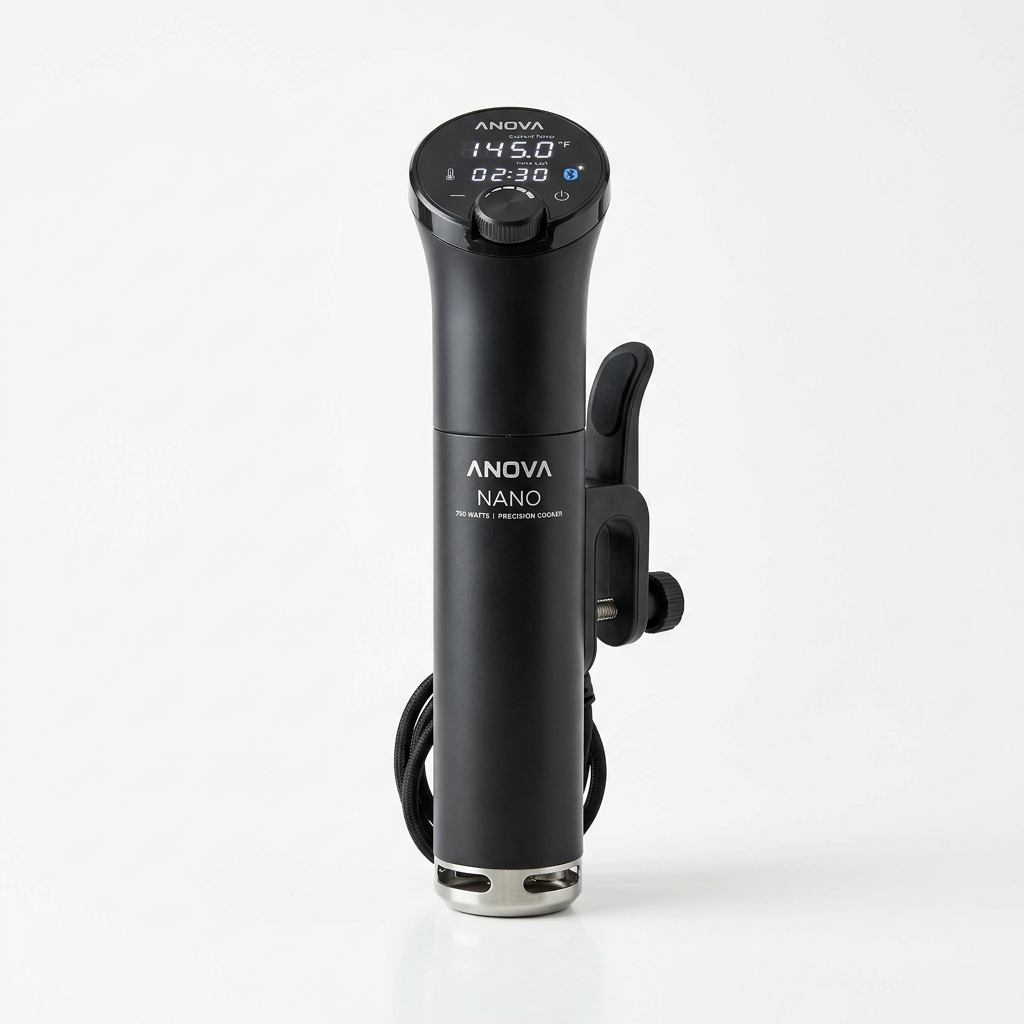
Before diving headfirst into sous vide recipes, it’s crucial to understand the fundamental principles and equipment involved. Investing in a sous vide immersion circulator—the key tool for this cooking technique—is the first step. This device maintains a precise and consistent temperature, allowing food to cook evenly over extended periods without the risk of drying out. Once you begin to grasp the nuances of sous vide, you'll find that the results are worth the effort, leading to deeply satisfying culinary experiences that leave you excited to explore more.
What is Sous Vide Cooking?
Sous vide cooking is not just a passing culinary trend but rather a technique rooted in scientific principles that enhance the cooking process. At its core, sous vide is all about precision. Cooking food at precise temperatures prevents overcooking while enhancing flavors and textures. This method originated in the 18th century but was popularized in the 2000s among chefs seeking innovative ways to create exceptional dishes.
The Science Behind Sous Vide
When food is cooked using traditional methods, it is subjected to a broad range of temperatures, leading to uneven cooking. For instance, when searing a steak, the outer layer can reach high temperatures, while the interior may remain undercooked. Sous vide eliminates this problem by cooking food for an extended period at a stable temperature. This method allows for gradual cooking, where even the most delicate proteins maintain their juiciness.
Advantages of Using Sous Vide
The benefits of sous vide extend beyond just precision cooking:
"With sous vide, the precision of temperature control creates an unparalleled consistency that takes the stress out of cooking."
Essential Equipment for Sous Vide Cooking
To successfully embark on your sous vide journey, you’ll need some essential equipment. While many home cooks may think they need expensive or fancy gadgets, the basics are quite simple and accessible.
Primary Gear
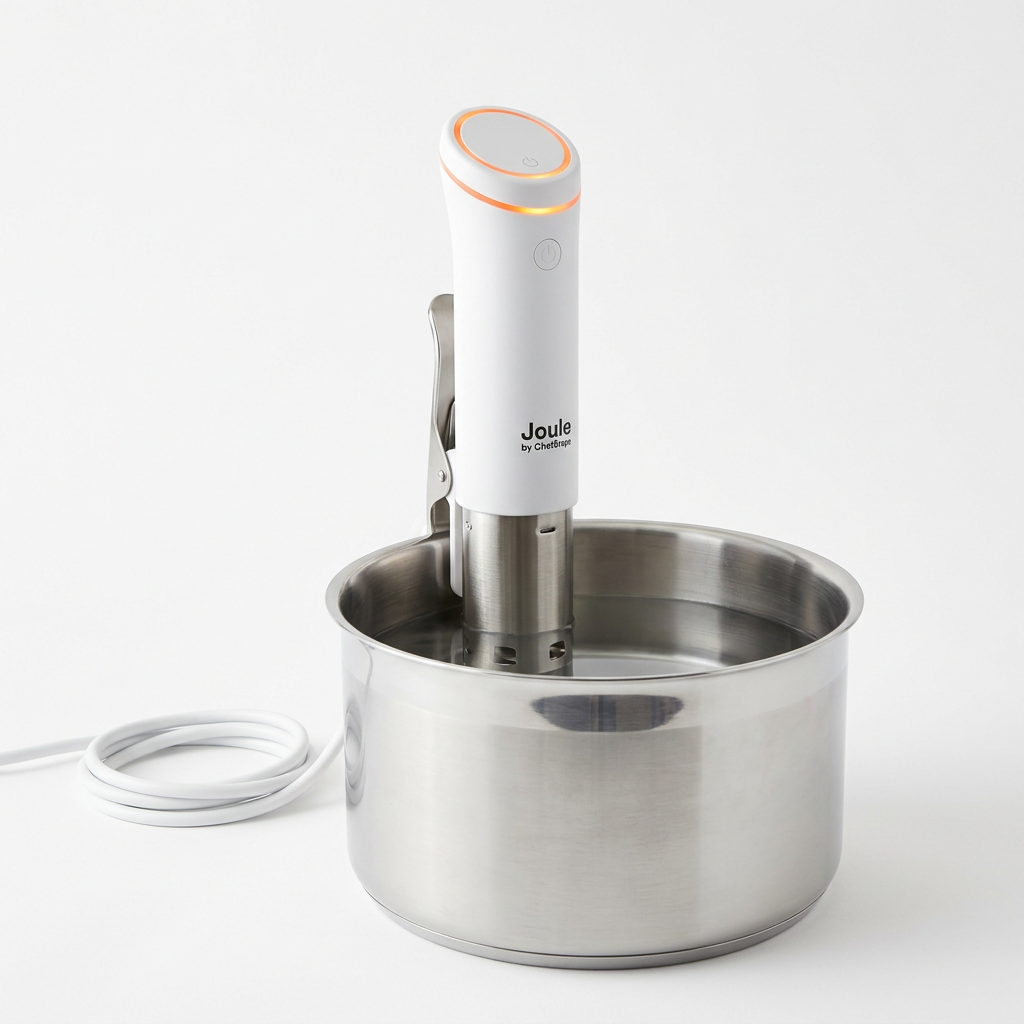
- This is the heart of sous vide cooking. It’s a device that heats and circulates water to maintain precise temperature control. Brands like Anova and Joule are popular choices among home cooks, offering ease of use and reliability.
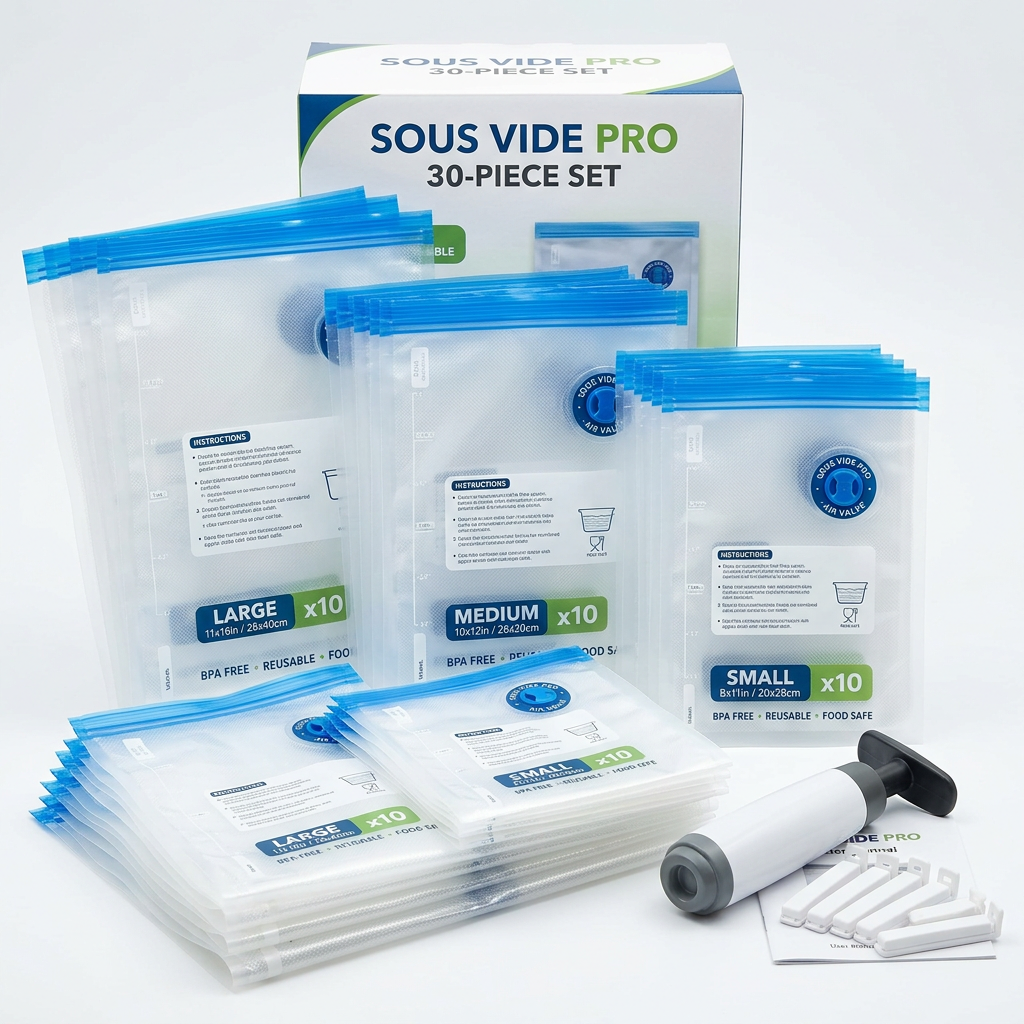
- While you can use resealable bags (like Ziplock) in some cases, a vacuum sealer ensures that all air is removed, allowing for optimal heat transfer and reducing the chance of spoilage.
- A large pot, or specialized sous vide container, is necessary for the immersion circulator to work effectively. Ensure it's large enough to hold the water needed for your cooking.
Additional Accessories
Preparing Food for Sous Vide
Getting ready to cook sous vide involves a few unique steps, different from traditional cooking. Understanding how to prepare ingredients is fundamental to achieving optimal flavor and texture.
Seasoning Techniques
One of the keys to successful sous vide cooking is how you season your food before sealing it. Unlike traditional cooking, where you may add seasoning later in the cooking process, sous vide allows flavors to deepen over time.
Bagging Techniques
When preparing your food for sous vide, how you package it can significantly affect the outcome:
- Lay the food flat in the vacuum bag, ensure it is not overcrowded to allow even cooking, and seal according to your vacuum sealer's instructions.
- Add the food to a resealable bag and seal most of the way, then slowly immerse it in water. This will force the air out of the bag. Once the air is displaced, seal the bag completely.
- If cooking meat, especially for extended times, consider using a marinade or brine to keep it flavorful.
"The preparation of your ingredients is just as important as the cooking itself; flavor infusion happens best when done sous vide."
Cooking Times and Temperatures for Sous Vide
One of the most critical aspects of sous vide is understanding cooking times and temperatures for various foods. With a variety of proteins, vegetables, and even desserts, knowing the right settings will yield perfectly cooked dishes every time.
Meat Cooking Guidelines
Here’s a quick overview of ideal temperatures and times for different proteins:
- Medium-Rare: 130°F (54°C) for 1-4 hours.
- Medium: 140°F (60°C) for 1-4 hours.
- Tender: 140°F (60°C) for 1-4 hours.
- Traditional: 160°F (71°C) for 1-4 hours.
- Juicy: 140°F (60°C) for 1-4 hours.
- Well-Done: 160°F (71°C) for 1-4 hours.
- Delicate: 125°F (52°C) for 30-60 minutes.
Cooking times can vary widely based on the thickness and type of meat. Thicker cuts will require longer cooking times, while thinner ones can cook more rapidly.
Vegetable Cooking Guidelines
Vegetables benefit from sous vide cooking by retaining their nutrients, color, and flavor. Here are some suggested times and temperatures:
Egg Cooking Guidelines
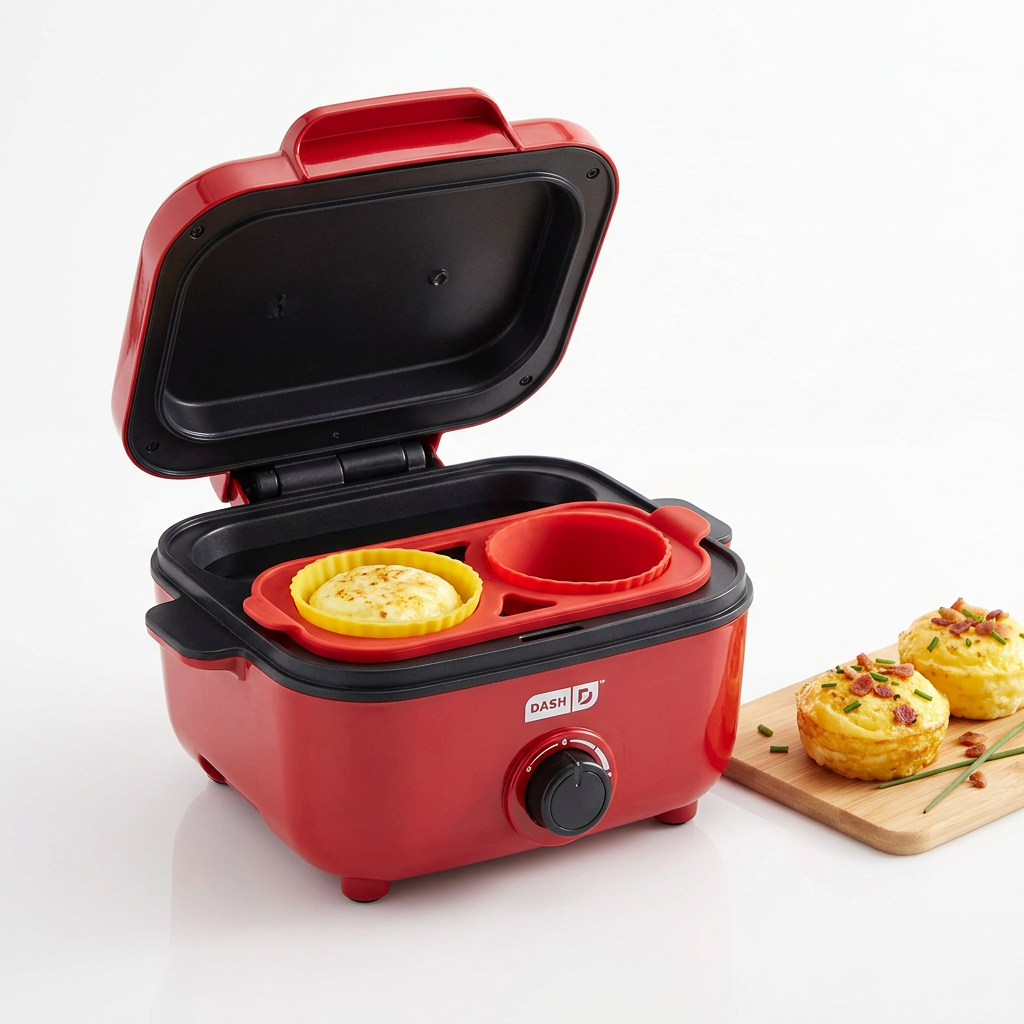
Eggs are a whole different ballgame when it comes to sous vide cooking because they can be cooked perfectly to various states:
Mastering egg cooking via sous vide can lead to incredible brunch dishes and perfect toppings for salads.
Final Steps: Searing and Finishing
After your food has been cooked sous vide, the next step is essential to develop flavors and textures. The finish can make or break your dish, so take time to ensure it reaches its peak.
Searing Techniques
- Preheat a skillet over medium-high heat, add a bit of oil, and sear the vacuum-sealed pouch or directly the protein for about 1-2 minutes per side. You’re looking for a golden crust, not to cook the interior further.
- For smaller cuts or seafood, a blowtorch can add an impressive finish without altering the internal temperature. Simply char until browned and crispy.
- If the surface area is large, you might want to use the broiler in your oven. This method allows you to finish off larger pieces of meat quickly.
Resting and Serving
After searing, let meats rest for a few minutes. This allows the juices to redistribute, ensuring every slice is tender and flavorful.
- Consider plating your dishes artfully to elevate the dining experience. Pair proteins with vibrant vegetable sides, sauces, or garnishes to enhance the visual appeal and flavor profile of your dish.
"The finish is vital; it transforms perfectly cooked food into a gourmet experience that will impress everyone around the table."
Recipes for Sous Vide Success
Now that you have a firm grasp of the theory and technique of sous vide cooking, it’s time to put that knowledge into practice with delicious recipes.
Perfect Steak Sous Vide Recipe
This classic sous vide preparation is straightforward and results in the best steak you’ve ever made.
Ingredients:
Instructions:
- Generously season both sides of the steak with salt and pepper. Add rosemary sprigs to the bag if using.
- Place the steak in a vacuum sous vide bag and remove all air.
- Set your sous vide immersion circulator to 130°F (54°C) and submerge the bag in the water. Cook for 2 hours.
- Once time is up, remove the steak from the bag and pat dry. Heat olive oil in a skillet until shimmering and sear both sides of the steak for 1-2 minutes until browned.
- Rest the steak for a few minutes, then slice and serve.
Sous Vide Carrots with Honey Glaze
This sweet and tender side dish pairs beautifully with meats.
Ingredients:
Instructions:
- In a mixing bowl, toss the carrots with honey, butter, salt, and pepper.
- Place carrots in a vacuum bag, seal, and ensure no air is trapped.
- Set your sous vide machine to 183°F (84°C) for 1 hour.
- Once finished, serve warm, garnishing with a sprinkle of fresh herbs if desired.
Conclusion
Sous vide cooking opens up an entirely new world for home cooks, allowing you to achieve professional results from the comfort of your kitchen. With its promise of unbeatable precision, consistency, and incredible flavor, this technique is worth mastering. As you explore sous vide, remember the importance of temperature control, preparation, and finishing techniques. The skills you gain will set you apart in the kitchen and impress anyone fortunate enough to taste your creations.
Embrace the world of sous vide with enthusiasm and creativity. Experiment with different ingredients, discover your favorite flavors, and share your culinary achievements.
No longer will you need to reserve restaurant visits for perfectly cooked steaks or tender vegetables—now, you have the knowledge and skills to replicate them at home. So why not take the plunge? The journey of mastering sous vide cooking is a fulfilling one that rewards you with not just flavors but also the joy of creating unforgettable meals.
Happy cooking!
Get the Next Recipe
Weekly recipes, techniques, and gear picks — straight to your inbox.
